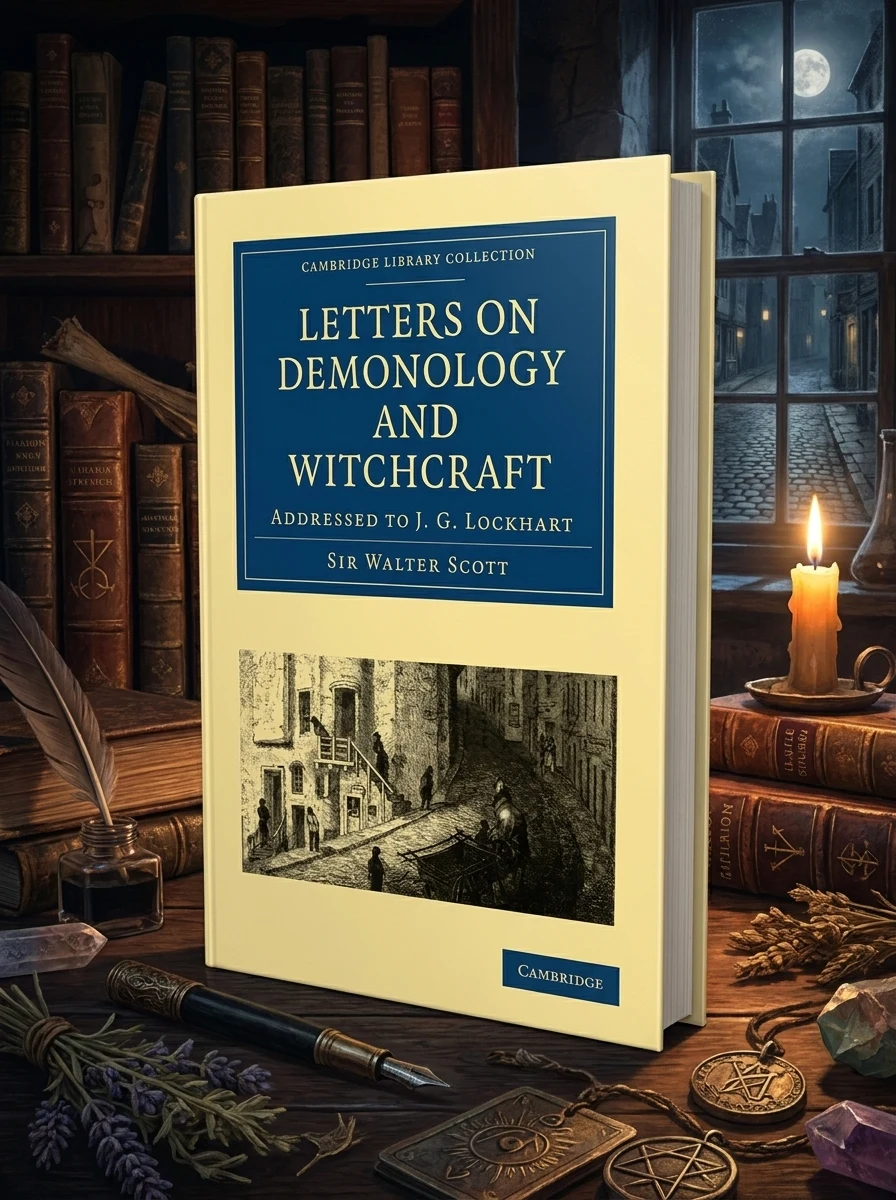
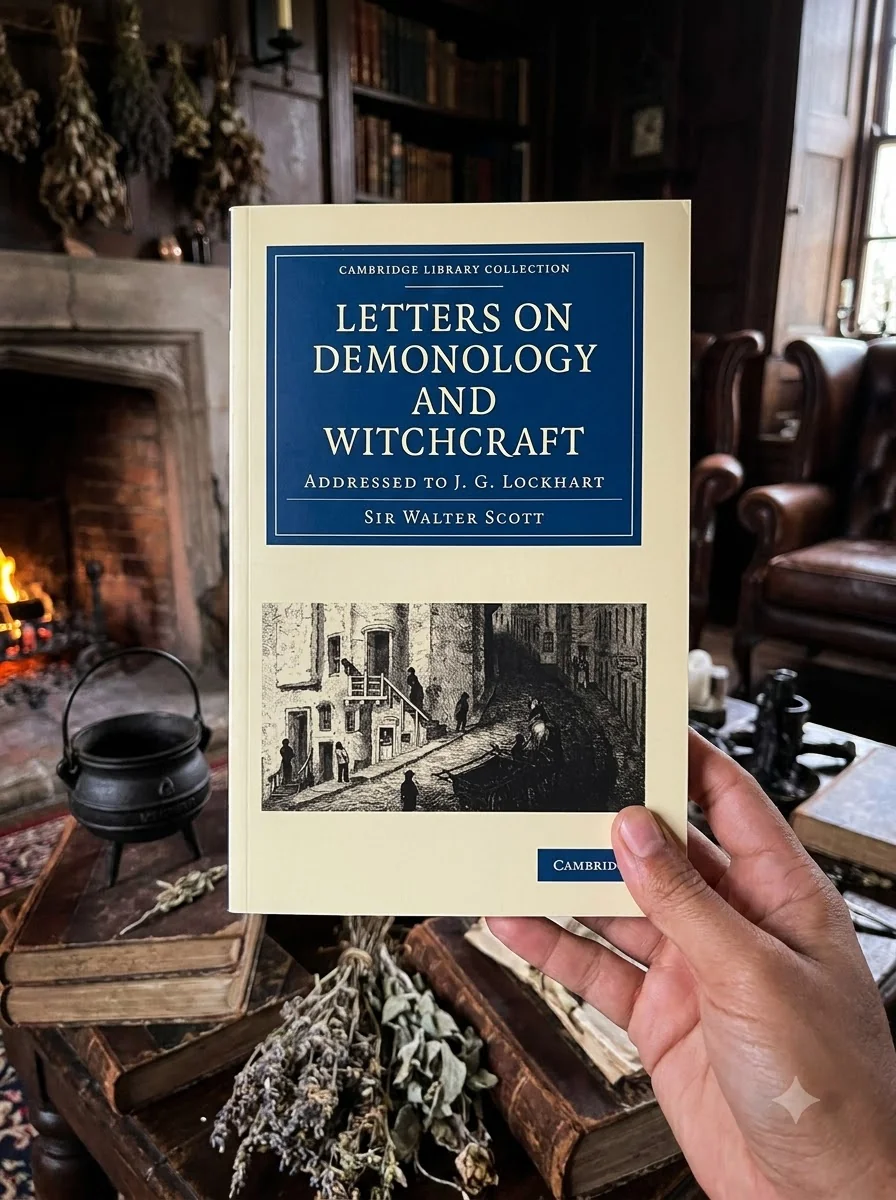
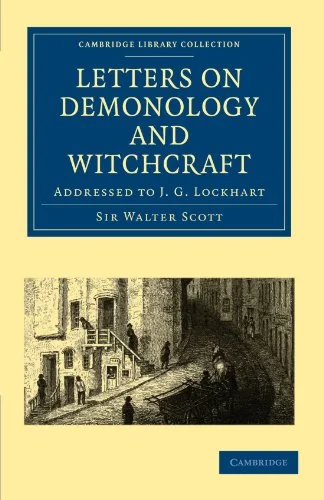
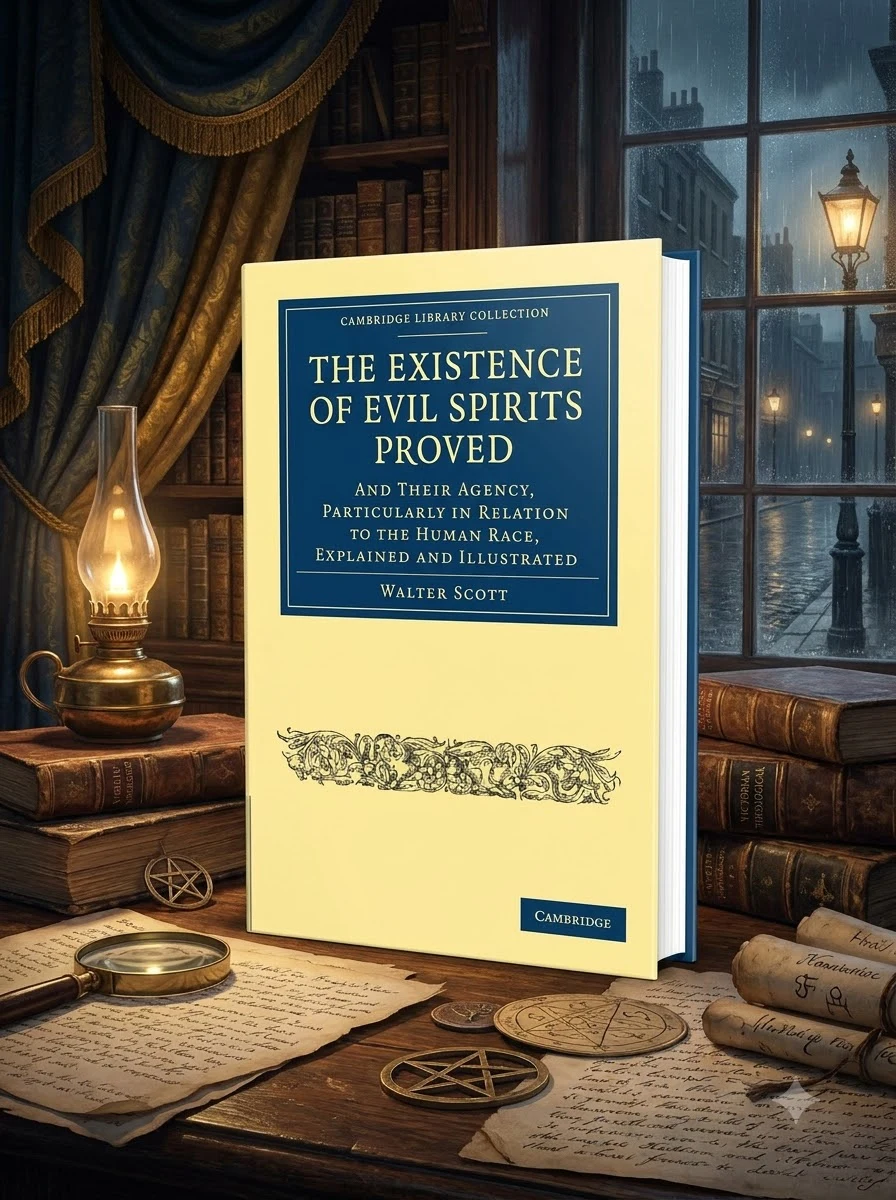
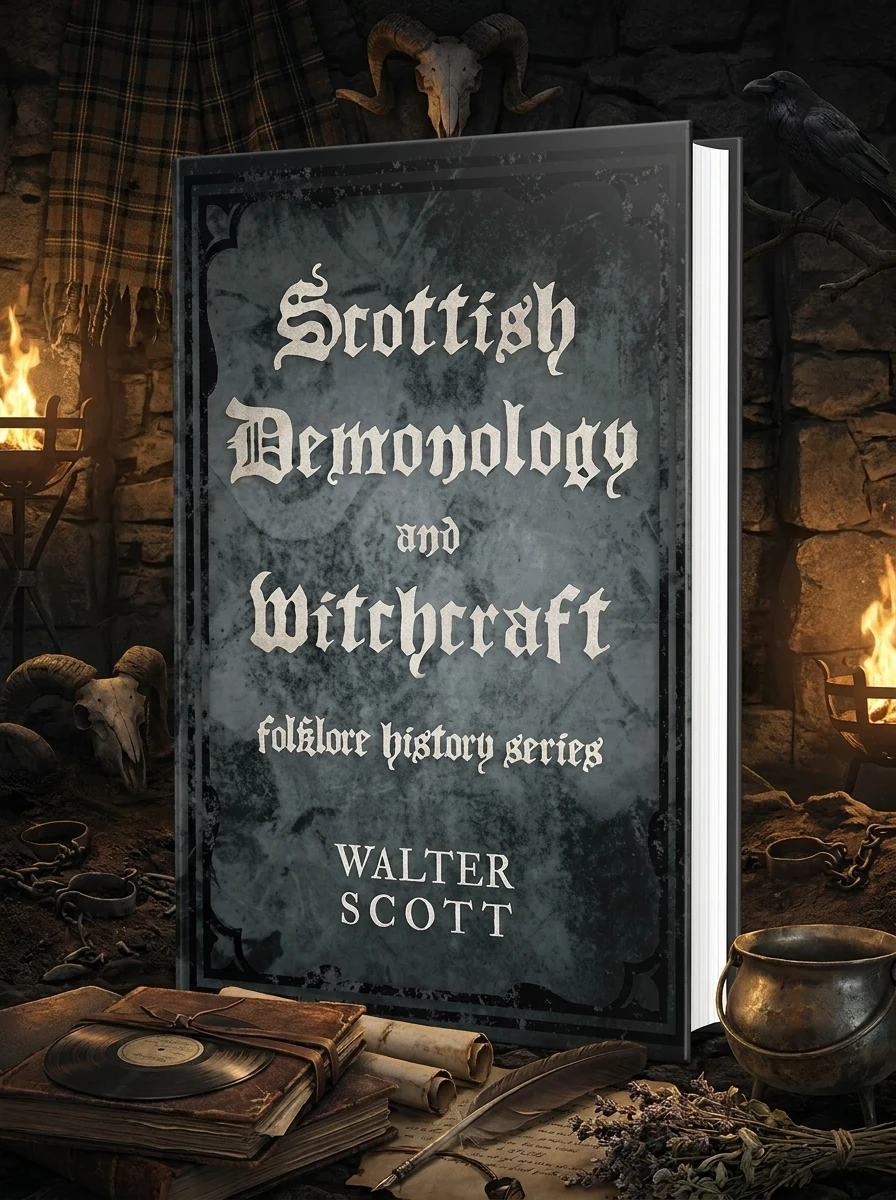
Letters on Demonology and Witchcraft: Addressed to J. G. Lockhart
✍️ Scott, WalterSir Walter Scott's historical examination of European witchcraft, demonology, and spectral illusions.
Sir Walter Scott brings his lifelong fascination with the occult and witchcraft to this series of letters addressed to his son-in-law, J. G. Lockhart. Best known for his classic poetry and historical novels such as Ivanhoe and Rob Roy, Scott composed these comprehensive writings following a severe spell of ill health. The text deeply explores historical perceptions of demonology, spectral illusions, and trials for witchcraft, drawing heavily upon regional lore, literary references, and documented historical accounts from various periods across Europe and Scotland.
Published by Cambridge University Press in 2011, this paperback reissue presents nineteenth century writings by Scottish author Sir Walter Scott (1771 to 1832). It reflects early nineteenth century literary approaches to historical European folklore and judicial records.


📝 Description: Letters on Demonology and Witchcraft: Addressed to J. G. Lockhart
💎 Expert review
📖 Why choose it
Why this book is worth reading
Readers who appreciate the intersection of literary history and occult studies will find this volume particularly rewarding. Sir Walter Scott offers a sophisticated lens through which to view the societal fears and legal battles surrounding witchcraft, making it ideal for those who enjoy historical analysis paired with supernatural themes. It appeals to fans of classic literature who wish to understand the cultural underpinnings of belief in the arcane. The epistolary format provides an intimate look at how a literary titan processed these eerie subjects, offering a rich tapestry of thought that illuminates centuries of superstition without relying on sensationalism.
⭐ Reader reviews
Reader rating
This collection is a fascinating intellectual exercise for those interested in the historical context of demonology and witchcraft. Scott’s analysis is rigorous and culturally insightful, providing valuable context for understanding past societal anxieties. However, it does not suit readers seeking visceral horror stories or practical magical instruction. Those expecting plot-driven narratives or modern occult practices will likely find the academic tone dry and the subject matter too detached from immediate supernatural experience. It is best suited for historians of ideas rather than enthusiasts of active witchcraft.
❓ Frequently asked questions
📖 Who should read this
If you're captivated by the historical intersection of literature and the supernatural, or seek to understand the societal impact of occult beliefs through a master storyteller's lens, this collection offers profound insight into humanity's darker imaginings.
🎯 Key themes and symbolism
Evolution of Occult Beliefs
This work meticulously chronicles how beliefs in demons, witches, and their associated practices have shifted and persisted across various historical periods. Scott explores the societal conditions that fostered such convictions, from ancient superstitions to the infamous witch trials, offering a panoramic view of humanity's engagement with the unseen world.
Literature and Superstition
As a celebrated novelist, Scott brings a unique literary sensibility to the study of the supernatural. He analyzes how these tales and fears have been woven into the fabric of folklore and storytelling, examining their narrative power and psychological impact rather than merely cataloging historical events. It's an author's deep dive into the stories that haunt us.
Reason Versus Folklore
Scott's letters navigate the fascinating tension between emerging Enlightenment rationalism and the deeply entrenched popular beliefs in the occult. He explores how skepticism began to challenge long-held superstitions, yet acknowledges the profound cultural and psychological hold these narratives maintained, even in an increasingly scientific age.
📜 Historical context
📚 Glossary
- Demonology
- Witchcraft
- Epistolary
📔 Questions to reflect on
- How do past beliefs in the supernatural, as described by Scott, continue to influence contemporary fears or cultural narratives?
- Consider how Scott's background as a novelist might shape his interpretation of historical events compared to a strict historian. What unique insights does he bring?
- Reflect on a societal 'superstition' or widely held belief from your own time that, like witchcraft, might be subject to re-evaluation in the future. What are its roots?
📖 Read on the blog
📖 From the series “Cambridge Library Collection - Spiritualism and Esoteric Kno”
All books in the series →


✍️ More books by this author Scott, Walter
All books by this author →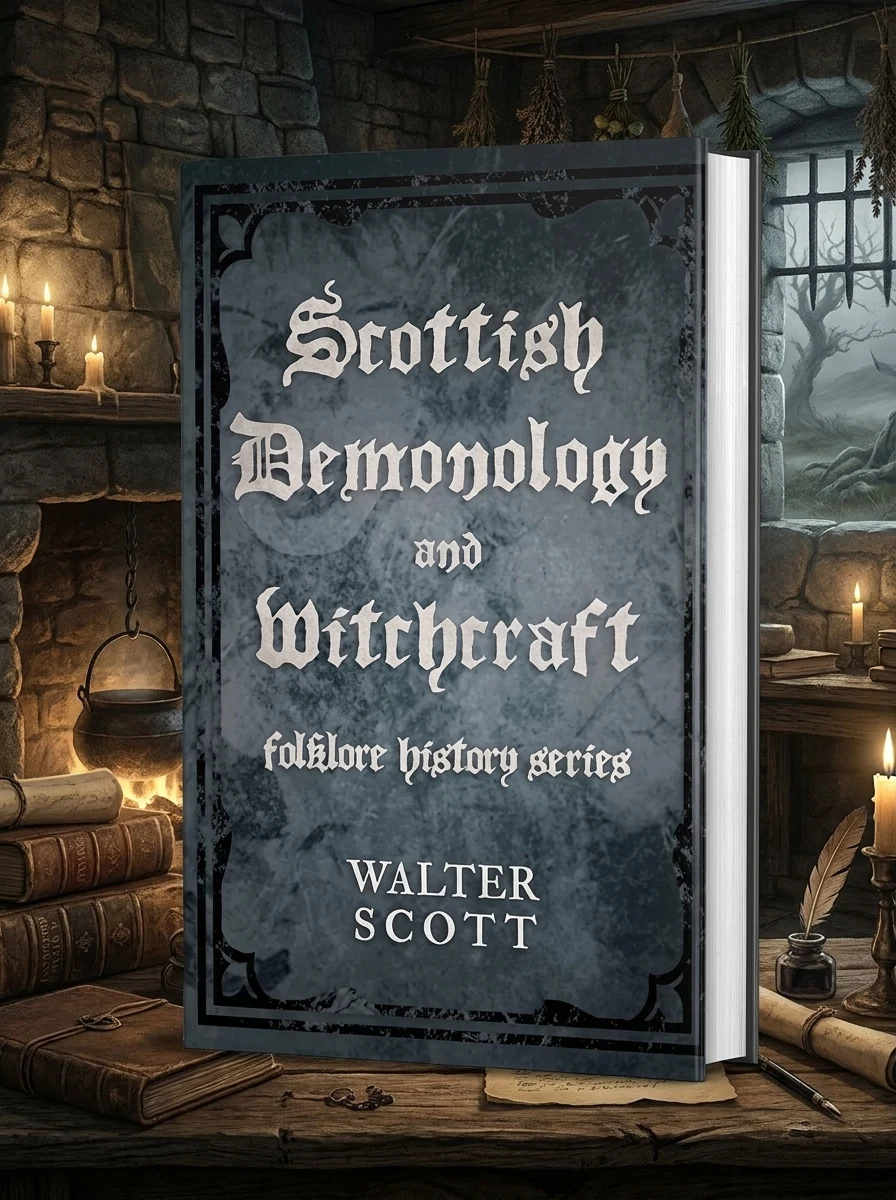
🏛 Books from this publisher Cambridge University Press
All books from this publisher →
You might also like
See more →
Have a question about this item?
Ask about the edition, condition, delivery or anything else — we reply by email or phone, usually within a day.
