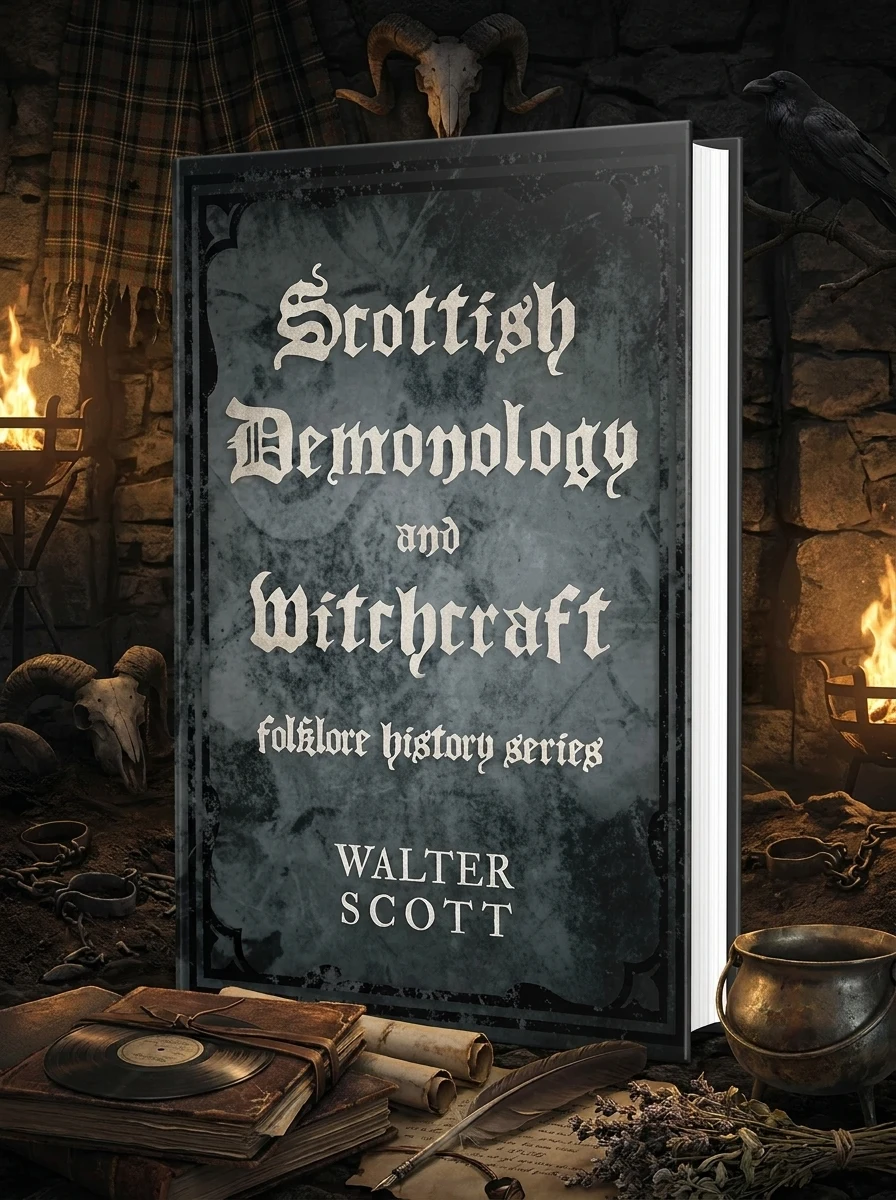
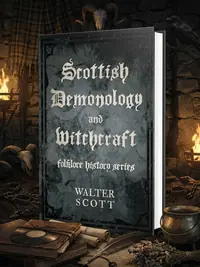
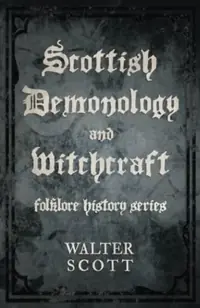
Scottish Demonology and Witchcraft (Folklore History Series) Scott, Walter
Scott, WalterStock reported in the catalog; fulfillment is confirmed with your request.
Unearth the chilling historical accounts of Scotland's dark dance with witchcraft and the demonic.
Journey into the shadowy past of Scotland with Walter Scott's seminal 1830 inquiry into its fervent belief in witchcraft and demonic forces. Drawing upon ancient records and local folklore, Scott meticulously unveils the harrowing narratives of witch trials and alleged supernatural encounters that gripped the nation. This concise yet powerful volume illuminates the societal anxieties and legal frameworks that shaped Scotland's unique and often brutal history of sorcery, offering a crucial glimpse into a truly eerie chapter of human experience.
This work belongs to the early 19th-century literary tradition of exploring national folklore and historical superstitions through a romanticized yet analytical lens. It serves as a bridge between scholarly inquiry into legal frameworks and the popular fascination with the supernatural narratives of Scotland's past.


📝 Description: Scottish Demonology and Witchcraft (Folklore History Series) Scott, Walter
💎 Expert review
📖 Why choose it
Why this book is worth reading
This volume is an essential read for those seeking to understand the deep-rooted societal anxieties that once gripped Scotland. It offers a crucial glimpse into a truly eerie chapter of human experience by meticulously unveiling harrowing narratives of witch trials and alleged supernatural encounters. Readers who appreciate the intersection of legal history and folklore will find value in how Scott uses ancient records to explain the brutal reality of sorcery accusations. It is not merely a collection of spooky stories but a serious inquiry into the fervent beliefs that shaped a nation's identity. By examining the demonic forces and societal fears, this book provides context for historical injustices while satisfying a curiosity about the shadowy past where myth and law violently collided.
⭐ Reader reviews
Reader rating
Walter Scott’s 1830 inquiry remains a seminal text for understanding Scotland’s dark dance with witchcraft, offering a concise yet powerful analysis of demonic forces. The author draws upon ancient records to unveil narratives that gripped the nation, illuminating the legal frameworks behind these fears. However, this book is not suited for readers seeking modern Wiccan practice or fictional horror; it is a historical and sociological study. Those looking for lighthearted folklore or contemporary occult guidance will find its tone too academic and grave. It demands patience with 19th-century prose style and a genuine interest in the brutal history of sorcery accusations rather than entertainment.
❓ Frequently asked questions
📖 Who should read this
If you're captivated by the dark corners of history, the intricate lore of witchcraft, or the societal dynamics behind mass hysteria, this exploration of Scottish demonology is essential reading. It's perfect for understanding the historical reality of magic and fear.
🎯 Key themes and symbolism
Witchcraft Persecution in Scotland
Delves into the historical documents detailing the fervent and often brutal witch trials that swept across Scotland. It examines the accusations, confessions, and punishments, shedding light on the societal paranoia and the legal mechanisms employed against alleged practitioners of magic during a dark era.
Demonic Beliefs and Folklore
Explores the deep-seated cultural beliefs in malevolent spirits and demonic pacts prevalent in 19th-century Scotland. The book chronicles various tales and historical accounts where supernatural entities were believed to manifest, influencing daily life and contributing to the fear that fueled the witch hunts.
Historical Inquiry and Social Impact
Walter Scott's work serves as a pioneering historical investigation into a sensitive subject. It analyzes how beliefs in witchcraft and demonology impacted Scottish society, governance, and the lives of ordinary people, offering a window into the cultural anxieties and intellectual currents of the period.
💬 Quotes from the book
“The annals of our northern land are stained with tales of infernal compacts and spectral visitations, a testament to the pervasive dread that gripped the populace.”
“One cannot but marvel at the intricate web of accusation and confession, often wrung from the most vulnerable, which formed the bedrock of these lamentable proceedings.”
📜 Historical context
📚 Glossary
- Demonology
- Witchcraft
- Sorcery
📔 Questions to reflect on
- How might the prevalent beliefs in demonology and witchcraft in historical Scotland compare to contemporary fears or superstitions in society today?
- Considering the societal pressures and legal systems of the time, how would you evaluate the concept of justice as applied during the Scottish witch trials?
- What does the historical documentation of alleged supernatural presences reveal about human psychology and the interpretation of unexplained phenomena?
📖 From the series “Folklore History”
All books in the series →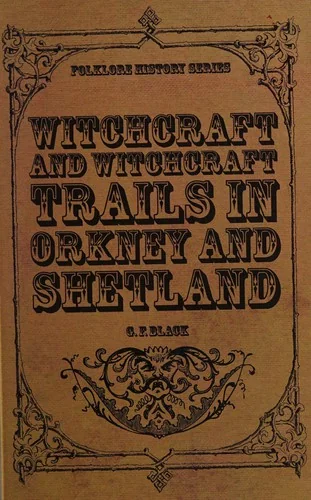
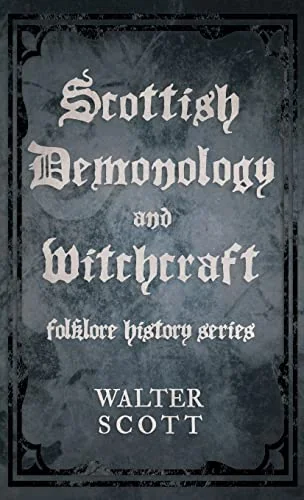
✍️ More books by this author Scott, Walter
All books by this author →
🏛 Books from this publisher Pierides Press
All books from this publisher →You might also like
See more →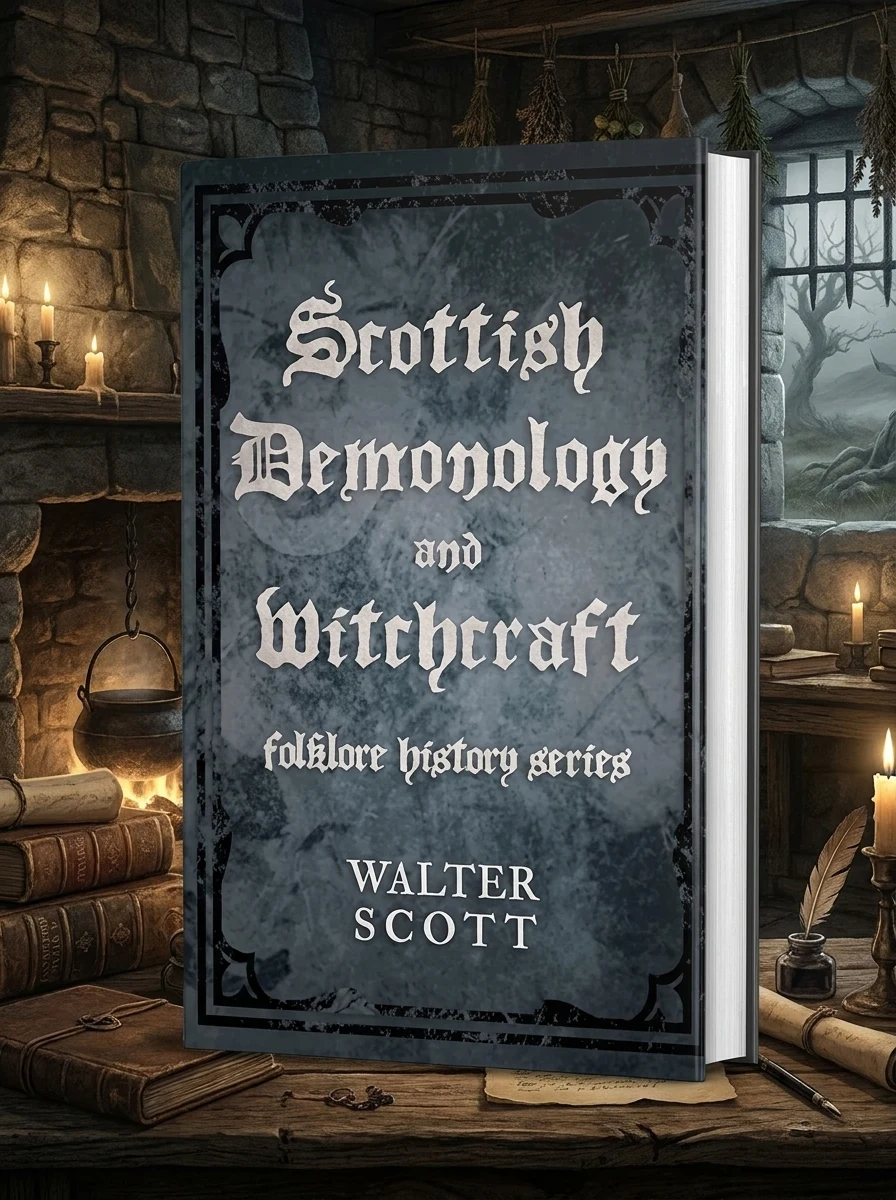
 91
91