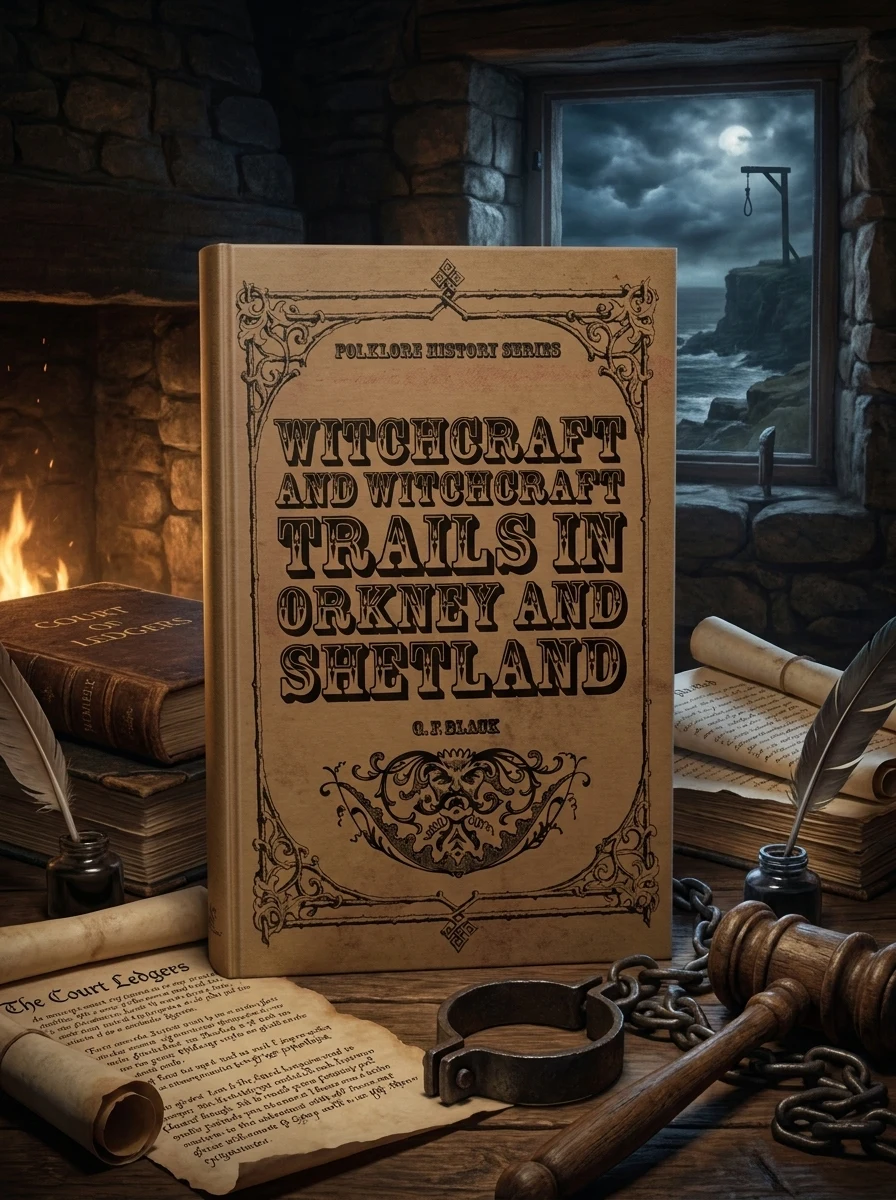
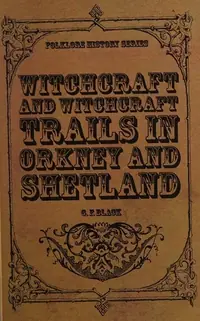
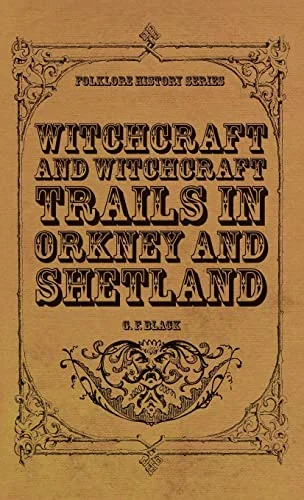
Witchcraft and Witchcraft Trials in Orkney and Shetland (Folklore History Series) Black, G F
Black, G FStock reported in the catalog; fulfillment is confirmed with your request.
Unearth the chilling, stark reality of 17th-century witchcraft accusations in the remote Scottish Isles.
This compelling volume compiles authentic court records from the 1600s, detailing the harrowing witchcraft trials that gripped Orkney and Shetland. Presented in the original local vernacular, it offers an unvarnished look at the accusations, legal proceedings, and brutal sentences meted out to alleged witches. Readers will confront the often-trivial pretexts for arrest and the horrific fates awaiting those found guilty, revealing a dark chapter of societal fear and injustice.
This volume anchors itself within the rich and turbulent tradition of British Isles folklore history, specifically focusing on the regional legal and social frameworks of early modern Scotland. It serves as a vital primary source document for understanding how local vernacular and jurisdiction shaped the persecution of alleged witches in remote island communities during the 17th century.


📝 Description: Witchcraft and Witchcraft Trials in Orkney and Shetland (Folklore History Series) Black, G F
💎 Expert review
📖 Why choose it
Why this book is worth reading
This book is an essential resource for historians, genealogists, and those deeply invested in the specific socio-legal history of the Scottish Isles. Readers who seek to move beyond romanticized notions of witchcraft will find immense value in its unvarnished presentation of authentic court records. It offers a stark, unfiltered look at the trivial pretexts used for arrest and the brutal realities of 17th-century justice. By preserving the original local vernacular, it provides an immersive experience into the mindset and language of the accusers and accused alike. Those interested in the intersection of law, fear, and societal injustice will gain a profound understanding of this dark chapter, making it indispensable for serious academic or dedicated amateur historical research.
⭐ Reader reviews
Reader rating
G.F. Black’s compilation is a gritty, unvarnished document that prioritizes historical accuracy over narrative comfort. It is strictly for readers prepared to engage with dense, original vernacular court records without the cushion of modern translation or romantic embellishment. This volume will likely frustrate those seeking a quick read, a sympathetic narrative, or a focus on magical practice rather than legal procedure. The stark reality of brutal sentences and trivial accusations may be too harsh for casual enthusiasts of occult history who prefer atmospheric storytelling over judicial dryness. It is not suitable for readers expecting analysis or commentary; it stands solely as a raw archive of fear and injustice.
❓ Frequently asked questions
📖 Who should read this
If you're drawn to the raw, unvarnished history of witchcraft, legal abuses, or the unique cultural heritage of Scotland's northern islands, this primary source collection offers profound, albeit somber, insights into a dark chapter of human history.
🎯 Key themes and symbolism
Judicial Perversion & Fear
This collection starkly illustrates how legal processes were twisted by public paranoia. It documents how minor grievances or local superstitions escalated into formal charges, revealing devastating impacts. Due process was often absent, and the pursuit of truth overshadowed by a climate of terror, offering a chilling look at historical injustice.
Regional History & Dialect
Beyond the legal proceedings, the book offers a unique window into the cultural landscape of Orkney and Shetland. By preserving the original local dialect within these court transcripts, it provides invaluable linguistic insight. It captures the distinct character of these island communities during intense social upheaval, enriching historical understanding.
Human Cruelty & Persecution
The accounts within lay bare the depths of human cruelty and the tragic consequences of mass hysteria. It catalogs not only the accusations but also the severe, often barbaric, punishments inflicted upon the accused. This serves as a powerful reminder of historical persecution of marginalized individuals under the guise of flawed justice and societal fear.
💬 Quotes from the book
“Accused before the Kirk Session, Bessie of having caused the neighbour's cow to sicken by her evil eye and maleficence, as sworn by divers witnesses.”
“After due examination and confession extracted under duress, the accused was found guilty of compacting with the Devil, and sentenced to be strangled and thereafter burned.”
📜 Historical context
📚 Glossary
- Orkney
- Shetland
- Witchcraft Trials
📔 Questions to reflect on
- How do these historical accounts challenge or confirm your existing perceptions of witchcraft and justice in the past?
- Reflect on the role of community fear and societal pressure in perpetuating these trials. What parallels, if any, can you draw to modern forms of persecution?
- Consider the impact of documenting such harrowing events in their original dialect. How does this preservation deepen our understanding of the historical narrative?
📖 From the series “Folklore History”
All books in the series →
✍️ More books by this author Black, G F
All books by this author →🏛 Books from this publisher Bronson Press
All books from this publisher →You might also like
See more →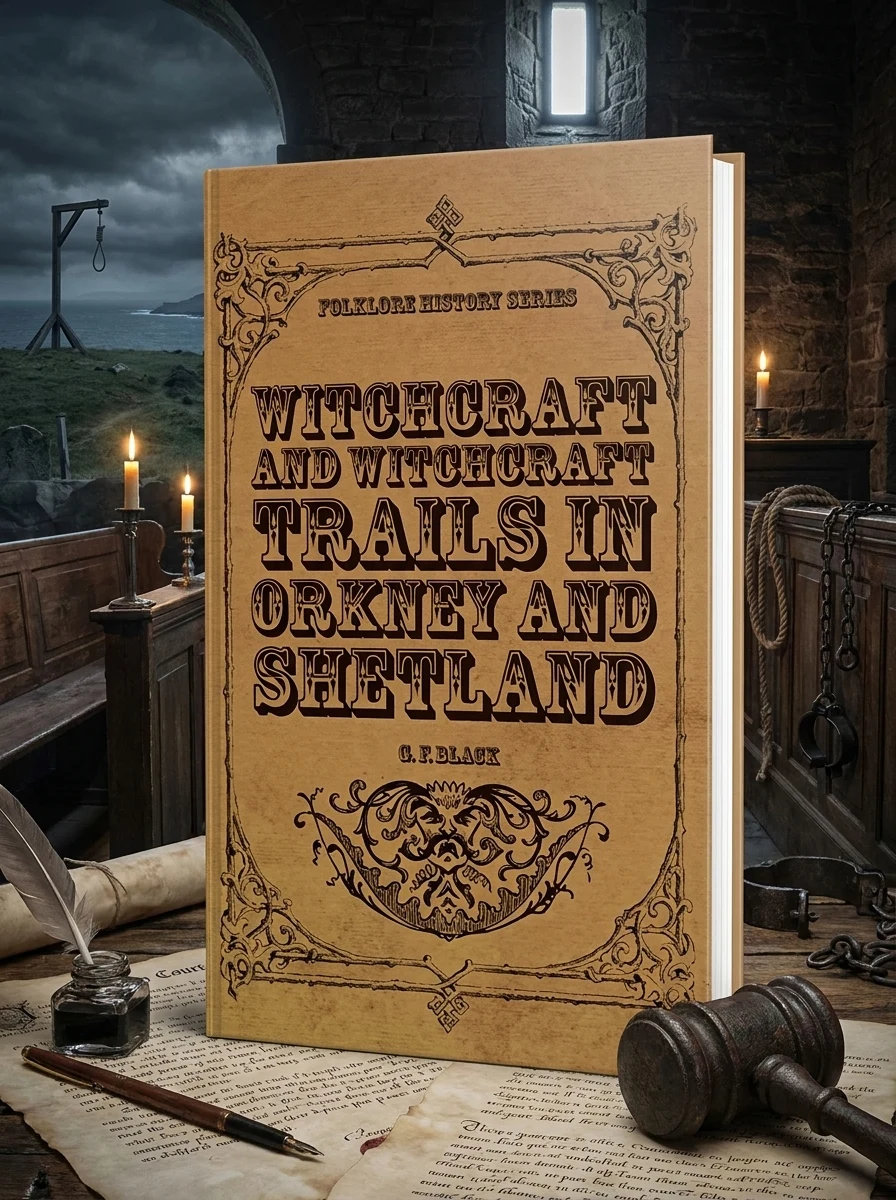


 91
91