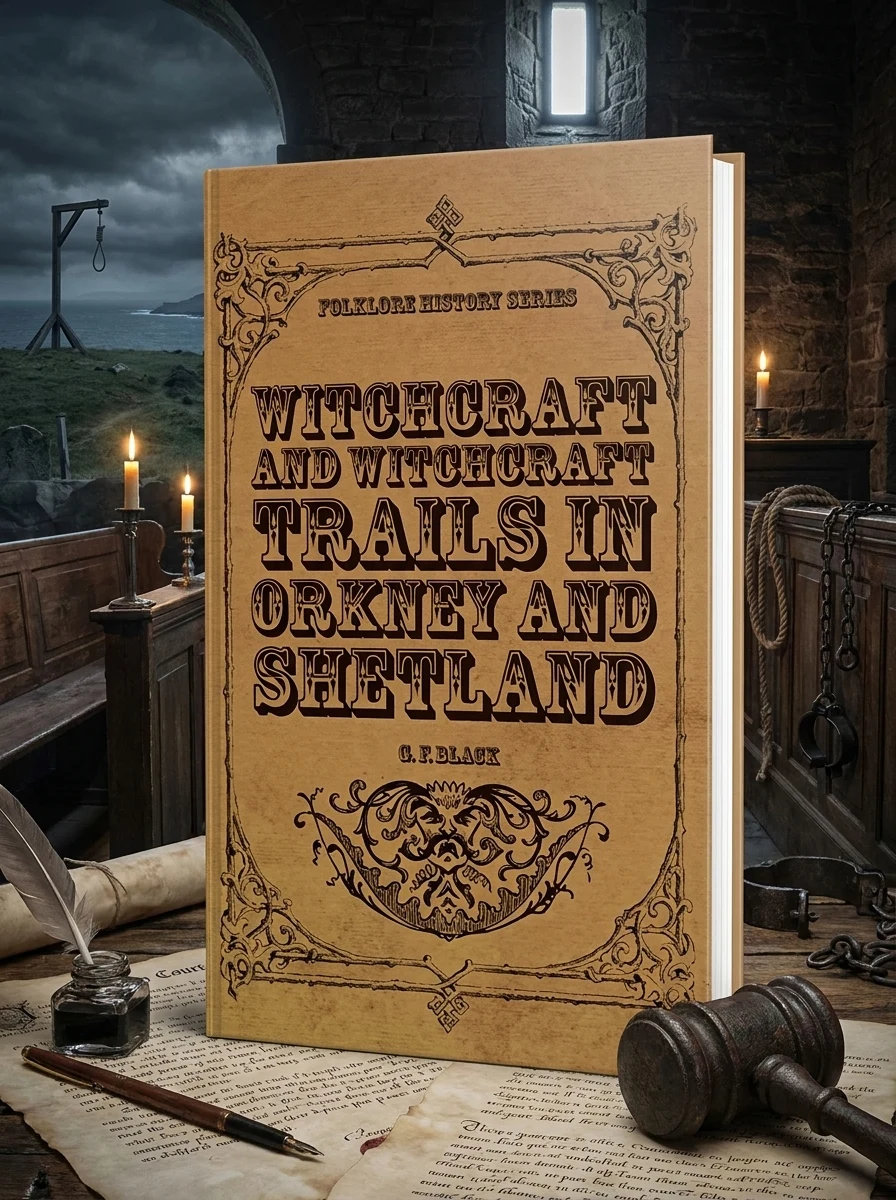
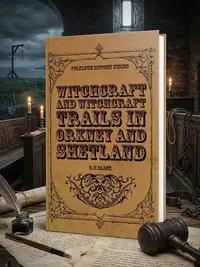
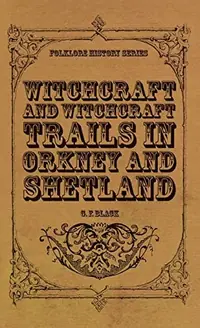
Witchcraft and Witchcraft Trials in Orkney and Shetland (Folklore History Series) Black, G F
Black, G FStock reported in the catalog; fulfillment is confirmed with your request.
Uncover the chilling reality of 17th-century witch hunts through their own harrowing legal records.
Delve into the stark historical reality of witchcraft accusations with this unique compilation of 17th-century court transcripts from the remote Scottish Isles of Orkney and Shetland. Penned in the original local vernacular, this volume meticulously chronicles the interrogations and fates of individuals—both men and women—ensnared in the era's pervasive fear. It lays bare the often-trivial pretexts that led to charges of maleficium, culminating in the brutal punishments endured by those deemed guilty. An unvarnished look at a dark chapter in folklore and legal history.
This volume anchors itself in the specific regional folklore history of the Scottish Isles, preserving the vernacular records of 17th-century legal proceedings. It serves as a primary source document within the broader tradition of historical occult studies and local heritage preservation.


📝 Description: Witchcraft and Witchcraft Trials in Orkney and Shetland (Folklore History Series) Black, G F
💎 Expert review
📖 Why choose it
Why this book is worth reading
This book is an essential resource for historians, folklorists, and those deeply interested in the grim realities of early modern European witchcraft trials. Readers who value unvarnished historical truth over sensationalized fiction will gain profound insight into the legal mechanisms and social fears of 17th-century Orkney and Shetland. By presenting original court transcripts in their local vernacular, the text offers an authentic, harrowing glimpse into the lives of those accused, revealing how trivial pretexts could lead to brutal punishments. It is ideal for scholars seeking primary data on maleficium charges and individuals fascinated by the intersection of law, religion, and folklore in remote Scottish communities.
⭐ Reader reviews
Reader rating
Black’s compilation provides a stark, unflinching look at 17th-century witch trials through original legal records from Orkney and Shetland. While valuable for its historical accuracy and preservation of local vernacular, this work is not suited for readers seeking narrative entertainment or modern Wiccan practice guides. The dense nature of court transcripts and the grim subject matter may overwhelm those expecting a lighter folklore collection. It is strictly for academic or dedicated historical enthusiasts willing to engage with harrowing primary sources rather than accessible summaries.
❓ Frequently asked questions
📖 Who should read this
If you seek an unflinching, primary source account of the witch hunt era, this volume is indispensable. Historians, folklorists, and anyone fascinated by the grim realities of 17th-century social justice and the human cost of mass hysteria will find its contents profoundly affecting.
🎯 Key themes and symbolism
Witchcraft Trials & Justice
This collection offers an unvarnished view of the legal proceedings against accused witches. It exposes the biases, the flimsy evidence, and the often predetermined outcomes that characterized 17th-century justice, revealing how societal fear translated into formal accusations and severe penalties.
Social Fear & Accusation
Explore the fabric of community suspicion in the Orkney and Shetland Isles. The documents illuminate how everyday disputes or misfortunes could quickly escalate into charges of maleficium, shedding light on the psychological and social mechanisms that fueled widespread accusations against ordinary people.
Historical Folklore & Belief
Beyond the legal ramifications, these records provide a rare glimpse into local magical beliefs and folk practices of the period. They inadvertently preserve details of superstitions, perceived harms, and the cultural landscape that underpinned the era's understanding of witchcraft, offering rich material for folklorists.
💬 Quotes from the book
“'...and the said Isobel Gowdie, being interrogated, did confess that she did by incantation cause the cow to sicken and die, for which she sought pardon of God.'”
“'...and for her most grievous and damnable sorcery, the said Agnes Cormack shall be taken to the place of execution, there to be strangled at a stake, and thereafter her body to be burned to ashes.'”
📜 Historical context
📚 Glossary
- Maleficium
- Assize
- Kirk Session
📔 Questions to reflect on
- How do these 17th-century accusations of witchcraft resonate with modern-day instances of social panic or scapegoating in your own understanding of history?
- Considering the 'trivial actions' that often led to severe punishments, what does this collection reveal about the nature of justice and truth in historical contexts?
- If you were a resident of Orkney or Shetland during this period, how might you have navigated the pervasive fear and suspicion to protect yourself or your community?
📖 From the series “Folklore History”
All books in the series →
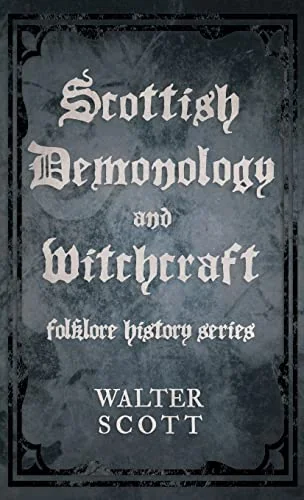
✍️ More books by this author Black, G F
All books by this author →🏛 Books from this publisher Bronson Press
All books from this publisher →You might also like
See more →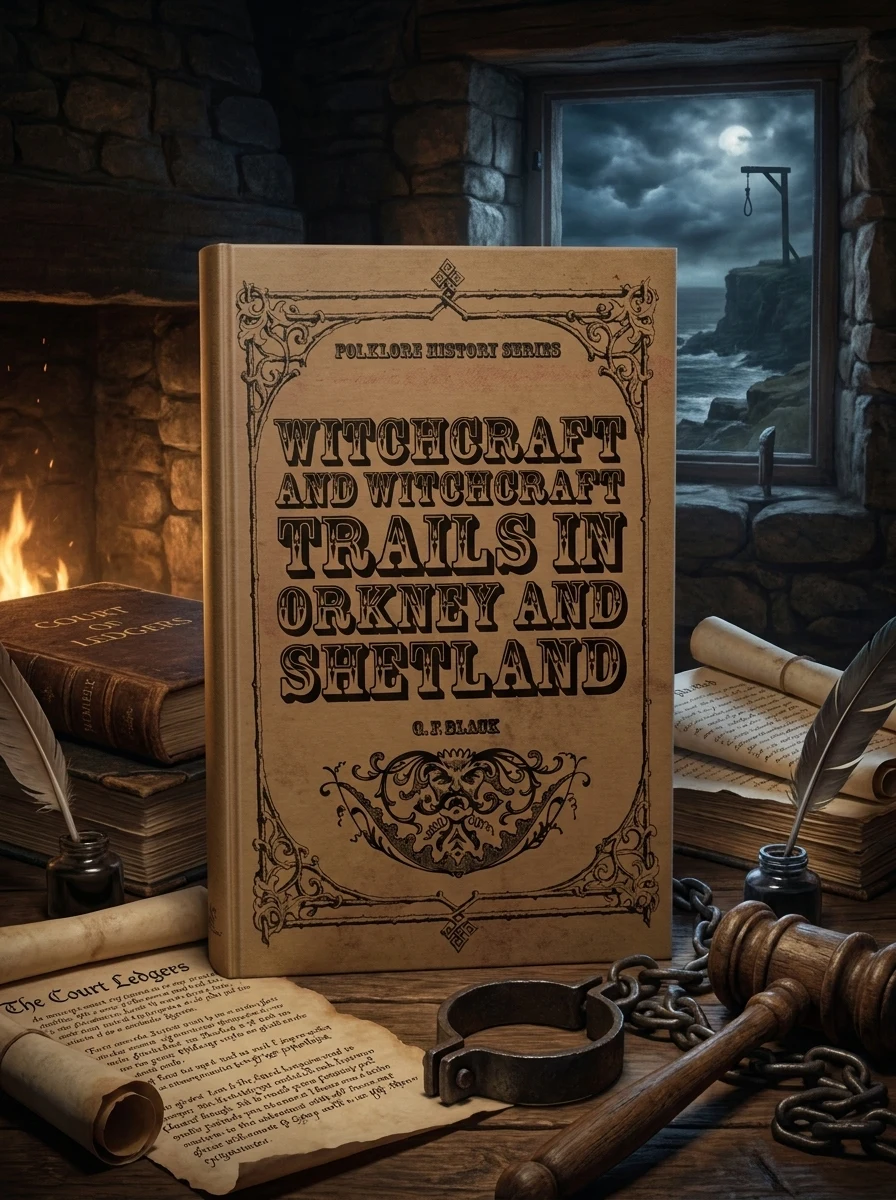
 91
91
 91
91