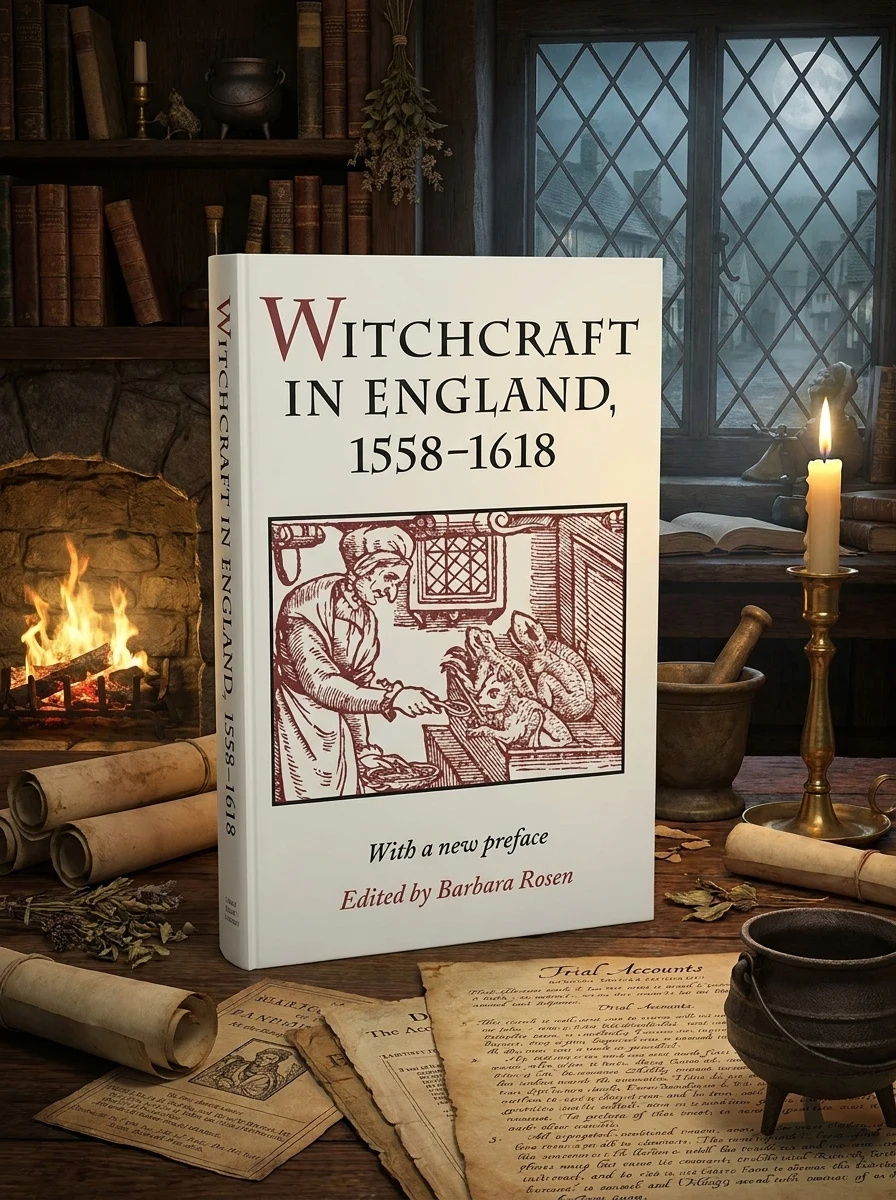
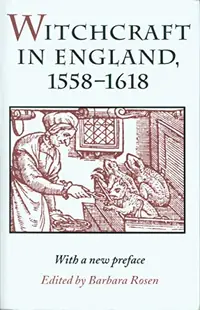
Witchcraft in England, 1558-1618 (With a New Preface) Rosen, Barbara
This edition can be ordered. No arrival date is confirmed.
Unearth the raw, chilling accounts of witchcraft accusations and trials in Elizabethan England.
Barbara Rosen's "Witchcraft in England, 1558-1618" compiles a crucial collection of primary documents concerning witchcraft in late 16th and early 17th century England. It offers direct insights into how witchcraft was perceived, prosecuted, and punished during the Elizabethan and Jacobean eras. Rosen's introductory analysis elucidates the societal factors, scientific misunderstandings, and religious doctrines that fueled these beliefs. The book also distinguishes between English and Continental magical practices, detailing the legal frameworks applied to accused individuals like witches, cunning folk, and conjurers. This volume makes historical texts accessible while preserving scholarly integrity.
This work anchors itself in the historiography of early modern European magic, specifically focusing on the legal and social dynamics of late Tudor and Stuart England. It serves as a primary source compilation that bridges the gap between academic historical analysis and accessible archival material regarding Elizabethan and Jacobean witchcraft trials.


📝 Description: Witchcraft in England, 1558-1618 (With a New Preface) Rosen, Barbara
💎 Expert review
📖 Why choose it
Why this book is worth reading
Scholars and history enthusiasts will find immense value in this volume for its careful curation of primary documents that reveal the raw reality of Elizabethan and Jacobean witchcraft accusations. Barbara Rosen provides essential context, helping readers navigate the complex interplay between religious doctrine, scientific misunderstanding, and legal frameworks that defined the era. By distinguishing between the practices of witches, cunning folk, and conjurers, the book offers a nuanced view of societal fears and prosecutions. It is ideal for those seeking to understand the specific English experience of witchcraft, separate from Continental trends, while maintaining scholarly integrity without sacrificing accessibility. This text empowers readers to engage directly with historical voices and legal records, fostering a deeper comprehension of how these beliefs were perceived, prosecuted, and punished during this pivotal period in English history.
⭐ Reader reviews
Reader rating
Rosen’s compilation is a vital resource for understanding the specific legal and social mechanics of witchcraft accusations in England between 1558 and 1618. The inclusion of primary documents alongside analytical introduction makes it indispensable for serious study. However, readers seeking sensationalist ghost stories or fictionalized narratives should look elsewhere; this is a rigorous historical work grounded in archival evidence. It may also feel dense to those unfamiliar with early modern legal terminology or the specific nuances of English common law versus Continental witch-hunting practices. The book does not offer easy answers or moral simplifications, requiring patience and an interest in socio-legal history rather than supernatural intrigue.
❓ Frequently asked questions
📖 Who should read this
If you're fascinated by the dark corners of English history, the societal impact of superstition, or the legal evolution surrounding alleged magical practices, this book is essential. It offers a direct portal to understanding the fear and fervor surrounding witchcraft in a pivotal era.
🎯 Key themes and symbolism
Historical Witchcraft Perceptions
Delve into how people understood and interpreted witchcraft during the Elizabethan and Jacobean periods. Explore the complex interplay of societal anxieties, medical ignorance, and prevailing religious thought that shaped beliefs about magic and its practitioners, providing context for the collected historical accounts.
Legal & Social Ramifications
Examine the judicial processes, punishments, and social ostracism faced by those accused of witchcraft. This section highlights the distinct legal definitions and disciplinary measures applied to "wizards," "witches," and "wise women" within the English legal system, contrasting them with broader European practices.
Primary Source Immersion
Experience the raw narratives directly through a curated selection of original documents. This collection includes pamphlets, court records, and various reports, offering an unfiltered glimpse into the accusations, testimonies, and outcomes of witchcraft trials, modernized for readability while retaining historical accuracy.
💬 Quotes from the book
“And further, that the said woman did, by her devilish and wicked arts, bewitch sundry persons, causing great torment and grievous sickness amongst them, and also did destroy the cattle of her neighbours.”
“Upon examination, the accused did confess to having discourse with a familiar spirit in the shape of a cat, which did bid her to do mischief upon her enemies.”
📜 Historical context
📚 Glossary
- Jacobean Era
- Cunning Folk
- Pamphlets
📔 Questions to reflect on
- How do the primary accounts in this collection challenge or confirm your preconceived notions about witchcraft in historical England?
- Consider the role of fear and community dynamics in the accusations documented. How might similar social pressures manifest in contemporary society?
- Reflect on the legal processes described. What parallels or stark differences do you observe with modern justice systems, particularly regarding evidence and testimony?
🏛 Books from this publisher University of Massachusetts Press
All books from this publisher →
You might also like
See more →
 91
91
 91
91