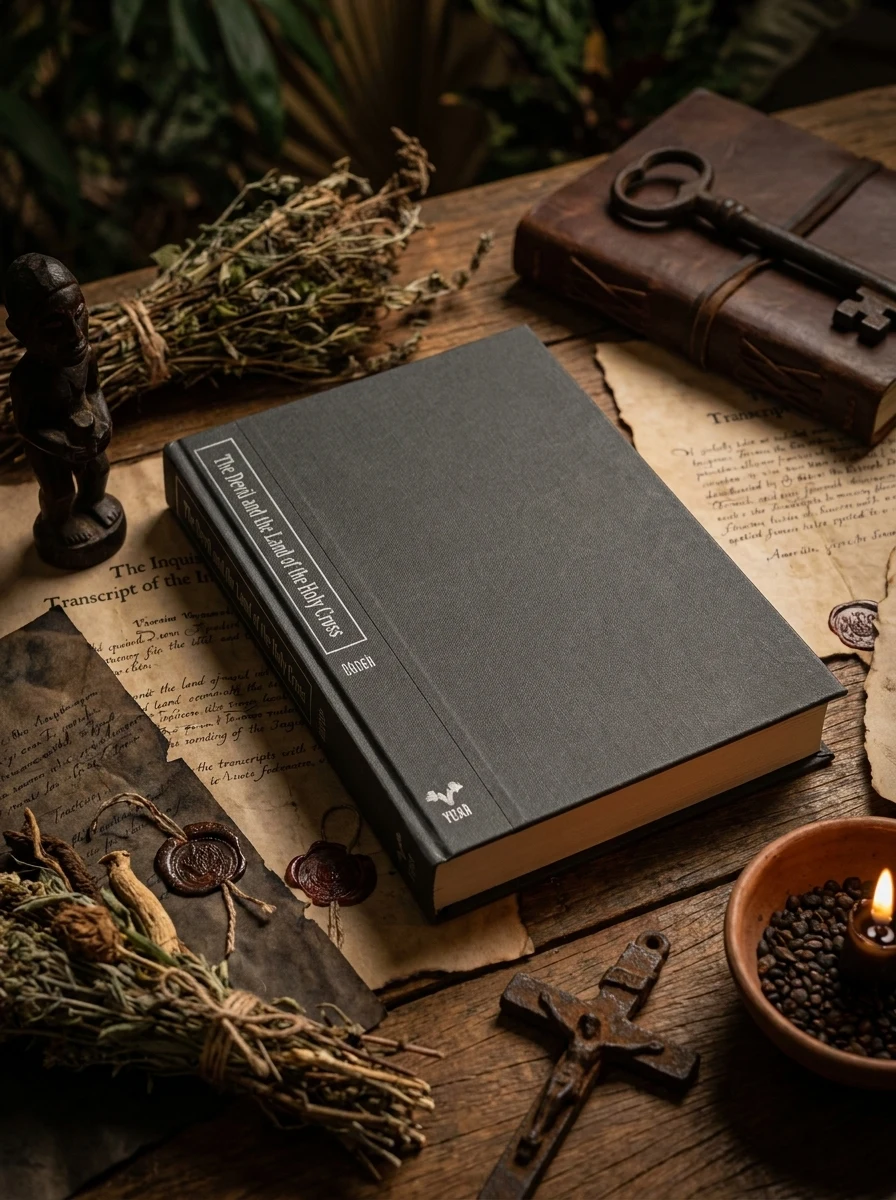
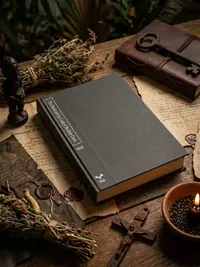
The Devil and the Land of the Holy Cross: Witchcraft, Slavery, and Popular Religion in Colonial Brazil (Univ of Texas PR) Souza, Laura De Mello E
Stock reported in the catalog; fulfillment is confirmed with your request.
Unearth the dark alchemy of colonial Brazil where saints, spirits, and the devil danced in the shadows.
This groundbreaking work dissects the volatile intersection of witchcraft, slavery, and faith in colonial Brazil. By scrutinizing Inquisition trial records, the author reveals how Portuguese, Indigenous, and African spiritualities collided to forge a unique syncretic magic. The text explores how the Church framed the colony as a demonic purgatory, while enslaved and free populations wove their diverse traditions into a resilient, magical worldview. It is a vital study of cultural fusion and religious resistance.
This scholarly volume belongs to the tradition of colonial Latin American history and religious studies, specifically examining the syncretic intersections of African, Indigenous, and Portuguese spiritualities during the era of slavery in Brazil. It sits within the broader academic discourse on how marginalized populations utilized esoteric practices as forms of cultural resistance and identity formation under colonial oppression.


📝 Description: The Devil and the Land of the Holy Cross: Witchcraft, Slavery, and Popular Religion in Colonial Brazil (Univ of Texas PR) Souza, Laura De Mello E
💎 Expert review
📖 Why choose it
Why this book is worth reading
Scholars and enthusiasts of colonial history, religious syncretism, and the African diaspora will find this text indispensable. It offers a profound look at how enslaved and free individuals navigated the oppressive theological landscape of colonial Brazil by blending diverse spiritual traditions into a resilient magical worldview. Readers interested in the mechanics of cultural fusion, the psychological impact of Inquisition trials, and the complex dynamics between demonic framing and religious resistance will gain significant insight into how spirituality served as both a site of conflict and a tool for survival in a volatile colonial society.
⭐ Reader reviews
Reader rating
I've read excerpts online before, but having the full text is different. Some sections stopped me cold in the best way. Every rereading turns up something I missed. Will be gifting a copy to a friend.
Was skeptical at first. It rewards patience more than any book I've bought this year. A keeper.
Exactly what I was looking for. Every rereading turns up something I missed. There's real depth here that reveals itself on a second reading.
Been hunting for a decent copy of this text for ages. Not a light read, but far more accessible than I feared. Challenging in places, but never needlessly obscure. Five stars from me.
De Mello Souza’s work is a rigorous academic dissection rather than a casual read. It demands patience from readers seeking narrative flair, as it relies heavily on scrutinizing Inquisition trial records to map the collision of Portuguese, Indigenous, and African beliefs. It does not suit those looking for accessible Wiccan practice guides or light historical fiction; instead, it targets those willing to engage with dense analysis of how the Church framed the colony as a demonic purgatory. While essential for understanding the roots of Brazilian esotericism, its scholarly tone may alienate readers preferring immediate, plot-driven storytelling over sociological and theological critique.
❓ Frequently asked questions
📖 Who should read this
Readers fascinated by colonial history, the sociology of religion, and the history of magic will find this essential. It is ideal for those interested in how power structures shape spiritual expression and how marginalized groups preserve identity through esoteric practice.
🎯 Key themes and symbolism
Syncretic Witchcraft
The book details how distinct European, Indigenous, and African magical practices merged. Rather than erasing differences, colonial life forced these traditions to blend, creating a new, hybrid form of sorcery that defied strict ecclesiastical categorization and served the community's needs.
Inquisitorial Fear
It examines how the Inquisition utilized the concept of the 'Devil' to maintain control. By framing the colony as a place of sin and demonic opportunity, authorities justified harsh surveillance, turning spiritual diversity into evidence of heresy and moral decay.
Colonial Purgatory
The author argues that both the Church and the colonists viewed Brazil as a spiritual wasteland. This perception of the land as inherently cursed or purgatorial influenced how magic was practiced, viewed as both a dangerous threat and a necessary tool for survival.
💬 Quotes from the book
“The colony was viewed as a purgatory where the Devil had wide opportunities.”
“European traditions combined with Indian and African practices to form a uniquely Brazilian set of beliefs.”
📜 Historical context
📚 Glossary
- Syncretism
- Inquisition
- Purgatory
📔 Questions to reflect on
- How might your own spiritual beliefs be shaped by the cultures around you?
- In what ways do you think fear influences the definition of 'normal' religion?
- Consider a time when you had to blend different traditions to survive or thrive. How did that change you?
🏛 Books from this publisher University of Texas Press
All books from this publisher →
You might also like
See more →
 91
91
 91
91