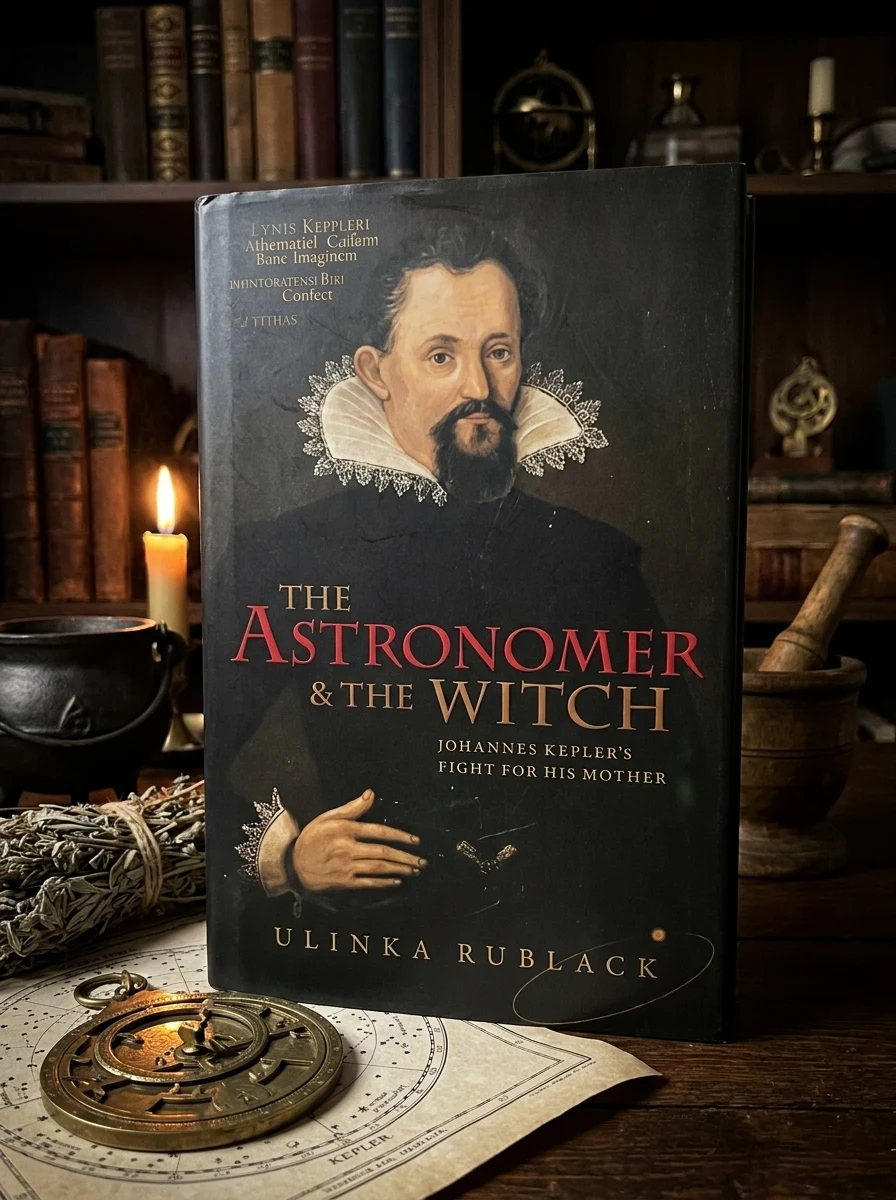
The Astronomer and the Witch: Johannes Kepler's Fight for His Mother
Rublack, UlinkaStock reported in the catalog; fulfillment is confirmed with your request.
A scientific titan's desperate fight to save his mother from the gallows of a witch trial.
Step into the tumultuous 17th century with this gripping account of Johannes Kepler, the celebrated astronomer, as he confronts the darkest superstitions of his age. While Kepler was revolutionizing our understanding of the cosmos, his widowed mother, Katharina, faced accusations of witchcraft. This meticulously researched narrative plunges into the six-year legal battle where Kepler, at the peak of his career, took on her defense. It's a profound family drama set against a backdrop of religious strife and the dawn of scientific inquiry, illuminating a pivotal era in European history.
This work sits at the intersection of scientific history and legal anthropology, exploring the tense transition from medieval superstition to early modern rational inquiry in seventeenth-century Europe.


📝 Description: The Astronomer and the Witch: Johannes Kepler's Fight for His Mother
💎 Expert review
📖 Why choose it
Why this book is worth reading
You should read this book if you are fascinated by the human side of scientific giants and the terrifying reality of historical justice. It offers a profound look at how intellectual prowess clashes with grassroots hysteria. Readers who appreciate detailed legal dramas will find Kepler’s desperate six-year battle compelling. It is essential for those wanting to understand the personal costs of the Enlightenment's dawn. The narrative highlights the emotional weight on a family torn by religious strife and fear. If you value meticulous research that illuminates pivotal historical shifts, this account provides a necessary perspective on how science and superstition coexisted in a single lifetime.
⭐ Reader reviews
Reader rating
Rublack delivers a meticulously researched narrative that effectively bridges the gap between astronomical history and social history. The focus on Katharina’s trial provides a stark, grounding counterpoint to Kepler’s cosmic theories. However, readers seeking fast-paced adventure or broad general histories may find the dense legal details tedious. It is not suitable for those who prefer simplified accounts of scientific progress without the messy human context. This book demands patience but rewards it with deep insight into early modern European life and the specific mechanisms of witchcraft accusations during a time of profound religious change.
❓ Frequently asked questions
📖 Who should read this
If you're fascinated by the human drama behind scientific breakthroughs, the clash of old and new paradigms, or the chilling history of witchcraft trials, this book is essential. It offers a unique lens through which to view one of history's most pivotal centuries.
🎯 Key themes and symbolism
Reason vs. Superstition
The book brilliantly contrasts Kepler's groundbreaking astronomical discoveries with the pervasive fear of witchcraft in his era. It explores how a mind dedicated to rational inquiry was forced to engage with accusations rooted in ancient beliefs, showcasing the uneasy transition from a world of magic to one governed by scientific principles.
Filial Devotion Under Duress
At its heart, this is a deeply personal story of a son's unwavering commitment to his mother. The narrative details Kepler's arduous, multi-year defense, revealing the emotional and intellectual toll of fighting for a loved one against a system steeped in prejudice and fear, even for a figure of his stature.
17th-Century European Society
Rublack paints a vivid picture of a small Lutheran community in Central Europe during a period of immense upheaval. Readers gain insight into the social dynamics, religious tensions following the Reformation, and the political instability leading up to the Thirty Years' War, all of which influenced the witchcraft proceedings.
💬 Quotes from the book
“The celestial dance he meticulously charted offered no solace against the earthly whispers of malefic magic that threatened his own blood.”
“To defend her was to stand at the precipice of his own modern worldview, battling not just accusations, but an entire world clinging to shadows.”
📜 Historical context
📚 Glossary
- Scientific Revolution
- Copernican Universe
- Witch Trial
📔 Questions to reflect on
- Consider how the prevailing beliefs of Kepler's time shaped justice. What role does societal consensus play in defining 'truth' even today?
- Reflect on Kepler's dedication to his mother. How might personal loyalty influence one's public or professional life when faced with profound injustice?
- In what ways do remnants of superstition or irrational fear persist in contemporary society, even amidst advanced scientific understanding?
✍️ More books by this author Rublack, Ulinka
All books by this author →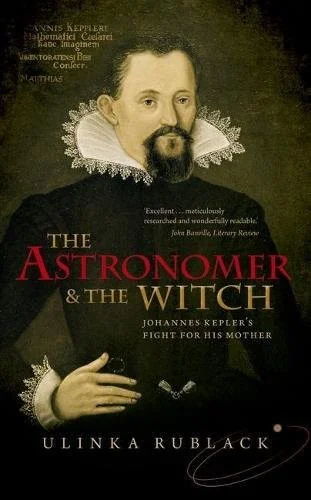
You might also like
See more →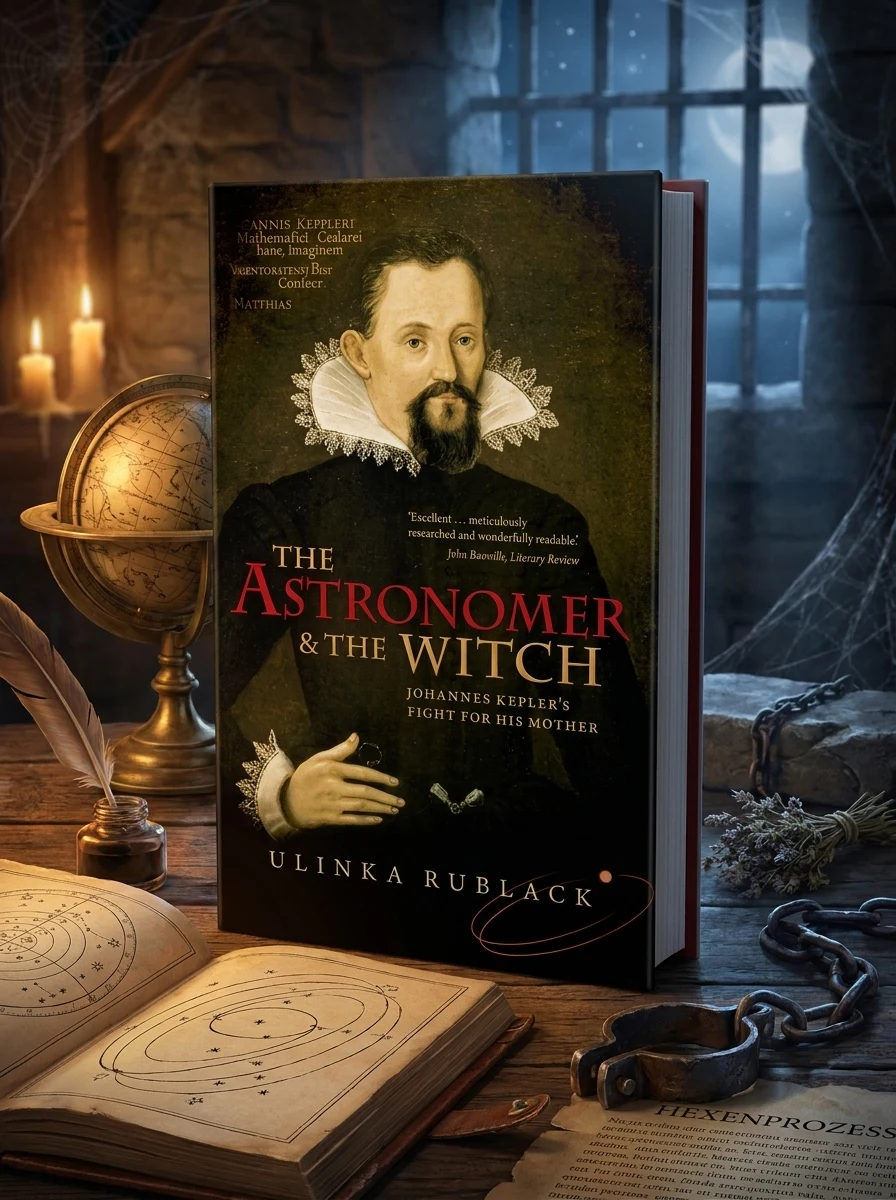





 91
91

 91
91