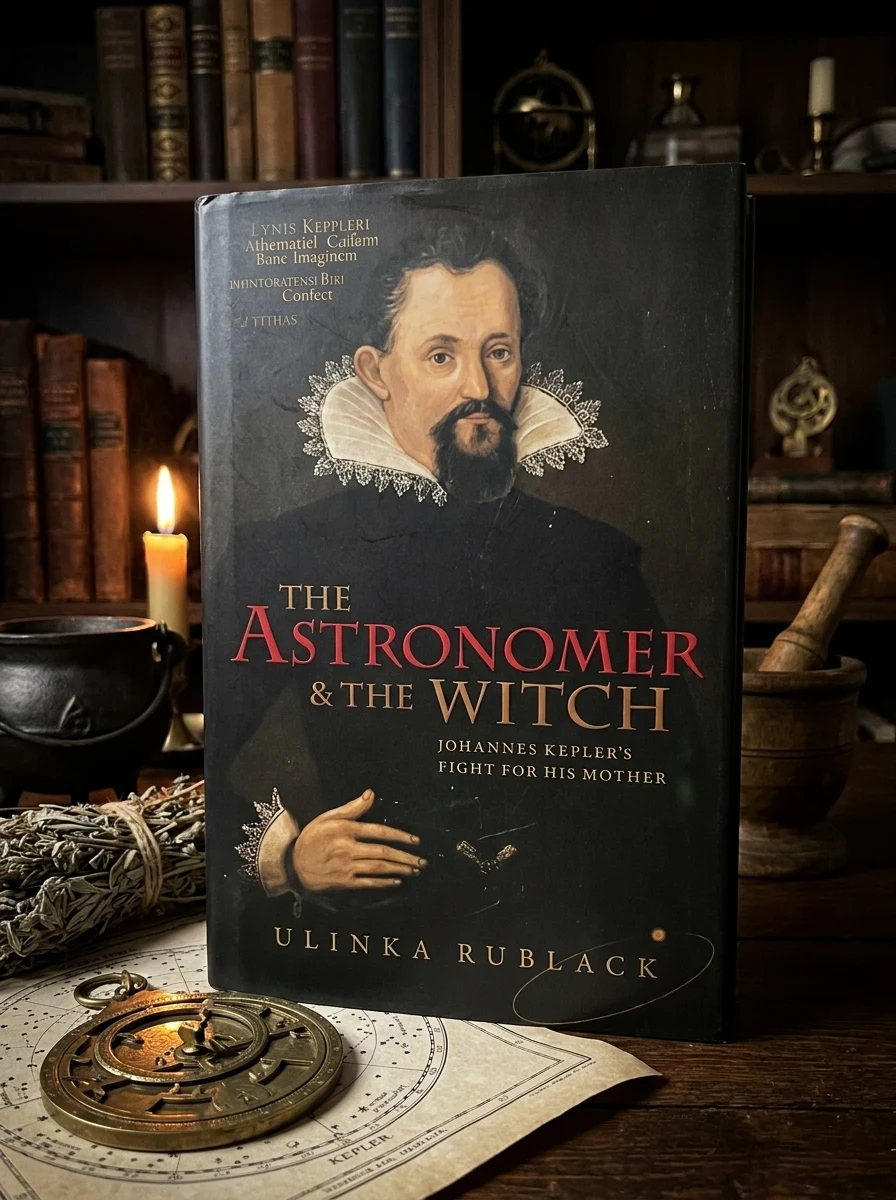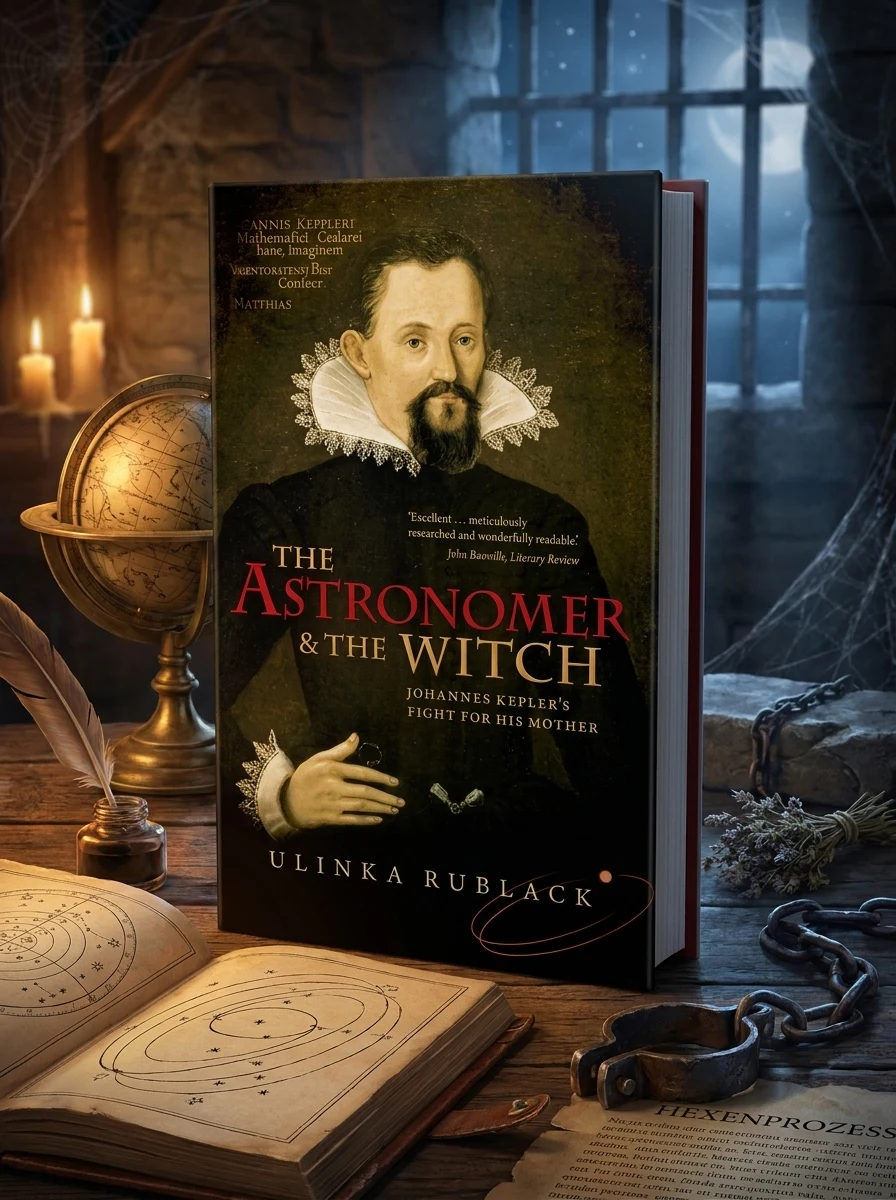
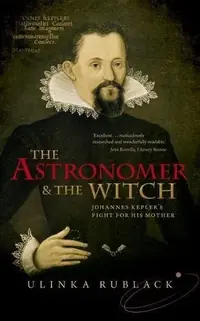
The Astronomer and the Witch: Johannes Kepler's Fight for His Mother
Rublack, UlinkaStock reported in the catalog; fulfillment is confirmed with your request.
A scientific titan confronts ancient fears, defending his mother from a harrowing witch trial.
Step into the tumultuous 17th century with Ulinka Rublack's compelling account of Johannes Kepler, the architect of planetary motion laws. While celebrated for his astronomical breakthroughs, a lesser-known chapter reveals his six-year legal battle to clear his widowed mother, Katharina, of witchcraft charges. This meticulously researched narrative explores not only a pivotal family drama but also the broader societal currents of religious upheaval and nascent scientific inquiry in central Europe, offering a unique lens into a world teetering on the edge of profound change and conflict.
This work sits at the intersection of early modern scientific history and European legal anthropology, illuminating the turbulent period of religious upheaval in central Europe. It bridges the gap between the emerging scientific revolution led by figures like Kepler and the persistent societal fears surrounding witchcraft trials.


📝 Description: The Astronomer and the Witch: Johannes Kepler's Fight for His Mother
💎 Expert review
📖 Why choose it
Why this book is worth reading
Readers fascinated by the human side of scientific history will find this book profoundly rewarding. It offers a rare glimpse into Johannes Kepler not merely as an abstract theorist, but as a devoted son fighting for his family's survival amidst chaos. Those who enjoy legal dramas rooted in historical reality will appreciate the meticulous reconstruction of Katharina’s trial. It is ideal for anyone seeking to understand how nascent scientific inquiry coexisted with ancient fears during a time of profound societal change. The narrative provides emotional depth to the history of science, showing that intellectual giants were also deeply personal actors in a world teetering on conflict.
⭐ Reader reviews
Reader rating
Rublack delivers a meticulously researched narrative that successfully humanizes a scientific titan through his harrowing defense of his mother. The book excels in contextualizing the legal and religious tensions of seventeenth-century central Europe, offering valuable insights into the era's complex social fabric. However, readers seeking a dry, purely technical account of Kepler’s astronomical laws or those who prefer fast-paced adventure will likely find this dense historical biography slow-going. It is not for those who dislike detailed legal proceedings or extensive scholarly context. This is a serious work intended for those willing to engage with the nuanced interplay between science, law, and familial duty during a pivotal historical moment.
❓ Frequently asked questions
📖 Who should read this
If you're captivated by the intersection of science and society, or drawn to gripping historical dramas, this book is for you. Readers interested in the human side of intellectual giants, the complexities of justice, and the clash of worldviews will find this a deeply rewarding experience.
🎯 Key themes and symbolism
Reason Versus Superstition
The book brilliantly contrasts Kepler's pioneering rationalism with the pervasive belief in witchcraft that gripped 17th-century society. It examines how a mind dedicated to empirical observation was forced to contend with accusations rooted in fear and folk tradition, highlighting the profound intellectual schisms of the era as science began to challenge established magical worldviews.
Unwavering Filial Devotion
At its heart, this is a powerful tale of a son's fierce loyalty to his mother. Rublack delves into the intense personal stakes and emotional toll of Kepler's commitment, revealing how even a figure of immense intellectual stature could be deeply entangled in a raw, intimate family struggle against overwhelming odds and the biases of his community.
A World in Transition
The narrative masterfully situates Kepler's ordeal within the broader historical backdrop of early 17th-century Europe. It explores the societal anxieties following the Reformation and on the cusp of the Thirty Years' War, illustrating how deep religious divisions and political instability fueled the very superstitions that threatened Kepler's family and defined a continent in flux.
💬 Quotes from the book
“The calculus of the cosmos, once a divine secret, was yielding to human reason, yet on Earth, ancient fears held fast, demanding blood.”
“To stand for her was to stand against the very fabric of their community, a solitary beacon of logic against the encroaching shadow of accusation.”
📜 Historical context
📚 Glossary
- Copernican Universe
- Scientific Revolution
- Witchcraft Trials
📔 Questions to reflect on
- How do you think a person of advanced scientific understanding, like Kepler, reconciled the rational world with the prevailing belief in witchcraft?
- Consider a time when your personal loyalties clashed with widely accepted beliefs or societal norms. How did you navigate that conflict?
- What parallels can you draw between the clash of scientific and superstitious worldviews in the 17th century and contemporary societal debates?
✍️ More books by this author Rublack, Ulinka
All books by this author →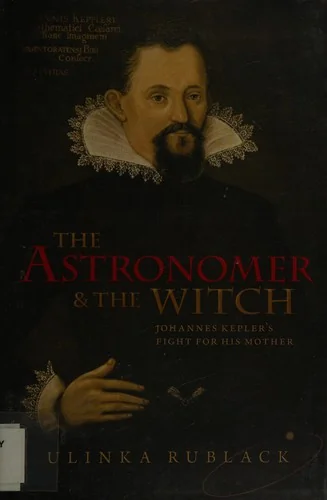
🏛 Books from this publisher Oxford University Press
All books from this publisher →

 81
81


You might also like
See more →