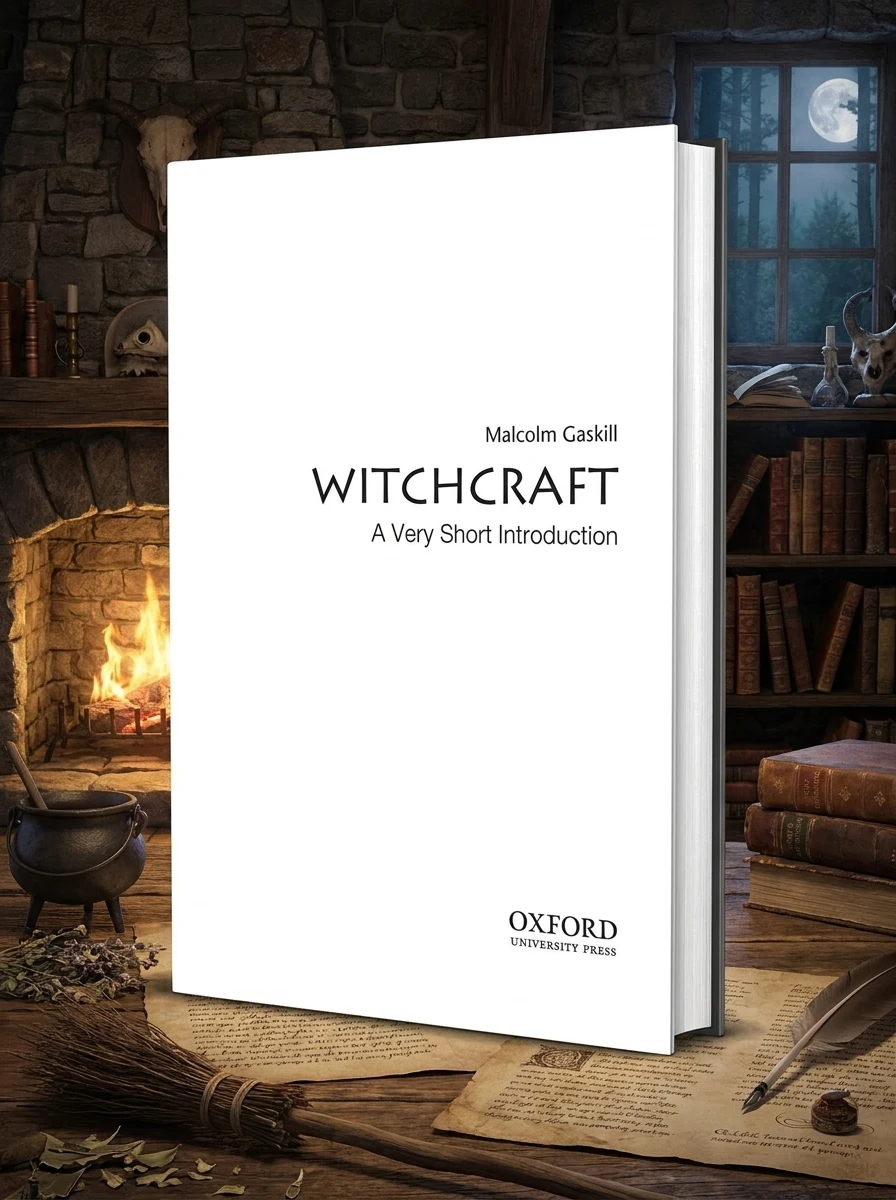

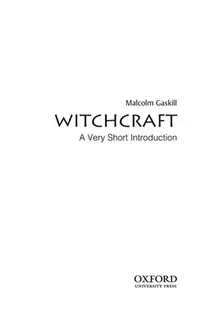
Witchcraft: A Very Short Introduction Gaskill, Malcolm
Gaskill, MalcolmStock reported in the catalog; fulfillment is confirmed with your request.
Witchcraft bridges ancient dread and modern magic in this sharp historical survey.
Malcolm Gaskill dismantles the monolithic stereotype of the evil crone, revealing witchcraft as a fluid, multifaceted phenomenon that has meant vastly different things across eras. He traverses the chasm between ancient worldviews and contemporary pagan practices, using court records and folklore to expose how society has projected its fears onto marginalized figures. This work challenges the binary of fantasy versus reality, showing that the witch is not merely a historical victim or a fictional trope, but a persistent cultural mirror reflecting our evolving understanding of power, faith, and the unknown.
This text situates witchcraft within the broader historical and sociological traditions of early modern Europe and contemporary pagan movements, bridging academic history with esoteric study.


📝 Description: Witchcraft: A Very Short Introduction Gaskill, Malcolm
💎 Expert review
📖 Why choose it
Why this book is worth reading
Readers seeking to move beyond romanticized myths or sensationalist tropes will find immense value in this sharp historical survey. It is ideal for those curious about the fluid nature of witchcraft as a multifaceted phenomenon rather than a static stereotype. By dismantling the image of the evil crone, Gaskill offers a nuanced perspective on how marginalized figures have served as cultural mirrors for societal fears regarding power and faith. This book empowers modern practitioners and historians alike to understand the chasm between ancient worldviews and current pagan practices through rigorous analysis of court records and folklore.
⭐ Reader reviews
Reader rating
First purchase from this shop. I found myself reading passages aloud just to sit with them. The typesetting is comfortable for study, with good margins for notes.
Honestly wasn't sure what to expect, but I'm impressed. It connects ideas I'd only seen treated separately elsewhere. The font runs small in the appendices. Solid, if not essential.
Arrived faster than expected and well packaged. It reads better in small doses — a chapter at a time with notes. It assumes more background than a beginner might have. Good, with the caveats above.
Grabbed this during a weekend order. I found myself reading passages aloud just to sit with them. The symbolism is layered and generous to patient readers. My only regret is not ordering it sooner.
My third book from this store and this one might be the best. It rewards patience more than any book I've bought this year. I appreciated how the argument builds steadily from first principles.
My third book from this store and this one might be the best. I found myself reading passages aloud just to sit with them.
This work provides a compelling, albeit academic, dissection of witchcraft’s evolution from dread to modern magic. It succeeds brilliantly in challenging the binary of fantasy versus reality, exposing how society projects fear onto the unknown. However, readers seeking practical spell-casting instructions or uncritical validation of specific pagan dogmas will likely find it unsatisfying. The reliance on historical court records and sociological theory may feel dry to those expecting a purely spiritual guide. It is strictly for those willing to engage with witchcraft as a complex cultural artifact rather than a simple tool for personal empowerment.
❓ Frequently asked questions
📖 Who should read this
Readers curious about the sociological roots of superstition, historians interested in the intersection of law and belief, and modern practitioners seeking to understand the historical weight of their craft beyond pop culture tropes.
🎯 Key themes and symbolism
Historical Witch-Hunts
Cultural Mythmaking
Magical Continuity
💬 Quotes from the book
“Witchcraft is multi-faceted, meaning different things to different people across every age.”
“It raises questions about the distinction between fantasy and reality, faith and proof.”
📜 Historical context
📚 Glossary
- Witch-Hunt
- Neopaganism
- Folklore
📔 Questions to reflect on
- How does your personal image of a 'witch' differ from the historical figures Gaskill describes?
- In what ways does modern media still use the witch as a metaphor for societal fear?
- Where do you see the line between historical superstition and contemporary spiritual belief?
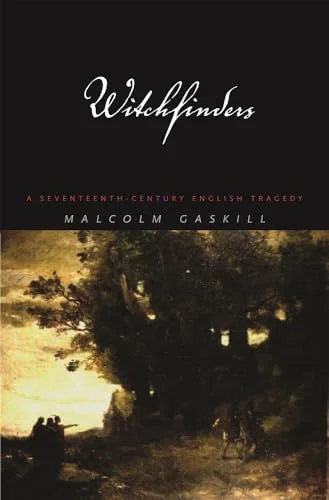
✍️ More books by this author Gaskill, Malcolm
All books by this author →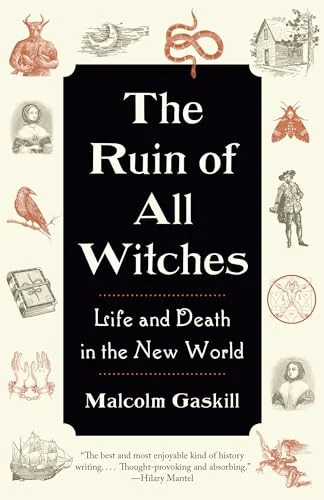
🏛 Books from this publisher Oxford University Press
All books from this publisher →
 81
81
You might also like
See more →