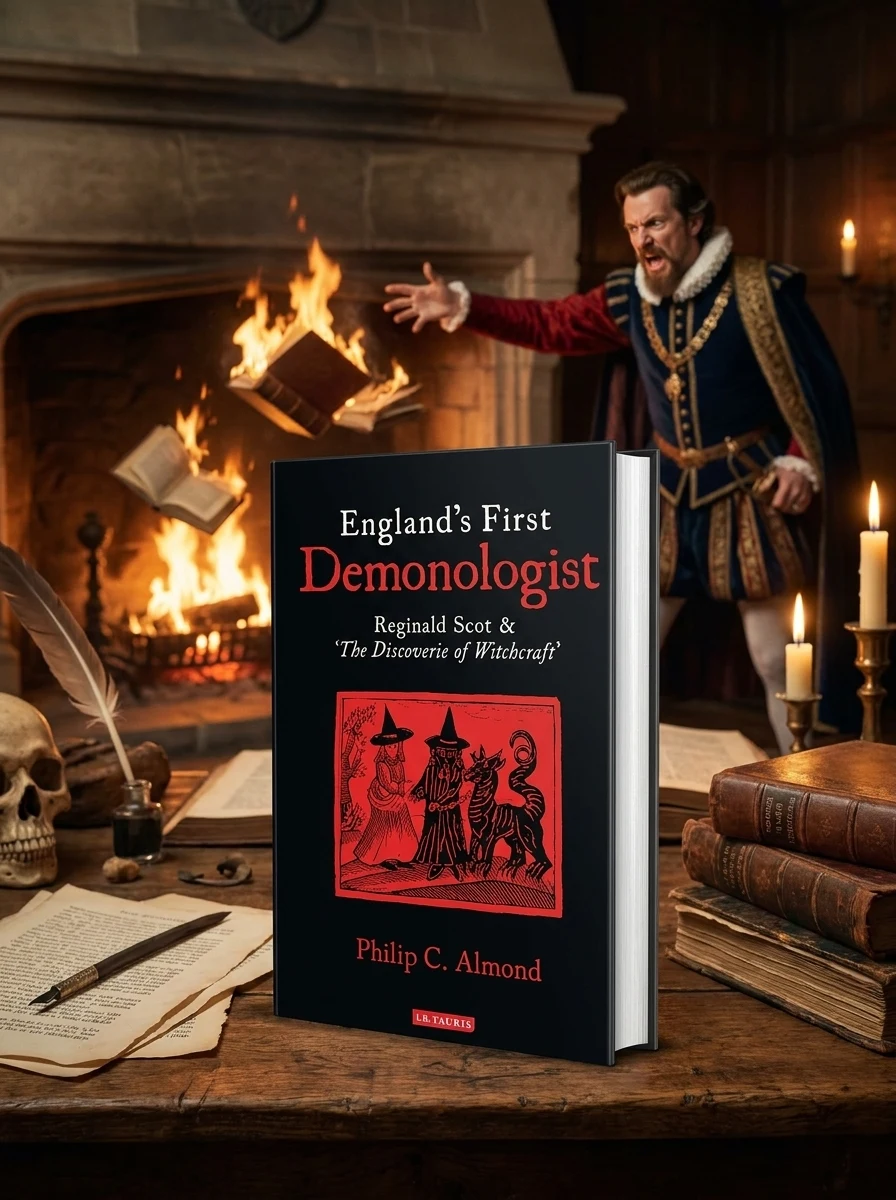
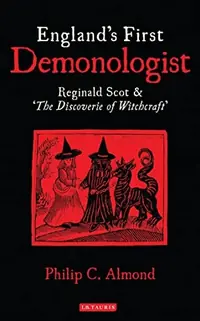
England's First Demonologist: Reginald Scot and 'The Discoverie of Witchcraft'
Almond, Philip CStock reported in the catalog; fulfillment is confirmed with your request.
Unmasking 16th-century superstition, this book reveals England's first skeptical voice against witchcraft.
Philip C. Almond’s insightful work delves into Reginald Scot, the pioneering figure behind *The Discoverie of Witchcraft* (1584). This seminal text, a radical departure from its era, boldly challenged prevailing beliefs in demonic sorcery and supernatural influence. Scot’s profound skepticism, though famously enraging King James I, paradoxically cemented certain demonological ideas while simultaneously fostering a unique English tradition of secular magic. Almond meticulously unpacks this complex legacy, highlighting Scot’s enduring impact on literature and thought, from Shakespeare to later occult studies, within the tumultuous landscape of early modern England.
This work sits within the historiography of early modern English occultism and the intellectual history of skepticism. It explores the tension between prevailing demonological beliefs and the emerging secular traditions of magic in sixteenth-century England.


📝 Description: England's First Demonologist: Reginald Scot and 'The Discoverie of Witchcraft'
💎 Expert review
📖 Why choose it
Why this book is worth reading
Scholars and enthusiasts of esoteric history will find this book invaluable for understanding the origins of English skepticism toward witchcraft. Philip C. Almond provides a nuanced portrait of Reginald Scot, revealing how his radical challenge to demonic sorcery inadvertently shaped future occult thought. Readers interested in the intersection of religion, superstition, and secular magic during the tumultuous early modern period will appreciate the detailed examination of Scot’s enduring legacy on literature and culture. It is essential for anyone seeking to grasp the complex roots of anti-witchcraft sentiment and its paradoxical reinforcement of demonological ideas.
⭐ Reader reviews
Reader rating
Almond offers a rigorous analysis of Reginald Scot’s pivotal role in challenging sixteenth-century beliefs. The book excels in unpacking the complexity of Scot’s legacy and its impact on English secular magic. However, it may not suit readers seeking a sensational narrative of witch-hunting or those uninterested in intellectual history. The focus remains tightly on Scot’s philosophical stance rather than broader social dynamics, which might feel dry to general audiences preferring action-driven historical accounts.
❓ Frequently asked questions
📖 Who should read this
If you're fascinated by the intersection of history, skepticism, and the occult, or seek to understand the origins of English magical thought, this book is for you. It offers a deep dive into a foundational text and its controversial author, appealing to those who question established narratives.
🎯 Key themes and symbolism
Radical Witchcraft Skepticism
Almond explores Reginald Scot's groundbreaking defiance of common beliefs surrounding witchcraft in 1584. Scot's *Discoverie* presented a rational counter-narrative, viewing claims of demonic pacts and magical harm not as supernatural threats but as human delusion or trickery. This section illuminates how Scot bravely stood against prevailing hysteria, questioning the very fabric of popular superstition.
Paradoxical Historical Impact
The book examines the fascinating irony of Scot's work: despite his intent to debunk witchcraft, his detailed descriptions of magical practices inadvertently lent credence to demonological concepts, even as it inspired England's burgeoning secular magic tradition. Almond reveals how a text meant to dismantle fear instead helped shape the very landscape it critiqued, influencing both believers and practitioners.
Enduring Cultural Legacy
Almond traces Scot's significant footprint across early modern English culture, particularly in dramatic arts. The study highlights how playwrights like Shakespeare, in *Macbeth*, and Thomas Middleton, in *The Witch*, drew directly from *The Discoverie of Witchcraft* for their depictions of the supernatural. This theme underscores Scot's lasting contribution to both literary and occult history.
💬 Quotes from the book
“The fables of witchcraft have taken so fast hold and deepe root in the heart of man, that few or none can indure with patience the hand and correction of God.”
“His detailed account of sorcery helped strengthen the hold of European demonologies in England while also inspiring the distinctively English tradition of secular magic and conjuring.”
📜 Historical context
📚 Glossary
- Demonology
- Skepticism
- Secular Magic
📔 Questions to reflect on
- If Scot's work was intended to debunk witchcraft, how might its detailed descriptions inadvertently feed public fascination with the occult?
- Consider the societal implications of King James's reaction to *The Discoverie*. What does it reveal about power, belief, and censorship in the early modern period?
- How do modern-day instances of skepticism and belief in the supernatural parallel or diverge from the debates surrounding Scot's work?
✍️ More books by this author Almond, Philip C
All books by this author →
🏛 Books from this publisher I. B. Tauris & Company
All books from this publisher →
You might also like
See more →

 91
91
 91
91