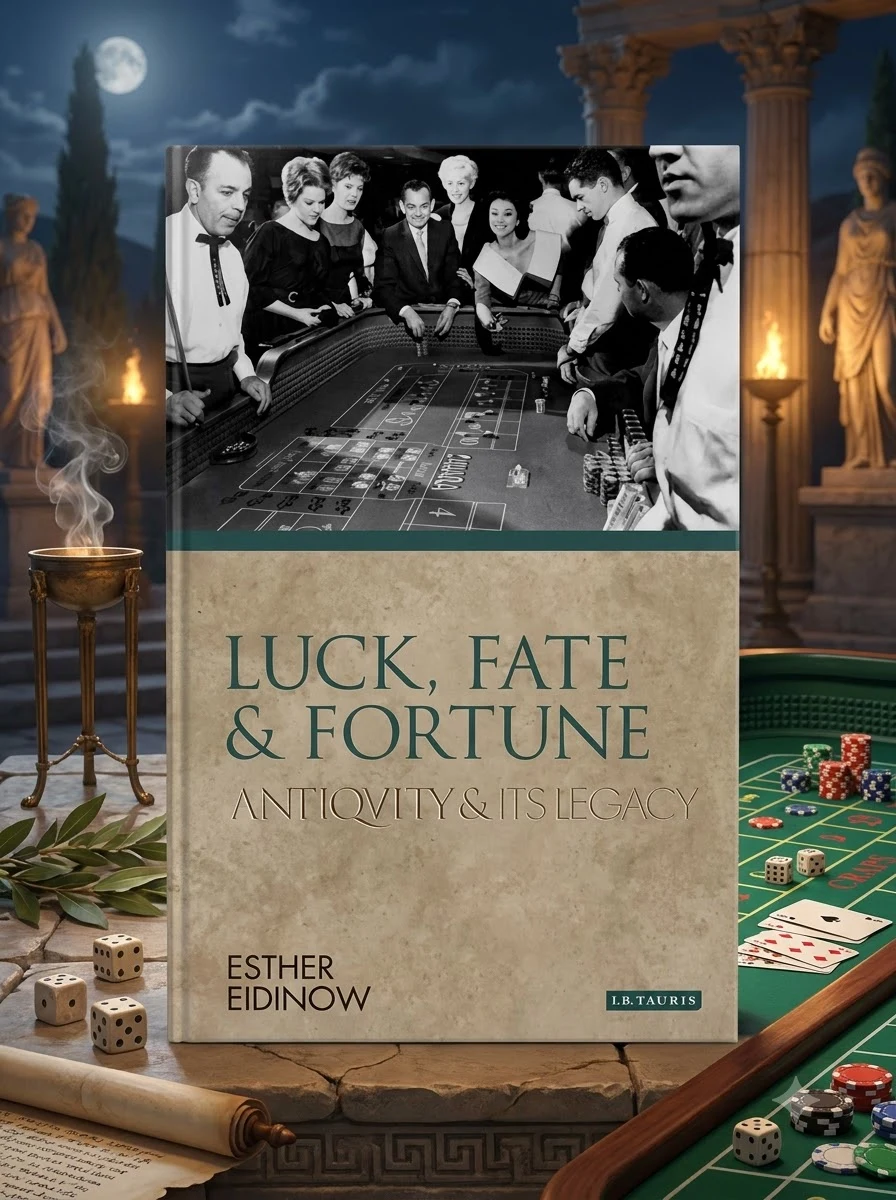
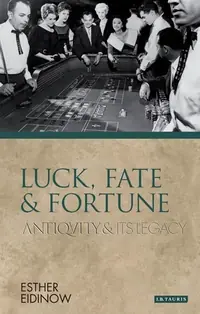
Luck, Fate and Fortune: Antiquity and Its Legacy Eidinow, Esther
Eidinow, Esther; , Vasunia, PhirozeStock reported in the catalog; fulfillment is confirmed with your request.
Unravel ancient Greek wisdom to grasp the threads of luck and destiny in your own life.
Esther Eidinow’s insightful work delves into the timeless human impulse to anticipate the future and comprehend life’s seemingly random events. This book offers a vibrant examination of how the ancient Greeks sought to foretell outcomes, exploring the rich tapestry of their beliefs surrounding luck, fate, and fortune. From the iconic Oracle at Delphi to the poignant tales of figures like Oedipus, Eidinow traces the profound influence of these ancient concepts, linking them to modern cognitive anthropology. She reveals how notions of destiny evolved through antiquity, shaped by societal shifts, and demonstrates their enduring resonance in our contemporary world.
This work situates itself within the rich tradition of classical studies and cognitive anthropology, exploring how ancient Greek societies conceptualized luck, fate, and fortune. It bridges the gap between antiquity and modern understanding by examining the enduring legacy of these beliefs in contemporary life.


📝 Description: Luck, Fate and Fortune: Antiquity and Its Legacy Eidinow, Esther
💎 Expert review
📖 Why choose it
Why this book is worth reading
This book is a must-read for those fascinated by the psychological underpinnings of destiny and the historical roots of our desire to predict the future. Esther Eidinow, alongside Phiroze Vasunia, guides readers through the vibrant tapestry of Greek beliefs, from the Oracle at Delphi to the tragic tales of Oedipus. If you are interested in how societal shifts shaped ancient notions of destiny, this text offers profound insights. It is particularly valuable for readers who wish to understand the cognitive anthropology behind our enduring fascination with fate, linking past wisdom to modern life with clarity and depth.
⭐ Reader reviews
Reader rating
Eidinow provides a scholarly yet accessible examination of ancient Greek views on fortune, making it an excellent resource for students of classics or history. The narrative effectively traces the evolution of destiny concepts through antiquity. However, readers seeking practical divination methods or tarot advice will find this text lacking, as it focuses strictly on historical and anthropological analysis rather than occult practice. It is not suited for those preferring fiction or simple self-help guides, but rather appeals to those interested in the intellectual history of how humans have historically grappled with uncertainty and the unknown.
❓ Frequently asked questions
📖 Who should read this
If you're drawn to the enigmatic power of ancient oracles or ponder the interplay of chance and destiny, this work offers profound insights. Delve into the historical roots of our enduring fascination with foretelling the future and understanding life's unpredictable currents.
🎯 Key themes and symbolism
Ancient Divination Practices
The book explores the varied methods and motivations behind the ancient Greek desire to predict the future. It moves beyond the famed Delphic Oracle, illustrating a landscape rich with oracular sanctuaries and diverse forms of prophecy, revealing the cultural significance of these attempts to decipher what lies ahead and make sense of the unknown.
Concepts of Fate and Chance
Eidinow meticulously unpacks the intricate interplay between luck, fortune, and an unalterable destiny within ancient Greek thought. Through examination of literary works and historical accounts, the book illustrates how figures like Oedipus grappled with the relentless caprices of fate, reflecting broader societal understandings of agency versus predestination.
Evolving Belief Systems
This study highlights that ancient Greek ideas about fate and fortune were not static, but dynamic. Eidinow traces their transformation across different historical periods, from Homer to Demosthenes, showing how social and political currents profoundly influenced and reshaped these fundamental understandings of human existence and cosmic order.
💬 Quotes from the book
“The persistent human urge to decipher the future, to impose order upon life's apparent randomness, has roots far deeper than mere superstition.”
“Tracing the evolution of 'fate' from Homeric epics to Demosthenes reveals not a static concept, but a dynamic reflection of changing societal anxieties and aspirations.”
📜 Historical context
📚 Glossary
- Oracle
- Cognitive Anthropology
- Vicissitudes
📔 Questions to reflect on
- Reflect on a time you felt 'lucky' or 'unlucky.' How do modern explanations for these events compare to ancient Greek notions of Tyche (fortune) or Moira (fate)?
- Beyond horoscopes, where do you see contemporary society's impulse to predict the future manifesting? How does this differ from or echo ancient oracular practices?
- Considering the stories of figures like Oedipus, how do ancient Greek narratives challenge or affirm your own understanding of free will versus an unalterable destiny?
📖 From the series “Ancients and Moderns”
All books in the series →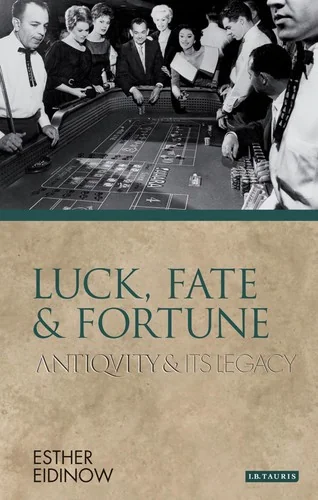
✍️ More books by this author Eidinow, Esther; , Vasunia, Phiroze
All books by this author →🏛 Books from this publisher I. B. Tauris & Company
All books from this publisher →

You might also like
See more →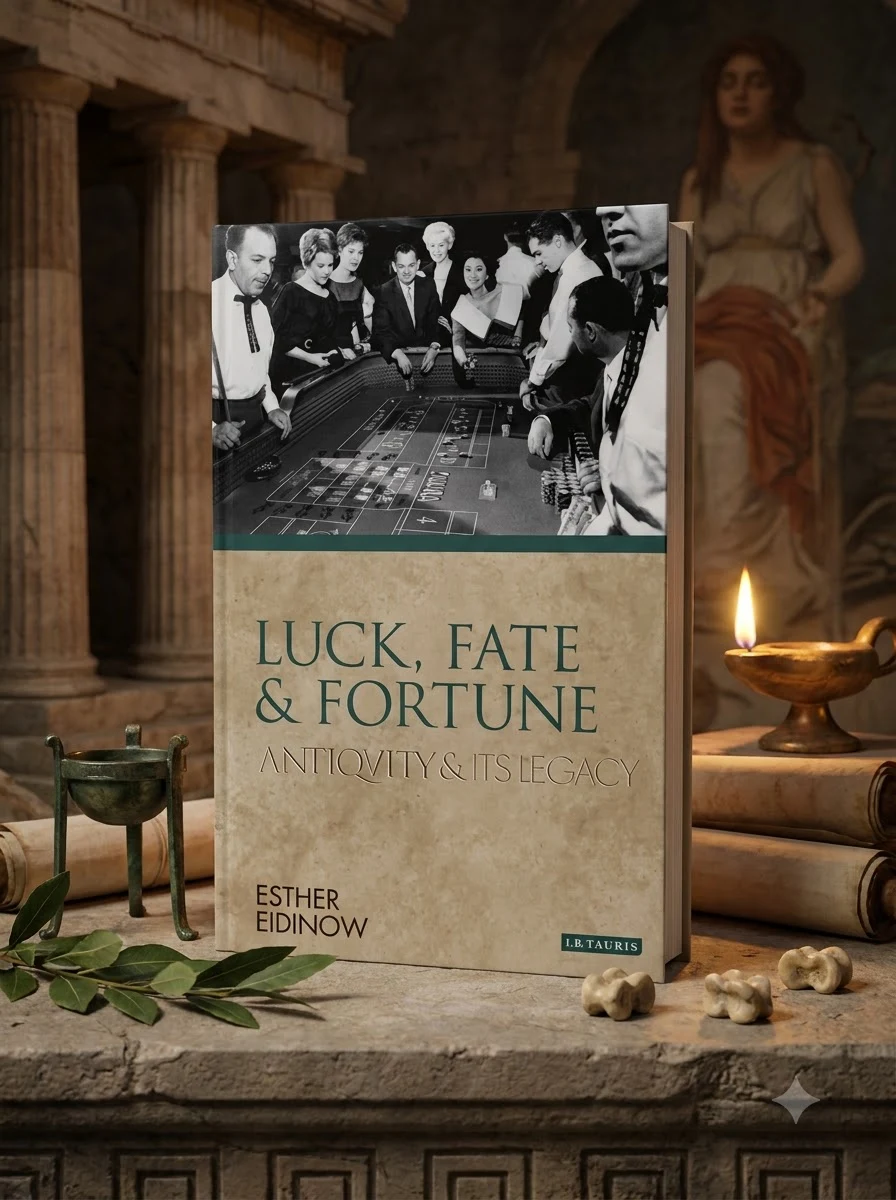

 91
91
 91
91