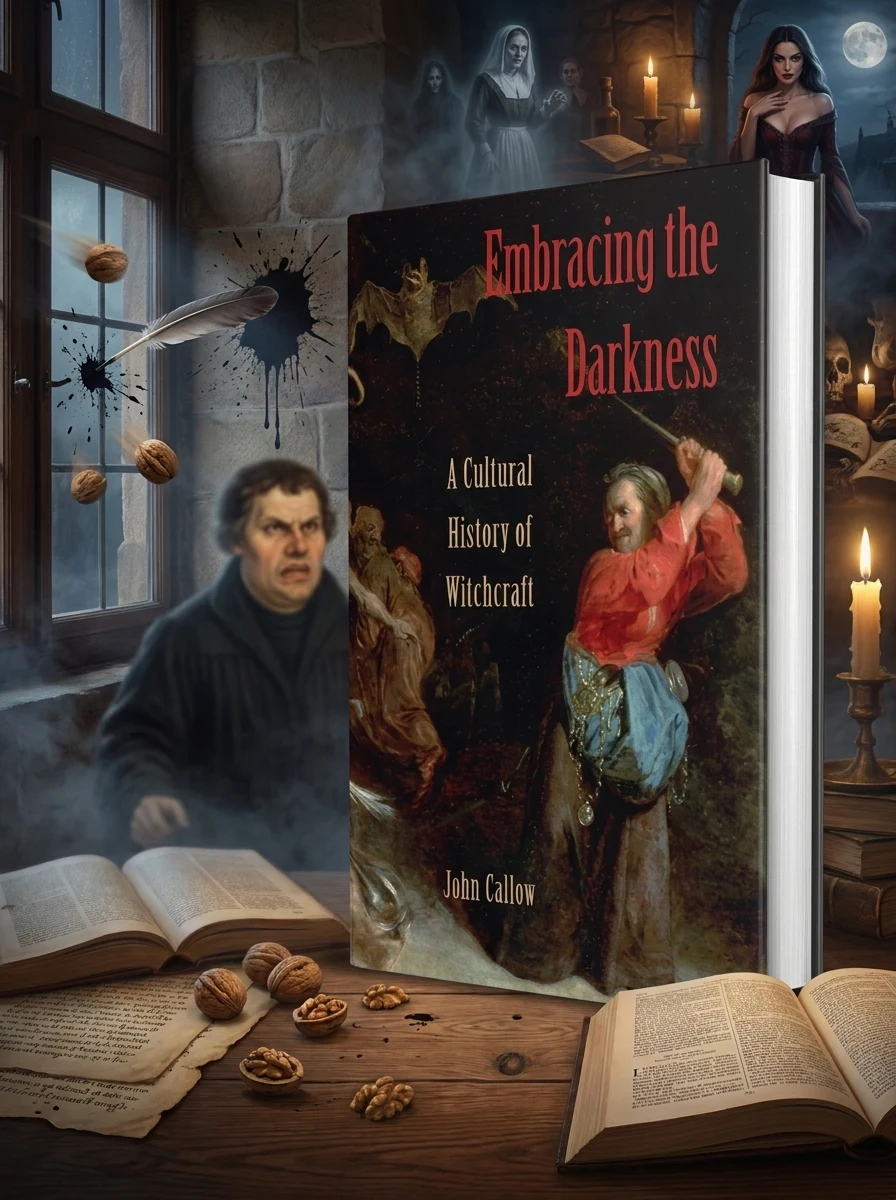
Embracing the Darkness: A Cultural History of Witchcraft
Stock reported in the catalog; fulfillment is confirmed with your request.
Unearth three millennia of witchcraft's dark, captivating influence on the Western mind.
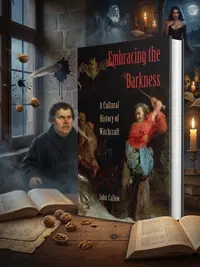
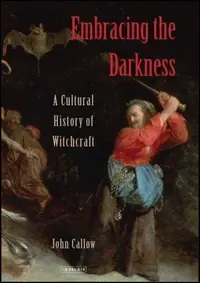
John Callow's compelling cultural history delves into the pervasive role of witchcraft across 3000 years of European civilization. From Martin Luther's perceived demonic torments to the infamous Salem trials, and extending to contemporary pop culture's alluring sorceresses, this volume meticulously charts how the figure of the witch, mage, and necromancer has shaped our collective imagination. It explores how pre-scientific societies rationalized illness and fear through malevolent spells, revealing the enduring power of the supernatural in shaping our understanding of the world.
This work sits firmly within the genre of cultural history, examining the evolution of supernatural beliefs and their impact on Western civilization over three millennia. It bridges the gap between historical analysis and esoteric studies by tracing the persistent figure of the witch through European intellectual life.


📝 Description: Embracing the Darkness: A Cultural History of Witchcraft
💎 Expert review
📖 Why choose it
Why this book is worth reading
Readers fascinated by the intersection of history, psychology, and occultism will find this volume deeply rewarding. It offers a comprehensive lens through which to view how pre-scientific societies rationalized fear and illness, making it ideal for those seeking to understand the roots of modern pop culture sorcery. By exploring figures from Luther to Salem, the book provides essential context for anyone interested in the enduring power of the supernatural in shaping our collective imagination.
⭐ Reader reviews
Reader rating
Callow delivers a meticulous charting of how the witch has shaped Western thought, connecting ancient rationalizations to contemporary allure. However, those seeking practical magical instruction or theological condemnation will find little here. It is strictly an academic cultural history, not a grimoire or a sermon. Readers expecting primary source translations or personal anecdotes may feel detached by its analytical distance. It suits historians and cultural critics more than practitioners looking for esoteric secrets.
❓ Frequently asked questions
📖 Who should read this
For the discerning seeker of cultural insights, this book offers a profound exploration of witchcraft's enduring impact. If you're fascinated by the intersection of history, folklore, and popular culture, and wish to understand humanity's persistent engagement with the occult, this volume is an essential addition to your library.
🎯 Key themes and symbolism
Historical Arc of Belief
Callow meticulously traces the evolution of supernatural belief, beginning with ancient anxieties and progressing through pivotal historical moments like the Reformation. He illustrates how figures from Martin Luther to the accused women of Salem exemplify the persistent human need to attribute unexplained phenomena to dark, mystical forces, shaping a continuous narrative across millennia.
Witchcraft in Popular Culture
Beyond historical persecution, the book examines how witchcraft permeates modern entertainment. From classic horror novels to television series and punk cinema, Callow demonstrates the witch's enduring appeal and adaptability as a cultural icon. This theme highlights how contemporary media both reflects and reinterprets ancient fears and fascinations with the occult.
Explaining the Unseen World
Before the advent of modern science, unexplained illnesses, sudden misfortunes, or the terrors of a dark, moonless night were often attributed to malevolent spellcasting or unseen spirits. This theme explores how belief in witchcraft served as a framework for understanding and coping with a world filled with uncertainties and perceived spiritual dangers.
💬 Quotes from the book
“From the solitary sage of antiquity to the accused woman of the medieval village, the witch has always been a potent mirror reflecting society's deepest fears and desires.”
“The rustle in the ancient woods, the sudden chill of a fever – these were not merely natural phenomena, but whispers of a hidden world, where intention held sway over fate.”
📜 Historical context
📚 Glossary
- Necromancer
- Wicca
- Reformation
📔 Questions to reflect on
- How has your own understanding of 'witchcraft' been shaped by cultural narratives, both historical and modern, and how does Callow's perspective challenge or confirm your views?
- Consider a time in history or your own life when the inexplicable prompted a search for supernatural explanations. How does this align with Callow's observations about pre-scientific societies?
- In what ways do contemporary portrayals of magic in media (film, literature, games) continue or diverge from the historical perceptions of witchcraft detailed in the book?
🏛 Books from this publisher I. B. Tauris & Company
All books from this publisher →
You might also like
See more →
 91
91