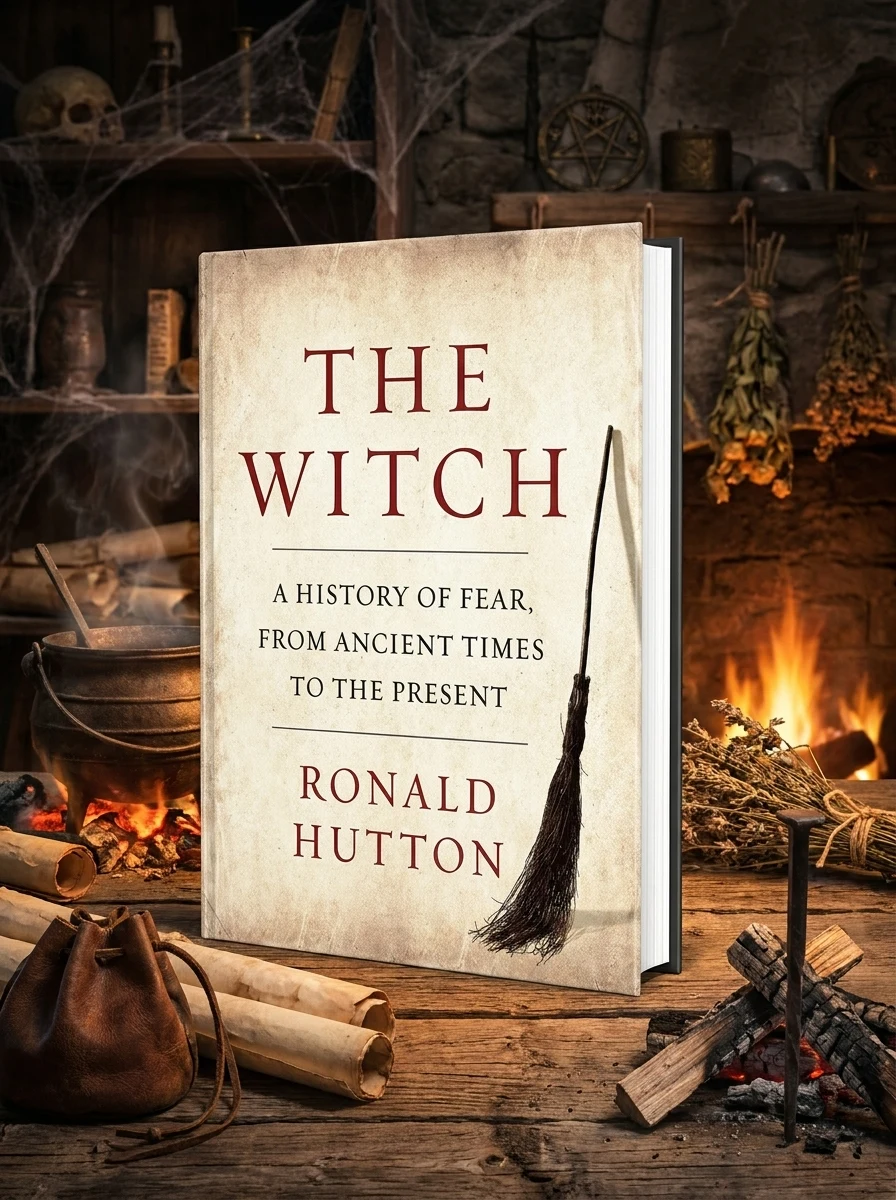
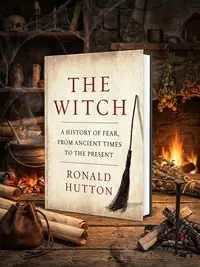
The Witch: A History of Fear, from Ancient Times to the Present
Hutton, Ronald; , Jackson, GildartThis edition can be ordered. No arrival date is confirmed.
Uncover the enduring fear of witchcraft across millennia and cultures.
Ronald Hutton, a preeminent scholar of paganism, offers a monumental history of the witch figure. This comprehensive study moves beyond European witch trials, tracing the deep roots of witchcraft fears from ancient civilizations to modern interpretations. Hutton masterfully synthesizes diverse academic approaches, offering an anthropological lens on how beliefs about witches have manifested globally—from Africa to the Americas. He examines cultural inheritance, folk religion, shamanism, and the tragic legacy of witch hunts, ultimately pondering the potential for eradicating such pervasive societal anxieties.
This work stands as a monumental scholarly contribution within the field of occult history and religious studies. It bridges academic anthropology with esoteric tradition, offering a rigorous examination of the witch figure across global cultures.


📝 Description: The Witch: A History of Fear, from Ancient Times to the Present
💎 Expert review
📖 Why choose it
Why this book is worth reading
Readers deeply invested in the historical and anthropological dimensions of witchcraft will find this volume indispensable. Ronald Hutton provides a sweeping narrative that transcends the typical focus on European trials, inviting us to explore how fear of the witch has manifested from ancient times to the present day. It is essential for those seeking to understand the cultural inheritance and folk religion underlying these anxieties. By examining shamanism and global interpretations, the book helps readers grasp the tragic legacy of witch hunts while pondering if such societal fears can ever be eradicated. It offers a profound, scholarly lens on a topic often misunderstood, making it vital for serious students of esoteric history.
⭐ Reader reviews
Reader rating
Hutton’s comprehensive study is a masterful synthesis of diverse academic approaches, providing an indispensable resource for scholars and dedicated enthusiasts alike. However, readers seeking a practical guide to Wiccan practice or lighthearted folklore will find this text dry and overly dense. It is not suited for those looking for quick entertainment or simple moral judgments on historical events. The anthropological lens requires patience and intellectual engagement, focusing heavily on cultural inheritance rather than dramatic storytelling. While the breadth of coverage from Africa to the Americas is impressive, the academic tone may alienate casual readers hoping for a more accessible narrative on witchcraft history.
❓ Frequently asked questions
📖 Who should read this
If you're fascinated by the deep cultural currents shaping human beliefs and fears, or seek to understand the global tapestry of witchcraft, this book is essential. It offers a profound journey through history, inviting you to question the origins of societal anxieties and the enduring power of the 'witch' archetype.
🎯 Key themes and symbolism
Global Witchcraft Perceptions
Hutton skillfully expands the narrative beyond the familiar European trials, revealing how the fear of witchcraft is a pervasive human phenomenon. He meticulously details its manifestations across ancient pagan societies, African communities, Asian traditions, and indigenous American cultures, demonstrating a universal yet culturally specific anxiety regarding perceived malevolent magic.
Evolving Witchcraft Scholarship
This work meticulously charts the shifting academic understanding of witchcraft throughout history. Hutton synthesizes both Anglo-American and continental scholarly traditions, presenting a nuanced view of how historians and anthropologists have interpreted witch beliefs and trials, from early theories to modern, more complex analyses of social and cultural factors.
Cultural Roots of Fear
The book employs a compelling anthropological and ethnographical approach to understand witchcraft. It explores how cultural inheritance, folk religions, and shamanistic practices contribute to the formation and perpetuation of witch beliefs. Hutton delves into the societal mechanisms that allow such fears to emerge, intensify, and tragically lead to persecution.
💬 Quotes from the book
“The figure of the witch, often a scapegoat for societal anxieties, proves to be a remarkably consistent motif across disparate cultures, albeit with vastly different manifestations and consequences.”
“To truly understand the European witch trials, one must first trace the ancient threads of magical belief and social control woven into the fabric of human history across continents.”
📜 Historical context
📚 Glossary
- Historiographical
- Ethnographical
- Shamanism
📔 Questions to reflect on
- How do modern societal anxieties, though perhaps labeled differently, echo the historical patterns of fear and scapegoating that led to witch hunts?
- Reflect on how different cultural understandings of 'magic' or 'malevolence' might shape the specific forms that witchcraft beliefs take in various societies.
- Considering the book's aim to understand and potentially eradicate the fear of witchcraft, what role do historical and anthropological knowledge play in confronting irrational fears today?
✍️ More books by this author Hutton, Ronald; , Jackson, Gildart
All books by this author →
🏛 Books from this publisher Blackstone Publishing
All books from this publisher →
 82
82



You might also like
See more →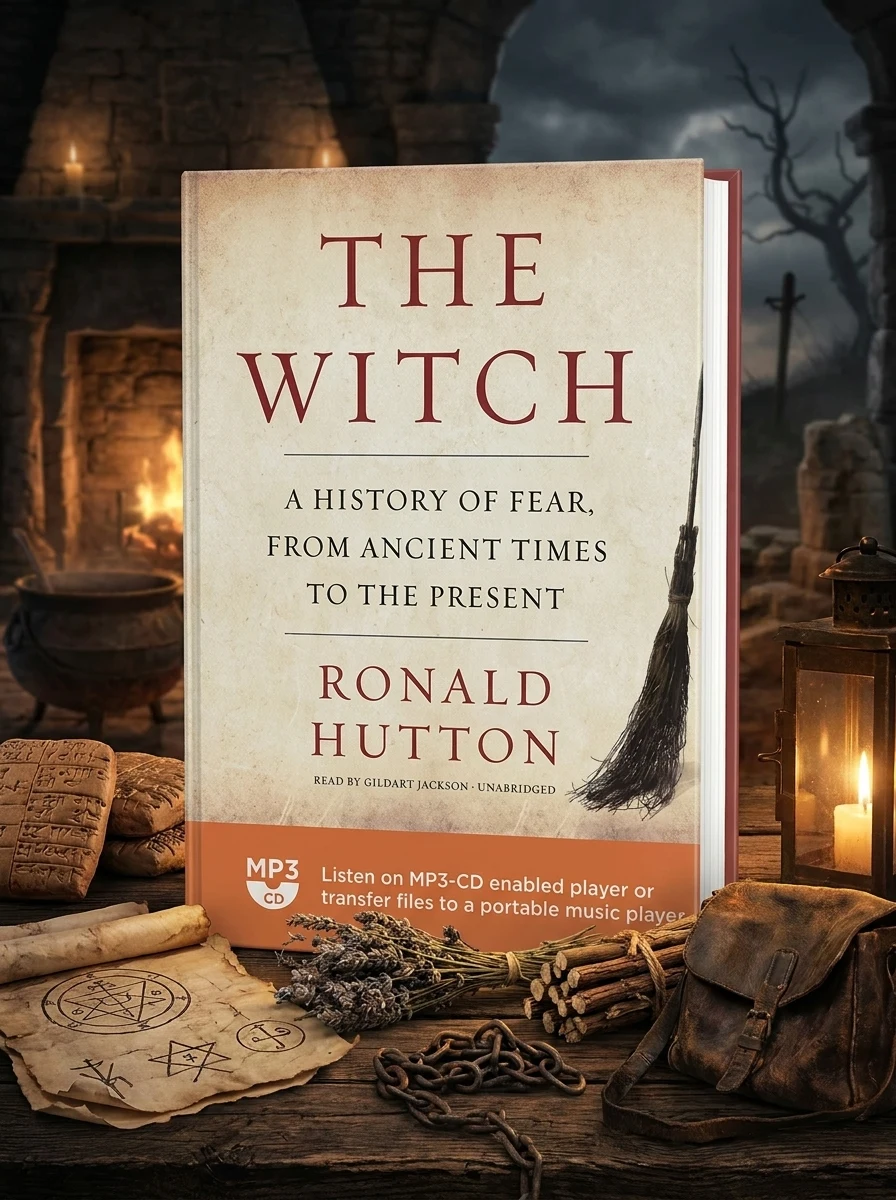


 91
91