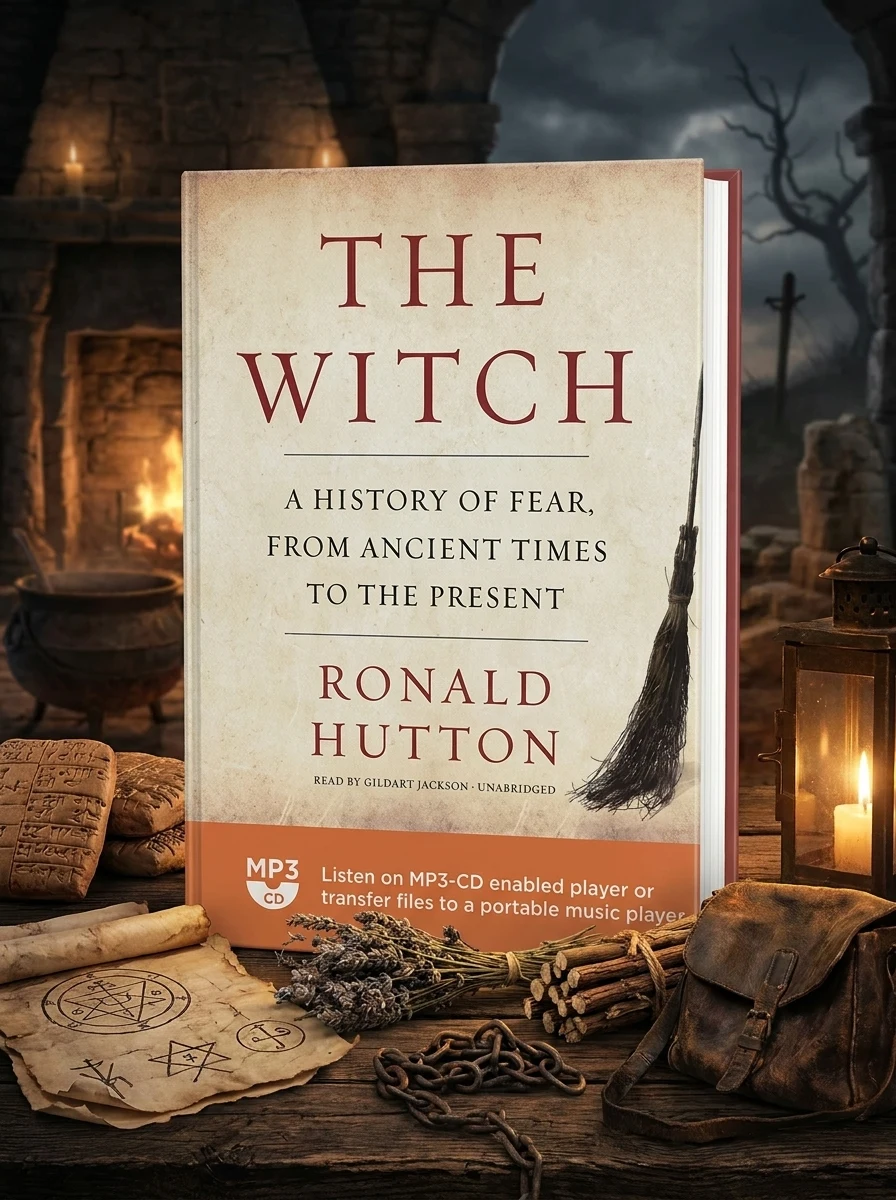
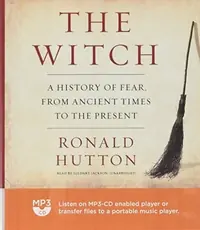
The Witch: A History of Fear, from Ancient Times to the Present
Hutton, Ronald; , Jackson, GildartThis edition can be ordered. No arrival date is confirmed.
Unravel the universal dread of witchcraft, from ancient shamans to modern fears.
Ronald Hutton, a preeminent scholar, embarks on a monumental journey through the history of witchcraft, charting its profound influence and the fear it has inspired across continents and centuries. This landmark study moves beyond the familiar European witch trials, delving into the deep roots of magical belief systems in ancient civilizations, indigenous cultures, and contemporary societies. By integrating anthropological insights with rigorous historical analysis, Hutton illuminates how the concept of the witch has been shaped by diverse cultural contexts, societal anxieties, and evolving spiritual landscapes, offering a truly global perspective on a pervasive human phenomenon.
This work sits firmly within the tradition of academic historiography and anthropological study regarding Western esotericism and folk magic. It bridges the gap between scholarly historical analysis and accessible cultural commentary on the phenomenon of witchcraft.


📝 Description: The Witch: A History of Fear, from Ancient Times to the Present
💎 Expert review
📖 Why choose it
Why this book is worth reading
Readers who crave a comprehensive, scholarly understanding of witchcraft beyond sensationalized myths will find immense value in this text. It is ideal for those interested in anthropology, history, and the sociology of fear. By tracing the lineage from ancient shamans to modern anxieties, Hutton provides a nuanced view that respects diverse cultural contexts. Those seeking to understand the intellectual roots of magical beliefs and the societal mechanisms that generate dread will appreciate the rigorous analysis and global perspective offered here.
⭐ Reader reviews
Reader rating
This is a dense, authoritative survey that demands patience from its audience. It is not suitable for readers seeking quick thrills, simple narratives, or practical magical instruction. The focus on academic rigor and cross-cultural comparison may feel dry to those preferring dramatic retellings of the witch trials. However, for serious students of esoteric history who value depth over breadth and analysis over anecdote, it stands as a definitive resource that illuminates the complex interplay between belief, fear, and culture across time.
❓ Frequently asked questions
📖 Who should read this
If you're fascinated by the cultural history of magic, the anthropology of belief, or the global impact of fear, this book offers an unparalleled, scholarly exploration. It's essential reading for anyone seeking a comprehensive understanding of witchcraft beyond its popular myths.
🎯 Key themes and symbolism
Global Reach of Witchcraft Fear
This book masterfully demonstrates that the fear of witchcraft is not a uniquely European phenomenon, but a pervasive thread woven through human societies worldwide. Hutton explores its manifestations from ancient pagan cultures to African, Middle Eastern, Asian, and American traditions, revealing a shared human tendency to project anxieties onto perceived magical threats, adapting to local beliefs and social structures over millennia.
Anthropological Lens on Belief
Hutton employs a powerful anthropological and ethnographical approach, moving beyond simple historical recounting to analyze the cultural and social underpinnings of witchcraft beliefs. He examines how these beliefs function within communities, the role of folk religion and shamanism, and the societal mechanisms that led to accusations and trials, providing deep insight into the human experience of magic and its perceived dangers.
Evolution of Witchcraft Concepts
The work meticulously traces the transformation of the 'witch' concept from its ancient origins through various historical epochs. It illustrates how interpretations of witchcraft evolved from indigenous healing practices and folk magic to the demonic pacts feared in early modern Europe, and how these perceptions continue to shift in contemporary contexts, highlighting both continuity and dramatic change in human understanding.
💬 Quotes from the book
“The persistent shadow of the witch across millennia reveals not a singular entity, but a kaleidoscope of societal anxieties projected onto the marginalized and the powerful alike.”
“Understanding the witch-fear demands an excavation of local beliefs, economic pressures, and shifts in religious doctrine, rather than a monolithic historical narrative.”
📜 Historical context
📚 Glossary
- Historiography
- Shamanism
- Ethnography
📔 Questions to reflect on
- Reflect on how your own cultural background might influence your understanding of witchcraft, compared to the global perspectives presented in the book.
- Consider the societal conditions that might give rise to fears of witchcraft today. Are there modern parallels to historical witch hunts?
- How does the book challenge or confirm your previous perceptions of the 'witch'? What new insights did you gain regarding the origins of these beliefs?
✍️ More books by this author Hutton, Ronald; , Jackson, Gildart
All books by this author →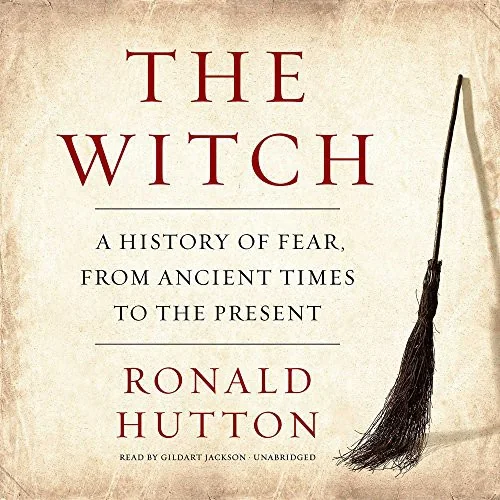
🏛 Books from this publisher Blackstone Publishing
All books from this publisher →
 82
82


You might also like
See more →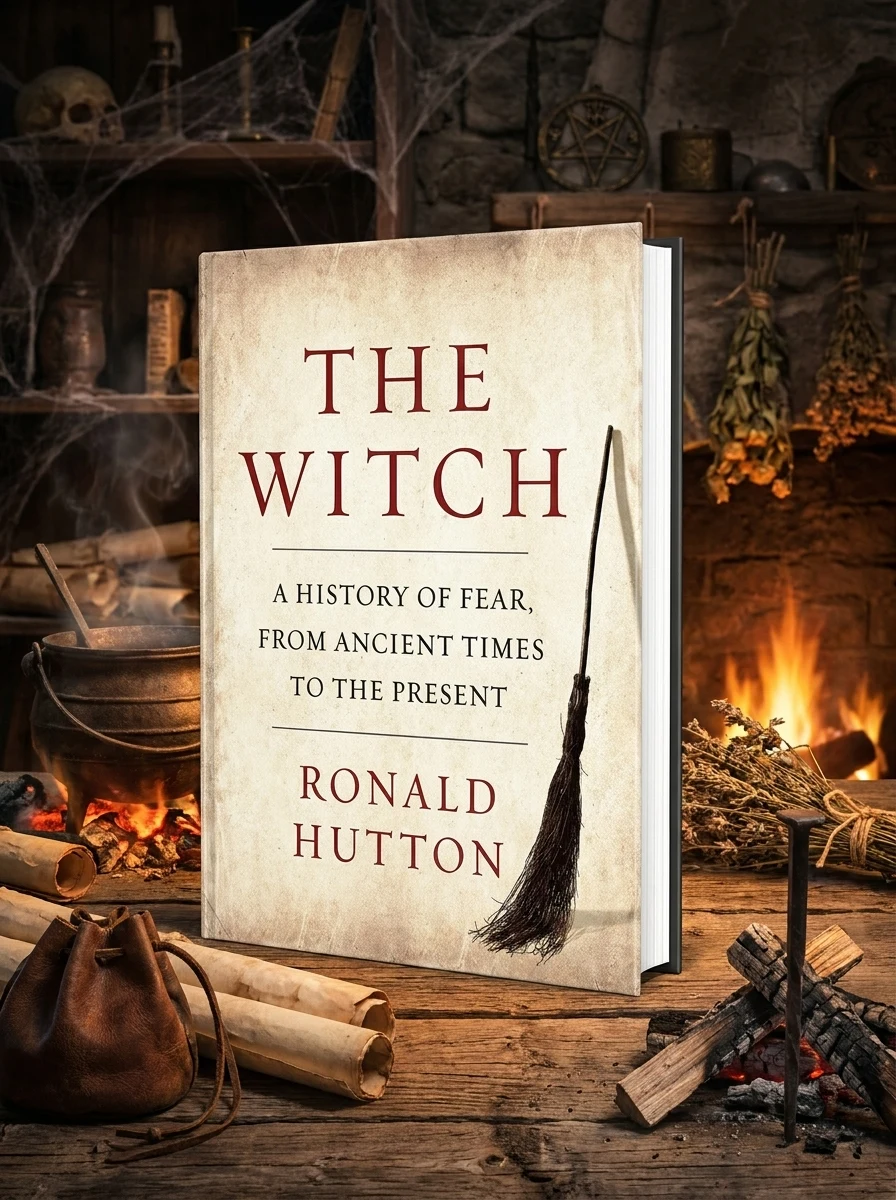

 91
91