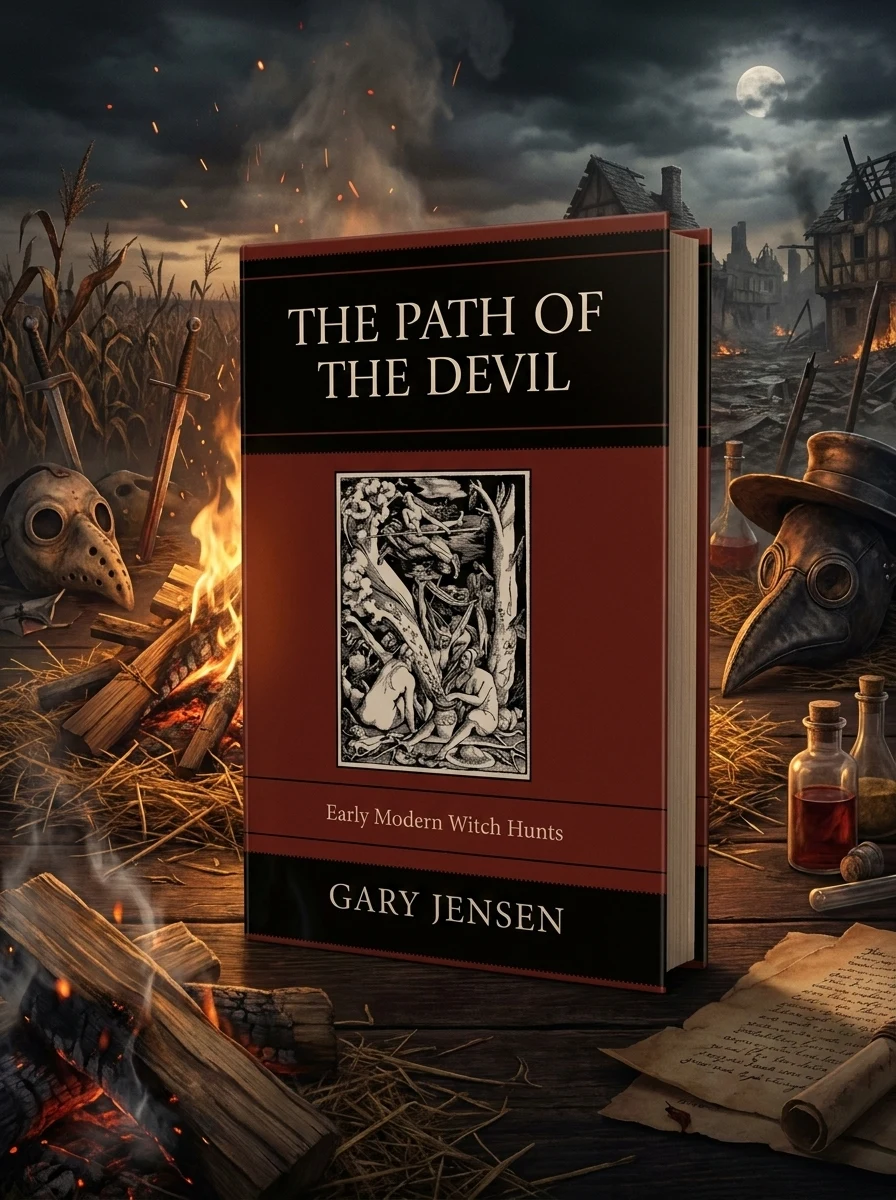
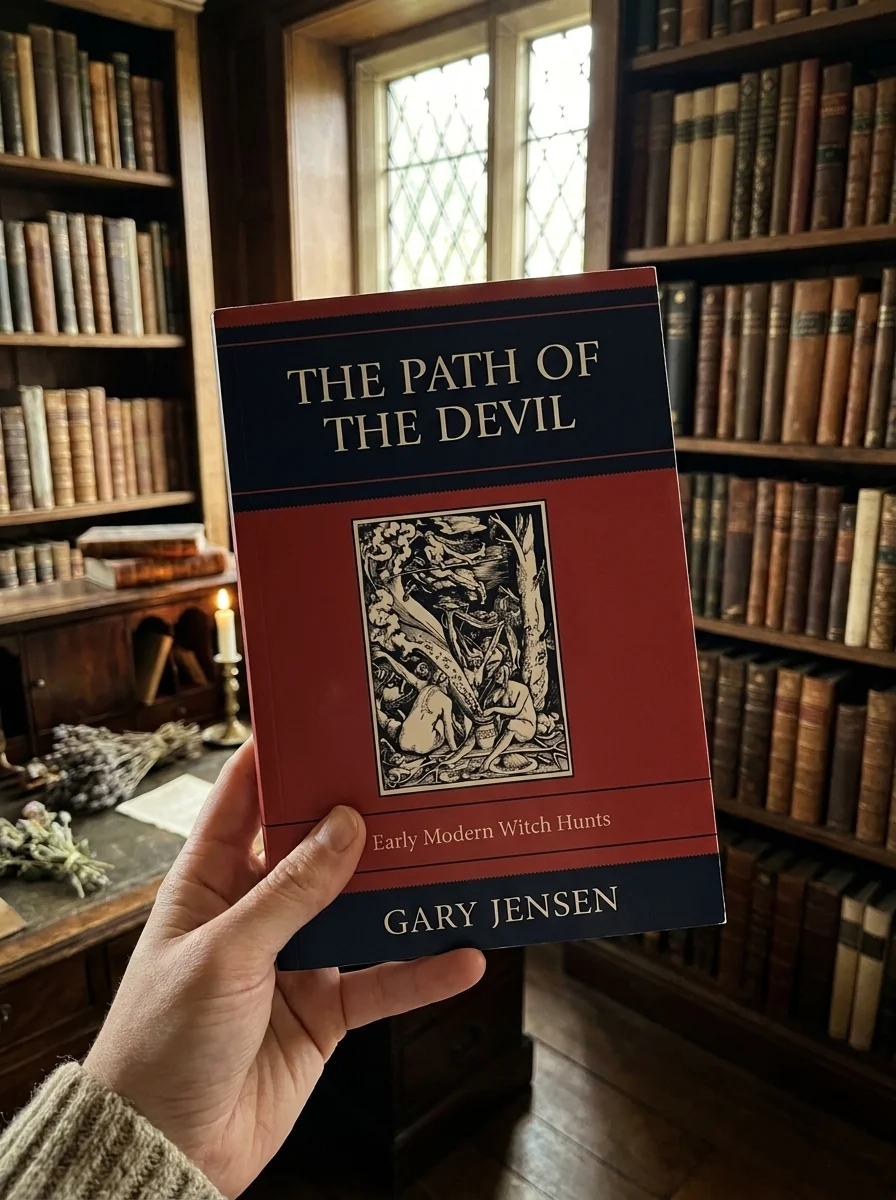
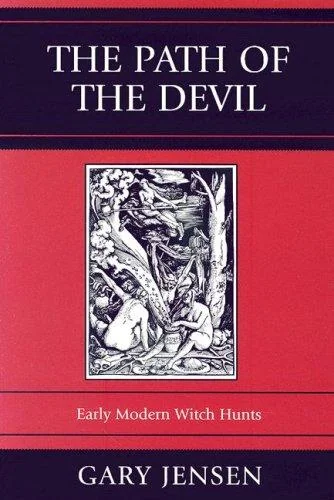
Path of the Devil: Early Modern Witch Hunts
✍️ Jensen, GaryGary Jensen's groundbreaking analysis reframes early modern witch hunts not as isolated events, but as functional sacrificial rituals driven by realistic conflict and scapegoating. This interdisciplinary study integrates sociology, collective behavior, and deviance, arguing that epidemic disease and economic hardship, rather than war, were primary catalysts. The book culminates with a deep dive into the Salem trials, revealing enduring patterns that resonate eerily in contemporary "witch hunts," suggesting their similarities are more than mere metaphor.


Praise for this book
“The Path of the Devil is an interdisciplinary marvel that bridges academic discourses across social history, sociology and women's studies. Systematically applying numerous sociological theories and testing those theories with available data, Professor Jensen demonstrates the complex set of conditions-local, political, demographic, economic, and structural that foster witch hunts.”
“One of the intellectual appeals of witchcraft as a subject of study is that, unlike virtually all other behaviors designated as deviant, the actions alleged did not-could not-have occurred. In The Path of the Devil, Gary Jensen valiantly tackles issues that have bedeviled a virtual battalion of scholars who have sought for hundreds of years to explain the outbreak of witch persecutions and prosecutions in Europe and…”
“Gary Jensen has produced a fascinating sociological account of early modern witch hunts, from the mid-15th through the early 18th centuries, that has been long in the making but well worth the wait. It is an important contribution that should be of interest to students of deviance, social control, and collective behavior within sociology, historians of witchcraft and witch hunts, and both scholars and non-academics interested in witch hunts of more recent times.”
📝 Description: Path of the Devil: Early Modern Witch Hunts
💎 Expert review
📖 Why choose it
Why this book is worth reading
Readers fascinated by the sociology of mass hysteria and the mechanics of scapegoating will find this book indispensable. It offers a rigorous, interdisciplinary framework for understanding how economic hardship and disease drive societal collapse into ritualistic violence. By reframing witch hunts as functional sacrifices, Jensen provides a powerful lens for recognizing similar patterns in modern discourse. If you are interested in how fear shapes community identity or seeking a scholarly alternative to sensationalist accounts, this text offers profound insights into the dark undercurrents of human conflict and the enduring nature of collective blame.
⭐ Reader reviews
Reader rating
Gary Jensen delivers a compelling sociological deconstruction of early modern witch hunts, effectively arguing that epidemic disease and economic strain were primary catalysts rather than mere superstition. The analysis is intellectually robust, particularly its application to the Salem trials as a case study in scapegoating. However, readers seeking atmospheric horror, detailed theological debates, or romanticized accounts of magical practice will likely find this dry and overly academic. It is strictly for those interested in the structural causes of persecution rather than the mystical experiences of the accused. While brilliant for historians and sociologists, it lacks the narrative flair expected by general occult enthusiasts.
❓ Frequently asked questions
📖 Who should read this
If you're fascinated by the intersection of history, sociology, and collective human behavior, or if you seek to understand the mechanisms behind public shaming and scapegoating, this rigorous analysis is for you. It's a must-read for those pondering humanity's darker impulses.
🎯 Key themes and symbolism
Witch Hunts as Ritual
This book provocatively posits that historical witch hunts served as a form of societal sacrificial ceremony, an extreme manifestation of collective behavior aimed at purifying the community. It delves into the underlying psychological and social mechanisms that transform vulnerable individuals into scapegoats, illustrating how these events function beyond simple persecution.
Crisis and Persecution
Jensen meticulously examines the environmental and social stressors that historically fueled witch panics. Contrary to some assumptions, the research highlights epidemic disease and severe economic hardship as significant drivers, demonstrating how these crises create fertile ground for strategic persecution and the search for external blame within a populace under duress.
Enduring Patterns Today
Far from being mere historical curiosities, the book powerfully argues that the foundational dynamics of early modern witch hunts persist in contemporary society. By analyzing "modern witch hunts," it exposes a striking continuity in the patterns of accusation, collective hysteria, and strategic scapegoating, inviting readers to recognize these echoes in our present world.
📜 Historical context
📚 Glossary
- Sacrificial Ceremonies
- Early Modern Witch Hunts
- Scapegoat Phenomena
📔 Questions to reflect on
- Reflect on a contemporary event you've witnessed or read about that might be interpreted as a 'modern witch hunt.' What parallels can you draw to the historical patterns discussed?
- How do societal crises, like pandemics or economic downturns, influence collective behavior and the search for scapegoats in your own community or nation?
- Consider the difference between a 'witch hunt' as a historical event and its metaphorical use today. Does Jensen's work encourage a more literal interpretation of modern instances?