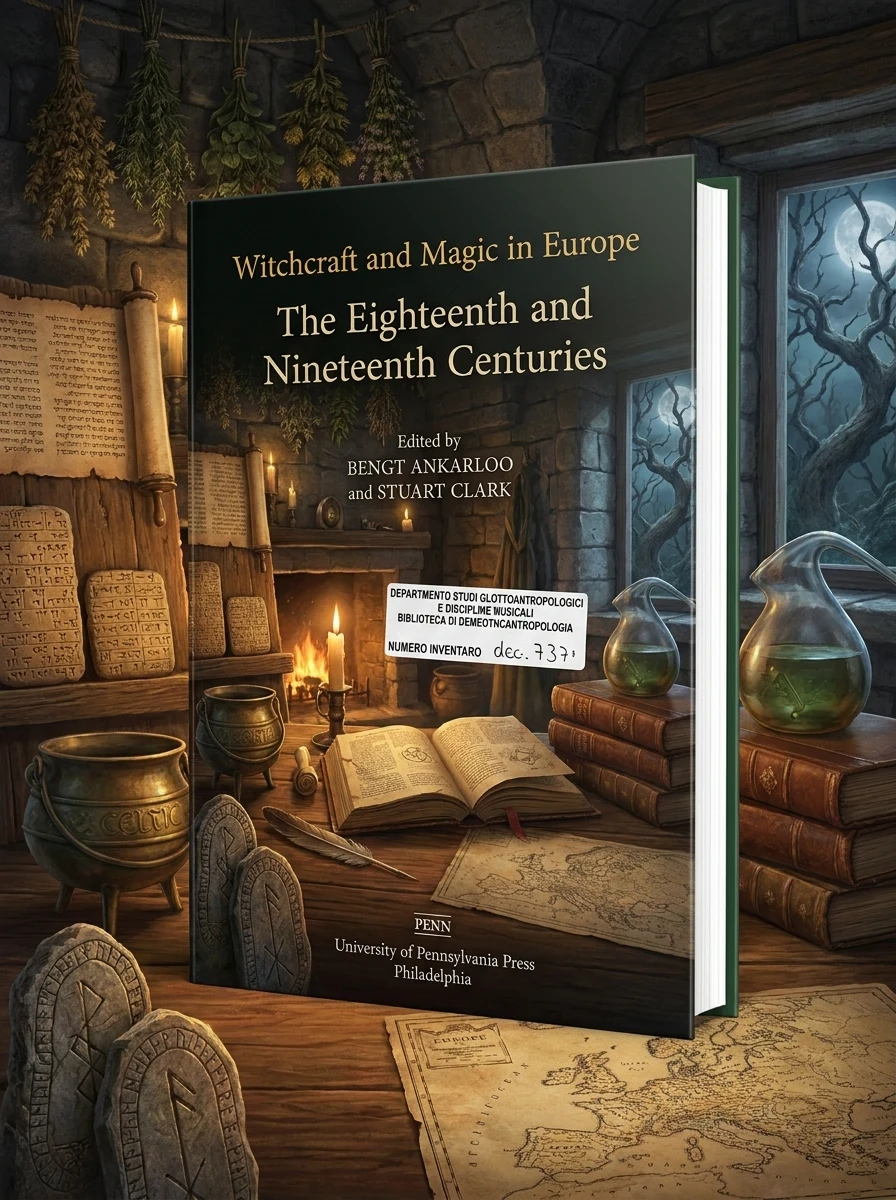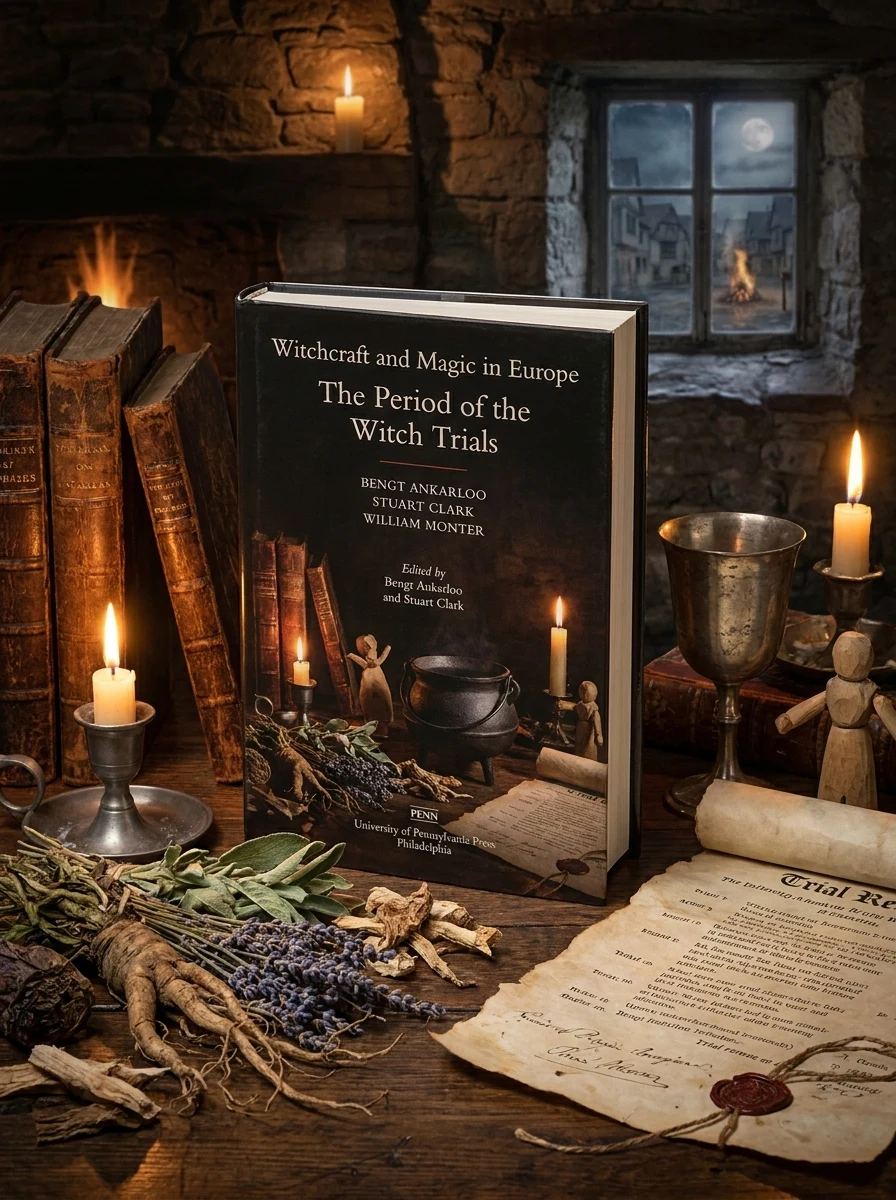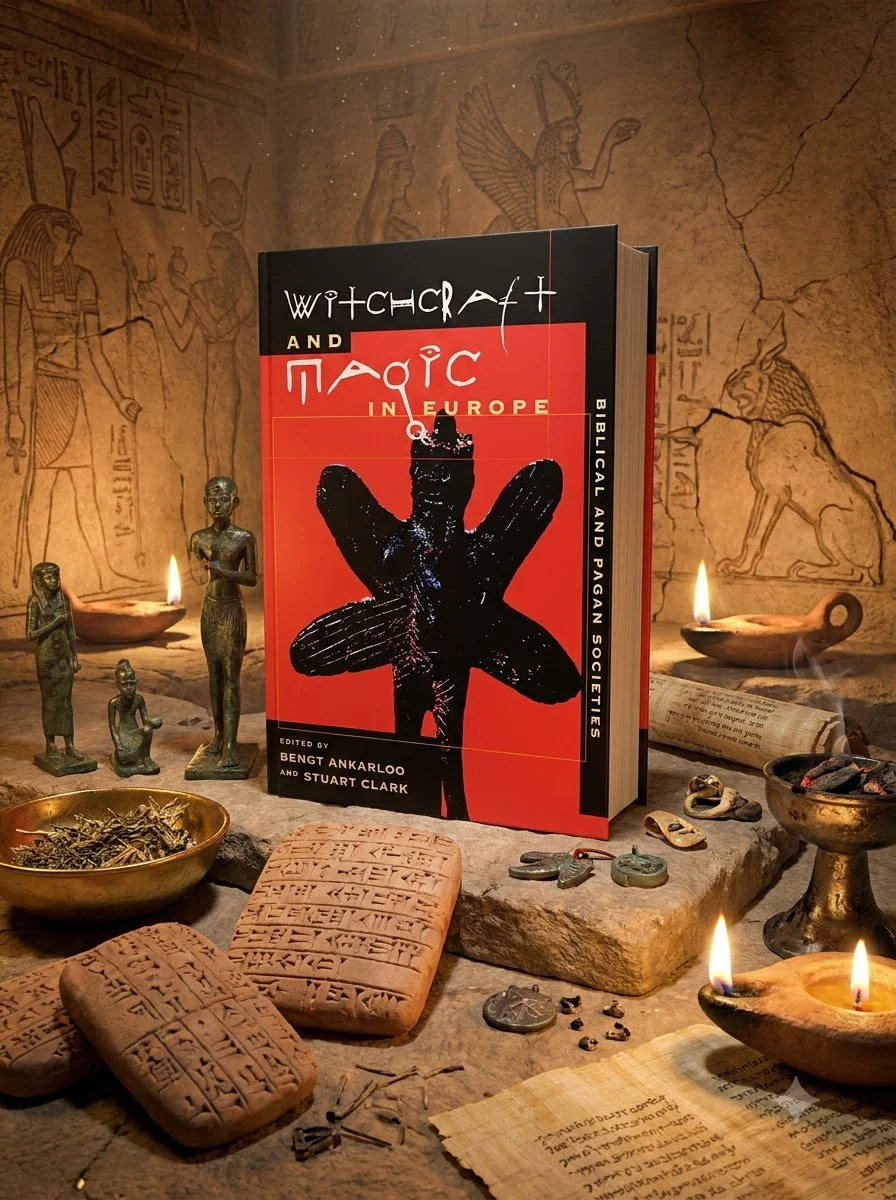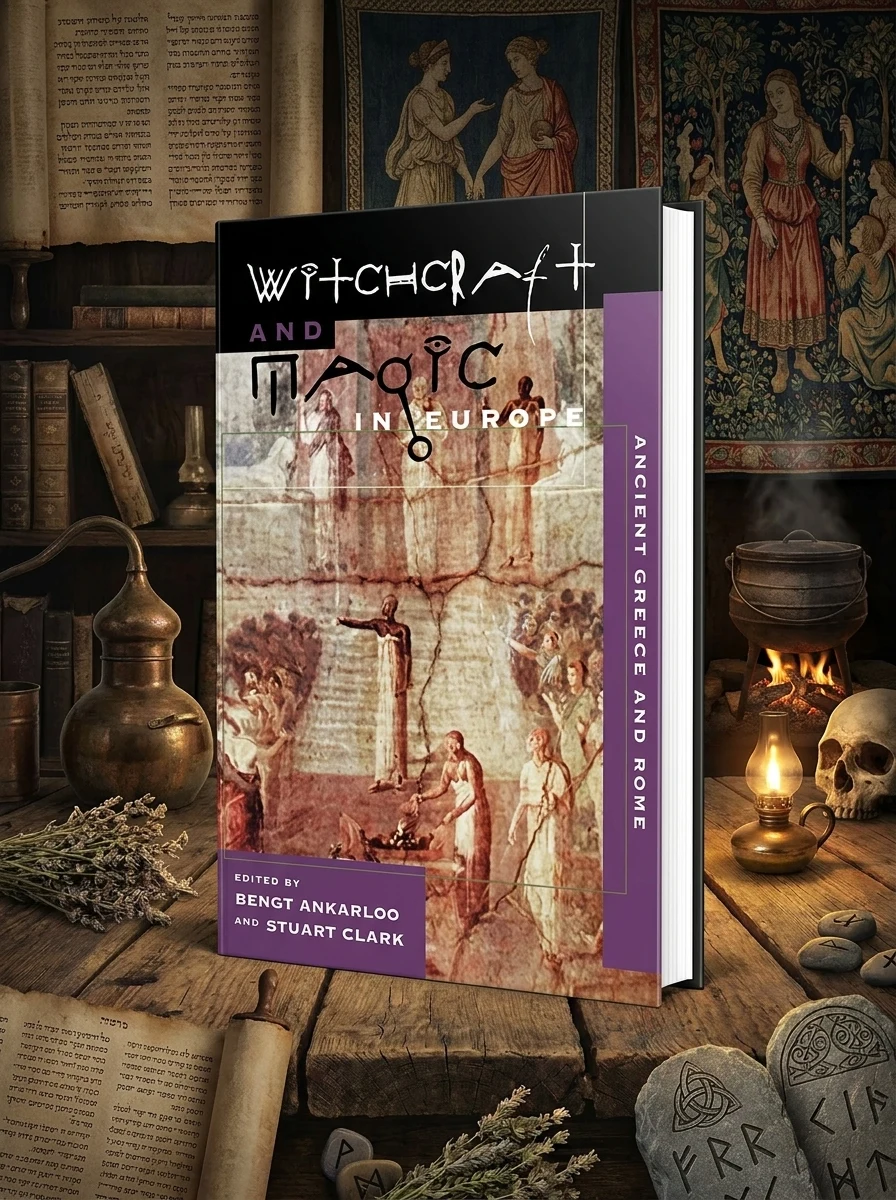
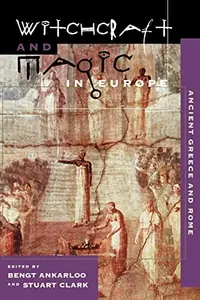
Witchcraft and Magic in Europe, Volume 2: Ancient Greece and Rome - Ingram Academic Ankarloo, Bengt
Ankarloo, Bengt; , Clark, Stuart

Stock reported in the catalog; fulfillment is confirmed with your request.
Unearth the ancient roots of European magic, from Homer's epics to the dawn of Christianity.
This scholarly volume delves deep into the origins of European magic and witchcraft, charting its evolution across Ancient Greece and Rome. Spanning over a millennium, from the heroic age of Homer to the rise of Christianity, it meticulously examines how supernatural beliefs intertwined with cultural shifts. The work integrates historical, anthropological, and psychological perspectives, revealing the complex tapestry of ancient magical practices and their enduring influence on Western thought.
This volume anchors itself firmly within the academic study of European occult history, specifically tracing the foundational magical traditions of Ancient Greece and Rome. It serves as a critical scholarly bridge between classical antiquity and the subsequent Christian era, establishing the historical lineage of Western esoteric thought.


📝 Description: Witchcraft and Magic in Europe, Volume 2: Ancient Greece and Rome - Ingram Academic Ankarloo, Bengt
💎 Expert review
📖 Why choose it
Why this book is worth reading
Scholars, historians of religion, and dedicated practitioners of esoteric traditions will find immense value in this rigorous examination of ancient magical practices. By integrating historical, anthropological, and psychological perspectives, the text offers a comprehensive understanding of how supernatural beliefs evolved alongside cultural shifts from Homer’s era to early Christianity. It is essential for those seeking to unearth the deep, complex roots of European magic and understand the enduring influence these ancient frameworks exert on modern Western thought. This work provides the necessary depth for anyone wanting to move beyond superficial myths into the nuanced reality of antiquity's magical worldview.
⭐ Reader reviews
Reader rating
Ankarloo and Clark deliver a meticulously researched academic tome that is indispensable for serious students of history and religion. However, casual readers or those seeking accessible, narrative-driven occult guides will likely find this work dense and dry. It demands patience and a willingness to engage with scholarly analysis rather than entertaining storytelling. The book does not suit those looking for practical spell-casting instructions or light reading; instead, it appeals strictly to those prepared to tackle the complex tapestry of ancient beliefs through rigorous historical and anthropological lenses.
❓ Frequently asked questions
📖 Who should read this
If you're drawn to the deep history of magical practices, classical antiquity, or the complex interplay between culture and belief, this scholarly exploration offers unparalleled depth. It's ideal for those seeking rigorous academic insight into the supernatural world of ancient civilizations.
🎯 Key themes and symbolism
Foundations of European Magic
This volume meticulously traces the diverse origins of European magical traditions, exploring their deep connections to ancient Near Eastern, Celtic, Nordic, and Germanic cultures. It highlights how these foundational beliefs were woven into the fabric of Greek and Roman societies, influencing their folklore and rituals long before the Christian era.
Interdisciplinary Perspectives
Moving beyond traditional historical accounts, the series adopts a multifaceted approach. It synthesizes insights from political, legal, and social history with critical analyses from cultural anthropology, historical psychology, and gender studies, offering a richer, more nuanced understanding of ancient supernatural beliefs and practices.
Cultural Transformation
The book navigates a period of profound change across the Mediterranean, witnessing the rise and fall of empires and the emergence of new spiritual paradigms. It explores how shifting political landscapes and the competition between various creeds shaped the perception and practice of magic from antiquity to the early Christian era.
💬 Quotes from the book
“The supernatural, far from being a fringe element, was deeply embedded within the social and political fabric of ancient Greek and Roman life, shaping daily rituals and grand narratives alike.”
“Examining these ancient belief systems through the lens of gender studies reveals crucial insights into the roles and perceptions of practitioners often overlooked by traditional historical accounts.”
📜 Historical context
📚 Glossary
- Esotericism
- Syncretism
- Paganism
📔 Questions to reflect on
- Considering the blend of ancient Near Eastern and European traditions, how might modern magical practices still echo these foundational influences?
- How does an interdisciplinary approach, combining history with psychology and anthropology, enrich your understanding of ancient supernatural beliefs compared to a purely historical view?
- Reflect on the cultural shifts discussed in the book. How did the rise of new creeds like Christianity impact the perception and practice of magic in the Roman world?
📖 From the series “Witchcraft and Magic in Europe (Paperback)”
All books in the series →

✍️ More books by this author Ankarloo, Bengt; , Clark, Stuart
All books by this author →🏛 Books from this publisher University of Pennsylvania Press
All books from this publisher →
You might also like
See more →