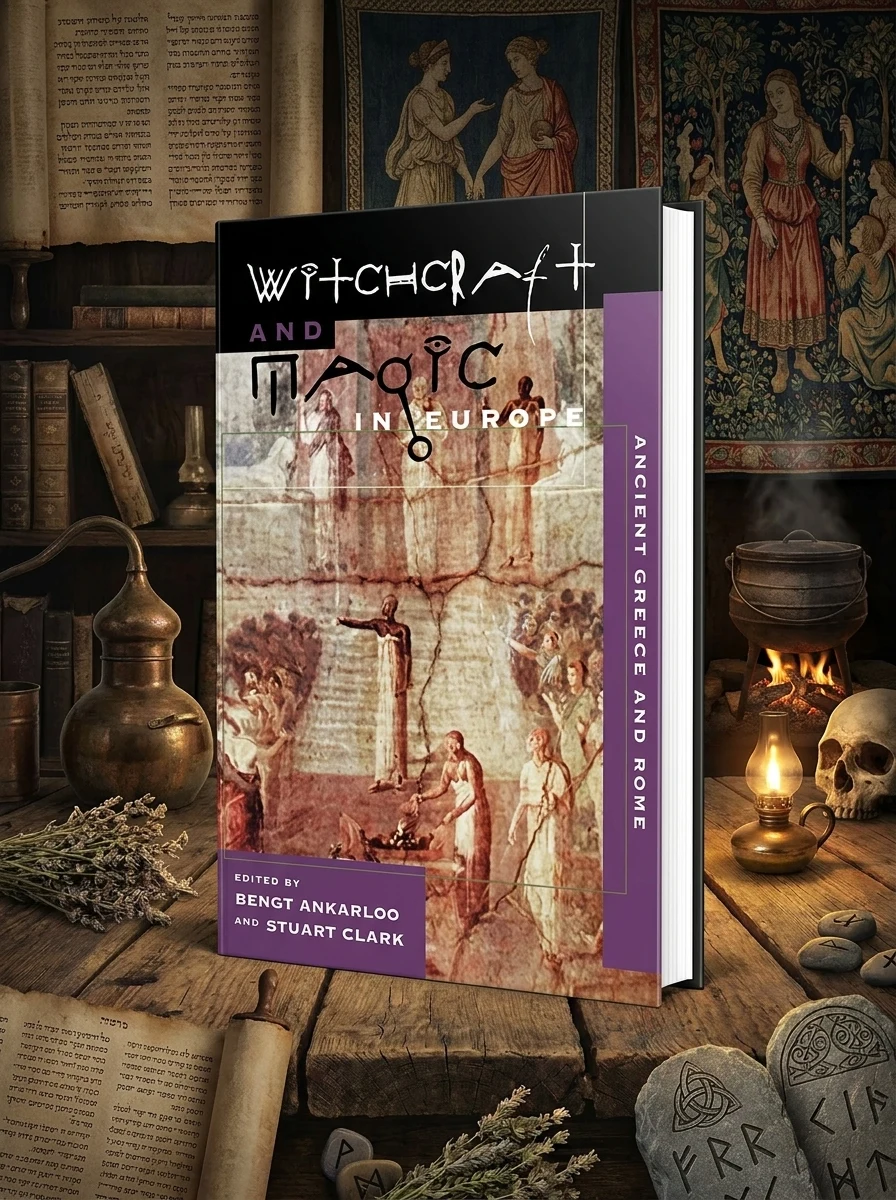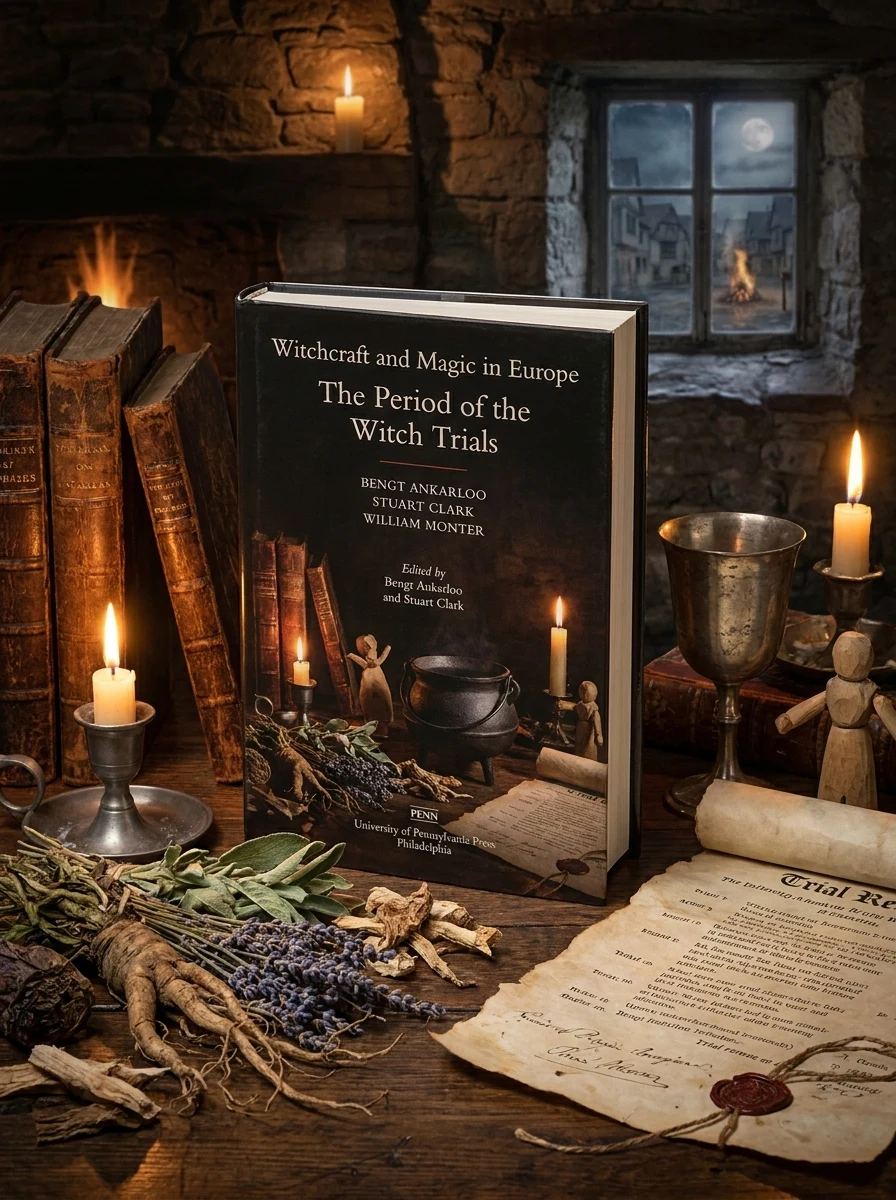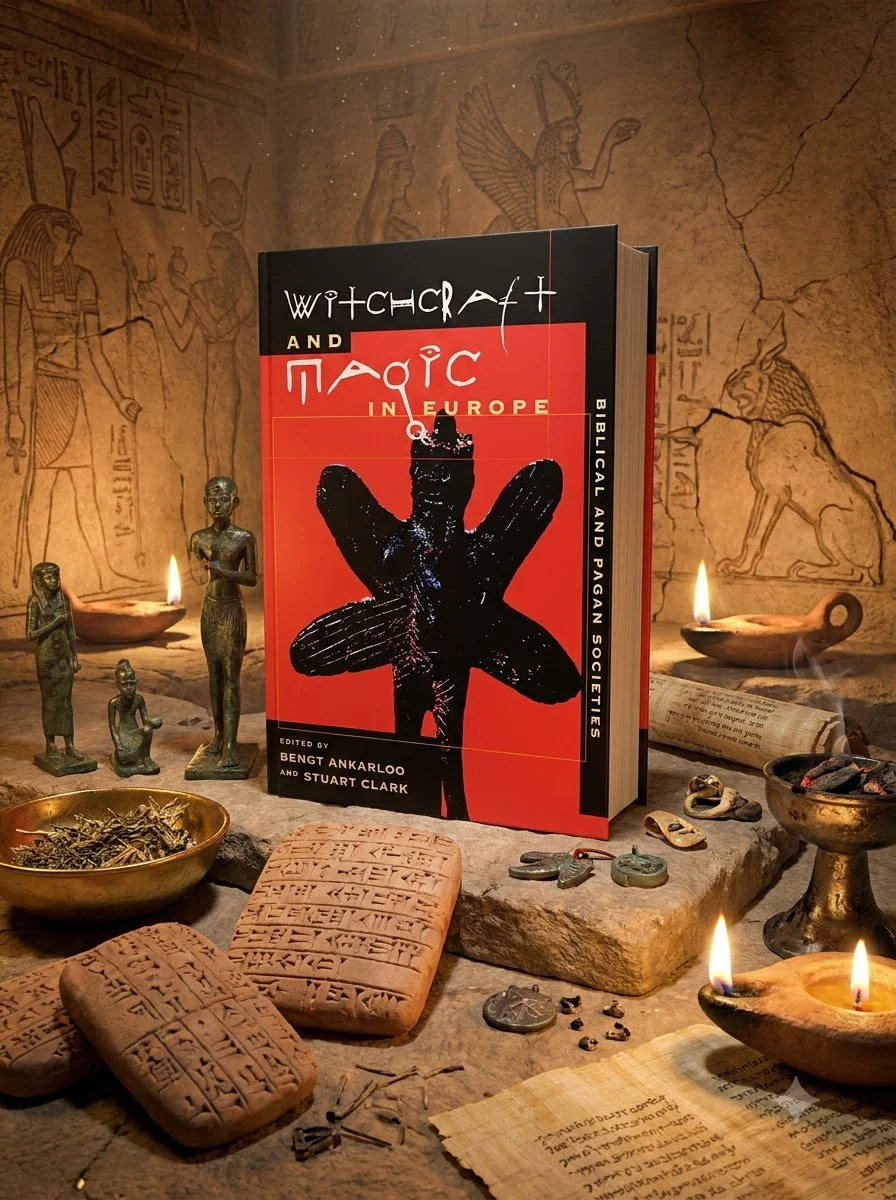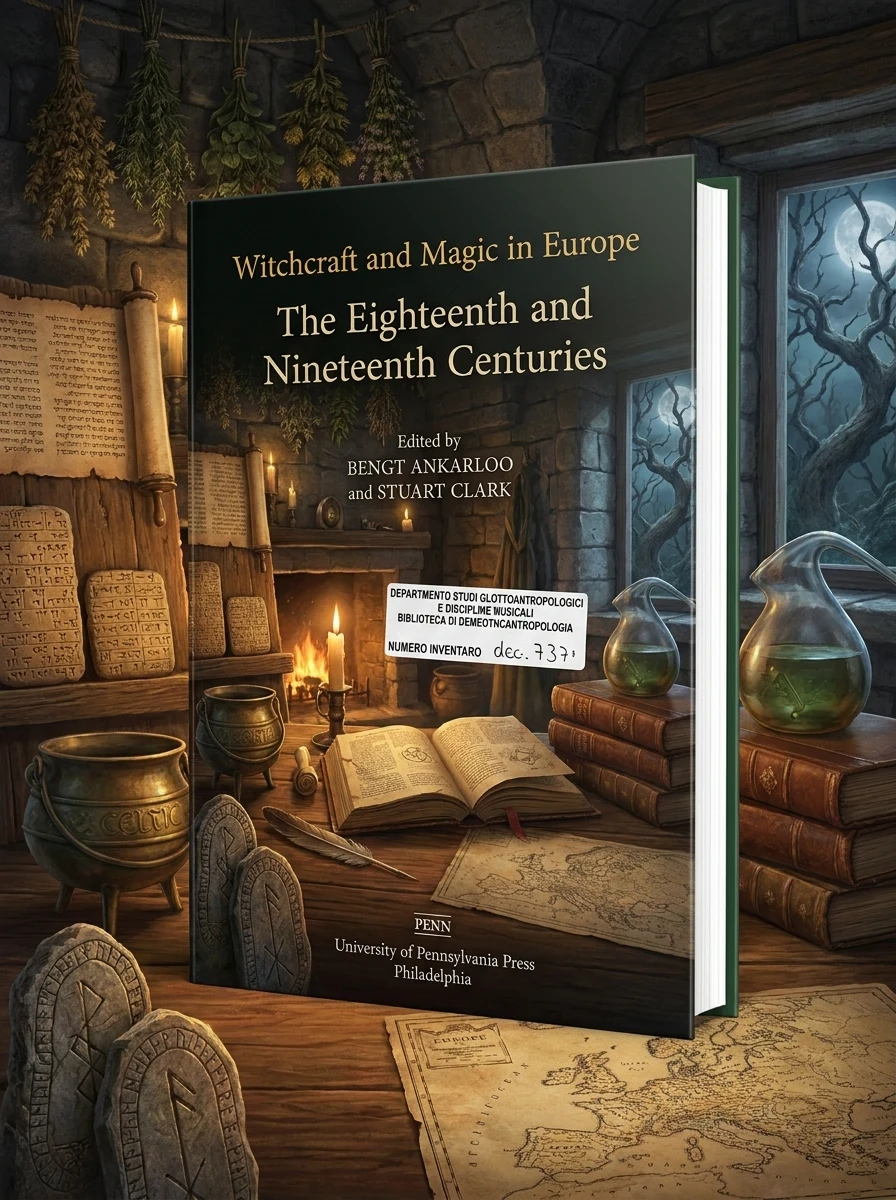
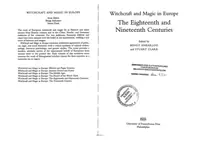
Witchcraft and Magic in Europe, Volume 5: The Eighteenth and Nineteenth Centuries - Ingram Academic Ankarloo, Bengt
Ankarloo, Bengt; , Clark, Stuart

Stock reported in the catalog; fulfillment is confirmed with your request.
Uncover how Europe shed witch trials, yet remained deeply enchanted by the unseen world.
This pivotal volume in the "Witchcraft and Magic in Europe" series delves into the profound transformations of the 18th and 19th centuries. It meticulously charts the decline of formal witch trials across the continent, investigating the complex social and legal forces at play. Challenging the notion of a purely "disenchanted" age, the text reveals the enduring presence and evolving forms of supernatural belief, from its vital role in community life to the burgeoning Victorian fascination with the occult. Expert scholars combine historical analysis with cultural anthropology, offering a nuanced portrait of a world still deeply entwined with magic.
This volume serves as a crucial continuation of the comprehensive 'Witchcraft and Magic in Europe' series, focusing on the transitional period between the early modern and modern eras. It bridges the gap between the era of formal judicial persecution and the rise of spiritualism by examining how magical beliefs evolved during the 18th and 19th centuries.


📝 Description: Witchcraft and Magic in Europe, Volume 5: The Eighteenth and Nineteenth Centuries - Ingram Academic Ankarloo, Bengt
💎 Expert review
📖 Why choose it
Why this book is worth reading
Scholars and enthusiasts of esoteric history will find this text invaluable for understanding the nuanced shift in European supernatural beliefs. It challenges the simplistic narrative of a purely disenchanted age, revealing how magic persisted in community life and Victorian occultism. Readers seeking to grasp the complex social forces behind the decline of witch trials will appreciate the expert synthesis of historical analysis and cultural anthropology. This book is essential for anyone interested in the enduring human fascination with the unseen world and the intellectual transition from trial-based persecution to modern magical practice.
⭐ Reader reviews
Reader rating
This academic work offers a rigorous, scholarly examination of how Europe navigated the decline of witch trials while maintaining deep supernatural engagement. It is not suitable for casual readers seeking sensational ghost stories or practical spellcasting instructions. The dense analysis of legal and social forces may overwhelm those unfamiliar with cultural anthropology or early modern history. However, for those committed to understanding the intellectual and societal underpinnings of magical belief during the 18th and 19th centuries, it provides a nuanced, expertly researched portrait that corrects common misconceptions about the 'disenchantment' of the era.
❓ Frequently asked questions
📖 Who should read this
If you're fascinated by the shifting landscape of magical belief and its societal impact, or wish to challenge simplistic narratives of "enlightenment," this volume is essential. It offers a sophisticated, interdisciplinary perspective for anyone seeking a deeper understanding of European cultural history.
🎯 Key themes and symbolism
End of Witch Trials
Explore the complex historical processes that led to the abolition of witchcraft trials across Europe. This volume meticulously analyzes the legal, political, and social factors that reshaped perceptions of magic and criminality, marking a significant turning point in the continent's relationship with the supernatural.
Persistent Supernatural Beliefs
Contrary to popular belief, this work argues that the 18th and 19th centuries were far from "disenchanted." It illustrates how beliefs in the supernatural persisted and adapted, playing crucial roles in European communities and evolving into new forms, such as the widespread Victorian interest in the occult.
Social Magic & Victorian Occult
Discover how magic and witchcraft functioned within European societies even after decriminalization. The book also provides a comprehensive examination of the burgeoning Victorian supernaturalism, exploring its various manifestations and its significance in a rapidly modernizing world, from spiritualism to esoteric societies.
💬 Quotes from the book
“The cessation of judicial witch hunts did not signify a sudden evaporation of the magical worldview, but rather its complex metamorphosis into new social expressions.”
“By fusing legal history with the insights of cultural anthropology, we unveil how witchcraft, even in decline, retained a vital, if shifting, presence in communal life.”
📜 Historical context
📚 Glossary
- Decriminalization
- Disenchantment
- Victorian Supernaturalism
📔 Questions to reflect on
- What does "disenchantment" truly mean in a historical context, and how might this book challenge conventional understandings of it?
- Consider how the social role of magic might persist and adapt within a community, even after its legal persecution has ended.
- In what ways do modern esoteric movements or spiritual practices echo, or diverge from, the Victorian supernaturalism explored in this volume?
📖 From the series “Witchcraft and Magic in Europe (Paperback)”
All books in the series →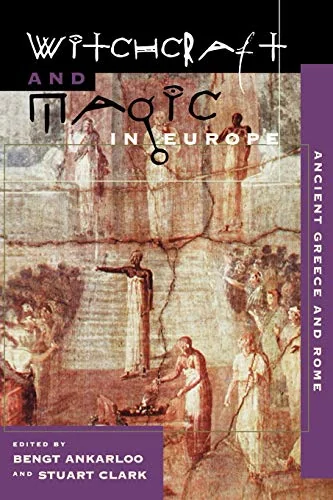

✍️ More books by this author Ankarloo, Bengt; , Clark, Stuart
All books by this author →🏛 Books from this publisher University of Pennsylvania Press
All books from this publisher →
You might also like
See more →