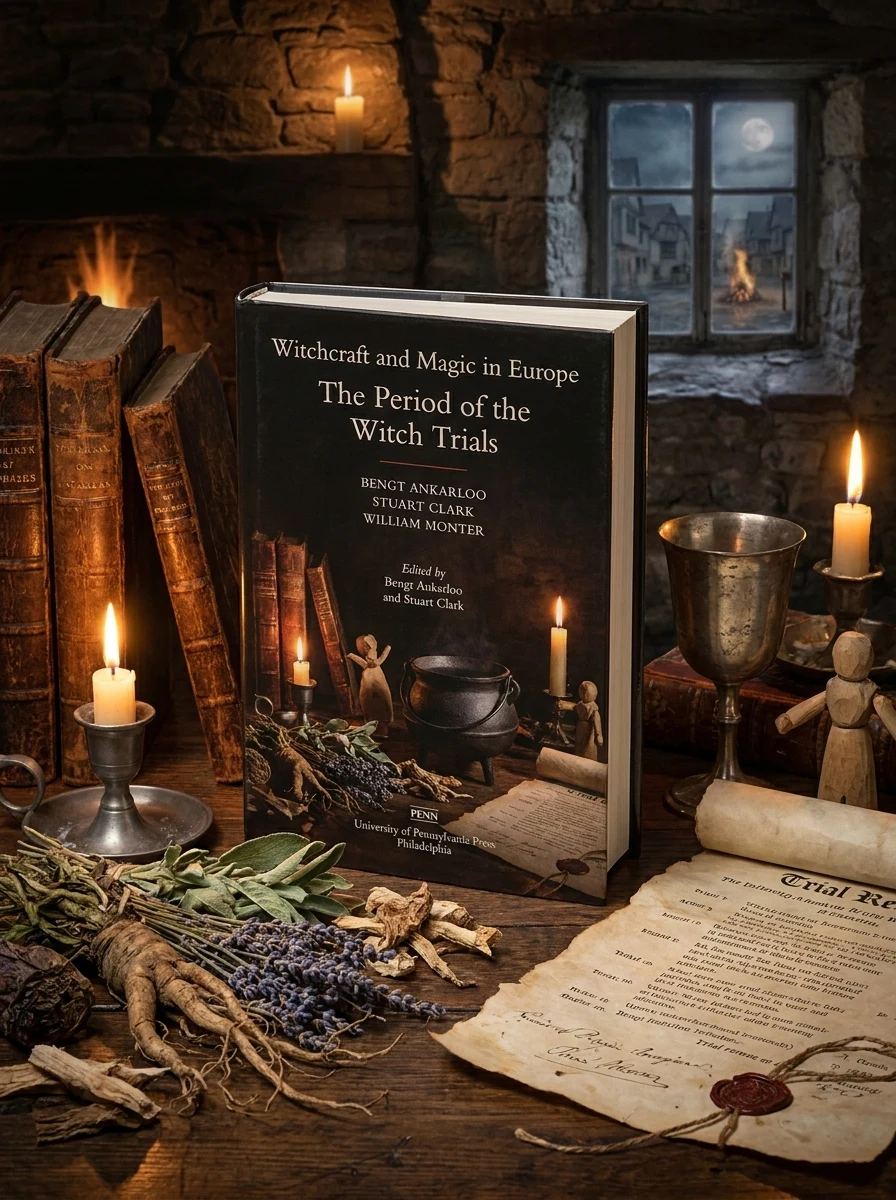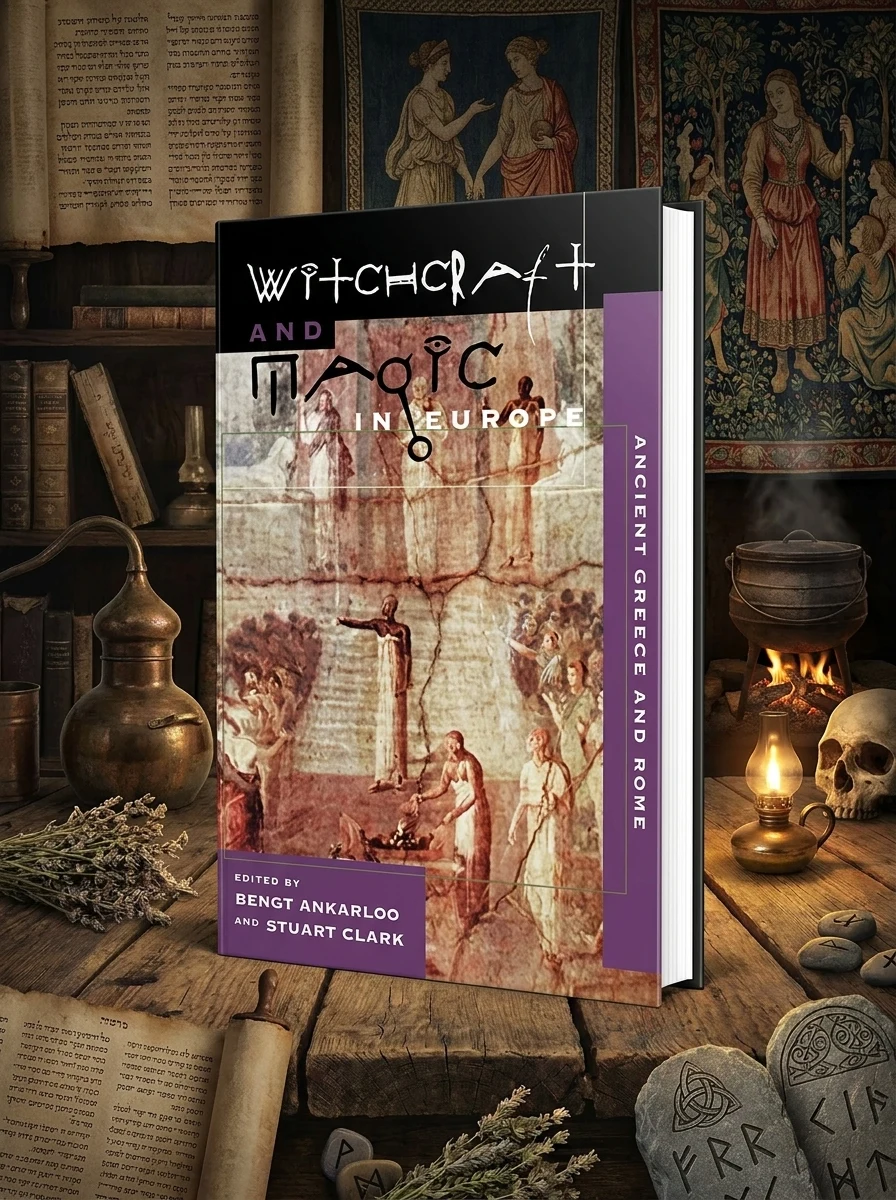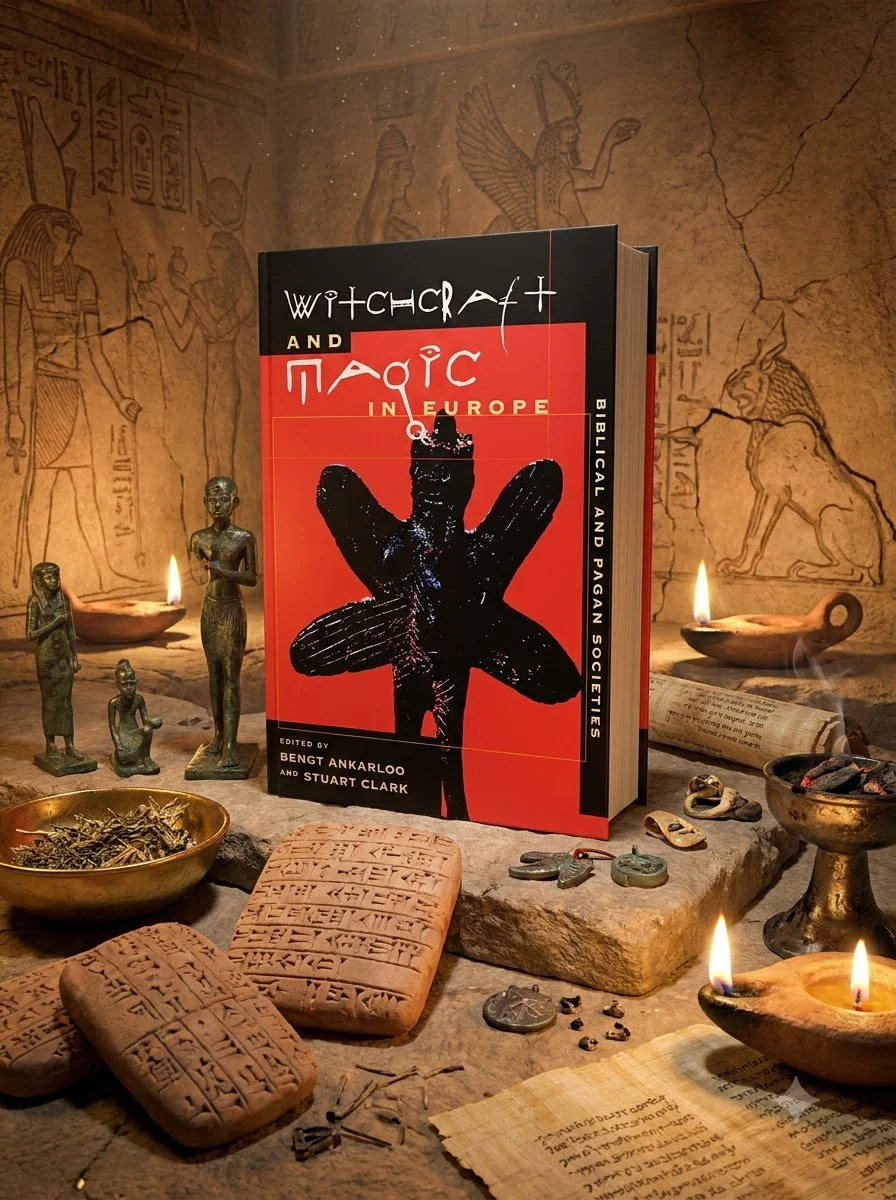
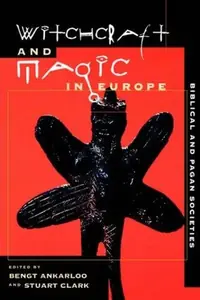
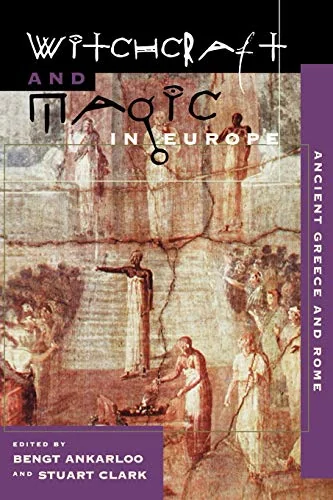
Witchcraft and Magic in Europe, Volume 1: Biblical and Pagan Societies - Ingram Academic Ankarloo, Bengt
Ankarloo, Bengt

Stock reported in the catalog; fulfillment is confirmed with your request.
Trace the ancient roots of European sorcery from Near Eastern spells to Celtic rites.
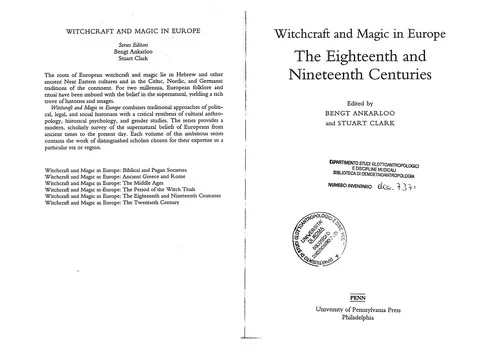
This volume excavates the deep strata of magical belief, beginning in the ancient Near East where spells were mundane tools for influencing fate. It charts how Hebrew communities defended their ritual purity against neighboring cults, while Mesopotamian texts reveal a society gripped by fear of maleficium. The narrative then sweeps across the continent, showing how Celtic, Nordic, and Germanic traditions merged with these ancient currents. By synthesizing political, legal, and social history, the work demonstrates that magic was never mere superstition, but a vital arena for negotiating power, healing, and divine favor across two millennia of European life.
This volume serves as a foundational academic text within the historiography of European witchcraft, bridging the gap between ancient Near Eastern magical practices and later medieval societal structures. It positions itself firmly within scholarly discourse on the social and political functions of magic rather than folklore or pop culture interpretations.


📝 Description: Witchcraft and Magic in Europe, Volume 1: Biblical and Pagan Societies - Ingram Academic Ankarloo, Bengt
💎 Expert review
📖 Why choose it
Why this book is worth reading
Scholars, historians, and serious enthusiasts of esoteric history will find this volume indispensable for its rigorous excavation of magic’s deep roots. It moves beyond simplistic narratives of superstition to reveal how spells were practical tools for influencing fate in ancient societies. Readers interested in the intersection of political power, legal systems, and divine favor will appreciate the synthesis of social history with occult practices. It is essential for understanding how Hebrew communities defended ritual purity against neighboring cults and how Celtic, Nordic, and Germanic traditions evolved. This book offers a nuanced perspective on magic as a vital arena for negotiation rather than mere fear, providing a comprehensive backdrop for any study of European magical belief from biblical times onward.
⭐ Reader reviews
Reader rating
Ingram Academic Ankarloo presents a dense, scholarly excavation of magical beliefs, offering valuable insights into the mundane utility of spells in Mesopotamia and the political implications of magic in ancient societies. However, this is not a light read for casual hobbyists or those seeking narrative-driven folklore. The text demands patience, as it prioritizes historical analysis over engaging storytelling. Readers looking for practical grimoires or sensational accounts of witch hunts will find little here. It is strictly for those willing to engage with complex arguments about ritual purity and societal power dynamics. While intellectually robust, its academic tone may alienate general audiences seeking accessible introductions to the topic.
❓ Frequently asked questions
📖 Who should read this
Scholars of early religious history, practitioners of historical magic, and readers interested in the sociopolitical mechanics of ancient ritual. It suits those seeking rigorous academic analysis over romanticized folklore.
🎯 Key themes and symbolism
Ritual Power Dynamics
The text explores how magical practices served as political instruments. Rival cults competed for social precedence, using rituals to assert dominance or defend against perceived threats from neighboring groups and internal dissenters.
Fear of Maleficium
Mesopotamian incantations reveal a profound anxiety about being bewitched. These texts functioned as medical and spiritual defenses, illustrating how ordinary people sought protection against invisible forces that threatened their health and social standing.
Cross-Cultural Synthesis
European folklore did not emerge in isolation. The book traces the lineage of witchcraft from Hebrew and Near Eastern roots, showing how Celtic and Germanic traditions absorbed and transformed these ancient beliefs into distinct regional magical systems.
💬 Quotes from the book
“The social and political role of magic is apparent, too, in the competition to achieve precedence over rival systems of ritual practice and belief.”
“Magical rituals were also used to maintain harmony between the human and divine realms.”
📜 Historical context
📚 Glossary
- Maleficium
- Incantation
- Syncretism
📔 Questions to reflect on
- How might your own daily rituals serve as defenses against unseen negative forces?
- In what ways do you see competition for 'truth' or 'power' in modern spiritual practices?
- How does the blending of ancient traditions in this text mirror your own eclectic spiritual path?
✍️ More books by this author Ankarloo, Bengt
All books by this author →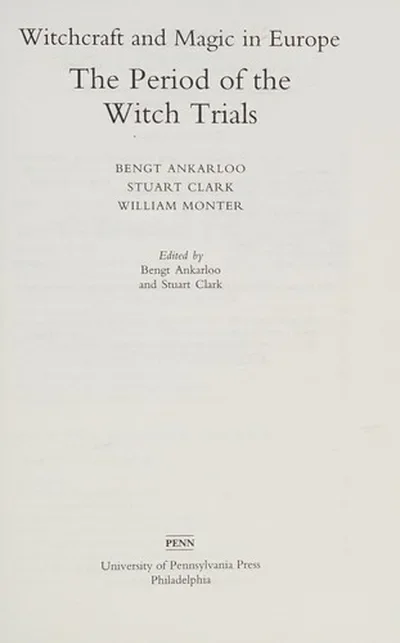
🏛 Books from this publisher University of Pennsylvania Press
All books from this publisher →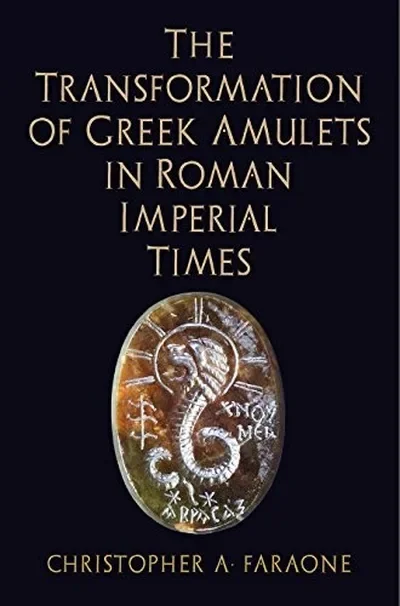
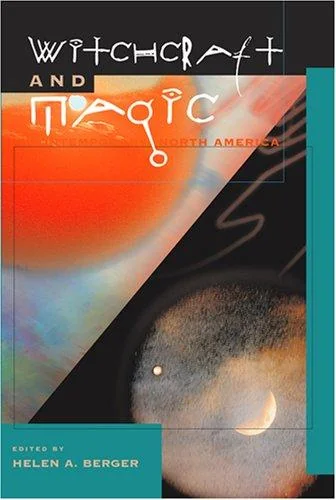

You might also like
See more →