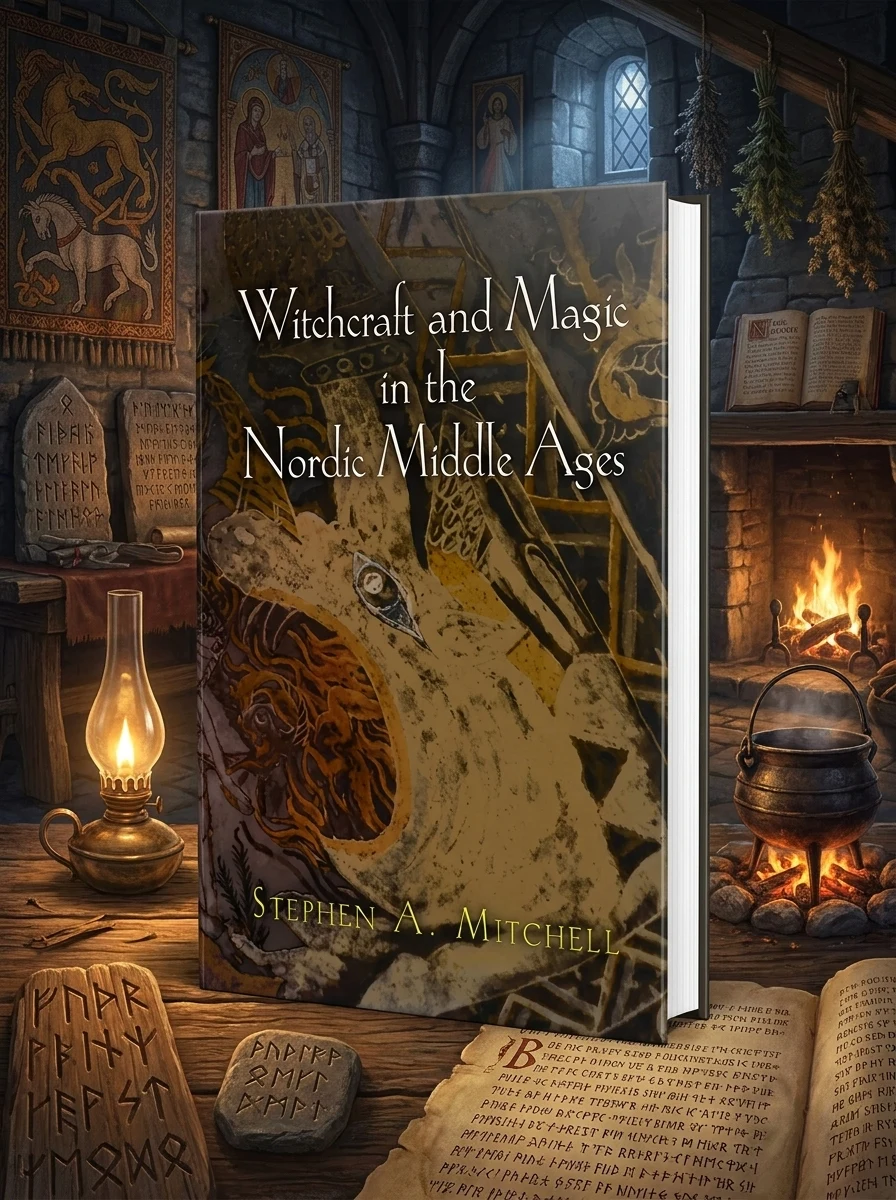
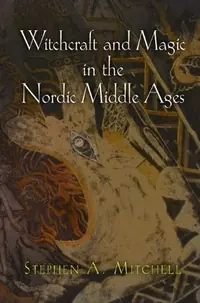
Witchcraft and Magic in the Nordic Middle Ages - Ingram Academic Mitchell, Stephen A


Stock reported in the catalog; fulfillment is confirmed with your request.
Unearth the hidden magic and ancient beliefs shaping medieval Scandinavia.
Stephen A. Mitchell meticulously explores magical practices and their practitioners across the Nordic Middle Ages. This comprehensive study delves into how individuals, sometimes believing in their own power, sought to influence their world through occult means. Mitchell illuminates the complex interplay between these beliefs and the legal, literary, and popular cultures of the era. Drawing from a rich tapestry of sources—from iconic Icelandic sagas to obscure runic inscriptions and ecclesiastical records—the work spans from Christianity's firm establishment around 1100 to the eve of the Reformation's witch hunts, revealing a vibrant spiritual landscape.
This work situates itself within the rigorous academic study of medieval Nordic history and comparative religion, bridging the gap between literary analysis and historical theology. It explores the intersection of Christian institutional power and indigenous esoteric traditions during a pivotal era in Scandinavian cultural evolution.


📝 Description: Witchcraft and Magic in the Nordic Middle Ages - Ingram Academic Mitchell, Stephen A
💎 Expert review
📖 Why choose it
Why this book is worth reading
Scholars and enthusiasts of esoteric history will find profound value in Mitchell’s meticulous excavation of medieval Scandinavian occultism. By weaving together Icelandic sagas, runic inscriptions, and ecclesiastical records, the author reveals a vibrant spiritual landscape that persisted long after Christianity's establishment. This book is essential for those seeking to understand how individuals navigated legal and popular cultures while wielding perceived magical power. It offers a nuanced view of practitioners who influenced their world through means often misunderstood by modern eyes. Readers interested in the complex interplay between belief systems and societal structures will appreciate the depth of this comprehensive study, which illuminates the hidden magic shaping medieval Scandinavia.
⭐ Reader reviews
Reader rating
Mitchell delivers a dense, scholarly examination that demands patience but rewards with rich historical insight. The text is rigorous, relying heavily on primary sources like obscure inscriptions and legal records rather than narrative flair. Consequently, it does not suit readers seeking accessible popular history or those expecting romanticized depictions of Viking sorcery. Academic researchers and serious students of medieval religion will find the analysis compelling and thorough. However, casual hobbyists may find the tone too dry and the focus on ecclesiastical records less engaging than the literary aspects. It is a vital resource for understanding the era's spiritual complexity but requires a dedicated intellectual approach to fully appreciate its contributions.
❓ Frequently asked questions
📖 Who should read this
If you're drawn to the enigmatic world of medieval belief, the intricate dance between faith and magic, or the rich tapestry of Scandinavian history and folklore, this comprehensive volume is an essential addition to your library. Delve into a meticulously researched account that will deepen your understanding.
🎯 Key themes and symbolism
Nordic Magical Practices
This book intimately examines the individuals who engaged in various forms of magic throughout medieval Scandinavia. It explores their perceived abilities, the specific methods they employed to influence their surroundings, and the societal roles they occupied, whether as cunning folk, healers, or those accused of malevolent sorcery.
Medieval Societal Reactions
Mitchell meticulously details how Nordic society, across its diverse classes and institutions, reacted to the presence of magic. From the stern pronouncements of legal codes and church doctrines to the nuanced portrayals in sagas and the whispered tales of common folk, the work uncovers the multifaceted ways communities grappled with the supernatural.
Belief Systems Intertwined
The study highlights the fascinating overlap between newly established Christian doctrines and enduring pre-Christian spiritual traditions in the Nordic lands. It explores how ancient beliefs, rituals, and supernatural entities continued to influence daily life and magical practices, even as the Church sought to solidify its dominance.
💬 Quotes from the book
“The boundaries between what constituted acceptable folk practice and what was deemed malevolent sorcery were often fluid, shifting with local custom and ecclesiastical decree.”
“Beyond the epic sagas, the true echoes of everyday magic resonate in the mundane legal records and the subtle symbolism embedded within church iconography.”
📜 Historical context
📚 Glossary
- Saga
- Runes
- Syncretism
📔 Questions to reflect on
- How might the persistence of pre-Christian beliefs have shaped the unique character of Nordic Christianity, as opposed to other European regions?
- Consider the role of the 'magical practitioner' in medieval society. Were they feared, revered, or both, and why?
- If you were a medieval Scandinavian, how do you think you would have distinguished between divine intervention, natural phenomena, and actual magic?
📖 From the series “Middle Ages”
All books in the series →🏛 Books from this publisher University of Pennsylvania Press
All books from this publisher →

You might also like
See more →