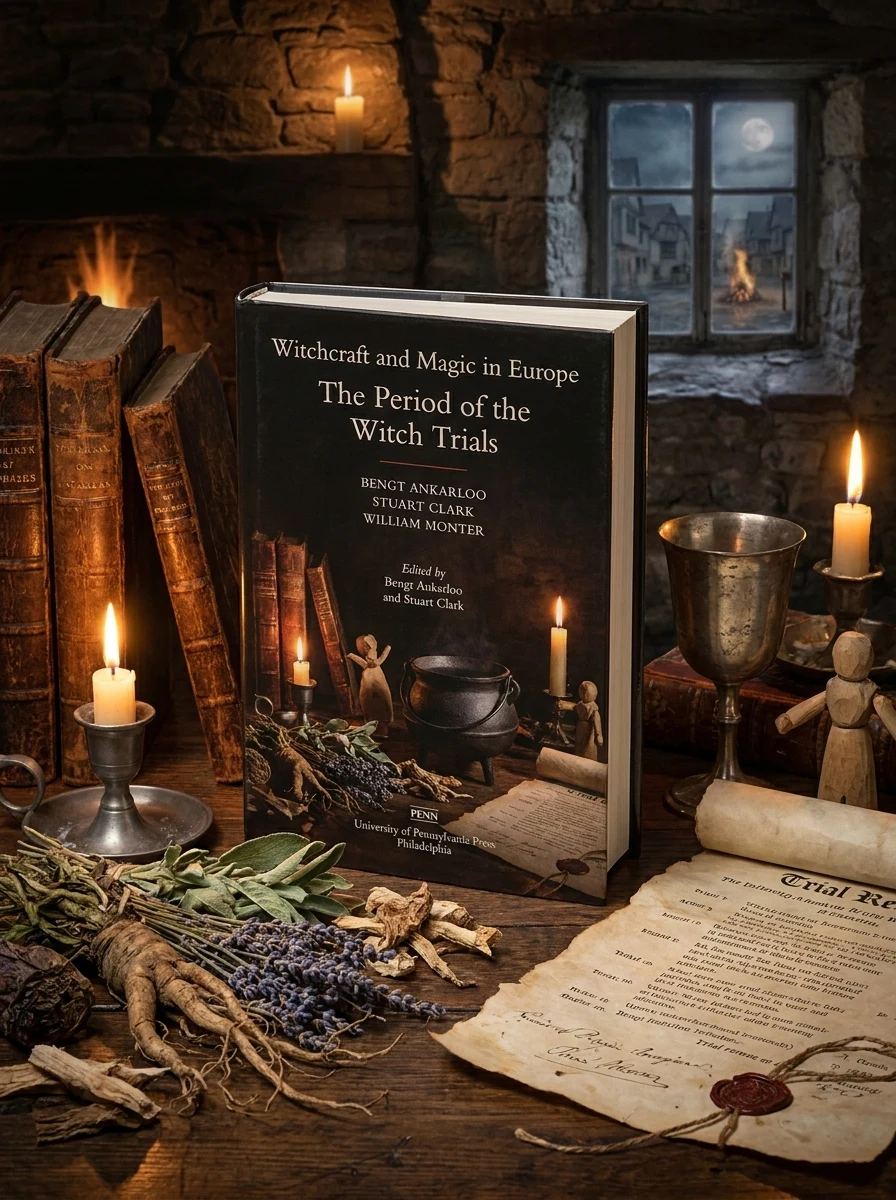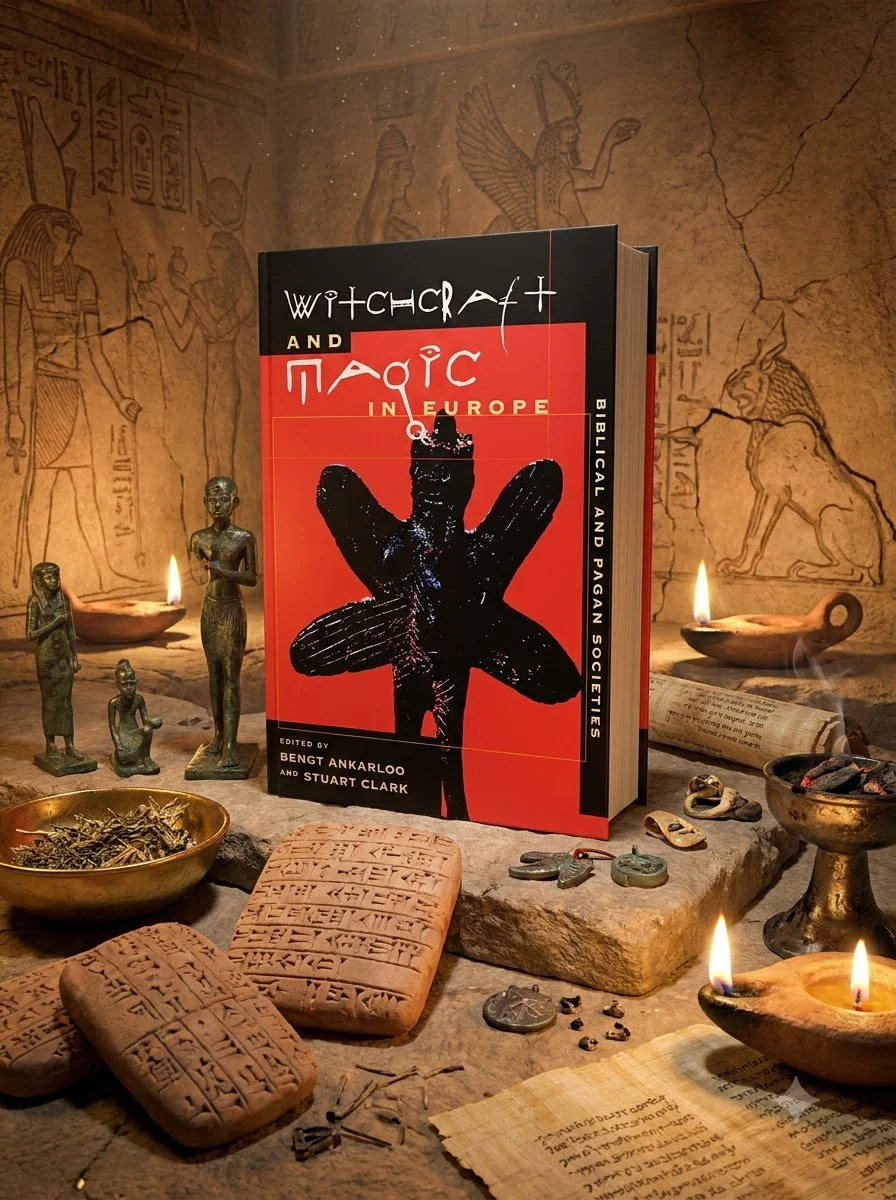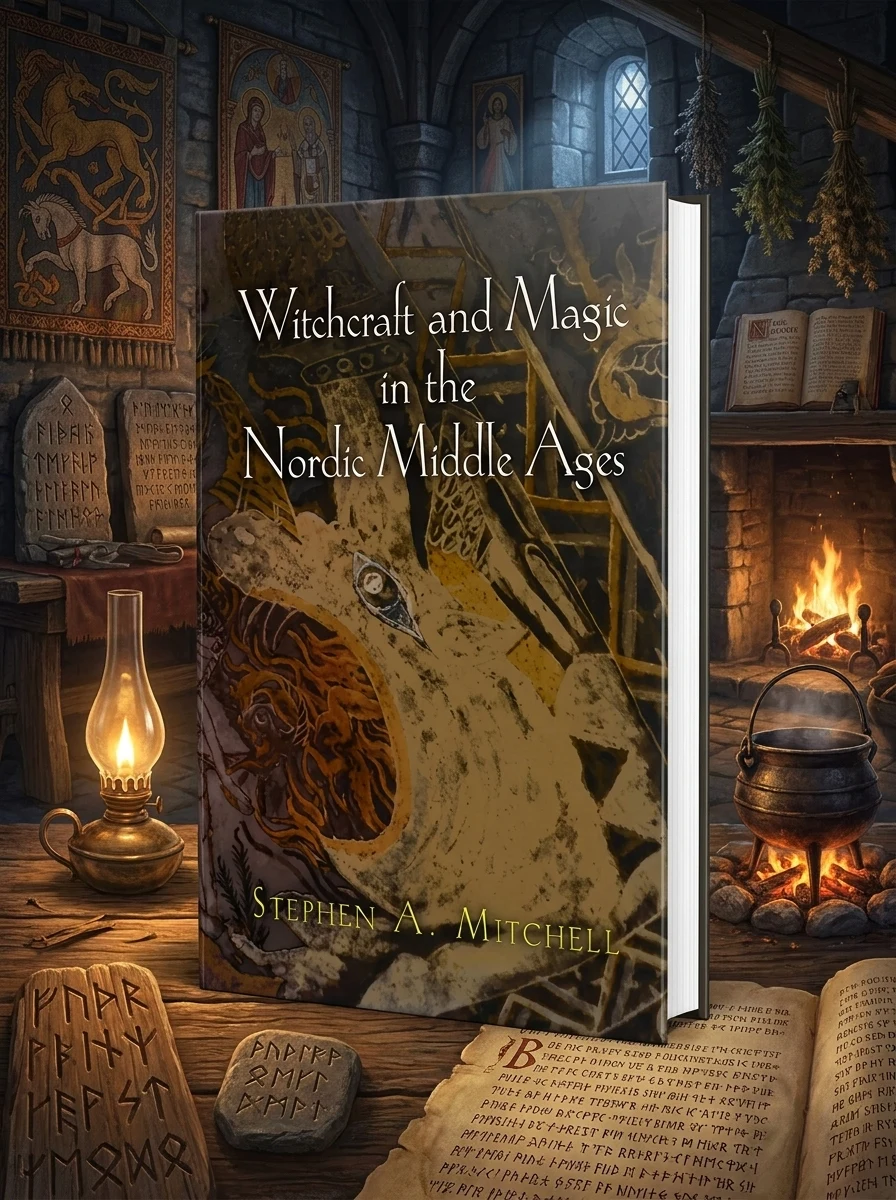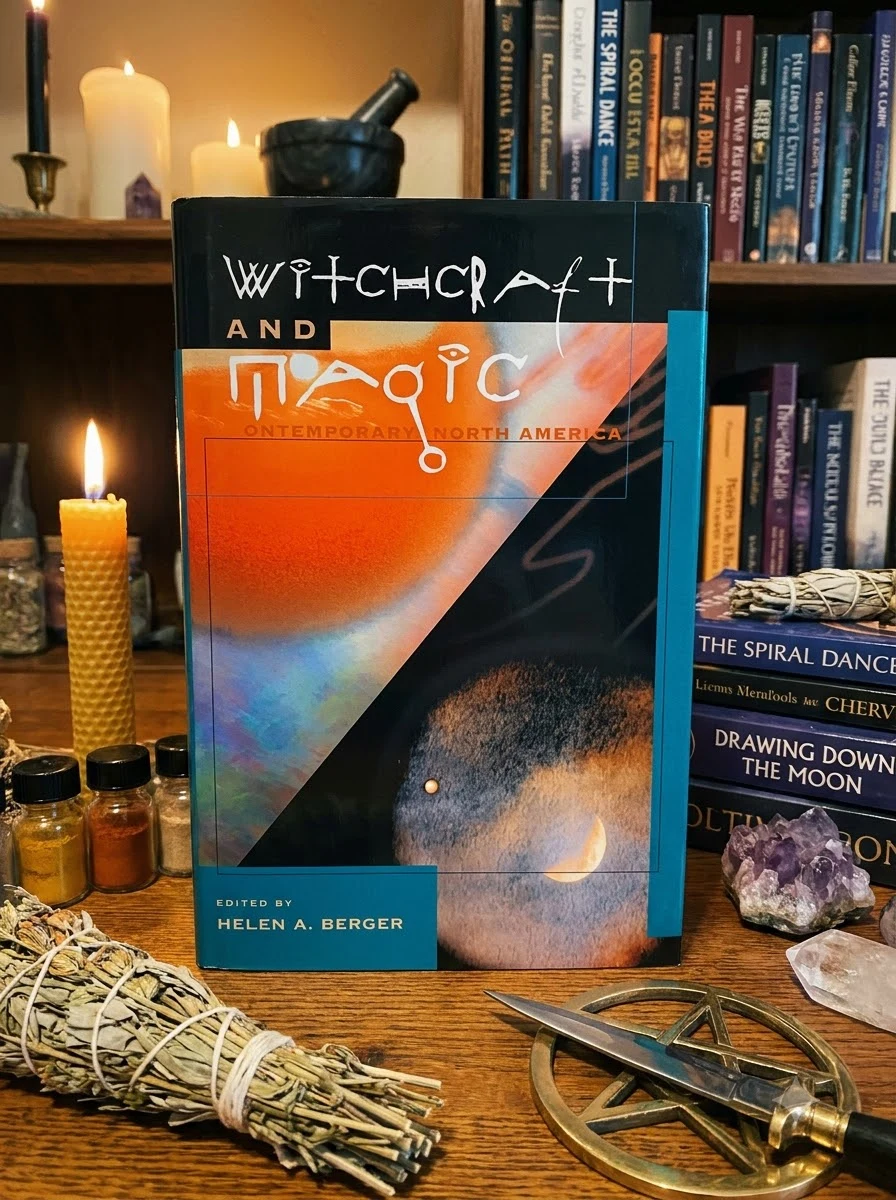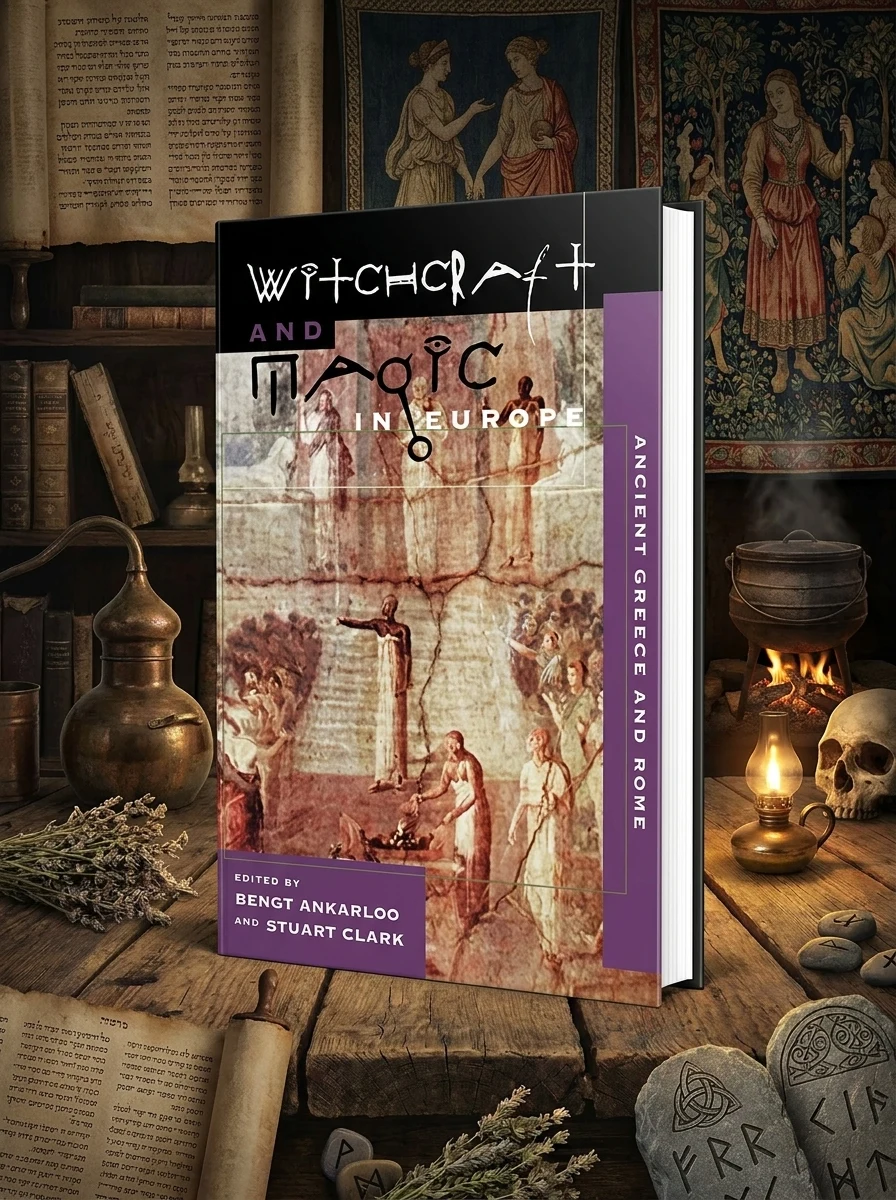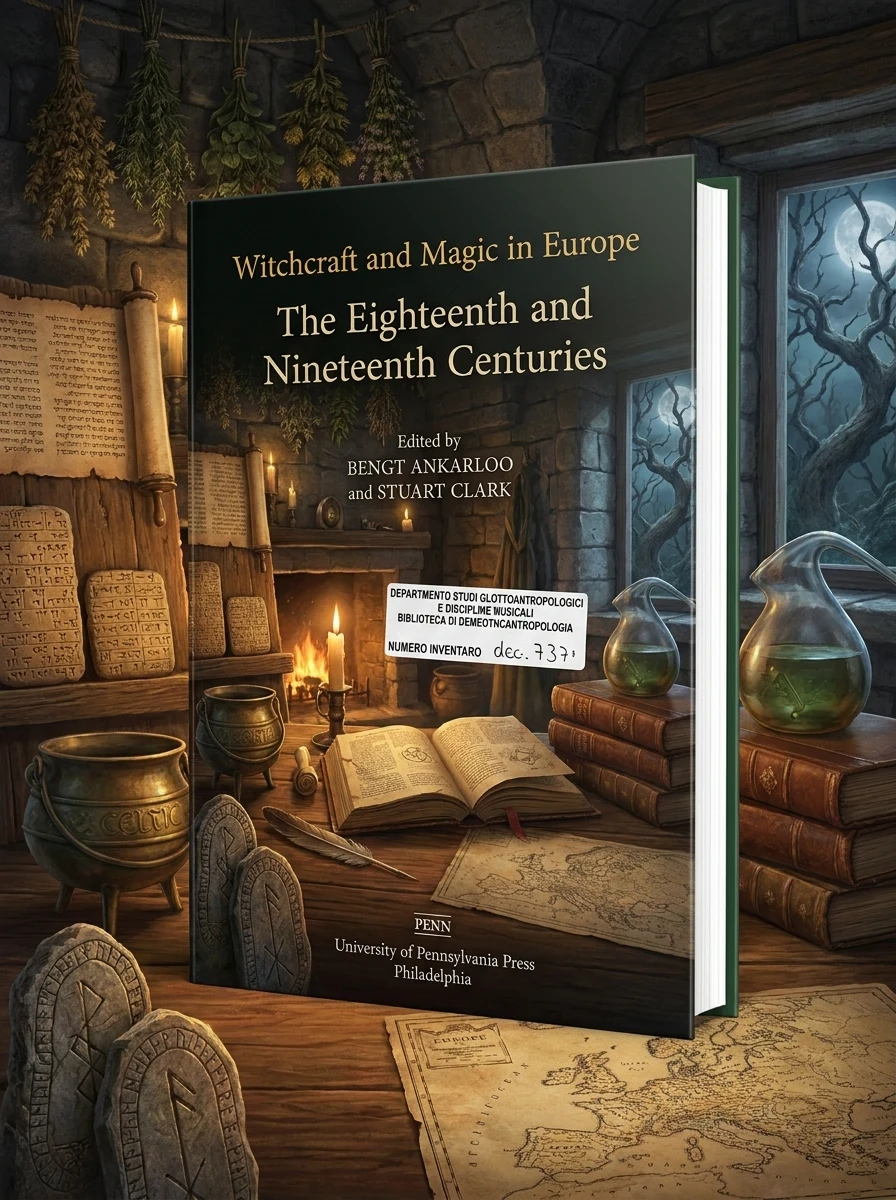

Witchcraft and Magic in Europe, Volume 3: The Middle Ages - Ingram Academic Ankarloo, Bengt
Ankarloo, Bengt

Stock reported in the catalog; fulfillment is confirmed with your request.
Uncover the medieval roots of European witchcraft trials and the Church's evolving hostility toward the occult.
This volume chronicles the dramatic shift in medieval Europe where pagan rituals first blended with Christian liturgy, only to be later demonized. It details how the twelfth-century surge in white magic triggered a severe ecclesiastical crackdown, forcing the Church and state to align their powers against unsanctioned supernatural practices. By weaving together political history, legal records, and psychological insights, the authors illustrate how these early tensions laid the grim groundwork for the violent witch hunts that would soon engulf the continent.
This volume situates itself within the rigorous academic study of European occult history, specifically examining the medieval period's complex interplay between pagan traditions and Christian orthodoxy. It serves as a critical scholarly resource for understanding the historical mechanisms that transformed folk magic into criminalized heresy.


📝 Description: Witchcraft and Magic in Europe, Volume 3: The Middle Ages - Ingram Academic Ankarloo, Bengt
💎 Expert review
📖 Why choose it
Why this book is worth reading
This book is an essential read for serious students of history, theology, and the evolution of esoteric practices who wish to understand the structural origins of European witchcraft trials. It particularly benefits those interested in how institutional power shapes cultural narratives around the supernatural. Readers will gain a nuanced perspective on the twelfth-century ecclesiastical crackdowns and the political alliances that targeted unsanctioned magic. By integrating legal records with psychological insights, the text illuminates the grim groundwork for subsequent witch hunts. It is ideal for academic researchers and dedicated practitioners seeking to contextualize their interests within broader historical frameworks, offering a deep dive into the demonization of pagan rituals and the Church's evolving hostility toward the occult.
⭐ Reader reviews
Reader rating
Exactly what I was looking for. It's become a regular reference in my practice.
Ordered this after seeing it referenced in another book I was studying. It rewards patience more than any book I've bought this year. Some sections stopped me cold in the best way. Good, with the caveats above.
Added this to my reference shelf. Solid binding, decent paper — holds up to heavy use. Recommended with reservations.
Ordered this after seeing it referenced in another book I was studying. The symbolism is layered and generous to patient readers. The font runs small in the appendices. Still worth having on the shelf.
Not my usual area but wanted to branch out. Some chapters demand a slow, careful read, and that's exactly the point. A few pages arrived with light corner wear, though nothing serious. Still worth having on the shelf.
Ankarloo provides a dense, scholarly analysis of medieval witchcraft that demands patience from its audience. The text excels in detailing the political and legal alignments against supernatural practices but may alienate casual readers seeking accessible narratives or practical magical instruction. It is not suited for those expecting sensationalist accounts or quick historical overviews; rather, it rewards those willing to engage with complex intersections of theology, law, and social history. While intellectually robust, its academic tone and focus on institutional hostility make it less appealing to general enthusiasts preferring lighter, narrative-driven histories of magic.
❓ Frequently asked questions
📖 Who should read this
Scholars of medieval history, students of religious sociology, and those interested in the genealogy of Western persecution. It appeals to readers seeking rigorous academic analysis over sensationalist narratives of the occult.
🎯 Key themes and symbolism
Ecclesiastical Condemnation
Syncretism of Beliefs
Legal Centralization
💬 Quotes from the book
“The rise of white magic became so popular that it caused a widespread determination in the Church to condemn any unsanctioned beliefs.”
“Pagan beliefs and practices were absorbed into everyday culture, including the rituals of the Church.”
📜 Historical context
📚 Glossary
- Syncretism
- White Magic
- Ecclesiastical Centralization
📔 Questions to reflect on
- How did the absorption of pagan rituals into Christian liturgy shape early medieval identity?
- In what ways does the Church's fear of 'white magic' mirror modern anxieties about unauthorized knowledge?
- Compare the medieval legal approach to magic with contemporary views on spiritual autonomy.
✍️ More books by this author Ankarloo, Bengt
All books by this author →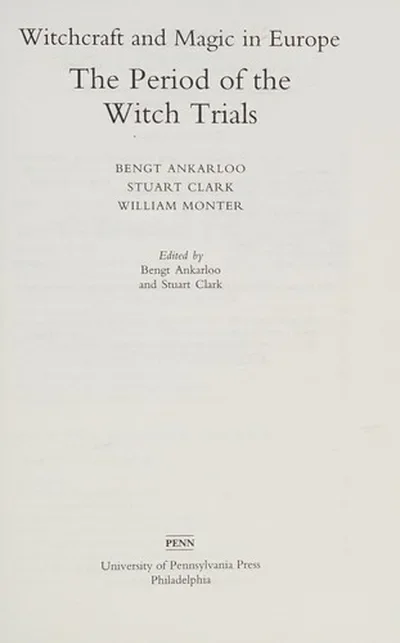
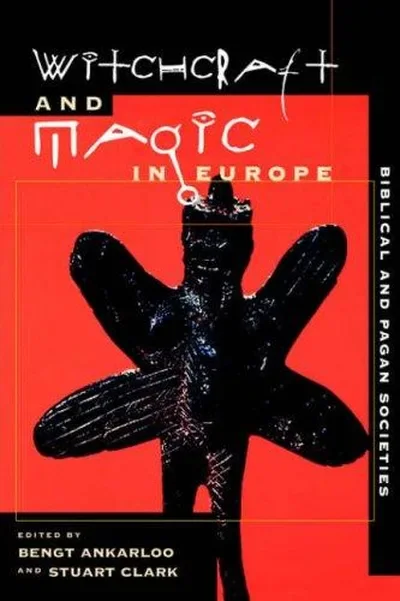
🏛 Books from this publisher University of Pennsylvania Press
All books from this publisher →

You might also like
See more →