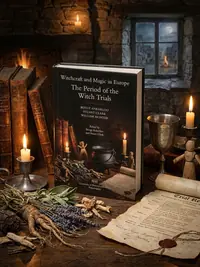
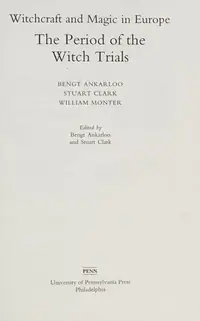
Witchcraft and Magic in Europe, Volume 4: The Period of the Witch Trials - Ingram Academic Ankarloo, Bengt
Ankarloo, Bengt

Stock reported in the catalog; fulfillment is confirmed with your request.
Uncover the legal machinery and cultural panic behind Europe's deadliest witch hunts in this scholarly deep dive.
This volume dissects the golden age of persecution, spanning the fifteenth to seventeenth centuries, with a sharp focus on the century following 1560. Rather than merely recounting horrors, it examines the intricate legal frameworks that enabled mass prosecutions. We explore how torture was systematized, how demonology became a respectable intellectual pursuit, and how gender studies and historical psychology reshape our understanding of these trials. It is a rigorous synthesis of political, social, and anthropological insights, offering a critical look at the intersection of law, fear, and the supernatural during Europe’s most intense phase of witchcraft hysteria.
This academic volume anchors the historical study of European witchcraft within the specific era of intense legal persecution, bridging the gap between supernatural folklore and institutionalized state violence during the early modern period.


📝 Description: Witchcraft and Magic in Europe, Volume 4: The Period of the Witch Trials - Ingram Academic Ankarloo, Bengt
💎 Expert review
📖 Why choose it
Why this book is worth reading
Scholars, historians, and serious enthusiasts of esoteric history will find this volume indispensable for understanding the structural mechanics behind the witch trials. It moves beyond sensationalist narratives to reveal how torture was systematized and demonology transformed into respectable intellectual discourse. By integrating gender studies and historical psychology, it offers a nuanced view of the political and social forces at play. Readers seeking to grasp the intersection of law, fear, and the supernatural will appreciate this rigorous synthesis, which provides critical insights into why these persecutions occurred and how they were legally justified during Europe's most intense phase of hysteria.
⭐ Reader reviews
Reader rating
Ankarloo delivers a dense, scholarly examination that prioritizes legal frameworks and cultural panic over narrative flair. This is not for casual readers seeking ghost stories or simple historical timelines; it requires patience for academic analysis. Those looking for accessible pop-history or spiritual guidance will likely find it dry and overly technical. However, for those committed to understanding the intricate machinery of persecution, it offers a vital, critical perspective on how demonology became an intellectual pursuit and how gender dynamics fueled mass prosecutions, making it essential for serious study.
❓ Frequently asked questions
📖 Who should read this
Scholars, legal historians, and serious practitioners seeking to understand the systemic, rather than purely mystical, roots of the witch trials. Ideal for those who want to move beyond folklore into the cold, hard mechanics of institutional persecution.
🎯 Key themes and symbolism
Legal Historiography
Historical Psychology
Gender Dynamics
💬 Quotes from the book
“The trials were not mere hysteria, but calculated legal performances where demonology served as both evidence and intellectual justification.”
“Torture was not an aberration but a central mechanism of the legal system itself.”
📜 Historical context
📚 Glossary
- Demonology
- Historical Psychology
- Gender Studies
📔 Questions to reflect on
- How might the legal structures of the 16th century have shaped the specific narratives of guilt presented in the trials?
- In what ways does viewing witchcraft as an 'intellectual pursuit' change our understanding of the accusers' motivations?
- How do the gender dynamics described here reflect broader societal anxieties about power and authority in early modern Europe?
✍️ More books by this author Ankarloo, Bengt
All books by this author →
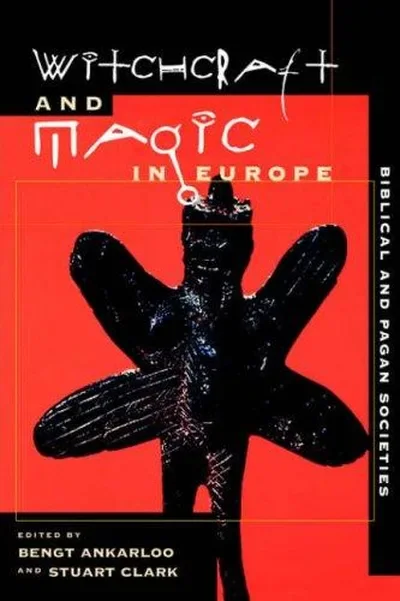
🏛 Books from this publisher University of Pennsylvania Press
All books from this publisher →

You might also like
See more →