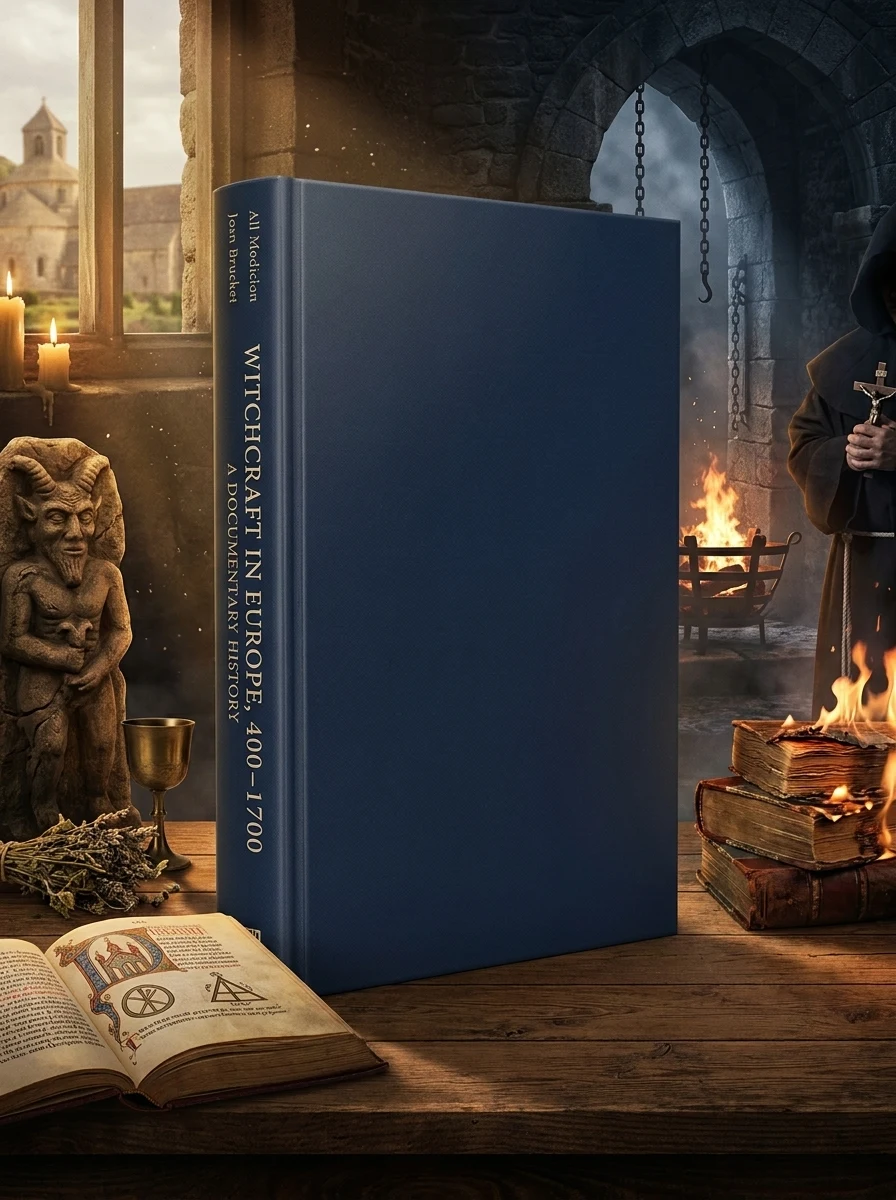
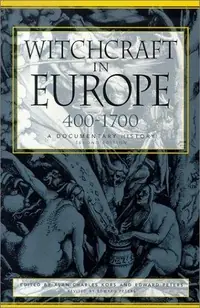
Witchcraft in Europe, 400-1700: A Documentary History - Ingram Academic Kors, Alan Charles


This edition can be ordered. No arrival date is confirmed.
Uncover the chilling primary sources that fueled centuries of European witch-hunts.
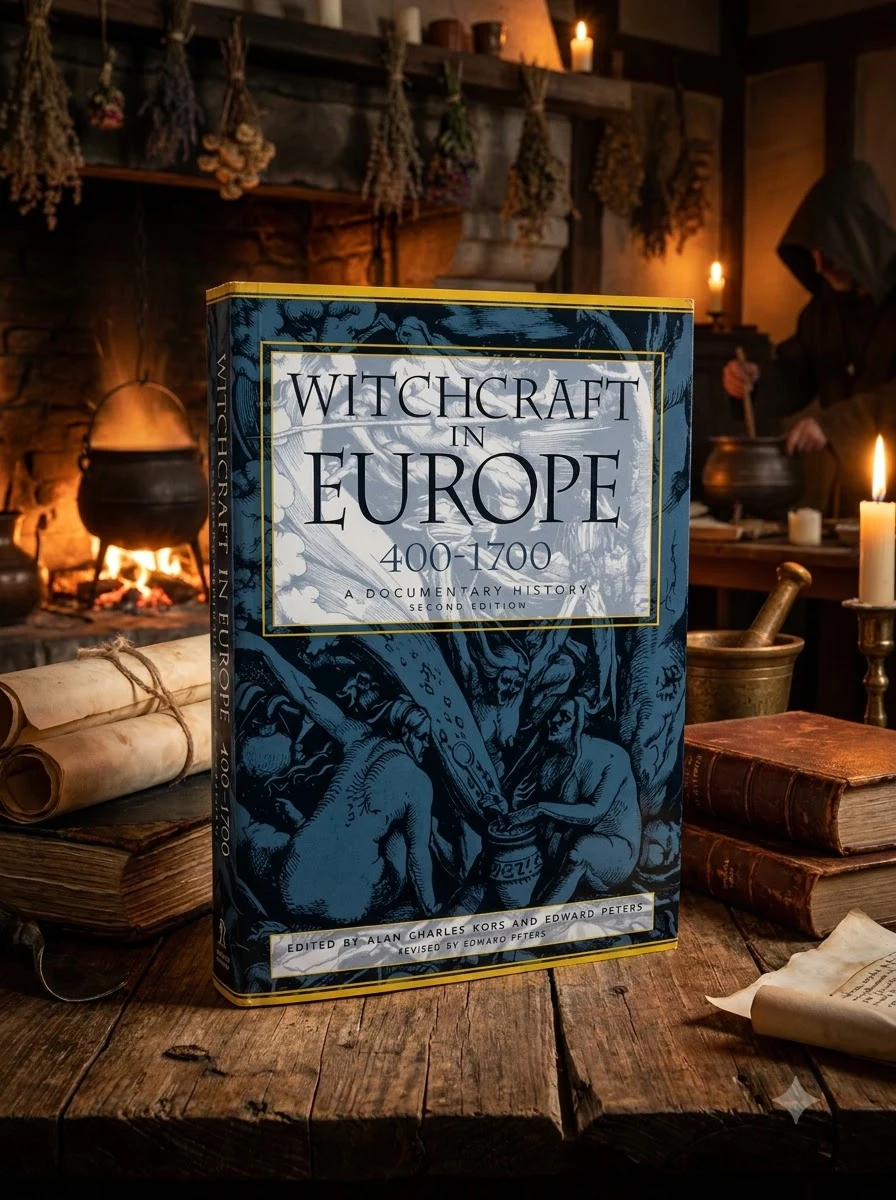
This extensively revised edition delves into the complex history of witchcraft in Europe from 400 to 1700. It presents an unprecedented collection of primary documents, many newly translated, offering direct insight into the evolution of witch-beliefs from late antiquity through the Enlightenment. Through trial records, inquisitors' reports, and personal confessions, alongside striking illustrations, the work illuminates how what was once considered mere folklore transformed into a terrifying, continent-wide obsession, shaped by the era's leading intellectual and legal minds.
This volume serves as a foundational scholarly resource within the field of early modern European history and the academic study of religious persecution. It bridges the gap between late antiquity folklore and Enlightenment legal thought through rigorous historical documentation.


📝 Description: Witchcraft in Europe, 400-1700: A Documentary History - Ingram Academic Kors, Alan Charles
💎 Expert review
📖 Why choose it
Why this book is worth reading
Scholars, historians, and serious enthusiasts of occult history will find immense value in this meticulously curated collection. It offers unparalleled access to the chilling primary sources that fueled centuries of European witch-hunts. By presenting newly translated trial records, inquisitors' reports, and personal confessions, it allows readers to witness the direct evolution of witch-beliefs from mere folklore into a terrifying continental obsession. Those seeking to understand how leading intellectual and legal minds shaped these fears will gain profound insight into the complex social and psychological dynamics of the era. It is an essential tool for anyone wishing to move beyond myth and engage with the raw, documented reality of this dark chapter in human history.
⭐ Reader reviews
Reader rating
Ingram Academic Kors and Edward Peters have produced a definitive documentary history that is indispensable for academic research. The inclusion of striking illustrations alongside newly translated texts provides a comprehensive view of the period's intellectual climate. However, readers seeking narrative flair or entertaining folklore will likely be disappointed by the dense, scholarly nature of the material. This book is not suitable for casual readers expecting a light read or those uninterested in rigorous historical analysis. It demands patience and a strong interest in legal and theological history, making it best suited for students and researchers rather than general audiences looking for accessible storytelling.
❓ Frequently asked questions
📖 Who should read this
If you seek to understand the grim realities behind the European witch-hunts, tracing their origins from antiquity to the Enlightenment through authentic voices, this collection offers unparalleled insight into one of history's darkest chapters.
🎯 Key themes and symbolism
Evolution of Witch-Beliefs
Trace the profound transformation of witchcraft from obscure ancient superstitions to a widespread, legally persecuted phenomenon. The book meticulously documents this shift, showing how cultural perceptions and theological doctrines converged over centuries to create a new, terrifying reality for countless individuals across Europe, from early Mediterranean antiquity to the dawn of the Enlightenment.
Voices from the Persecution
Experience the human drama of the witch trials through authentic primary sources. This collection provides direct access to the chilling accounts of accused witches, the meticulous reports of inquisitors, and the eyewitness testimonies that shaped judicial outcomes. These documents offer a raw, unfiltered glimpse into the fear, accusations, and confessions that defined an era of terror.
Intellectual Foundations of Fear
Explore how prominent thinkers like Thomas Aquinas, Martin Luther, and Thomas Hobbes influenced the conceptualization and legitimization of witchcraft. The book examines the intellectual, perceptual, and legal frameworks through which folk traditions were codified into actionable crimes, illustrating how scholarly and theological discourse inadvertently fueled the widespread belief in and persecution of witches.
💬 Quotes from the book
“She did confess, under duress, to having consorted with the Black Man, and to causing the milk of her neighbor's cow to curdle through infernal arts.”
“The theologian must conclude that such malevolent acts, though appearing supernatural, are indeed manifestations of diabolical influence, requiring both spiritual and temporal remedy.”
📜 Historical context
📚 Glossary
- Primary Document
- Late Mediterranean Antiquity
- Enlightenment
📔 Questions to reflect on
- How do societies transform what might initially be considered 'folklore' into a legal or theological threat, as seen in the historical context of witchcraft?
- What ethical challenges arise when examining historical documents like trial records or confessions, knowing they might have been born from coercion, fear, or terror?
- How might the intellectual arguments of figures like Aquinas or Hobbes, even if well-intentioned, have inadvertently contributed to the persecution of marginalized individuals or groups?
🏛 Books from this publisher University of Pennsylvania Press
All books from this publisher →

You might also like
See more →