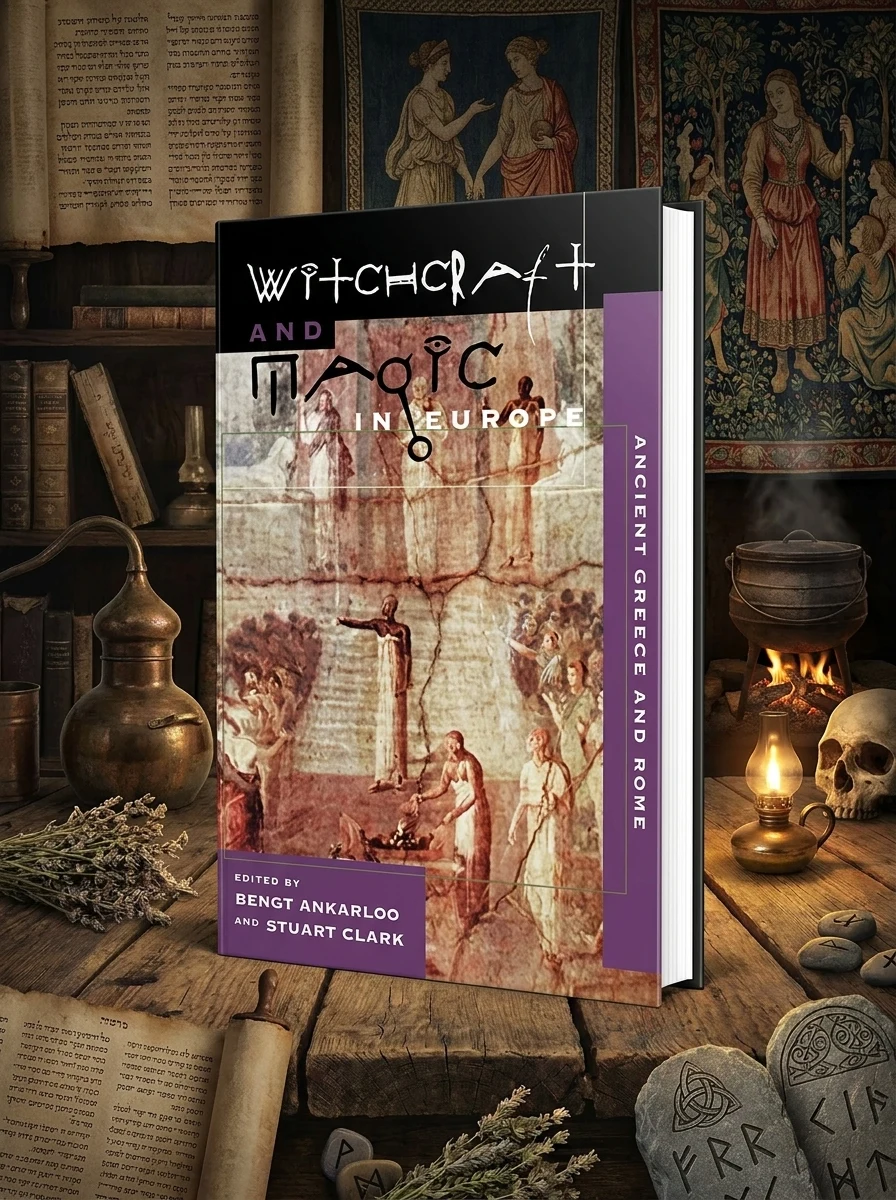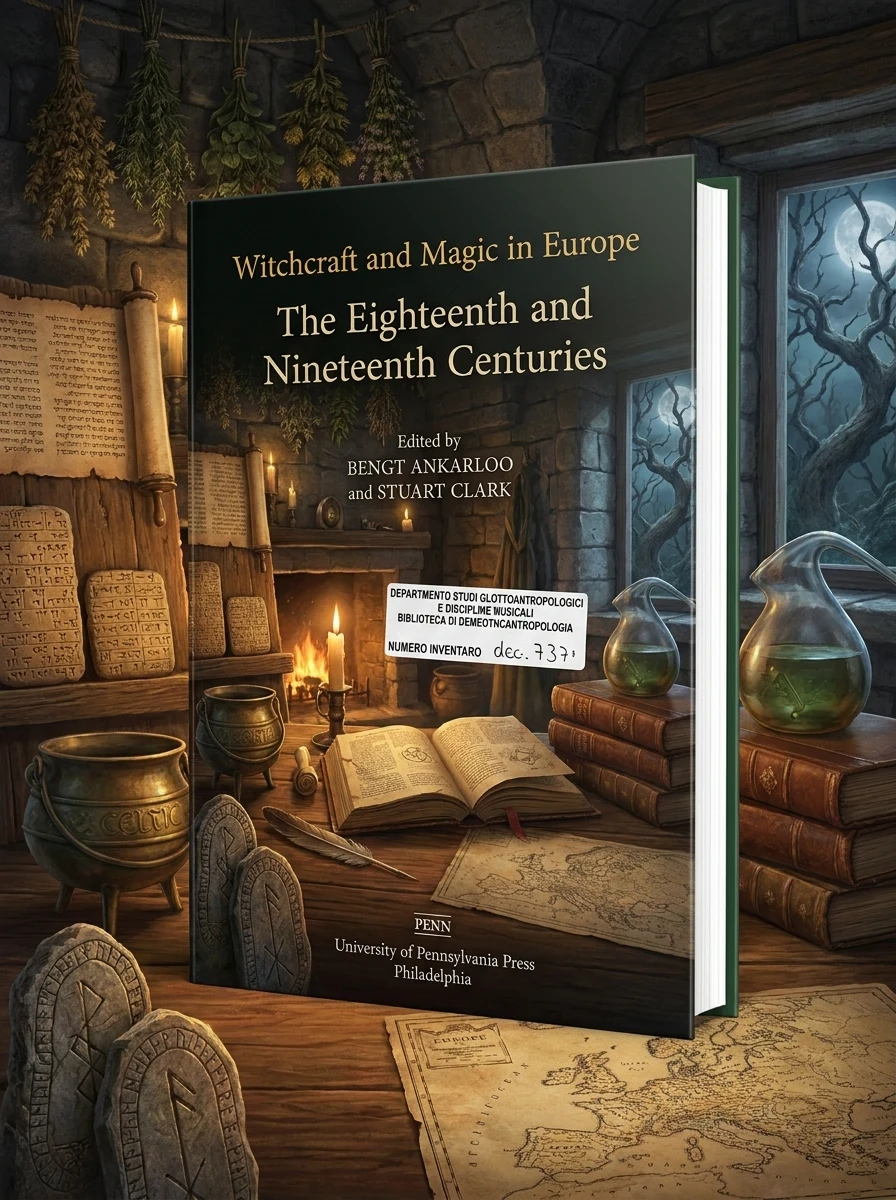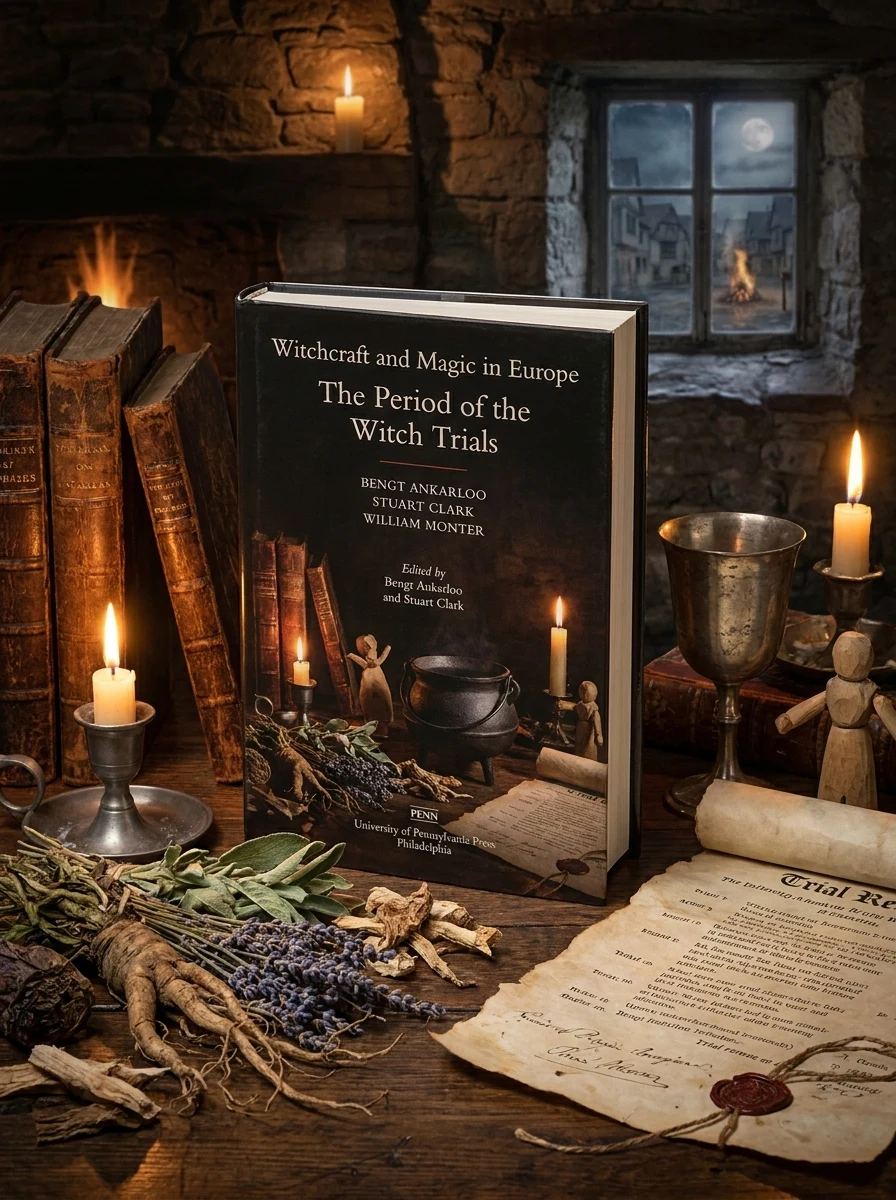


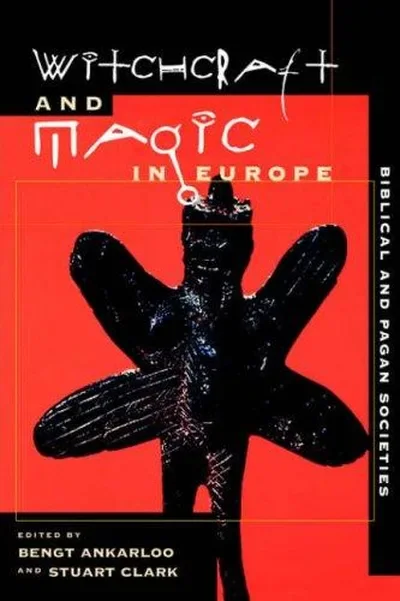
Witchcraft and Magic in Europe, Volume 6: The Twentieth Century - Ingram Academic Ankarloo, Bengt
Ankarloo, Bengt; , Clark, Stuart

Stock reported in the catalog; fulfillment is confirmed with your request.
Unearth the hidden currents of 20th-century European magic and its enduring societal impact.
This concluding volume in a landmark series delves into the fascinating evolution of witchcraft and magical beliefs across Europe during the turbulent 20th century. It meticulously traces the emergence of modern movements like English Wicca, offering a foundational historical account of its development. Furthermore, the text critically examines the social and cultural contexts in which terms like 'Satanist' gained traction as labels. Through scholarly analysis, it illuminates how ancient esoteric traditions continued to manifest, adapt, and profoundly influence contemporary European societies and their collective imagination, proving their persistent relevance in a modern world.
This volume serves as the concluding installment of a landmark scholarly series examining the history of witchcraft and magic in Europe, specifically focusing on the Twentieth Century. It bridges historical analysis with contemporary esoteric studies by tracing how ancient traditions adapted within modern societal frameworks.


📝 Description: Witchcraft and Magic in Europe, Volume 6: The Twentieth Century - Ingram Academic Ankarloo, Bengt
💎 Expert review
📖 Why choose it
Why this book is worth reading
Scholars, historians of religion, and dedicated practitioners of modern Pagan traditions will find this text indispensable for its rigorous examination of the twentieth century. It offers a foundational historical account of movements like English Wicca while critically analyzing how labels such as 'Satanist' gained traction in social contexts. Readers interested in the persistent relevance of ancient esoteric traditions in contemporary European society will appreciate how the authors illuminate the enduring societal impact and collective imagination surrounding these practices. This book is essential for understanding how magical beliefs evolved through turbulent times, providing a deep, scholarly perspective on the intersection of history, culture, and magic that enriches both academic study and personal spiritual historical awareness.
⭐ Reader reviews
Reader rating
This academic text provides a meticulous, scholarly analysis of twentieth-century European witchcraft, making it valuable for researchers and serious students of esoteric history. However, it is explicitly not suited for casual readers seeking accessible narratives or practical magical instruction. The dense, critical examination of social contexts and the emergence of modern movements requires a high level of academic engagement. Those looking for lighthearted stories or simple guides to Wiccan practice will likely find the tone too dry and the focus on historiography unappealing. It is strictly for those willing to engage with complex historical arguments about how ancient traditions manifested in the modern world.
❓ Frequently asked questions
📖 Who should read this
If you're a serious student of esoteric history, a scholar of modern paganism, or simply captivated by the enduring presence of magic in a secularizing world, this volume offers unparalleled insight. It's for those who seek rigorous academic exploration of complex cultural phenomena.
🎯 Key themes and symbolism
Modern Wicca's Genesis
Explore the foundational history of English Wicca, understanding its origins, key figures, and the cultural landscape that allowed it to flourish. This book provides an essential scholarly framework for comprehending how this contemporary pagan tradition took root and began its journey towards global recognition.
The 'Satanist' Label
Investigate the complex and often contentious use of the 'Satanist' label throughout the 20th century. The volume dissects the societal fears, moral panics, and historical circumstances that led to individuals or groups being identified with this term, offering a nuanced perspective on its cultural deployment.
Enduring Supernatural Beliefs
Discover how belief in witchcraft and magic persisted and transformed in modern European society. This volume argues for the continued contemporary reality of such phenomena, demonstrating their ongoing influence on folklore, ritual, and the collective psyche, even amidst rapid societal change.
💬 Quotes from the book
“The 20th century, despite its scientific advancements, witnessed not the demise, but a complex re-articulation of magical thought and practice across European societies.”
“Understanding the social construction of the 'Satanist' label requires a nuanced historical lens, disentangling genuine movements from moral panics and cultural anxieties.”
📜 Historical context
📚 Glossary
- Wicca
- Satanist
- Esoteric Traditions
📔 Questions to reflect on
- How might the rise of formalized magical traditions like Wicca in the 20th century reflect broader societal shifts or needs?
- Consider how the media or popular culture in your own lifetime has influenced perceptions of 'witchcraft' or 'Satanism.' How does this align with or diverge from the historical accounts presented?
- In what ways do you believe 'supernatural beliefs' continue to manifest in contemporary society, even beyond explicit magical practices?
📖 From the series “Witchcraft and Magic in Europe (Paperback)”
All books in the series →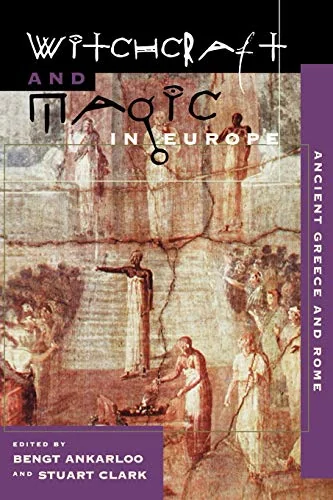
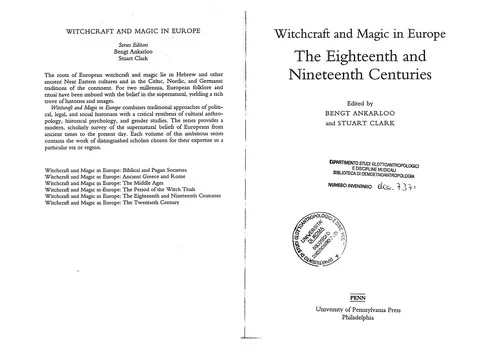
✍️ More books by this author Ankarloo, Bengt; , Clark, Stuart
All books by this author →🏛 Books from this publisher University of Pennsylvania Press
All books from this publisher →
You might also like
See more →