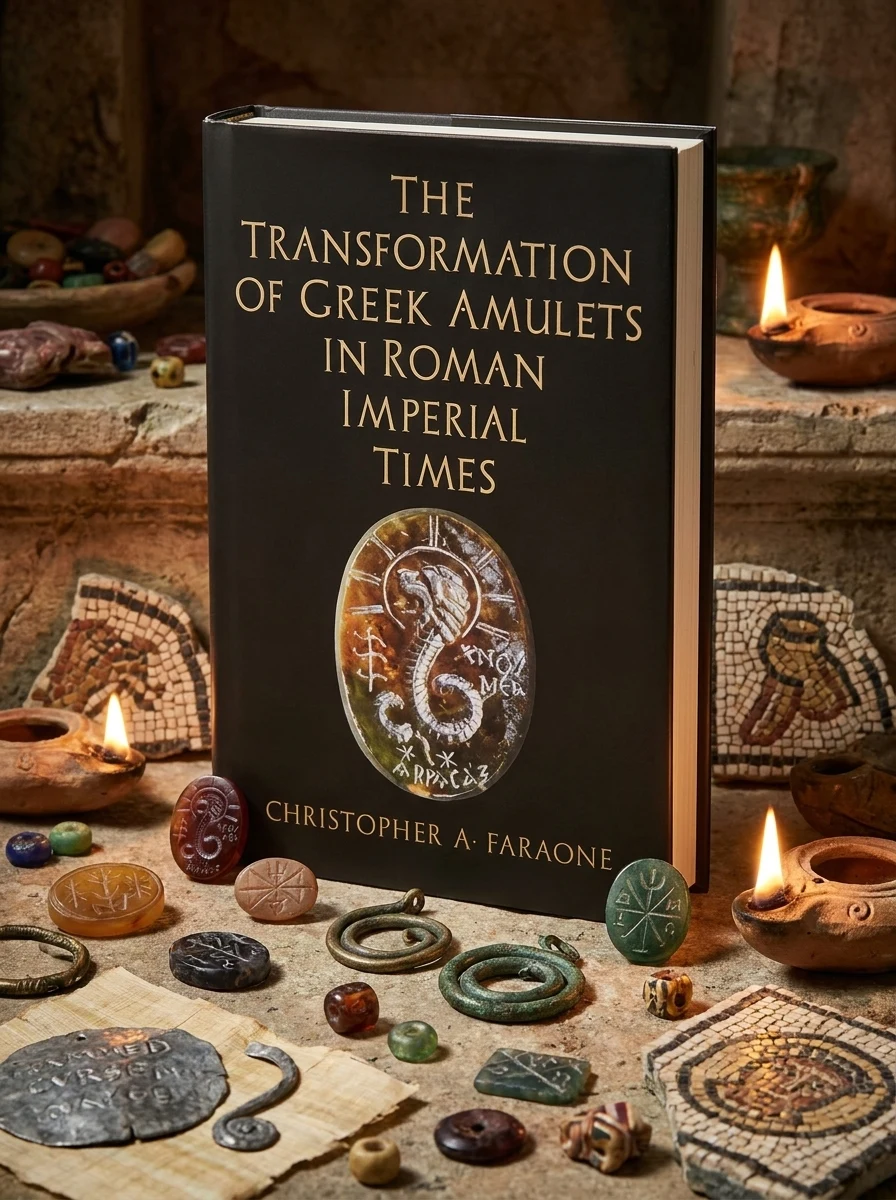
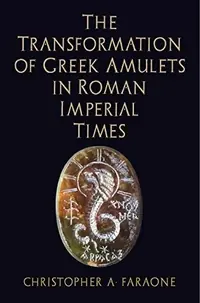
The Transformation of Greek Amulets in Roman Imperial Times - Ingram Academic Faraone, Christopher A
Faraone, Christopher A 89
89
 Editorial score
How we rate
Editorial score
How we rate
This edition can be ordered. No arrival date is confirmed.
Discover how Roman amulets evolved through technical innovation, not just desperate superstition.
Faraone challenges the prevailing narrative that Roman amulets emerged from a sudden wave of anxiety or Eastern superstition. Instead, he demonstrates that their archaeological visibility stems from specific technological shifts: the spread of writing habits, the miniaturization of domestic charms onto durable gemstones, and the adoption of Egyptian iconography. This scholarly work reframes the proliferation of protective objects as a logical extension of existing practices, driven by material culture changes rather than a collapse of Greek rationalism or a crisis of faith.
This work situates itself within the rigorous academic study of classical antiquity, specifically examining the intersection of material culture, religious practice, and technological evolution during the transition from Greek to Roman Imperial times.


📝 Description: The Transformation of Greek Amulets in Roman Imperial Times - Ingram Academic Faraone, Christopher A
💎 Expert review
📖 Why choose it
Why this book is worth reading
Scholars and serious enthusiasts of ancient history will find immense value in this text, as it dismantles lazy stereotypes about Roman superstition. Readers who appreciate material culture studies will gain a nuanced understanding of how mundane technological shifts, such as writing habits and stone carving techniques, actively shaped spiritual practices. It offers a refreshing, evidence-based perspective that moves beyond the tired narrative of cultural decline or anxiety-driven magic. By focusing on the logical extension of existing Greek practices through Roman material changes, the book provides a sophisticated framework for understanding protective objects not as signs of faith crises, but as natural evolutions in domestic and public life.
⭐ Reader reviews
Reader rating
Faraone delivers a dense, scholarly argument that requires patience and a background in classical archaeology. While it successfully reframes the discourse on amulets through a materialist lens, it will likely alienate casual readers seeking accessible stories of ancient magic or dramatic historical narratives. Those looking for immediate answers about 'Eastern superstition' will find this text frustratingly dry and overly technical. It is strictly for those willing to engage with academic rigor rather than esoteric thrill. The focus on technological shift over spiritual emotion may feel detached to general occultists, making it a specialized tool for historians rather than a broad introduction to ancient beliefs.
❓ Frequently asked questions
📖 Who should read this
Scholars of classical antiquity and practitioners of historical magic who seek a nuanced, evidence-based understanding of amulet production, moving beyond sensationalist myths of 'Oriental' influence.
🎯 Key themes and symbolism
Archaeological visibility
Material culture
Cultural continuity
💬 Quotes from the book
“These amulets were not invented in this period as a result of an alteration in the Roman worldview.”
“It is only when explicitly protective or curative texts become visible through technical innovations.”
📜 Historical context
📚 Glossary
- Epigraphic habit
- Egyptianizing iconography
- Miniaturization
📔 Questions to reflect on
- How might the materials available to you today shape the form of your personal talismans?
- In what ways do modern anxieties mirror the perceived 'need' for protective objects in ancient times?
- Consider the difference between an object's physical durability and its symbolic power. Which endures longer?
✍️ More books by this author Faraone, Christopher A
All books by this author →
🏛 Books from this publisher University of Pennsylvania Press
All books from this publisher →

You might also like
See more → 90
90