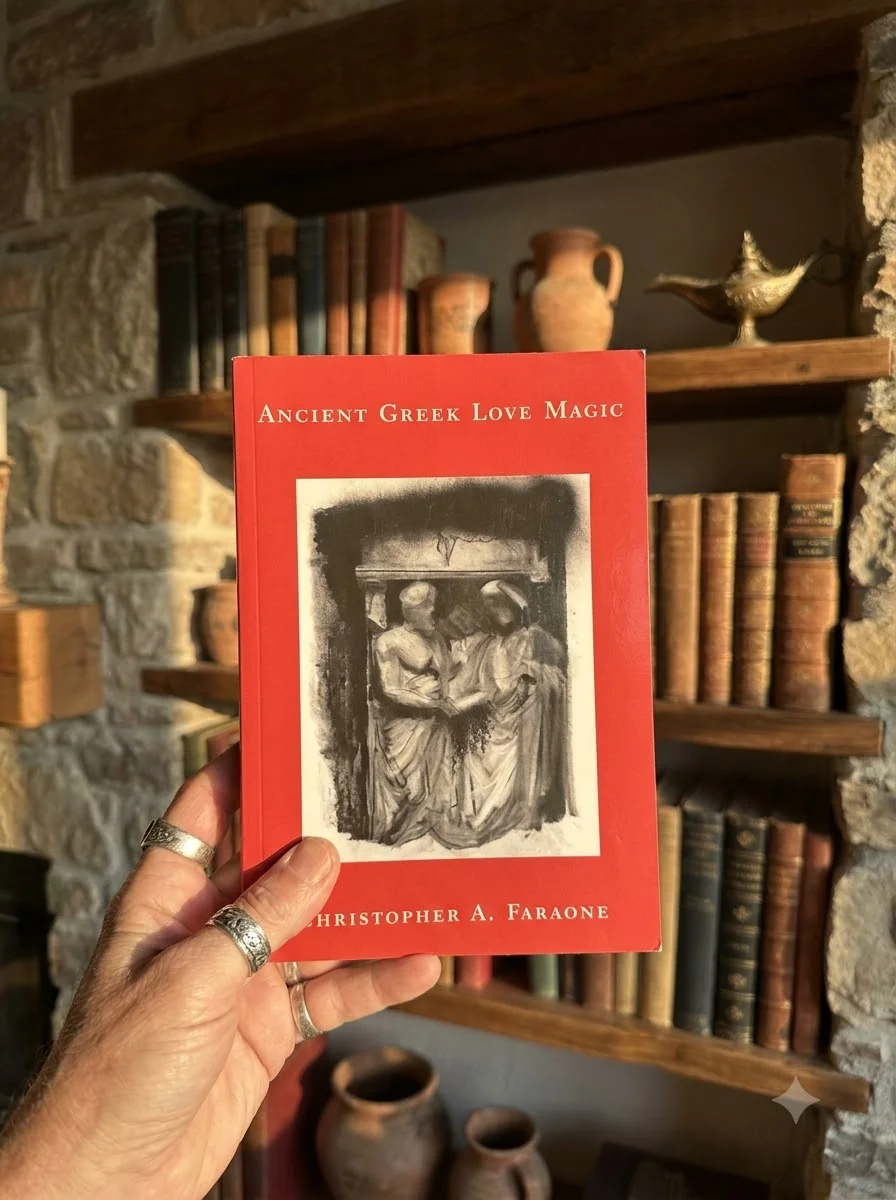
Ancient Greek Love Magic (Revised)
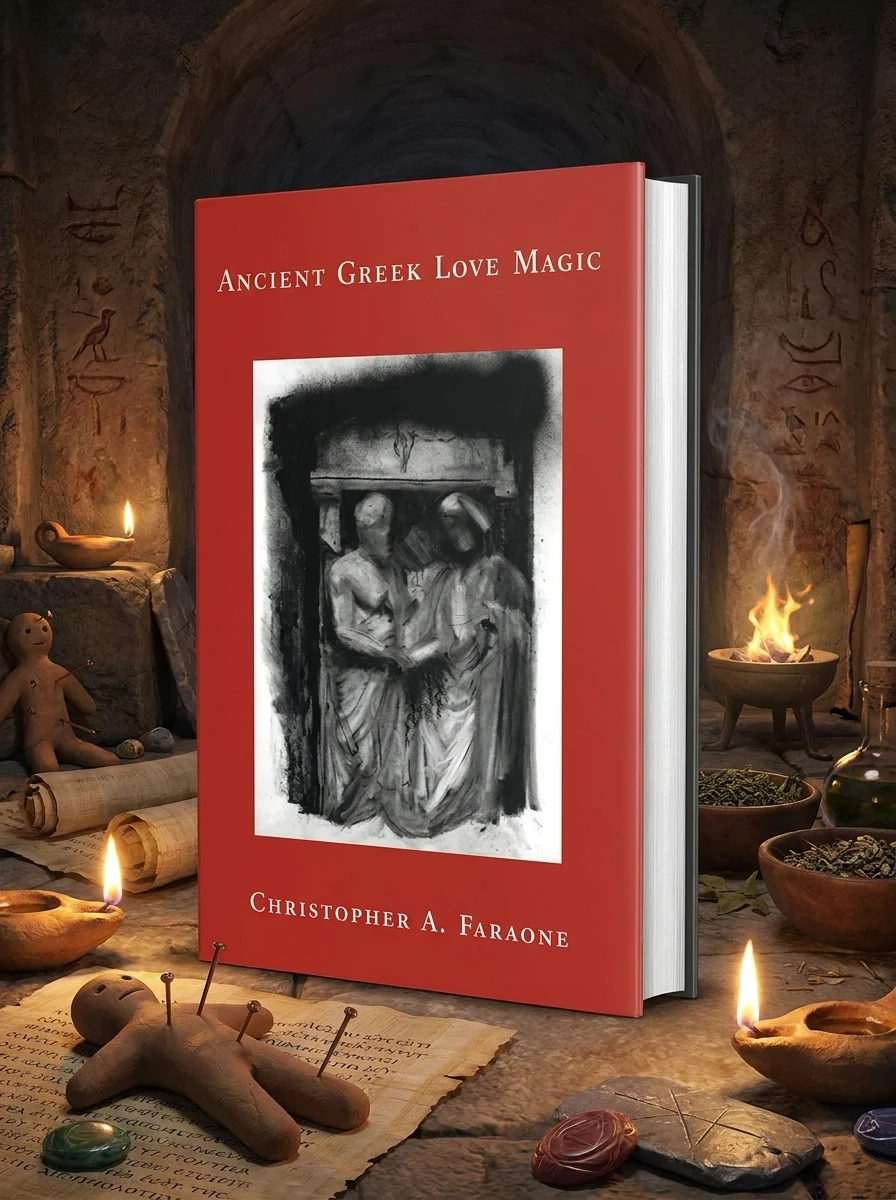
✍️ Faraone, Christopher AJourney into the compelling world of ancient Greek love spells, where passion and power converged. Christopher Faraone’s meticulous study analyzes diverse historical evidence, from literary allusions to archaeological finds like curse tablets and "voodoo dolls." He unveils the critical role gender played, differentiating between aggressive, fiery charms often used by men to compel women, and more subtle, affection-binding rituals typically employed by women to influence male partners. This analysis offers profound insights into ancient gender dynamics, re-evaluating common beliefs about male perceptions of female desire.


📝 Description: Ancient Greek Love Magic (Revised)
📑 What's inside
- Preface
- Introduction The Ubiquity of Love Magic Definitions and a New Taxonomy The Advantages of a Synchronic and Comparative Approach
- Glossary Abbreviations Bibliography Subject Index Index of Foreign Words Index of Passages from Ancient Authors Index of Magical Texts
💎 Expert review
📖 Why choose it
Why this book is worth reading
Scholars and enthusiasts of ancient Mediterranean history will find this text indispensable for its rigorous dismantling of modern assumptions regarding romantic agency. Faraone provides a crucial corrective to the notion that male desire was solely dominant, revealing how women utilized subtle, affection-binding rituals to navigate patriarchal constraints. Readers interested in the intersection of archaeology, literature, and social power structures will appreciate the detailed analysis of curse tablets and doll-like artifacts. It offers a nuanced view of how passion was commodified and controlled, making it essential for anyone seeking to understand the complex, gendered mechanics of ancient intimacy beyond simple romantic tropes.
⭐ Reader reviews
Reader rating
While meticulously researched, this academic volume is not suited for casual readers seeking entertaining folklore or practical spellcasting instructions. It demands patience with dense historical evidence and theoretical frameworks regarding gender power dynamics. Those expecting a light read on 'voodoo dolls' will be disappointed by the scholarly tone. However, for historians of religion and classics students, it is a vital resource that rigorously challenges prevailing biases about ancient sexual politics through careful examination of primary source materials.
❓ Frequently asked questions
📖 Who should read this
If you're captivated by the history of magic, ancient gender roles, or the intricate dance of power and desire, this book is essential. Scholars of classical studies, social history, and anyone exploring Western esotericism's roots will find Faraone's meticulous analysis profoundly illuminating.
🎯 Key themes and symbolism
Gendered Magic Practices
Faraone meticulously dissects how love magic's application and intent were intrinsically linked to gender. Men often used fiery spells to compel women into submission. Conversely, women typically employed binding or sedating potions to influence male partners, seeking affection or stability. This stark division in magical intent reveals profound insights into ancient social roles and power dynamics.
Ancient Gender Construction
This study offers a unique lens into ancient gender constructs. Faraone highlights how societal status influenced perceived "masculinity" or "femininity," even for figures like autonomous prostitutes or socially inferior males. The magic itself reflected and reinforced these complex societal expectations, revealing a much more intricate tapestry of gender roles than commonly portrayed.
Challenging Modern Assumptions
A significant contribution of this work is its refutation of the widespread modern belief that all Greek men viewed women as inherently lustful. Faraone uncovers evidence of an alternative male perspective, suggesting some men perceived women as naturally moderate and chaste. This challenges simplistic generalizations about ancient Greek attitudes towards female sexuality and agency.
📜 Historical context
📚 Glossary
- Curse Tablets
- Magical Papyri
- Binding Spells
📔 Questions to reflect on
- Reflect on how the gendered nature of ancient love magic illuminates broader societal power imbalances. How might similar dynamics manifest in contemporary relationships or cultural beliefs about desire?
- Consider the artifacts and literary allusions Faraone examines. What do these remnants of magical practice reveal about the emotional anxieties and aspirations of ancient Greek individuals?
- The book challenges modern perceptions of ancient Greek views on female sexuality. How might your own ingrained assumptions about historical cultures limit your understanding of their complexities?