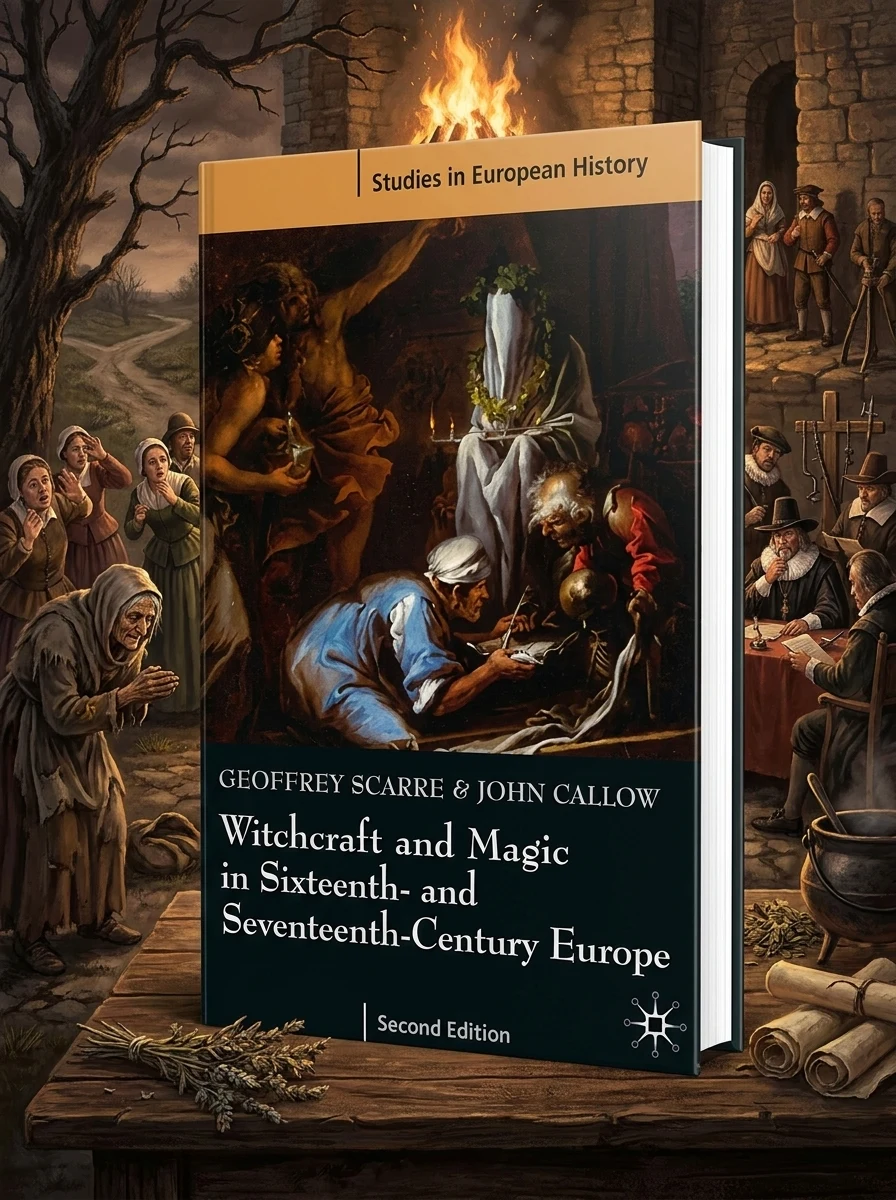
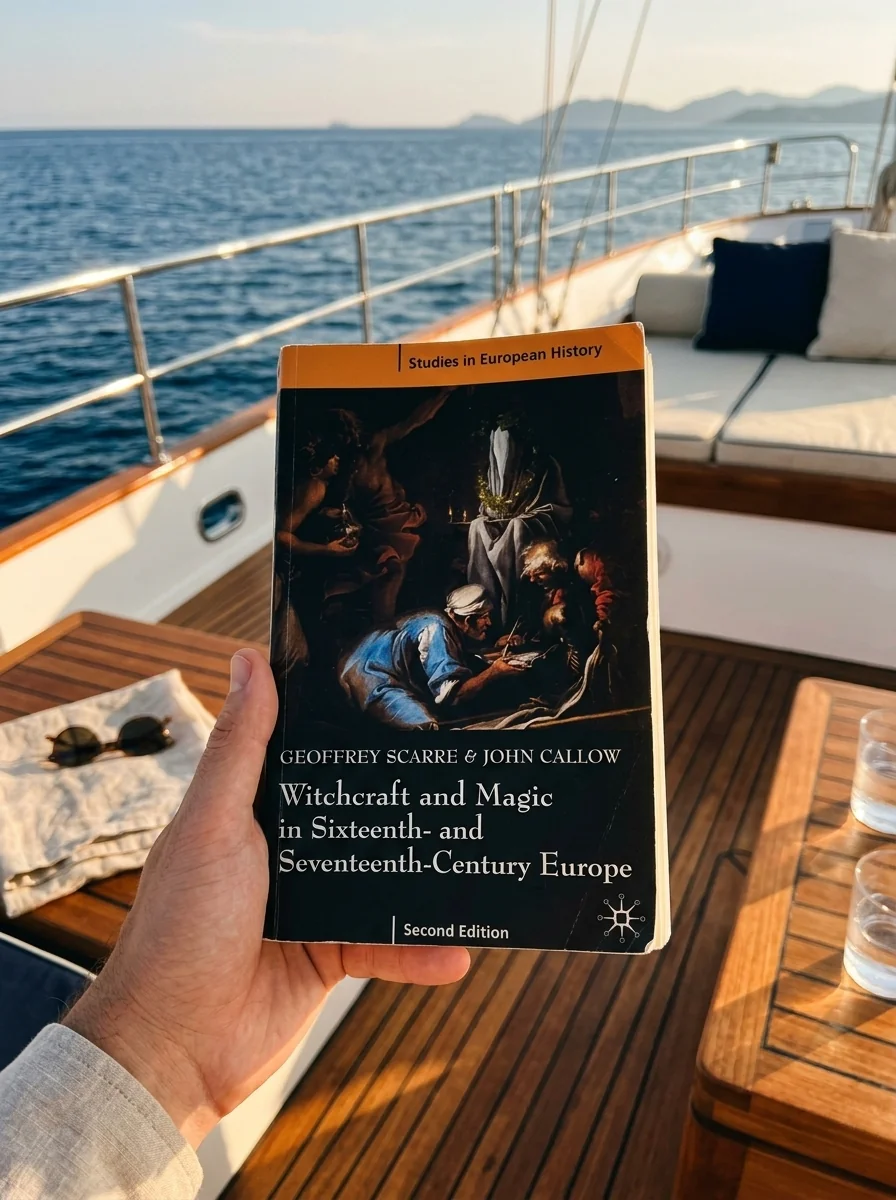
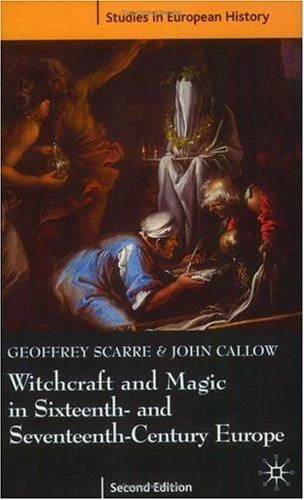
Witchcraft and Magic in Sixteenth- And Seventeenth-Century Europe (2001) Scarre, Geoffrey
This insightful volume meticulously dissects the enduring power of the witch archetype, from the dreaded village crone to its surprising influence on contemporary movements. Scarre and Callow skillfully navigate the fraught landscape of 16th and 17th-century European witch trials. They cut through sensationalism, offering a dispassionate yet compelling analysis. By placing these events within their historical context, the authors illuminate how judicial and societal leaders genuinely perceived witchcraft as a tangible and dangerous threat, offering a nuanced understanding of a complex era.


📝 Description: Witchcraft and Magic in Sixteenth- And Seventeenth-Century Europe (2001) Scarre, Geoffrey
💎 Expert review
📖 Why choose it
Why this book is worth reading
Readers seeking a grounded understanding of the witch trials will find immense value in this dispassionate yet compelling analysis. It is ideal for those who wish to look beyond sensationalism and explore how judicial and societal leaders genuinely perceived witchcraft as a tangible danger. By placing these events within their specific historical context, Scarre and Callow provide a nuanced perspective that illuminates the enduring power of the witch archetype. This book offers clarity for anyone interested in the intersection of history, law, and esoteric belief systems during this fraught period.
⭐ Reader reviews
Reader rating
Scarre and Callow deliver a meticulous dissection of the witch trials, successfully cutting through sensationalism to offer a clear view of historical realities. The authors navigate the complex landscape with skill, making the intellectual framework accessible without sacrificing academic integrity. However, readers expecting dramatic retellings or personal narratives may find the tone too detached. It is not suited for those seeking emotional engagement with victim stories rather than structural analysis. This work demands patience and an interest in societal mechanisms over individual drama.
❓ Frequently asked questions
📖 Who should read this
If you're seeking a balanced, historically grounded understanding of European witch trials, free from modern sensationalism, this book is essential. It's for anyone fascinated by the complex interplay of belief, power, and persecution that shaped an era, and its lingering echoes today.
🎯 Key themes and symbolism
Contextualizing Witchcraft Beliefs
This work meticulously reconstructs the societal framework of early modern Europe, revealing how witchcraft beliefs were integral to the era's worldview. It explains how judicial and elite classes genuinely perceived witchcraft as a legitimate and perilous threat, shaping their actions and the resulting widespread persecutions.
The Witch's Enduring Legacy
Beyond historical events, the book explores the persistent allure of the witch figure in contemporary culture. It traces how this potent symbol, born from centuries of fear and persecution, continues to resonate and inspire diverse modern movements, from reclaiming ancient spiritual paths to advocating for social justice.
Dispassionate Historical Analysis
The authors adopt a rigorous, scholarly methodology to separate historical realities from popular misconceptions. They navigate the emotionally charged aspects of persecution, including misogyny and violence, with academic rigor. This ensures a clear-headed examination, avoiding sensationalism while acknowledging the profound human impact of these early modern events.
📜 Historical context
📚 Glossary
- Witch Hunts
- Early Modern Period
- Judicial Persecution
📔 Questions to reflect on
- How does understanding the historical context of witch trials challenge or reinforce your contemporary perceptions of magic and societal control?
- In what ways do you see echoes of the "witch hunt" mentality manifesting in modern social or political discourse?
- Reflect on the role of fear and belief in shaping historical events. How might similar dynamics influence current societal anxieties?