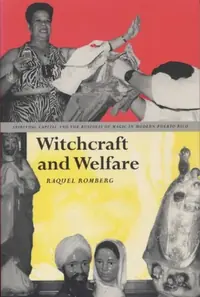
Witchcraft and Welfare: Spiritual Capital and the Business of Magic in Modern Puerto Rico
Romberg, RaquelThis edition can be ordered. No arrival date is confirmed.
Uncover how Puerto Rican brujos seamlessly blend ancient magic with modern welfare and entrepreneurship.
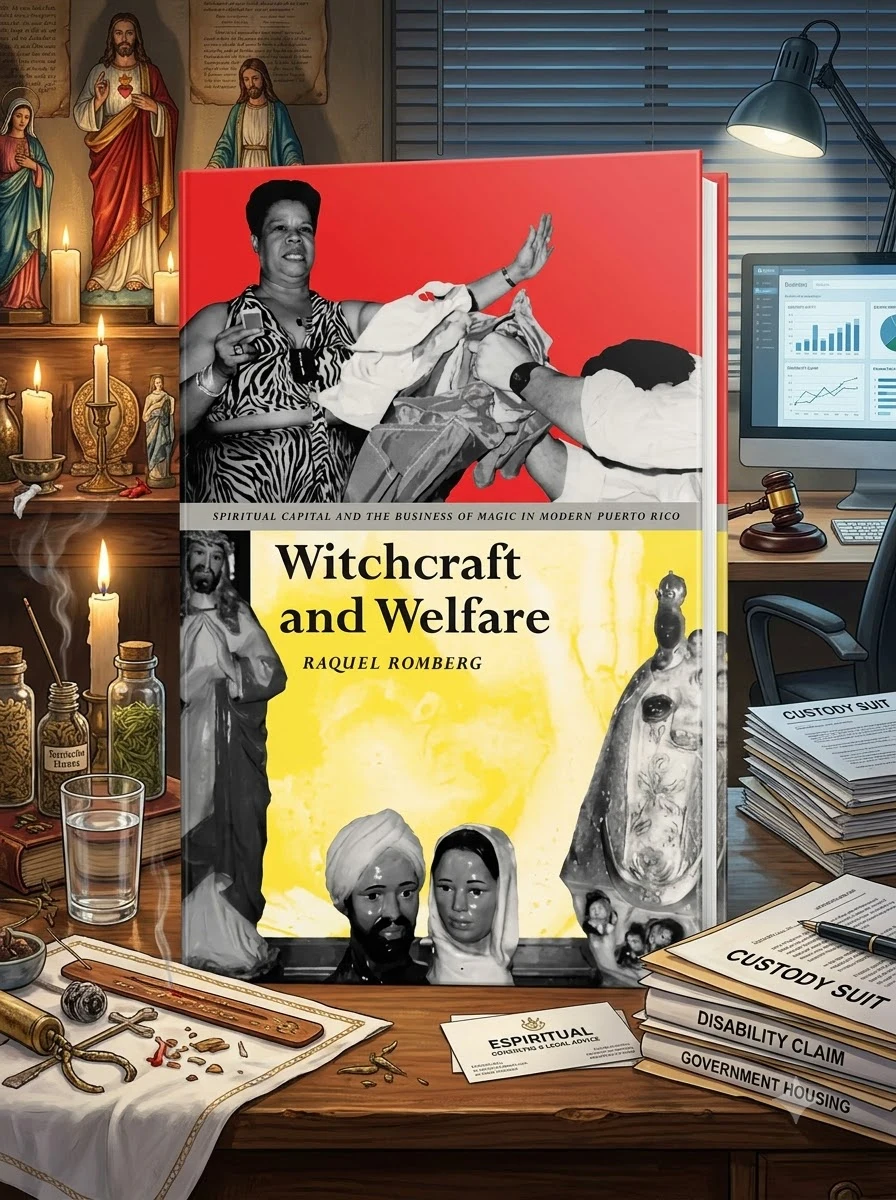
This compelling ethnography by Raquel Romberg redefines our understanding of brujería in contemporary Puerto Rico. Once marginalized as charlatans or persecuted as witches, today's brujos are portrayed as astute spiritual entrepreneurs. They skillfully merge traditional healing, trance, and ritual practices with a deep understanding of modern societal structures, including state laws and economic systems. Romberg reveals how these spiritual practitioners assist clients with everything from legal disputes and disability claims to housing applications and business acumen, illustrating a vibrant, adaptive form of magic deeply intertwined with daily life.
This ethnography situates itself within the evolving landscape of modern Puerto Rican spirituality, challenging historical marginalization by examining how contemporary brujos operate as spiritual entrepreneurs. It bridges the gap between traditional esoteric practices and the pragmatic demands of modern socioeconomic structures.


📝 Description: Witchcraft and Welfare: Spiritual Capital and the Business of Magic in Modern Puerto Rico
💎 Expert review
📖 Why choose it
Why this book is worth reading
Readers fascinated by the intersection of anthropology, economics, and occultism will find this work illuminating. It offers a rare glimpse into how spiritual practitioners navigate complex legal and financial systems, transforming brujería from a stigmatized pastime into a viable business model. Those interested in diaspora studies, Caribbean culture, or the practical applications of magic in daily life will appreciate its nuanced portrayal of adaptive spirituality. It is essential for understanding how ancient traditions persist and thrive by integrating with modern welfare structures, providing both academic insight and cultural appreciation.
⭐ Reader reviews
Reader rating
Romberg presents a sophisticated analysis of spiritual capitalism, making it ideal for scholars and serious practitioners. However, readers seeking purely instructional grimoires or romanticized notions of isolated witchcraft will find this dry and overly sociological. It is not suited for those who prefer mysticism devoid of bureaucratic reality. The text demands patience with ethnographic detail, which may alienate casual readers looking for quick magical tips. Yet, for those willing to engage with the rigorous examination of how magic functions within state systems, it offers a compelling, intellectually stimulating perspective on the resilience of cultural identity.
❓ Frequently asked questions
📖 Who should read this
If you're fascinated by the dynamic interplay between spirituality, culture, and modern society, this book is for you. It offers profound insights for anthropologists, cultural studies enthusiasts, and anyone curious about how traditional practices adapt and thrive in an ever-changing world.
🎯 Key themes and symbolism
Spiritual Entrepreneurship
The book meticulously details how brujos have transformed from traditional healers into entrepreneurial figures. They offer spiritual guidance alongside practical, state-compliant advice, positioning themselves as vital partners in navigating modern economic and social landscapes. This evolution highlights a fascinating intersection of mysticism and commerce, challenging conventional notions of spiritual practice in a capitalist society.
Syncretic Spiritual Evolution
Romberg traces the rich, blended heritage of Puerto Rican brujería, revealing its roots in a vibrant mix of Catholicism, Afro-Latin spiritual traditions, French Spiritism, and Protestant influences. This exploration showcases how diverse belief systems converge and adapt over time, creating a unique spiritual framework that continues to evolve in response to changing state policies and global cultural flows.
Magic Meets Bureaucracy
A central theme is the unexpected partnership between spiritual practices and the modern welfare state. Brujos are shown not just as spiritual counselors but as knowledgeable guides through legal and bureaucratic processes. This demonstrates how esoteric practices can become an integral, albeit often invisible, component of civic engagement and navigating contemporary social services, blurring lines between the sacred and the secular.
💬 Quotes from the book
“The spirit's guidance, once solely for the soul's journey, now extends to navigating the labyrinthine forms of social welfare.”
“Far from fading, the brujo's art thrives by adapting, transforming ancient power into practical assistance for the modern citizen.”
📜 Historical context
📚 Glossary
- Brujo/Brujería
- Spiritual Capital
- Syncretism
📔 Questions to reflect on
- How do you perceive the intersection of spiritual practice and economic activity in your own community or culture?
- Consider how traditional spiritual roles might adapt to provide 'modern' services without losing their core essence. What examples come to mind?
- If 'magic' is defined as the ability to effect change through non-conventional means, how might contemporary brujería redefine what constitutes 'magic' in the 21st century?
✍️ More books by this author Romberg, Raquel
All books by this author →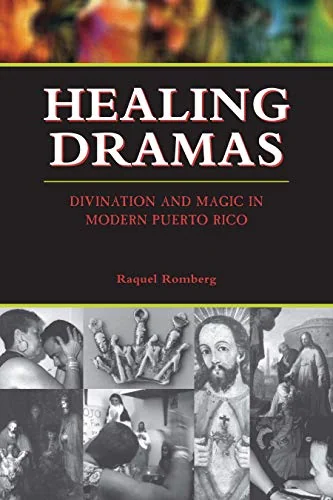
🏛 Books from this publisher University of Texas Press
All books from this publisher →
You might also like
See more →
 91
91