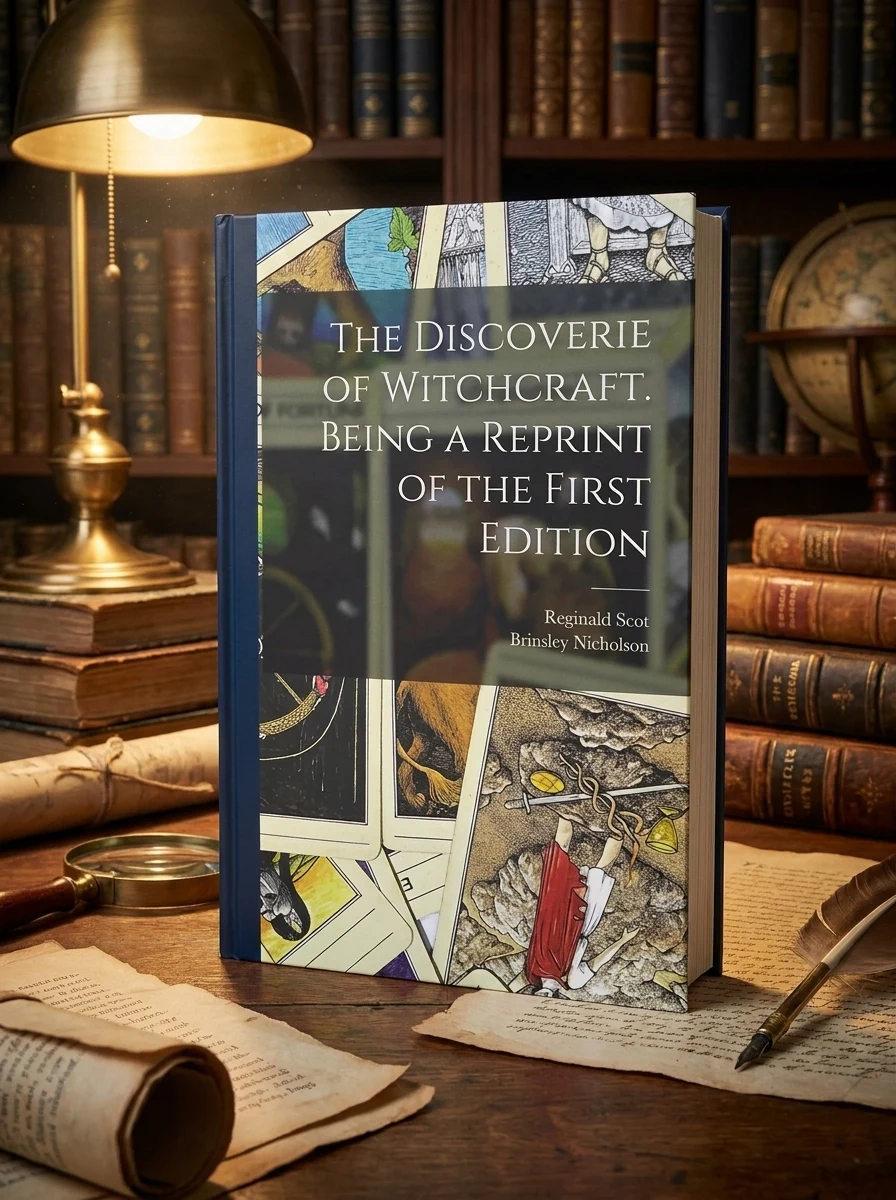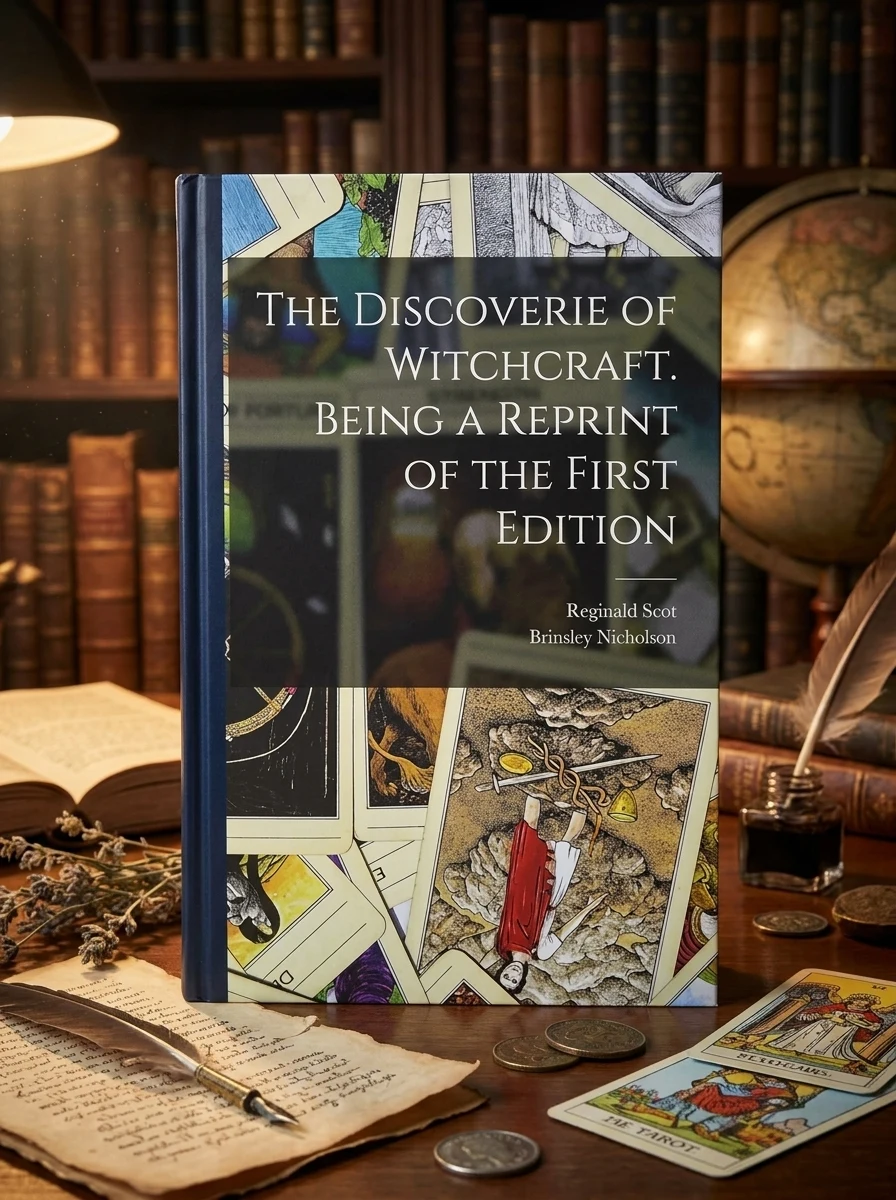
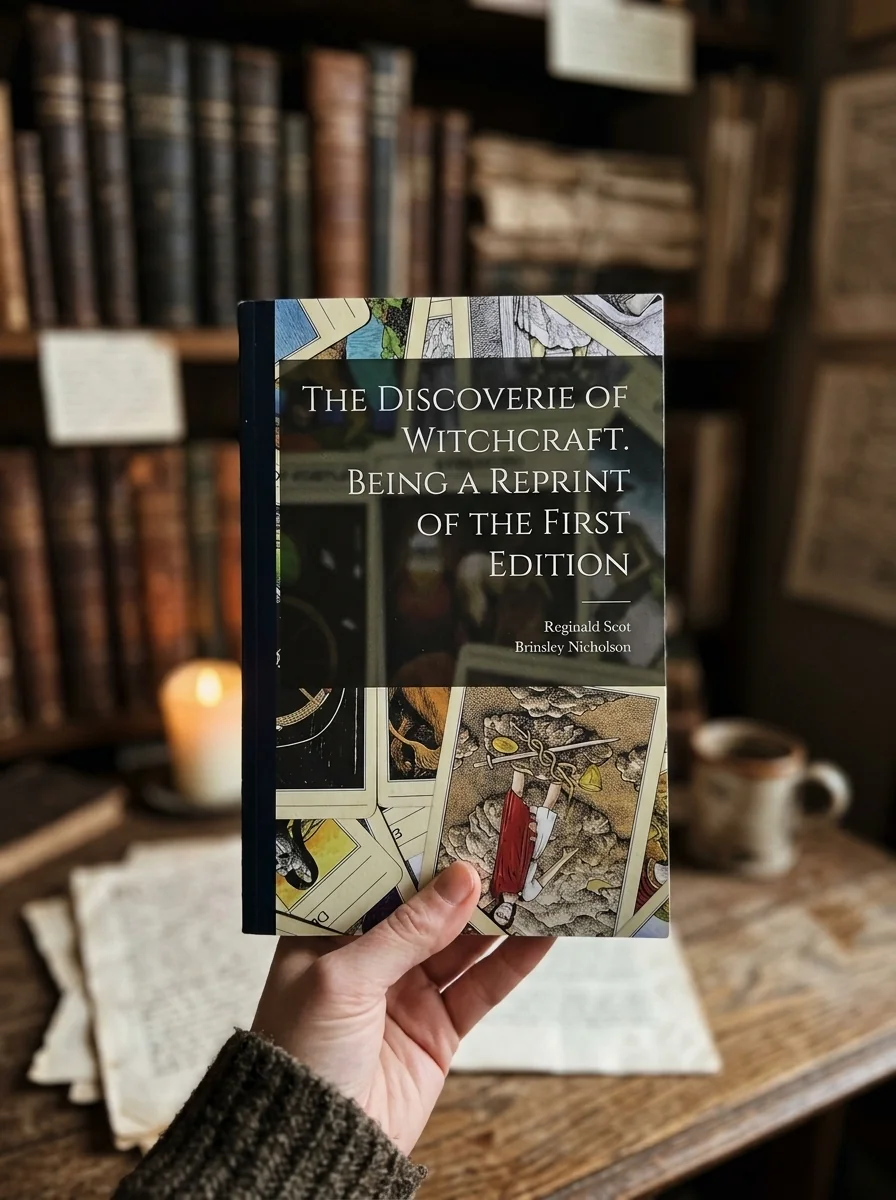
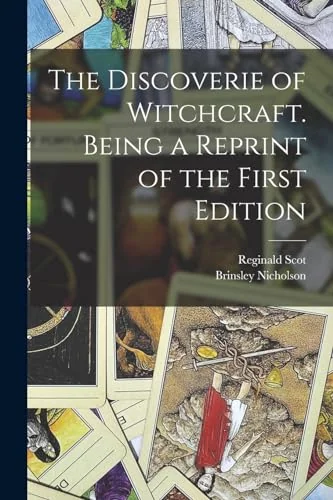
The Discoverie of Witchcraft. Being a Reprint of the First Edition
✍️ Scot, Reginald; , Nicholson, BrinsleyReginald Scot's seminal work, "The Discoverie of Witchcraft," stands as a monumental pillar in the history of skeptical thought. Published in 1584 amidst rampant witch persecutions, this groundbreaking text courageously dissects and debunks the prevailing superstitions surrounding magical practices and demonic pacts. Scot meticulously argues that purported acts of witchcraft are often the result of trickery, mental illness, or natural phenomena, not supernatural intervention. Far from a manual for sorcery, it is a passionate plea for reason and a powerful indictment of the cruel injustices inflicted upon the accused, urging a more humane and rational approach to understanding the world.


📝 Description: The Discoverie of Witchcraft. Being a Reprint of the First Edition
💎 Expert review
📖 Why choose it
Why this book is worth reading
Readers fascinated by the intellectual history of skepticism and the evolution of rational thought will find this book profoundly rewarding. It offers a courageous defense of reason against the tide of fear, making it essential for those interested in how society navigated superstition. Historians of science and law will appreciate its early critique of judicial cruelty and its argument that many alleged supernatural events were merely trickery or mental illness. Scholars of literary history should also engage with this work to understand the rhetorical strategies used to challenge prevailing dogmas. Ultimately, it serves as a timeless reminder of the importance of humane treatment and critical thinking in the face of mass hysteria.
⭐ Reader reviews
Reader rating
While this reprint is valuable for its historical significance, it may not suit readers seeking practical guides to magic or narrative-driven occult fiction. The text is a dense, argumentative treatise rather than an entertaining story, potentially boring those expecting vivid descriptions of spells. Readers looking for immediate, actionable esoteric knowledge will likely find the content too abstract and philosophical. It is best approached as a historical document rather than a manual. However, for those willing to engage with its rigorous logic, it provides an indispensable look at the origins of modern skepticism and the dangerous intersection of religion, law, and fear.
❓ Frequently asked questions
📖 Who should read this
This essential volume is for those fascinated by the history of skepticism, the evolution of human thought, or the dark chapters of witchcraft persecutions. If you seek a foundational text that dared to challenge pervasive fear with reason, offering a critical lens on historical beliefs, then Scot's "Discoverie" belongs in your collection.
🎯 Key themes and symbolism
Challenging Superstition
Scot meticulously scrutinizes popular beliefs about witches and their powers, exposing them as fabrications, illusions, or misinterpretations of natural events. He champions a rational perspective, urging readers to seek empirical explanations rather than defaulting to supernatural causes for misfortune or unusual occurrences. This theme forms the bedrock of his revolutionary argument.
Judicial Reform Advocacy
The work serves as a fervent appeal for justice, directly addressing the brutal trials and executions of accused witches. Scot highlights the inherent flaws in legal processes based on fear and unfounded accusations, advocating for a judicial system grounded in evidence and reason. His insights were radical for a time when confessions were often extracted under duress.
The Power of Deception
A significant portion of Scot's "Discoverie" is dedicated to revealing the mechanisms behind alleged magical feats, attributing them to sleight of hand, ventriloquism, or psychological manipulation. He unveils the secrets of stage magicians and charlatans, demonstrating how easily human perception can be deceived, thus stripping away the mystique from supposed supernatural phenomena.
📜 Historical context
📚 Glossary
- Daemonology
- Familiar Spirit
- Maleficium
📔 Questions to reflect on
- Consider how societal anxieties and fears today might lead to similar scapegoating or the belief in irrational explanations for complex problems.
- Reflect on the courage required for Scot to publish such a controversial work in his time. What contemporary beliefs do you find challenging to question publicly?
- How does understanding the historical context of works like "The Discoverie of Witchcraft" inform our current understanding of truth, evidence, and justice?