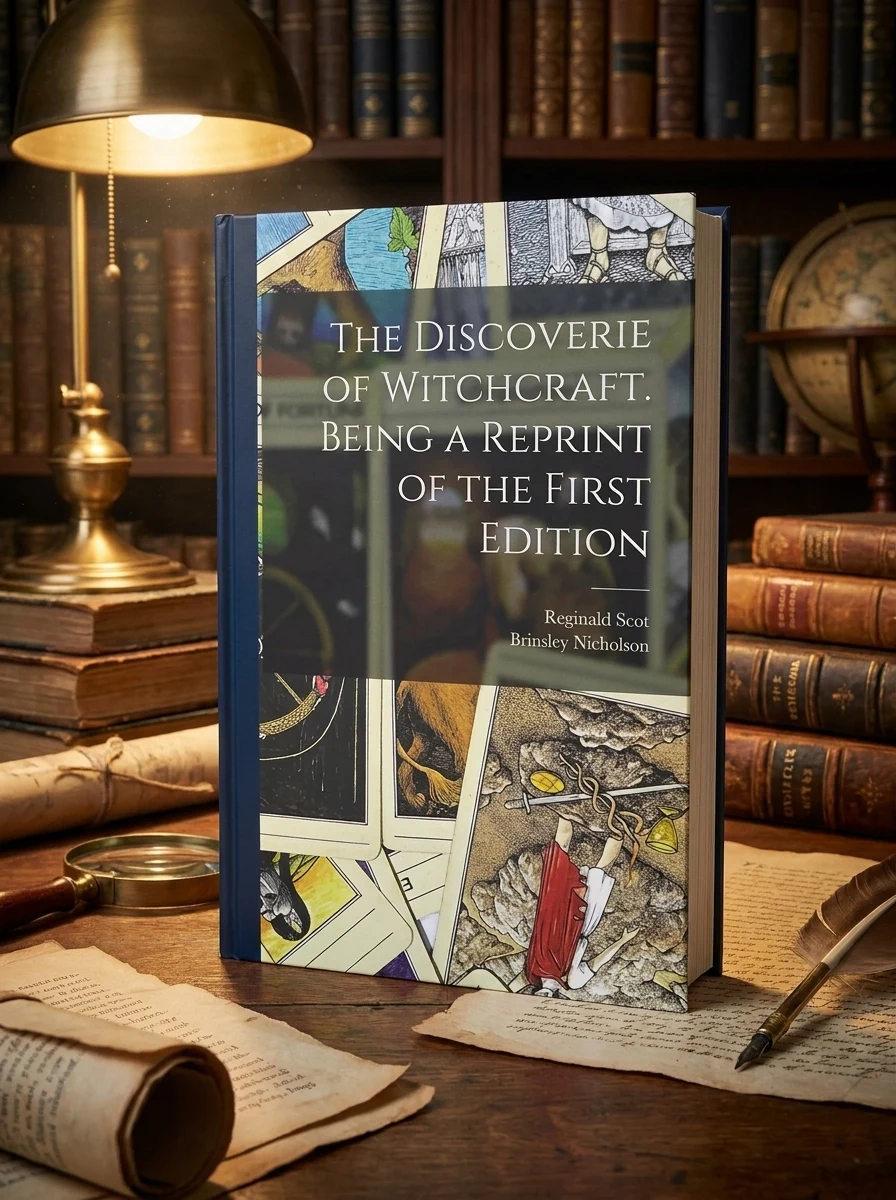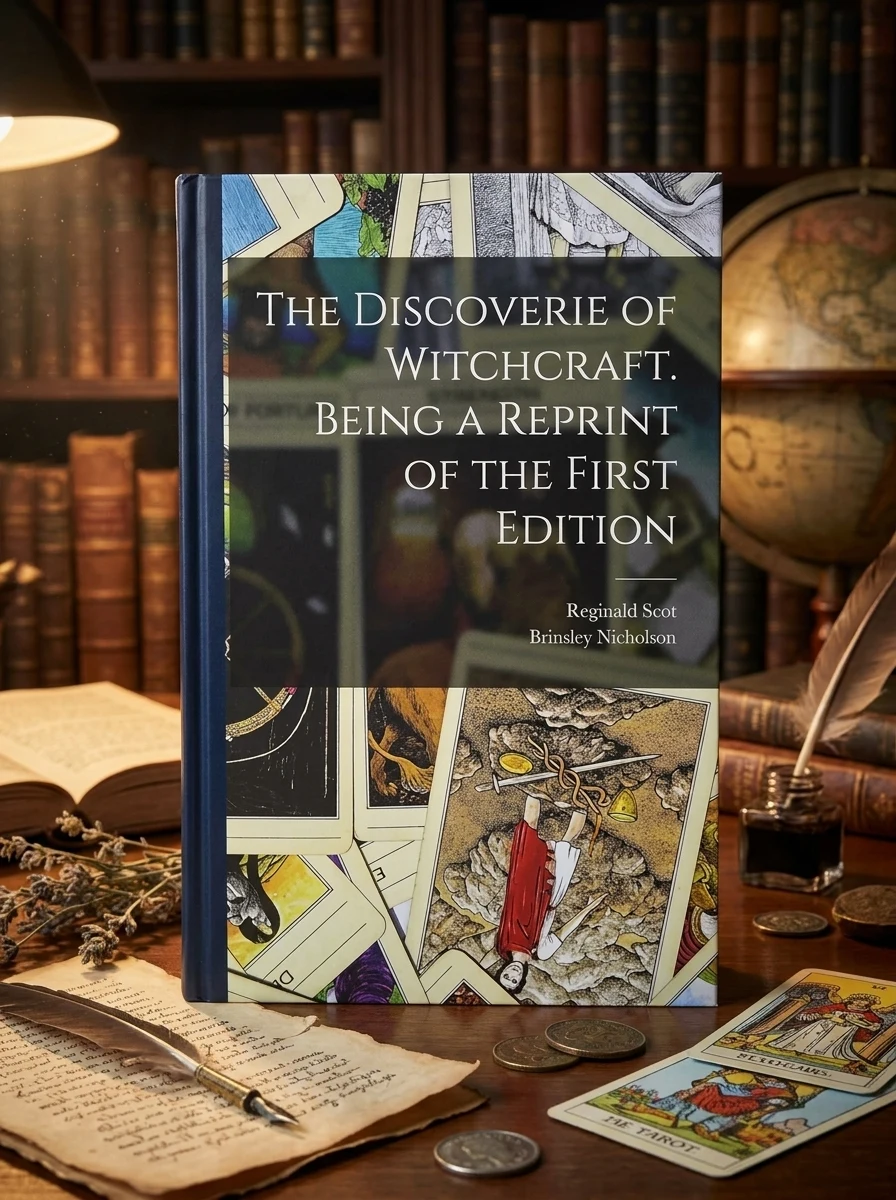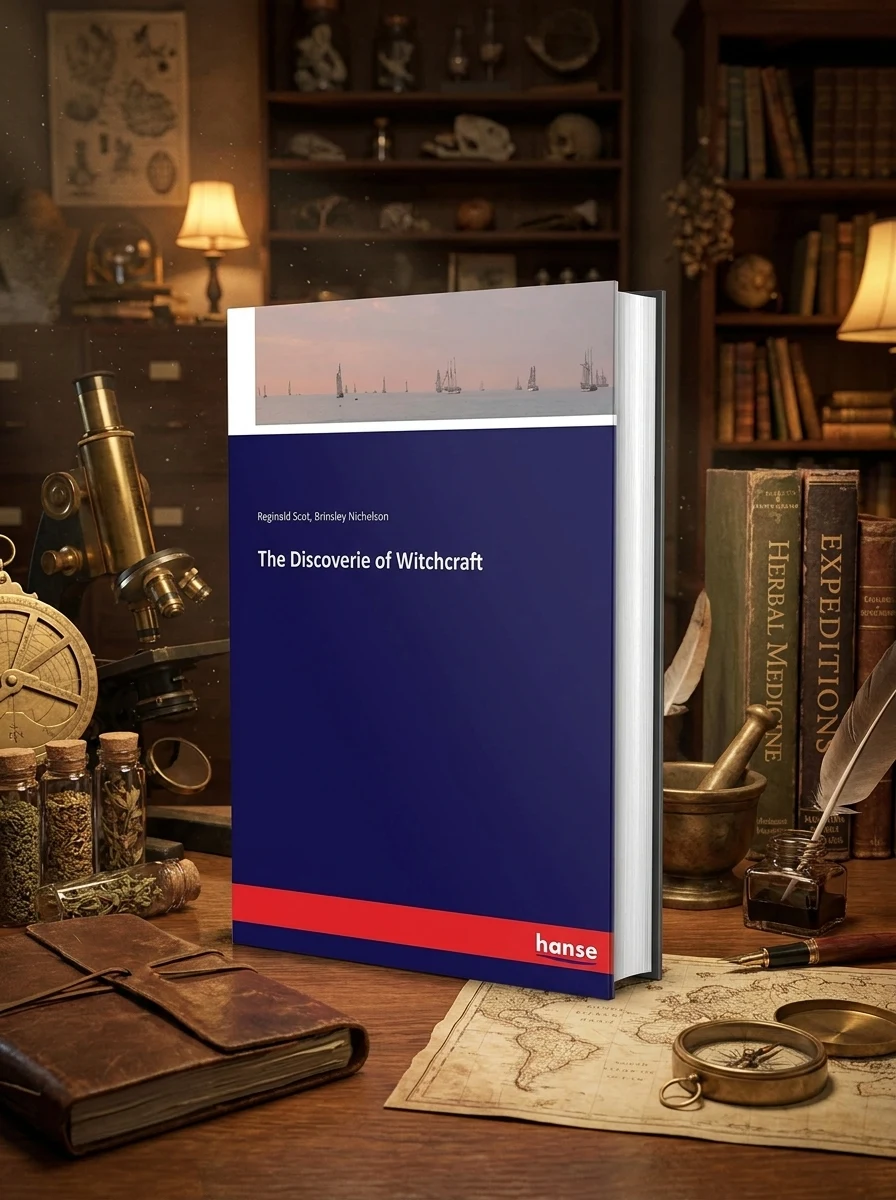
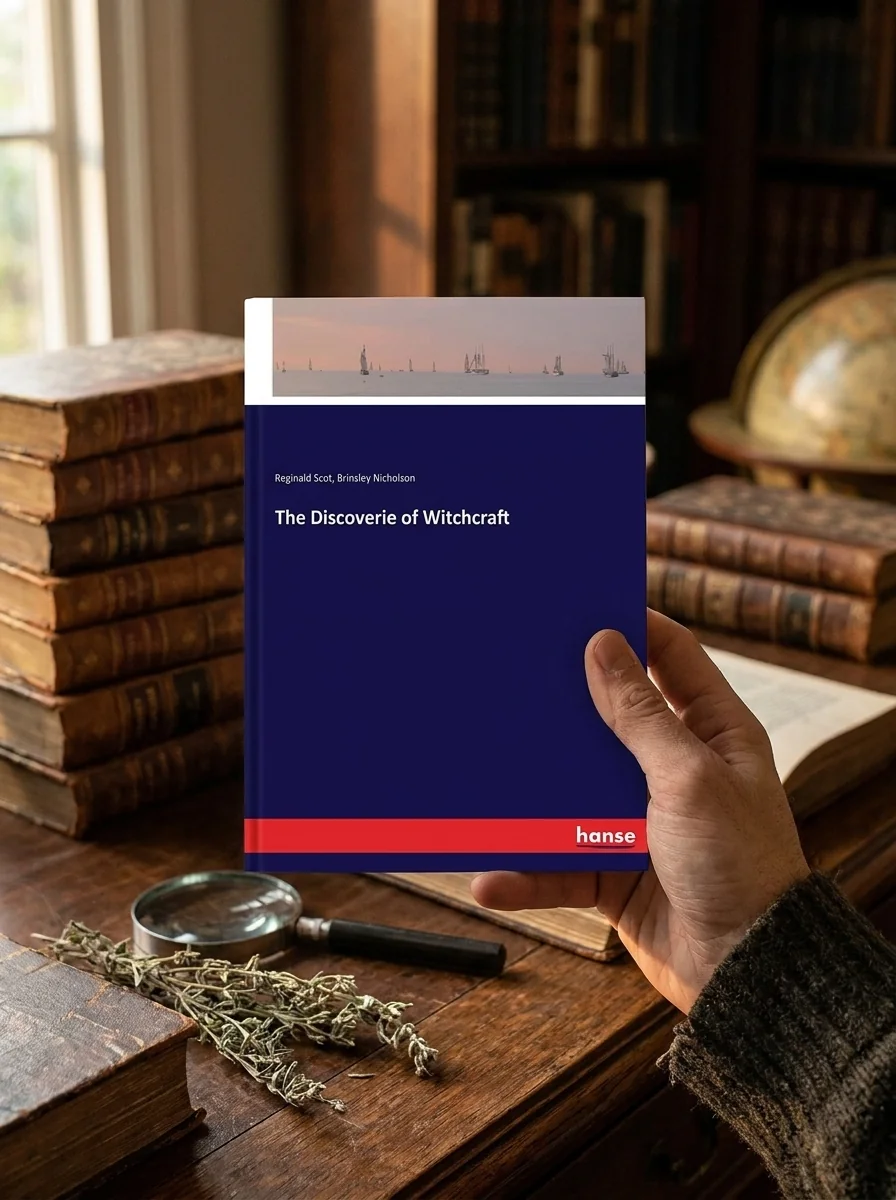
The Discoverie of Witchcraft
✍️ Scot, Reginald; , Nicholson, BrinsleyThis edition reproduces the 1886 publication prepared by Brinsley Nicholson, making Reginald Scot's foundational text available in its original form. Scot relies on contemporary trial records, theological arguments, and observations of street magic to dismantle common belief in sorcery. The material progresses from theoretical critiques of demonic power to practical explanations of sleight of hand. It offers a detailed look into early modern legal and religious thought.


📝 Description: The Discoverie of Witchcraft
💎 Expert review
📖 Why choose it
Why this book is worth reading
Readers fascinated by the intellectual history of skepticism and the evolution of legal perspectives on unexplained phenomena will find profound value in this audacious treatise. It offers a rare glimpse into a courageous defense of rationality against widespread hysteria, making it essential for those interested in how society historically processed fear and fraud. By systematically dismantling beliefs through logical inquiry rather than dogma, Scot provides a humane alternative to persecution that resonates with modern readers seeking to understand the roots of critical thinking and the dangers of mass delusion.
⭐ Reader reviews
Reader rating
This volume is indispensable for historians of ideas and those studying the intersection of law, religion, and superstition. However, it may not suit readers seeking practical guides on magic or those expecting a narrative-driven historical fiction. The text is dense with rational counterpoints and investigative detail rather than dramatic storytelling. It requires patience to navigate Scot’s meticulous dismantling of prevailing beliefs. While vital for understanding the shift toward skepticism, contemporary audiences might find the 16th-century context and argumentative style demanding rather than entertaining.
❓ Frequently asked questions
📖 Who should read this
If you seek to understand the historical roots of skepticism, the psychology of belief, or the tragic saga of witch trials, this book offers profound insights. Essential reading for anyone interested in occult history, the evolution of rational thought, or the societal impact of fear and superstition.
🎯 Key themes and symbolism
Deconstructing Witchcraft Hysteria
Scot's work stands as an early beacon of rational inquiry, systematically presenting arguments against the existence of supernatural witchcraft. He dissects alleged magical feats, often exposing them as trickery, psychological suggestion, or misinterpretations of natural events, thereby challenging the foundations of witch hunts and widespread superstition.
A Plea for Justice
At its core, "The Discoverie" is a powerful humanitarian appeal. Scot bravely condemned the brutal persecution of innocent individuals accused of witchcraft, highlighting the injustices of trials based on flimsy evidence and pervasive fear. His text championed compassion and common sense against prevailing judicial cruelty.
Exposing Magicians' Tricks
Beyond simply debunking witchcraft, Scot provides fascinating insights into the methods of stage magicians and charlatans of his time. He reveals the secrets behind seemingly impossible illusions and sleights of hand, demonstrating how these same techniques could be mistaken for genuine supernatural powers, thus misleading the populace.
📜 Historical context
📚 Glossary
- Daemonomanie
- Maleficium
- Familiar
📔 Questions to reflect on
- How might Scot's arguments have been received by the common populace, or by the religious and judicial authorities of his time?
- Considering Scot's efforts to debunk superstition, what modern-day beliefs or phenomena do you think he would apply his skepticism towards?
- Reflect on the ethical implications of accusing and persecuting individuals based on belief in unseen forces. How does Scot’s work speak to this?