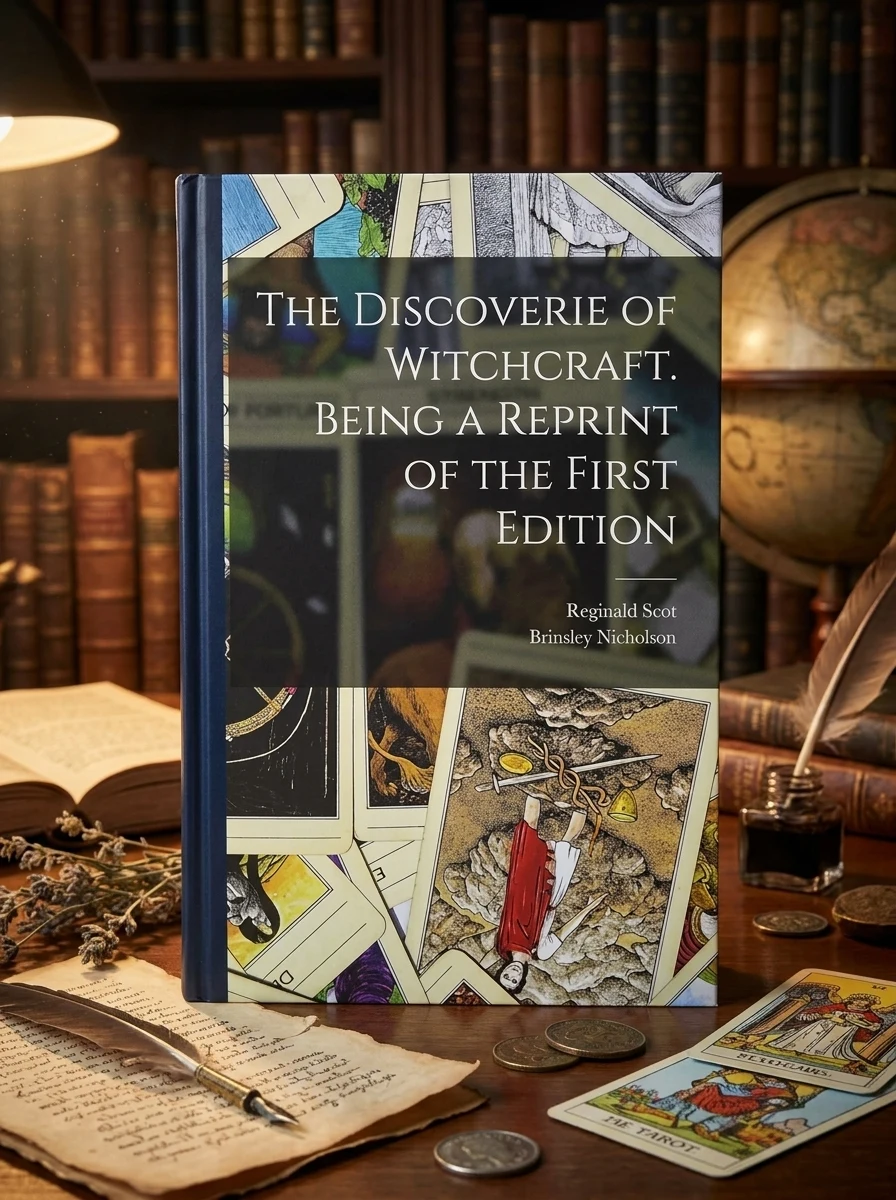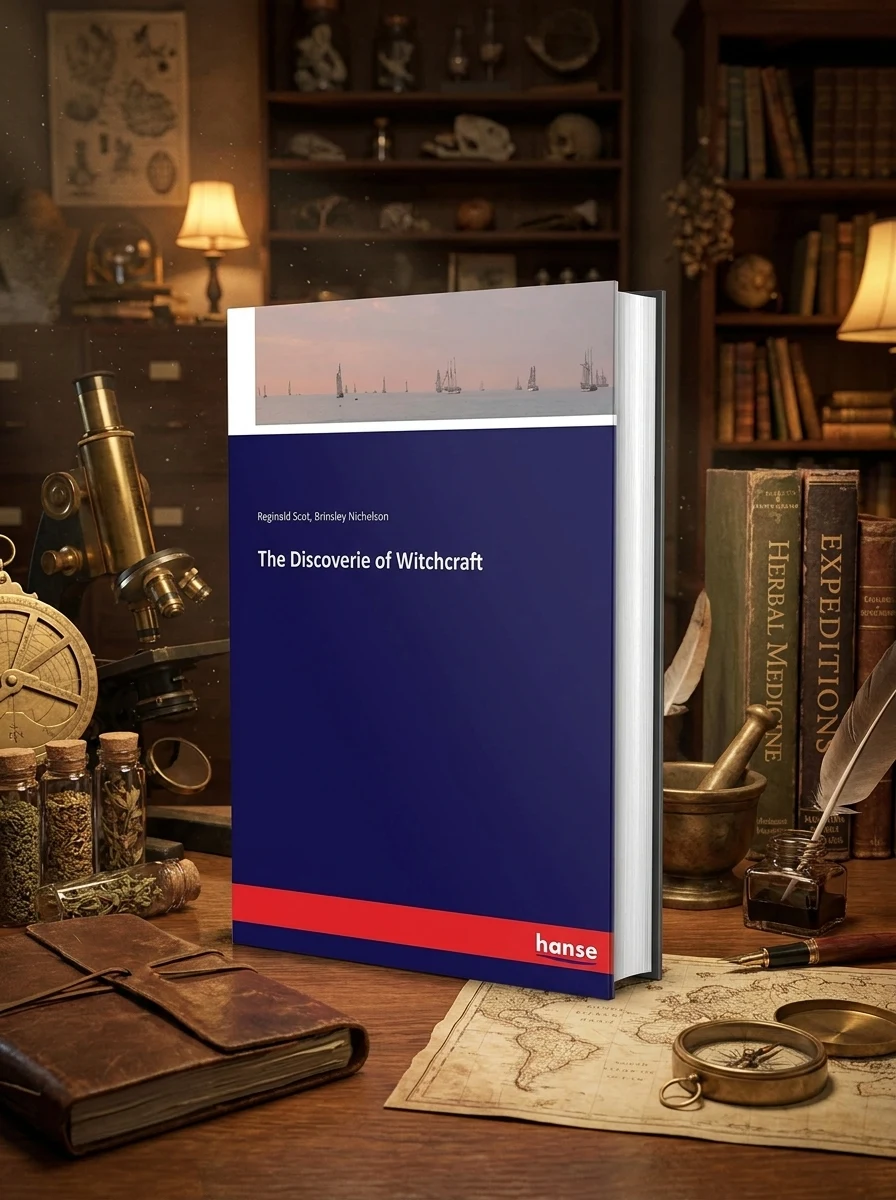
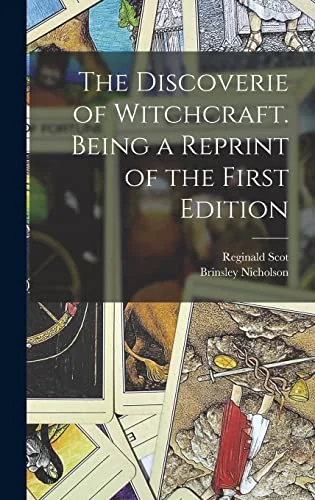
The Discoverie of Witchcraft. Being a Reprint of the First Edition
✍️ Scot, Reginald; , Nicholson, BrinsleyStep back to 1584 with Reginald Scot's groundbreaking work, a radical examination that dared to challenge the prevailing superstitions of its era. This volume meticulously dissects the supposed powers of witches, instead attributing mysterious occurrences to natural phenomena, cunning trickery, or psychological suggestion. Scot advocates for reason and compassion over fear and persecution, offering a deeply insightful critique of the pervasive belief in witchcraft that led to widespread suffering. It serves as a vital historical document and an early beacon of rational thought in an age consumed by magical terror.


📝 Description: The Discoverie of Witchcraft. Being a Reprint of the First Edition
💎 Expert review
📖 Why choose it
Why this book is worth reading
Readers who appreciate the intellectual courage required to challenge prevailing dogmas will find deep value in this text. It is essential for those interested in the history of science, law, and social justice, as it offers a compassionate critique of persecution driven by fear. Individuals seeking to understand how rational thought can dismantle collective hysteria will gain profound insight from Scot’s methodical dissection of trickery and psychological suggestion. This book empowers modern readers to recognize the enduring power of reason over irrational terror, making it a vital resource for anyone committed to critical thinking and historical accuracy.
⭐ Reader reviews
Reader rating
This volume serves as a crucial historical document for scholars of early modern skepticism and legal history. However, it is not suitable for readers seeking entertaining folklore or actionable magical practices, as its primary goal is deconstruction rather than instruction. Those expecting a narrative adventure may find the dense, analytical approach tedious. It is best reserved for academic minds or dedicated historians who understand that the value lies in its radical argumentation and historical significance rather than literary flair or immediate practical application.
❓ Frequently asked questions
📖 Who should read this
If you're fascinated by the history of magic, the evolution of skeptical thought, or the social dynamics of mass hysteria, this foundational text is indispensable. It offers a unique window into how intellectual courage can challenge deeply entrenched beliefs, making it perfect for scholars and curious minds alike.
🎯 Key themes and symbolism
Rational Inquiry
Scot fearlessly applies a discerning, empirical lens to claims of witchcraft, systematically dismantling them through logical argumentation. He champions the power of observation and reason, urging readers to seek mundane explanations for phenomena rather than immediately defaulting to supernatural causes, a stark departure from the dominant mindset of his time.
Exposing Deception
The author meticulously reveals the various ways in which alleged witchcraft could be fabricated, from simple sleight of hand to the malicious manipulation of the vulnerable. He highlights how perceived magical acts are often nothing more than clever illusions or the exploitation of public credulity, exposing the human element behind the supposed supernatural.
Critique of Persecution
Beyond merely debunking magic, Scot passionately argues against the brutal persecution of those accused of witchcraft. He advocates for mercy and understanding, illustrating how fear and ignorance fuel injustice and cruelty. His work serves as a profound humanitarian plea, challenging the legal and religious frameworks that condemned countless innocents.
📜 Historical context
📚 Glossary
- Daemonology
- Credulity
- Natural Philosophy
📔 Questions to reflect on
- Considering Scot's arguments, how do modern 'superstitions' or conspiracy theories parallel the beliefs in witchcraft he sought to debunk?
- If you were living in 16th-century England, how might you have reacted to Scot's radical views, given the pervasive fear of witchcraft?
- Reflect on how easily fear and lack of understanding can lead to the persecution of marginalized groups, drawing parallels to historical and contemporary events.