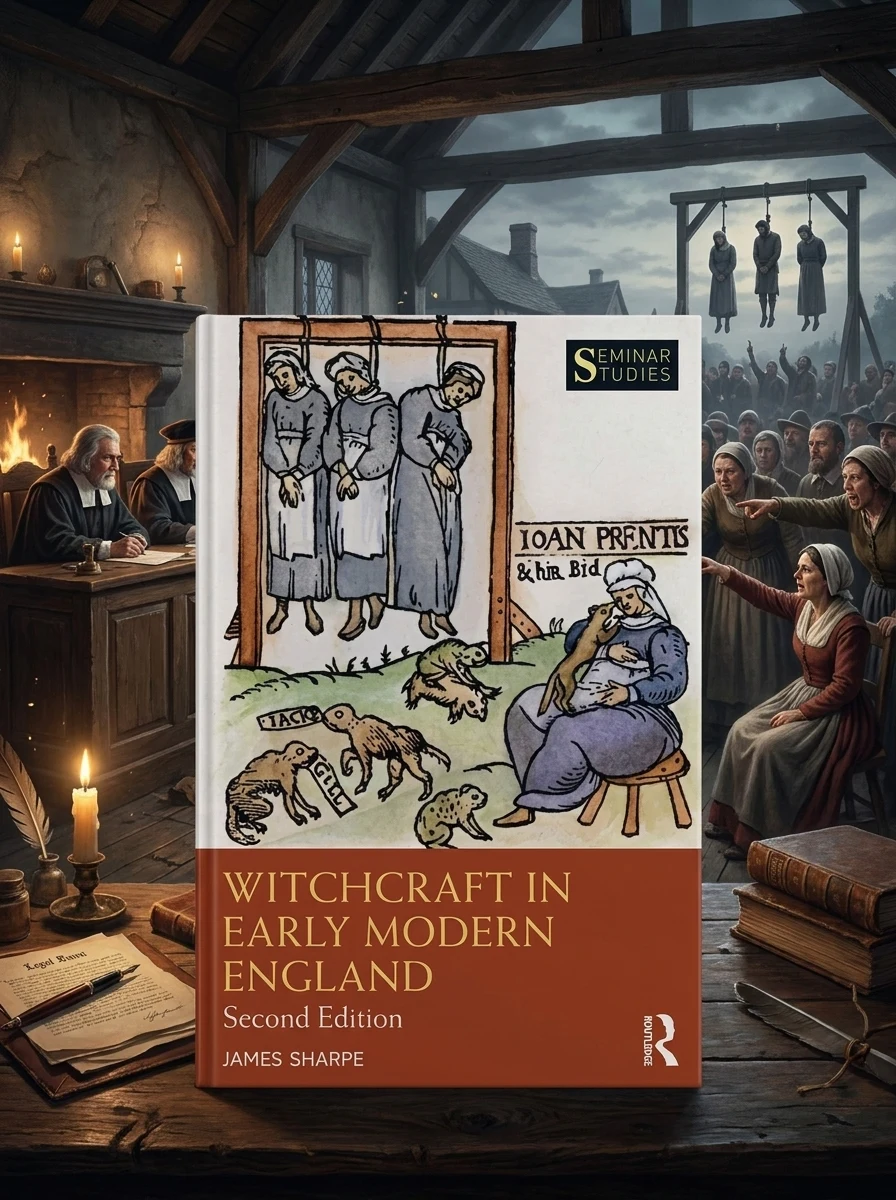
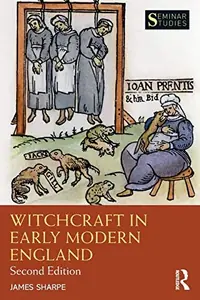
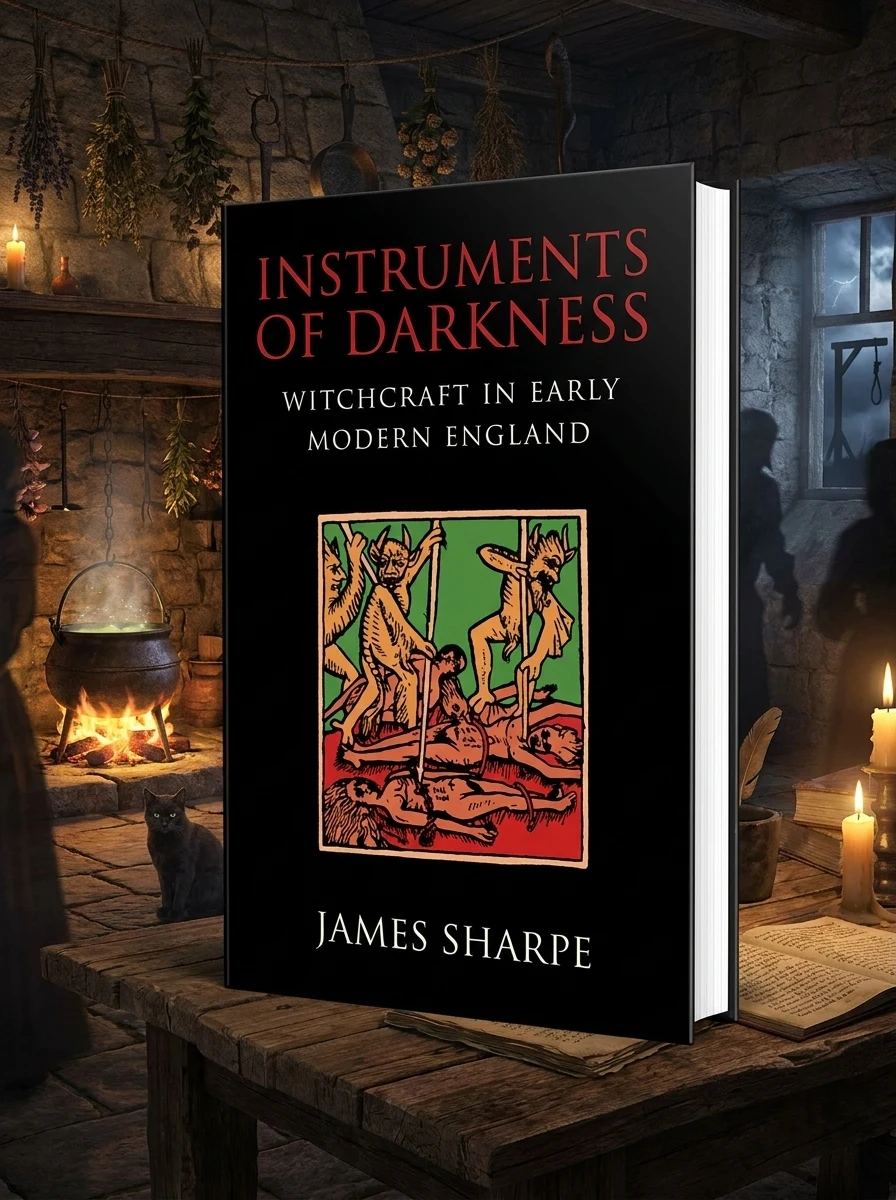
Witchcraft in Early Modern England Sharpe, James
Sharpe, JamesStock reported in the catalog; fulfillment is confirmed with your request.
Unearth the dark truths of England's witch hunts, from panic to persecution.
James Sharpe's compelling work offers an insightful journey into the history of witchcraft in England from the sixteenth to the eighteenth century. This revised edition meticulously charts the era's legal persecution, exploring how community tensions, elite attitudes, and the judicial system converged to shape the fate of accused witches. It delves into the complex decline of belief, integrating contemporary historiographical debates and providing an expanded focus on the crucial role of gender. Supported by extensive primary documents, this is an authoritative re-examination of a fascinating, often brutal, chapter in history.
This volume sits firmly within the historiography of early modern England, specifically examining the legal and social mechanisms of witchcraft persecution during the sixteenth through eighteenth centuries. It engages with contemporary scholarly debates regarding gender dynamics and the decline of supernatural belief in Western society.


📝 Description: Witchcraft in Early Modern England Sharpe, James
💎 Expert review
📖 Why choose it
Why this book is worth reading
Scholars and serious enthusiasts of English history will find immense value in this revised edition, which offers a meticulously charted journey through the era's legal persecution. Sharpe provides an authoritative re-examination of how community tensions and elite attitudes converged to shape the fate of accused witches. The expanded focus on gender and integration of primary documents make it essential for understanding the brutal intersection of judicial systems and social panic. Readers seeking a nuanced view of the complex decline of belief, rather than mere sensationalism, will gain profound insight into this fascinating chapter of history through Sharpe’s compelling and insightful analysis.
⭐ Reader reviews
Reader rating
Sharpe delivers a rigorous academic text that prioritizes historiographical debate over narrative flair. While it serves as an excellent resource for understanding the judicial system and gender roles in early modern England, it is not suited for casual readers seeking atmospheric storytelling or practical Wiccan guidance. Those expecting a dramatic recounting of individual trials may find the focus on legal persecution and elite attitudes dry. It demands patience from anyone looking for light entertainment, as its strength lies in scholarly rigor rather than accessible prose or emotional engagement with the victims' personal stories.
❓ Frequently asked questions
📖 Who should read this
If you're fascinated by the social history of belief, the intricate mechanics of historical justice, or the profound impact of societal anxieties on individual lives, this scholarly work is an essential acquisition. It's perfect for students, historians, and anyone seeking a nuanced understanding of early modern England.
🎯 Key themes and symbolism
Legal Persecution & Justice
The book meticulously details how England's legal framework treated witchcraft as a capital crime. It explores the mechanics of trials, the nature of evidence, and the societal pressures that often influenced judicial outcomes, revealing the intricate dance between law, superstition, and fear during this tumultuous period.
Community & Social Dynamics
Sharpe illuminates the micro-level tensions within villages and towns that frequently escalated into accusations of witchcraft. He demonstrates how local feuds, economic hardship, and social anxieties often provided fertile ground for suspicions, illustrating the profound impact of community relations on individual fates.
Gender & Belief Decline
This updated edition significantly expands on the intersection of gender and witchcraft, analyzing how evolving perceptions of women influenced accusations and prosecutions. It also critically examines the complex, gradual process through which societal belief in witchcraft diminished, marking a pivotal shift in cultural understanding.
💬 Quotes from the book
“The judicial proceedings against alleged witches frequently illuminated not the presence of malevolent magic, but rather the acute social discord and neighborly resentments plaguing early modern English communities.”
“A thorough examination of demographic data reveals how the evolving perception of female agency, both within the domestic sphere and public life, became inextricably linked to the ebb and flow of witchcraft prosecutions.”
📜 Historical context
📚 Glossary
- Witch Panic
- Historiography
- Early Modern Period
📔 Questions to reflect on
- How did prevailing societal anxieties and community tensions influence the legal response to witchcraft in early modern England?
- Consider the role of gender in historical witchcraft accusations. How does our modern understanding reshape this narrative, and what historical implications arise?
- What parallels, if any, can be drawn between historical 'witch panics' and contemporary moral or social anxieties in society today?
📖 From the series “Seminar Studies”
All books in the series →
✍️ More books by this author Sharpe, James
All books by this author →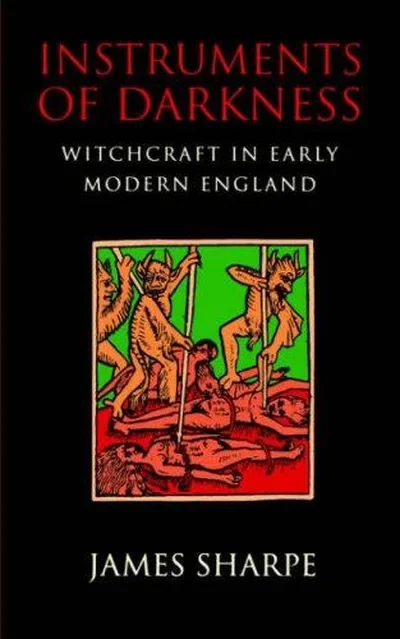
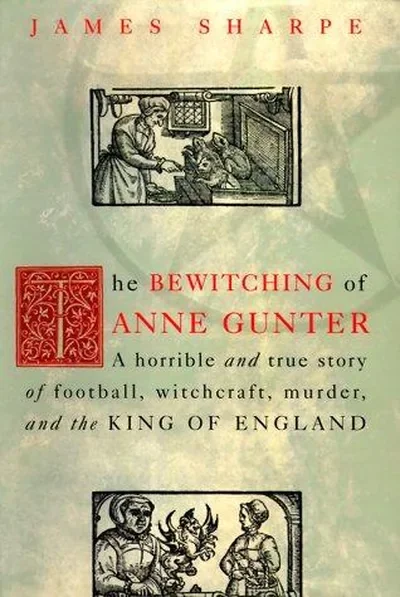
 75
75
🏛 Books from this publisher Routledge
All books from this publisher →


 89
89

You might also like
See more →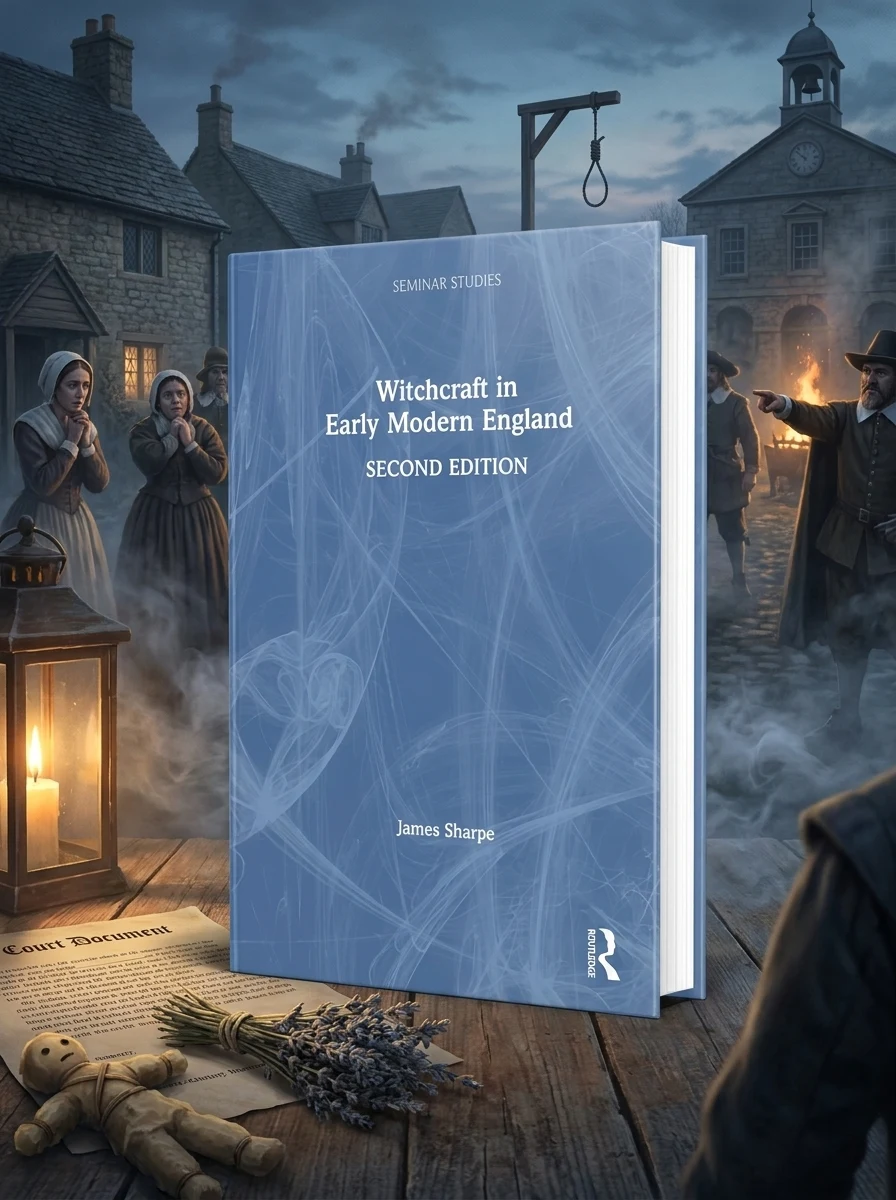
 82
82
 75
75

 91
91