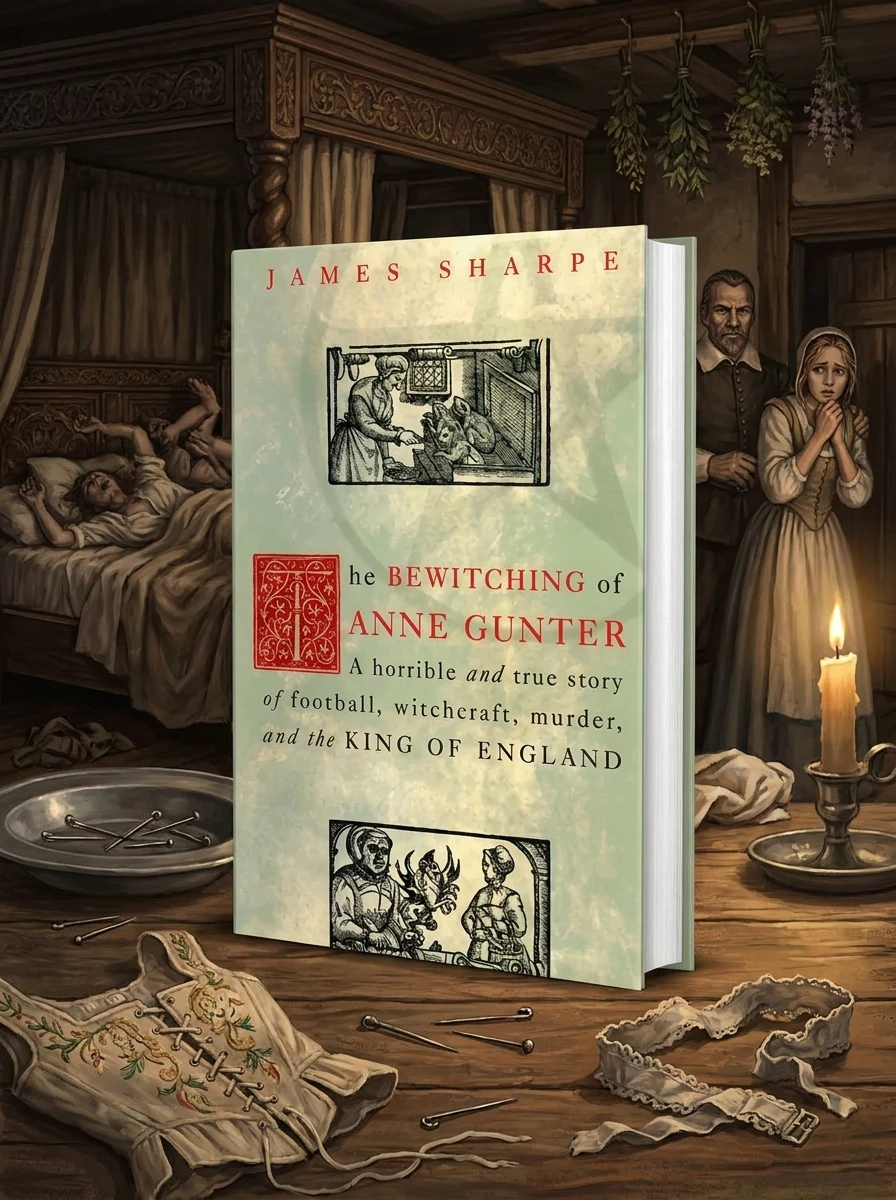
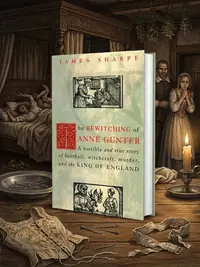
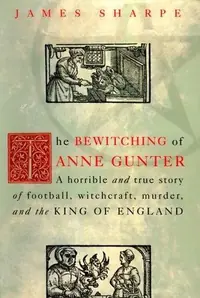
The Bewitching of Anne Gunter: A Horrible and True Story of Deception, Witchcraft, Murder, and the King of England
Sharpe, James 75
75
 Editorial score
How we rate
Editorial score
How we rate
This edition can be ordered. No arrival date is confirmed.
Anne Gunter's violent fits expose the deadly intersection of family power and early modern witchcraft fears.
In the tense atmosphere of early 17th-century England, a young woman’s dramatic seizures become a canvas for societal anxieties. This narrative reconstructs the chaotic events surrounding Anne Gunter, whose physical convulsions and peculiar symptoms sparked accusations of supernatural malice. Rather than accepting the occult explanation, we delve into the human mechanics behind the hysteria. The story unravels a complex web of paternal control, neighborly suspicion, and the precarious status of women in a patriarchal society. It is not merely a chronicle of alleged witchcraft, but a profound examination of how belief systems were weaponized within domestic and community dynamics during a time of profound social upheaval.
This work situates itself within the rich tradition of early modern English legal and social history, examining how witchcraft accusations functioned as instruments of domestic power rather than purely supernatural phenomena. It bridges the gap between occult studies and historical sociology by analyzing the intersection of family dynamics and societal anxiety in 17th-century England.


📝 Description: The Bewitching of Anne Gunter: A Horrible and True Story of Deception, Witchcraft, Murder, and the King of England
💎 Expert review
📖 Why choose it
Why this book is worth reading
Readers fascinated by the psychological underpinnings of historical hysteria and the weaponization of belief systems will find this book profoundly rewarding. It offers a compelling look at how patriarchal control and neighborly suspicion converged to create a narrative of supernatural malice, revealing the human mechanics behind public panic. By focusing on the domestic and community dynamics of early modern England, Sharpe provides a nuanced understanding of how women’s precarious status was exploited during times of social upheaval. This text is ideal for those seeking to move beyond sensationalist accounts of witchcraft to explore the complex web of deception, family power struggles, and societal fears that defined this turbulent period.
⭐ Reader reviews
Reader rating
Arrived faster than expected and well packaged. Some sections stopped me cold in the best way. It reads better in small doses — a chapter at a time with notes. The font runs small in the appendices. Recommended with reservations.
A friend in my study group recommended this one. The ideas are old but land with surprising force today. Five stars from me.
Sharpe delivers a rigorous reconstruction of the Anne Gunter case, effectively stripping away supernatural mystique to reveal the stark realities of early modern legal and social pressures. The narrative excels in exposing how paternal authority and community suspicion manipulated physical symptoms into evidence of witchcraft. However, readers seeking thrilling occult rituals or ghostly encounters will find little here; this is a dry, analytical dissection of hysteria rather than a gothic tale. It may also disappoint those expecting a straightforward condemnation of witch-hunting, as the text focuses more on the intricate social mechanics and domestic power plays involved. Ultimately, it is a scholarly examination that prioritizes historical context over narrative drama.
❓ Frequently asked questions
📖 Who should read this
Readers fascinated by the sociology of belief, the history of women’s bodies, and the psychological landscapes of the Stuart era will find this account both chilling and illuminating.
🎯 Key themes and symbolism
Domestic Power Dynamics
Social Hysteria
Gender and Agency
💬 Quotes from the book
“The body becomes a text upon which the community writes its deepest fears and desires.”
“Witchcraft was not just a crime, but a language of power in a voiceless society.”
📜 Historical context
📚 Glossary
- Stuart Era
- Poppet
- Gentry
📔 Questions to reflect on
- How might you interpret a loved one's physical distress if the only available framework for understanding it was supernatural?
- In what ways do modern 'hysterias' still mirror the social dynamics of the 17th-century village?
- Consider the role of the father in the narrative. How does economic dependence shape the choices of the accused?
✍️ More books by this author Sharpe, James
All books by this author →
 75
75
 82
82
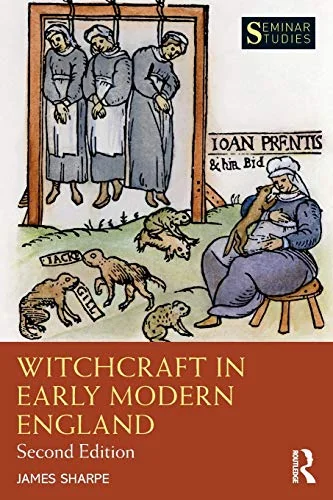
🏛 Books from this publisher Routledge
All books from this publisher →


 89
89

You might also like
See more →
 82
82
 75
75
 91
91