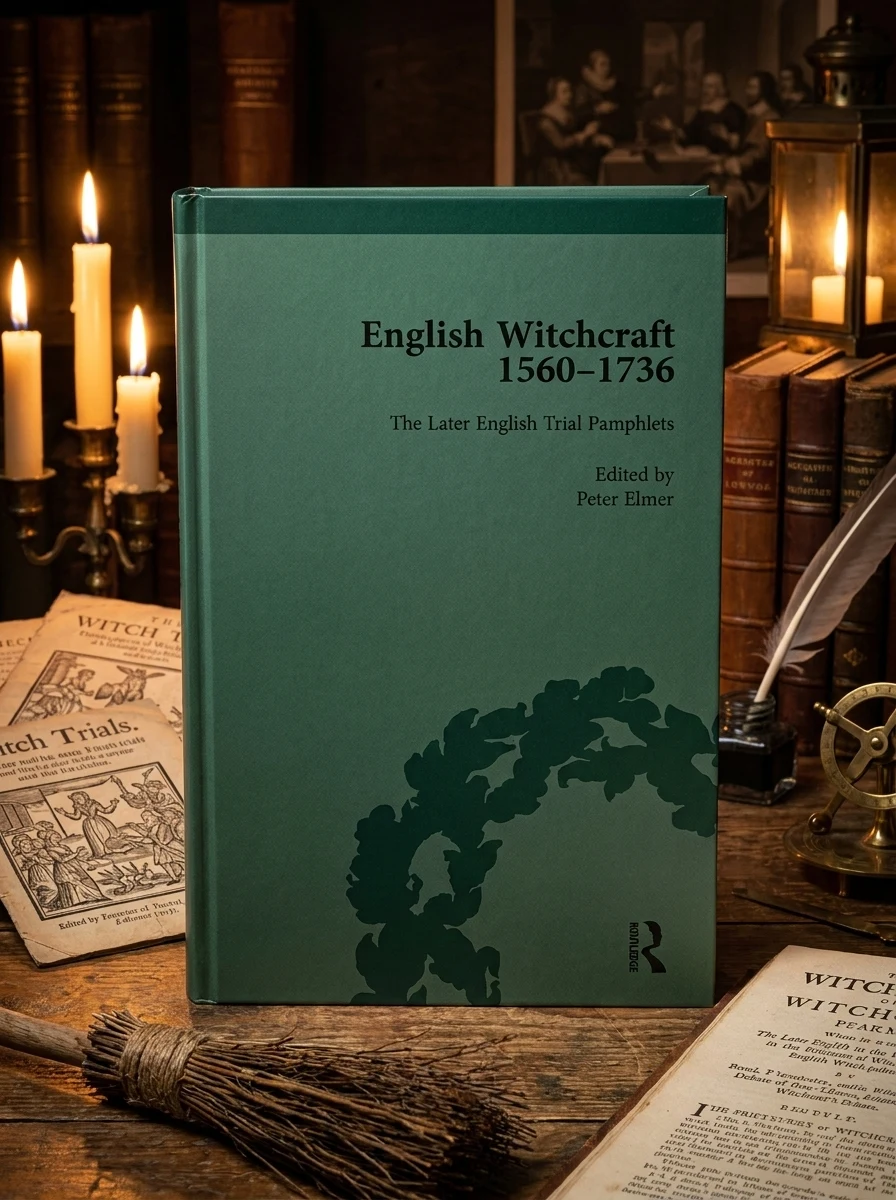
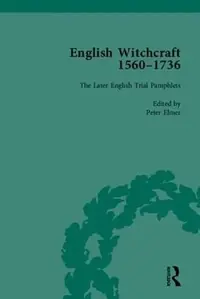
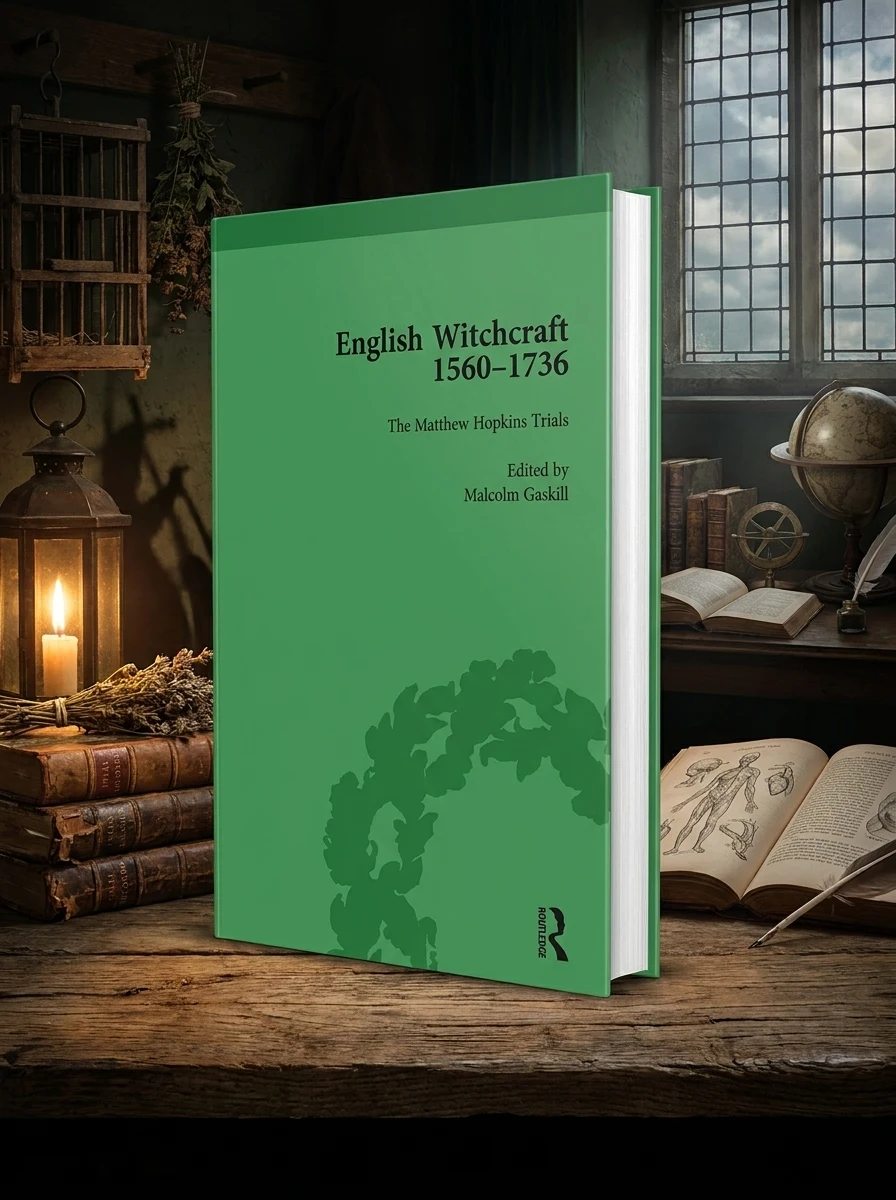
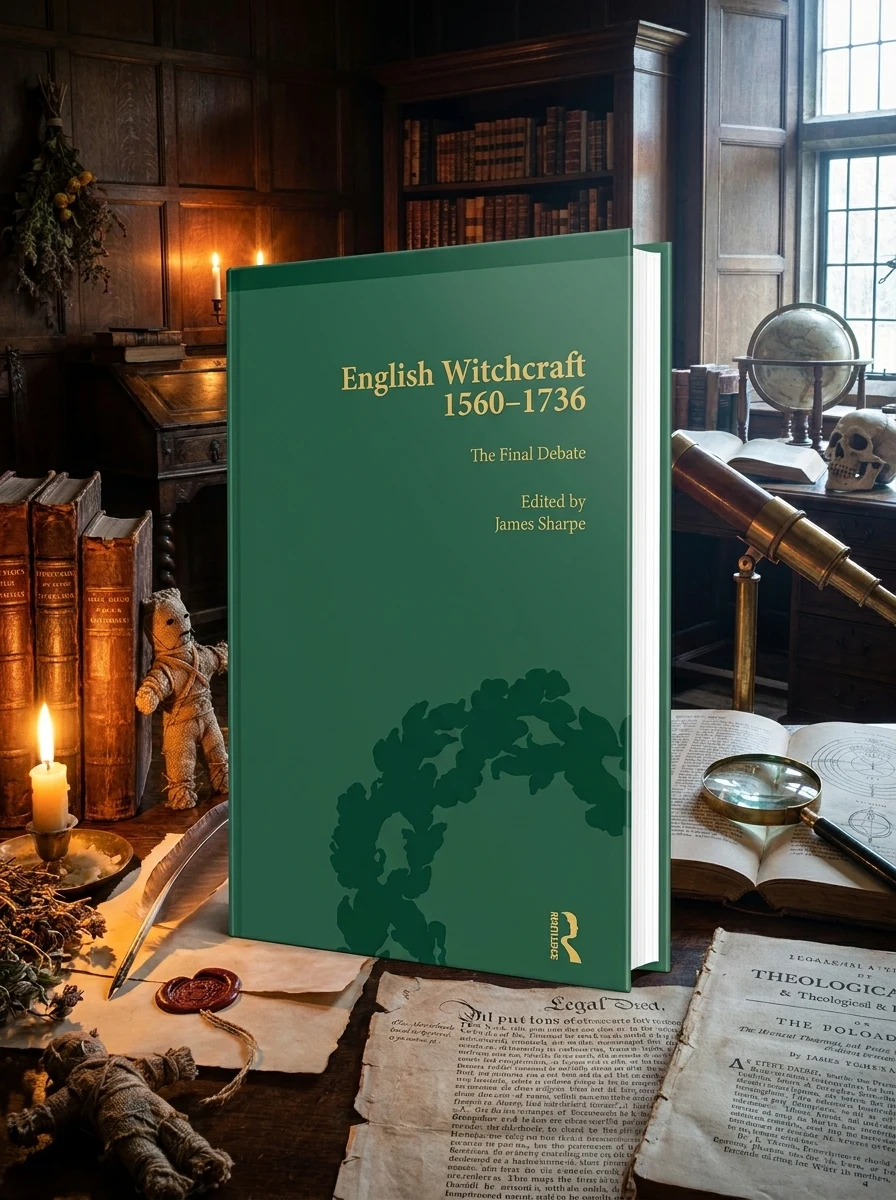
English Witchcraft, 1560-1736
Sharpe, James 75
75
 Editorial score
How we rate
Editorial score
How we rate
This edition can be ordered. No arrival date is confirmed.
Sharpe maps the intellectual shift from witch-hunting fervor to rational skepticism in early modern England.
James Sharpe offers a meticulous chronological examination of English attitudes toward witchcraft between 1560 and 1736. Rather than focusing solely on the hysteria of the peak persecution years, this work tracks the subtle but profound transformation in public and elite discourse. As the period progresses, educated society begins to question the very existence of witches, leading to a gradual decline in prosecutions. This book serves as a critical historical record of how fear was eventually replaced by doubt, marking a pivotal moment in the history of magic and reason.
This work sits firmly within the historiography of early modern England, documenting the critical transition from supernatural fear to Enlightenment skepticism regarding witchcraft. It serves as a vital bridge between religious persecution narratives and the emerging rationalist discourse of the eighteenth century.


📝 Description: English Witchcraft, 1560-1736
💎 Expert review
📖 Why choose it
Why this book is worth reading
Scholars, historians, and intellectually curious readers seeking a nuanced understanding of how societal attitudes toward magic evolved will find immense value in this text. Sharpe’s meticulous chronological examination offers more than just dates; it reveals the profound intellectual shift from fervent witch-hunting to rational doubt. By focusing on the subtle transformations in elite discourse rather than mere hysteria, the book illuminates how fear was gradually replaced by skepticism. It is essential for those who wish to comprehend the pivotal moment when reason began to dismantle centuries of supernatural belief, making it a crucial resource for anyone studying the history of magic, law, or social change in early modern England.
⭐ Reader reviews
Reader rating
Bought this as a gift for my sister and ended up ordering a second copy for myself. Some chapters demand a slow, careful read, and that's exactly the point.
This edition finally does the material justice. It connects ideas I'd only seen treated separately elsewhere.
James Sharpe delivers a rigorous and meticulous account of English witchcraft attitudes from 1560 to 1736. His focus on intellectual shifts rather than sensationalist persecution narratives provides a refreshing, scholarly perspective on the decline of prosecutions. However, readers seeking gripping tales of individual trials or visceral accounts of witch-hunting hysteria will likely find this work dry and detached. It is strictly for those interested in high-level historical analysis and discourse evolution. Casual history enthusiasts may struggle with the academic tone and lack of narrative drama, making it unsuitable for those preferring accessible, story-driven non-fiction over dense intellectual examination.
❓ Frequently asked questions
📖 Who should read this
Readers interested in the intellectual history of magic, early modern European society, or the transition from superstition to Enlightenment rationalism will find this essential. It is particularly valuable for those studying the sociological roots of occult persecution.
🎯 Key themes and symbolism
Shifting Public Sentiment
The text traces how popular belief evolved from widespread acceptance of witchcraft's reality to increasing skepticism among the educated classes, reflecting broader societal changes in understanding the supernatural.
Elite Intellectual Debate
Sharpe highlights how learned men and legal professionals began to dissect the evidence, moving away from theological certainty toward rational inquiry, which ultimately undermined the legal basis for witch trials.
Decline of Prosecutions
The narrative concludes with the cessation of major witch hunts, illustrating how legal reforms and changing philosophical standards rendered the accusation of witchcraft increasingly untenable in English courts.
💬 Quotes from the book
“The decline of belief in witchcraft was not sudden, but a gradual erosion of certainty among the educated.”
“Attitudes shifted from fear of the supernatural to a demand for rational proof.”
📜 Historical context
📚 Glossary
- Chronological Collection
- Educated Debate
- Associated Phenomena
📔 Questions to reflect on
- How does the decline of public belief in a specific phenomenon reflect broader changes in societal values?
- In what ways does legal history influence the way we perceive historical magic and superstition?
- Compare the role of elite intellectual debate in shaping public opinion during the early modern period with today's media landscape.
✍️ More books by this author Sharpe, James
All books by this author →
 82
82
🏛 Books from this publisher Routledge
All books from this publisher →

 89
89

You might also like
See more →
 82
82
 91
91