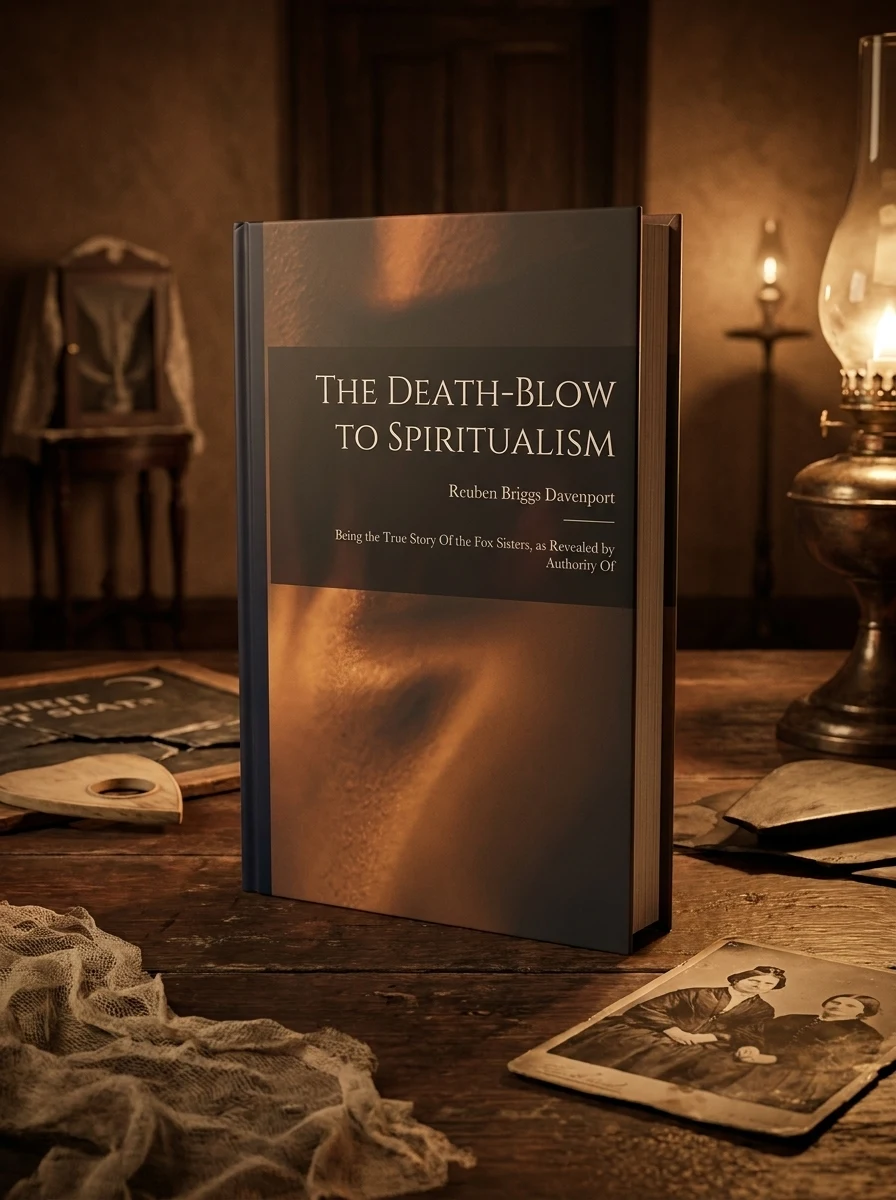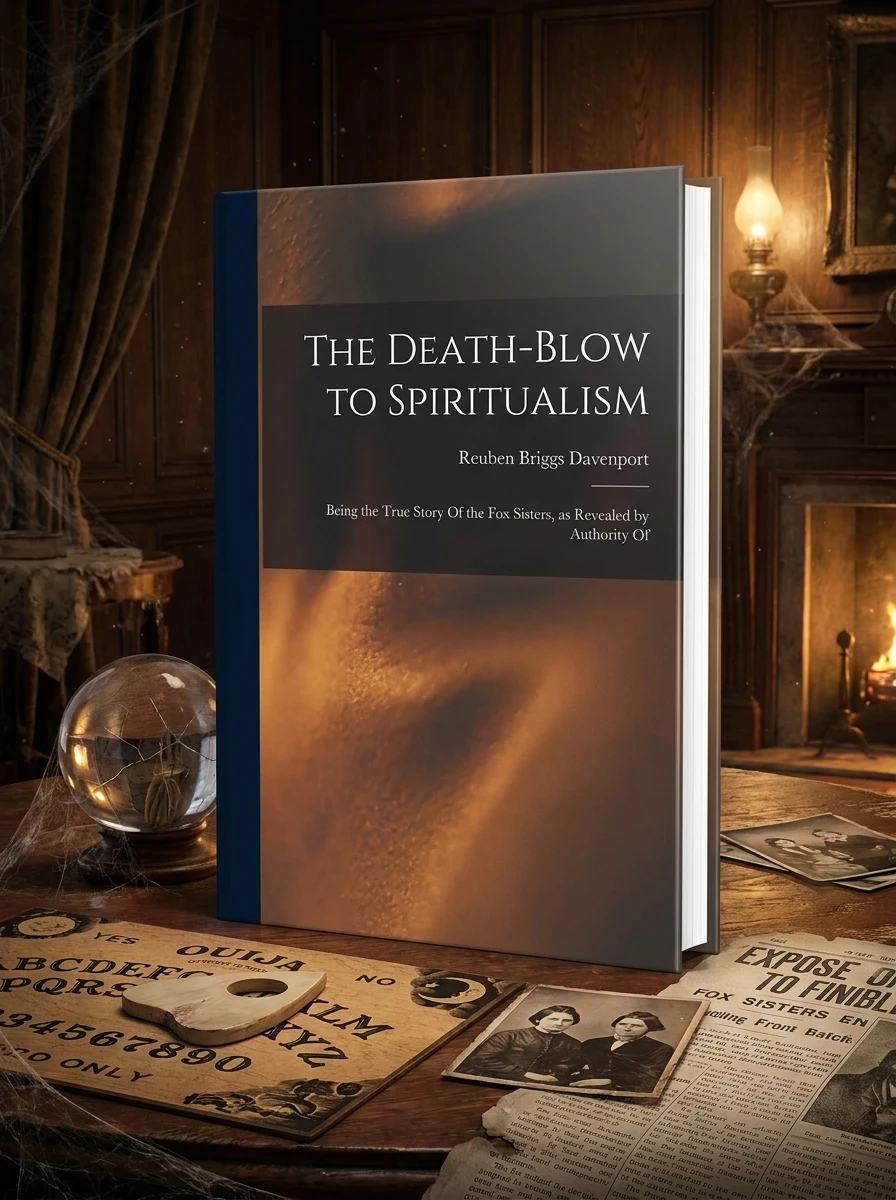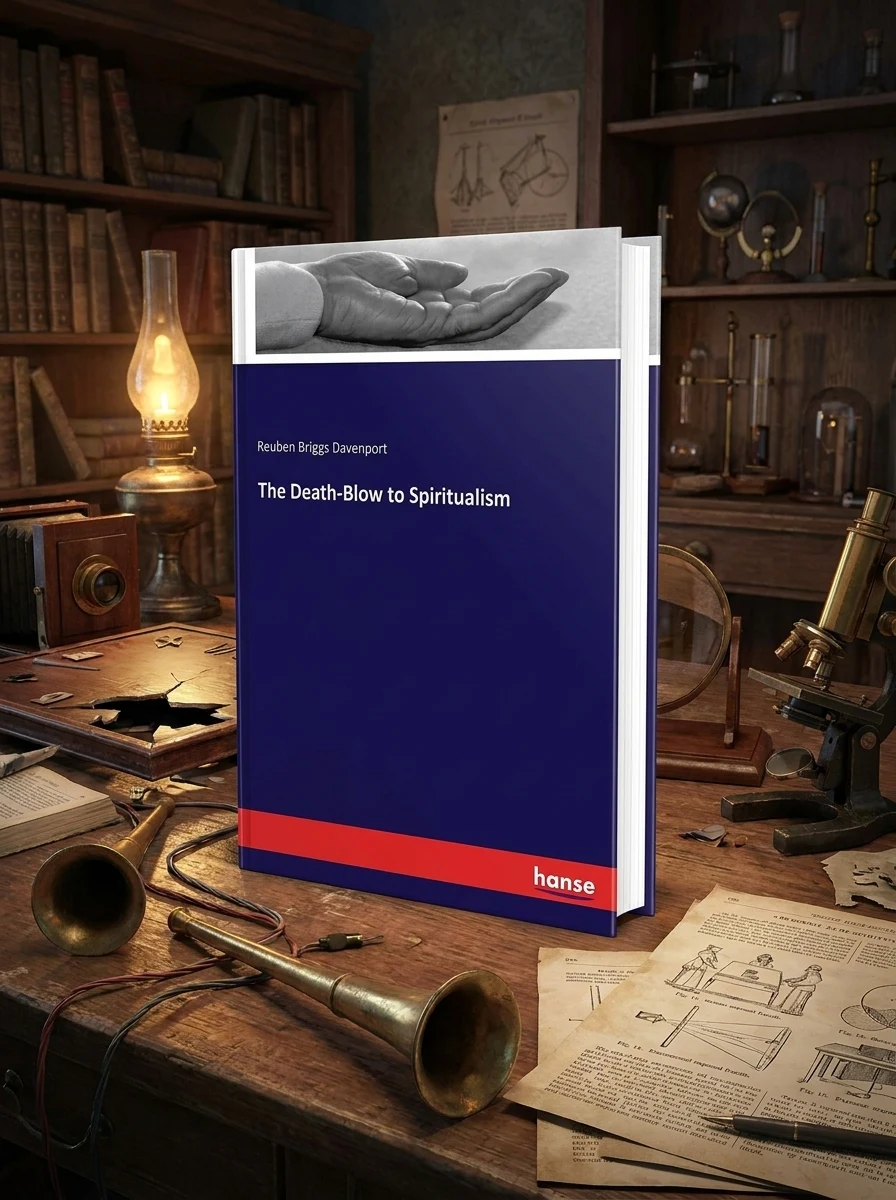
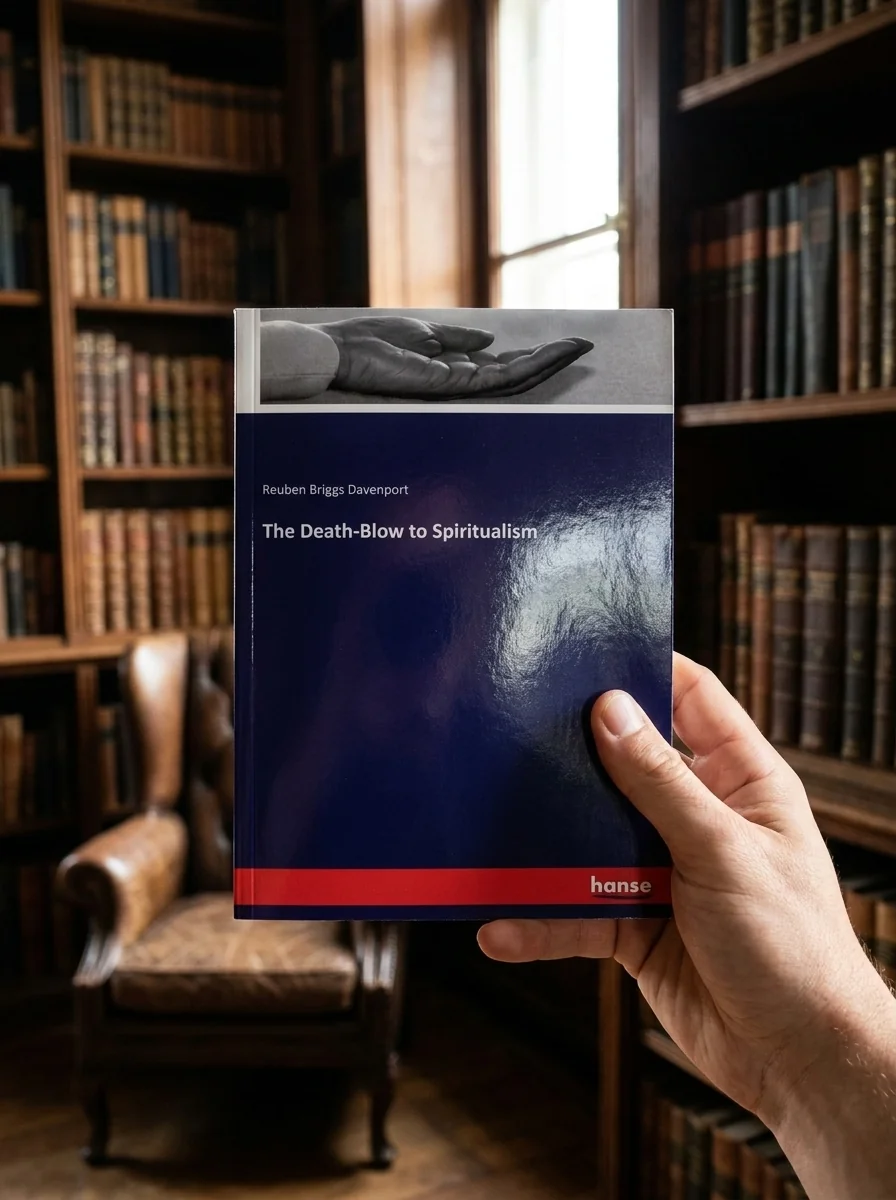
The Death-Blow to Spiritualism
✍️ Davenport, Reuben BriggsReuben Briggs Davenport’s provocative 1888 work launches a direct assault on the burgeoning spiritualist movement that captivated 19th-century society. Far from endorsing its claims, this volume meticulously dissects and dismisses the supposed psychic phenomena, clairvoyance, and spirit communications prevalent during the era. Davenport aims to systematically dismantle the foundations of spiritualism, exposing what he perceives as fraud and delusion rather than genuine supernatural encounters. It serves as a crucial historical document, offering a candid glimpse into the fervent debates surrounding the occult and the scientific skepticism of the time, challenging readers to question the unseen.


📝 Description: The Death-Blow to Spiritualism
💎 Expert review
📖 Why choose it
Why this book is worth reading
Readers interested in the historical intersection of religion, science, and fraud will find this volume indispensable. It offers a candid look at how skeptics of the Victorian era dismantled the spiritualist craze, providing context for modern debates on paranormal claims. If you enjoy dissecting cultural phenomena through a lens of rigorous inquiry rather than blind belief, this work provides a solid foundation. It is particularly valuable for those who appreciate understanding the origins of contemporary skepticism and the specific rhetorical strategies used to challenge supernatural assertions during a time of significant social change.
⭐ Reader reviews
Reader rating
This book serves as a vital primary source for understanding anti-spiritualist sentiment in the 1800s, though it may alienate devotees of the very movement it critiques. Readers seeking validation of psychic phenomena will find its tone dismissive and unyielding. However, those interested in the history of scientific skepticism or the sociology of religion will appreciate its detailed exposure of perceived fraud. It is not for the faint-hearted believer, but rather for the analytical mind eager to witness how historical figures navigated the blurry line between genuine mystery and calculated deception in a rapidly modernizing world.
❓ Frequently asked questions
📖 Who should read this
If you're fascinated by the history of occult skepticism, the social dynamics of belief systems, or seeking primary sources on the anti-spiritualist movement, this book offers a potent perspective. It’s ideal for those who appreciate historical critiques of paranormal claims.
🎯 Key themes and symbolism
Skepticism and Exposure
Davenport rigorously scrutinizes the methods and claims of spiritualist mediums, aiming to expose the trickery and manipulation he believed underpinned their performances. His work serves as a historical record of rationalist opposition to supernatural assertions, providing detailed arguments against the authenticity of psychic phenomena and alleged spirit contact, advocating for a critical, scientific worldview.
Critique of Psychic Claims
This text systematically challenges the validity of clairvoyance, precognition, and telepathy as presented by spiritualists. Davenport examines specific instances and general principles, offering alternative, non-supernatural explanations for what was often attributed to psychic abilities, thereby contributing to the historical discourse on the nature of human perception and belief.
19th-Century Spiritualist Context
The book provides an invaluable, albeit biased, window into the societal impact and widespread appeal of spiritualism in the late 1800s. It reflects the era’s fascination with the afterlife and communication with the deceased, while documenting the fierce intellectual battle waged by skeptics against what they considered mass delusion.
📜 Historical context
📚 Glossary
- Spiritualism
- Clairvoyance
- Medium
📔 Questions to reflect on
- How do Davenport's arguments against spiritualism compare to modern critiques of paranormal or New Age phenomena?
- Consider the societal conditions in 1888 that might have made spiritualism so appealing, and conversely, why a book like this would be necessary.
- If you were a spiritualist medium reading this book, how might you defend your practices against Davenport's accusations?