
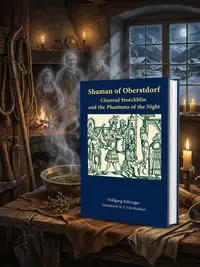

Shaman of Oberstdorf Shaman of Oberstdorf: Chonrad Stoeckhlin and the Phantoms of the Night - Not Available - Out of Print Behringer, Wolfgang
Stock reported in the catalog; fulfillment is confirmed with your request.
Witness a 16th-century Bavarian horse wrangler's visions ignite a village's deadly witch panic.
Step into 16th-century Oberstdorf, a remote Bavarian village where ancient alpine myths collided with burgeoning religious fervor. This compelling historical account centers on Chonrad Stoeckhlin, a horse wrangler whose profound spiritual visions and engagement with local occult practices led to his tragic accusation and execution for witchcraft. Beyond Stoeckhlin's personal ordeal, the book masterfully explores the intricate web of folklore, the impact of the Counter-Reformation, and how these local narratives were later manipulated, offering a rich tapestry of history, belief, and societal dynamics.
This work sits at the intersection of early modern social history and occult studies, examining how local Bavarian folklore and Counter-Reformation tensions fueled witchcraft accusations in the sixteenth century.


📝 Description: Shaman of Oberstdorf Shaman of Oberstdorf: Chonrad Stoeckhlin and the Phantoms of the Night - Not Available - Out of Print Behringer, Wolfgang
💎 Expert review
📖 Why choose it
Why this book is worth reading
Readers fascinated by the intricate dance between personal spiritual experience and societal persecution will find this book deeply rewarding. It offers a rare, intimate glimpse into the life of Chonrad Stoeckhlin, transforming him from a historical footnote into a complex figure whose visions triggered a deadly panic. Those interested in how ancient alpine myths collided with burgeoning religious fervor will appreciate the detailed exploration of these dynamics. The narrative provides essential context for understanding how local folklore was manipulated during the Counter-Reformation, making it invaluable for historians and enthusiasts of esoteric history who seek to understand the human cost of belief systems.
⭐ Reader reviews
Reader rating
Behringer delivers a meticulous historical account that serves as a vital resource for scholars of early modern Europe and witchcraft studies. However, readers seeking fast-paced adventure or straightforward occult instruction will likely find this dense academic narrative dry and unengaging. It is not suitable for those expecting sensationalist ghost stories or simple moral binaries; instead, it offers a nuanced, often uncomfortable look at how societal pressures and religious fervor can distort individual spirituality into deadly accusations. The focus remains firmly on historical analysis rather than entertainment.
❓ Frequently asked questions
📖 Who should read this
If you're drawn to the intersection of history, spiritual practice, and social psychology, this book is for you. Readers interested in early modern European history, the nuances of witchcraft trials, or the enduring power of folklore will find this an essential, thought-provoking read.
🎯 Key themes and symbolism
Local Witch Hunts
Explores the tragic 16th-century witch hunt in Oberstdorf, ignited by Chonrad Stoeckhlin’s visions. It details the progression from spiritual practice to accusations, examining the societal panic that consumed the village, leading to Stoeckhlin's and other women's deaths. This illuminates the era's volatile blend of fear and faith.
Alpine Folklore & Occultism
Delves into the rich tapestry of pre-modern alpine beliefs, including local legends of spirits, soothsayers, and healing practices. The book contextualizes Stoeckhlin's 'shamanic' experiences within this framework, showing how his extraordinary visions of the afterlife were interpreted through the lens of existing supernatural traditions, both benign and dangerous.
History & Political Influence
Situates Stoeckhlin's individual story within larger historical currents. It examines the local impact of the Counter-Reformation and how prevailing popular culture shaped perceptions of the supernatural. The work also critically notes how these historical alpine myths were later misappropriated by certain German political movements, offering a nuanced historical perspective.
💬 Quotes from the book
“The alpine air, thick with ancient whispers, seemed to stir a unique blend of prophecy and peril within the isolated communities.”
“What began as ecstatic vision quickly transformed into an indictment, revealing the razor's edge between spiritual insight and deadly heresy in the eyes of the law.”
📜 Historical context
📚 Glossary
- Counter-Reformation
- Shamanism
- Oberstdorf
📔 Questions to reflect on
- How do societal fears contribute to the persecution of individuals who challenge or embody unconventional spiritual norms?
- Reflect on the blurred lines between genuine spiritual experience, psychological states, and perceived malevolent magic in historical contexts.
- In what ways do historical narratives of local folklore and belief systems continue to resonate or influence modern thought about the supernatural?
📖 From the series “Studies in Early Modern German History”
All books in the series →


🏛 Books from this publisher University of Virginia Press
All books from this publisher →


You might also like
See more →







 91
91