The Devil's Art: Divination and Discipline in Early Modern Germany Coy, Jason P
Stock reported in the catalog; fulfillment is confirmed with your request.
Uncover the enduring magic of folk divination in early modern Germany, defying centuries of suppression.
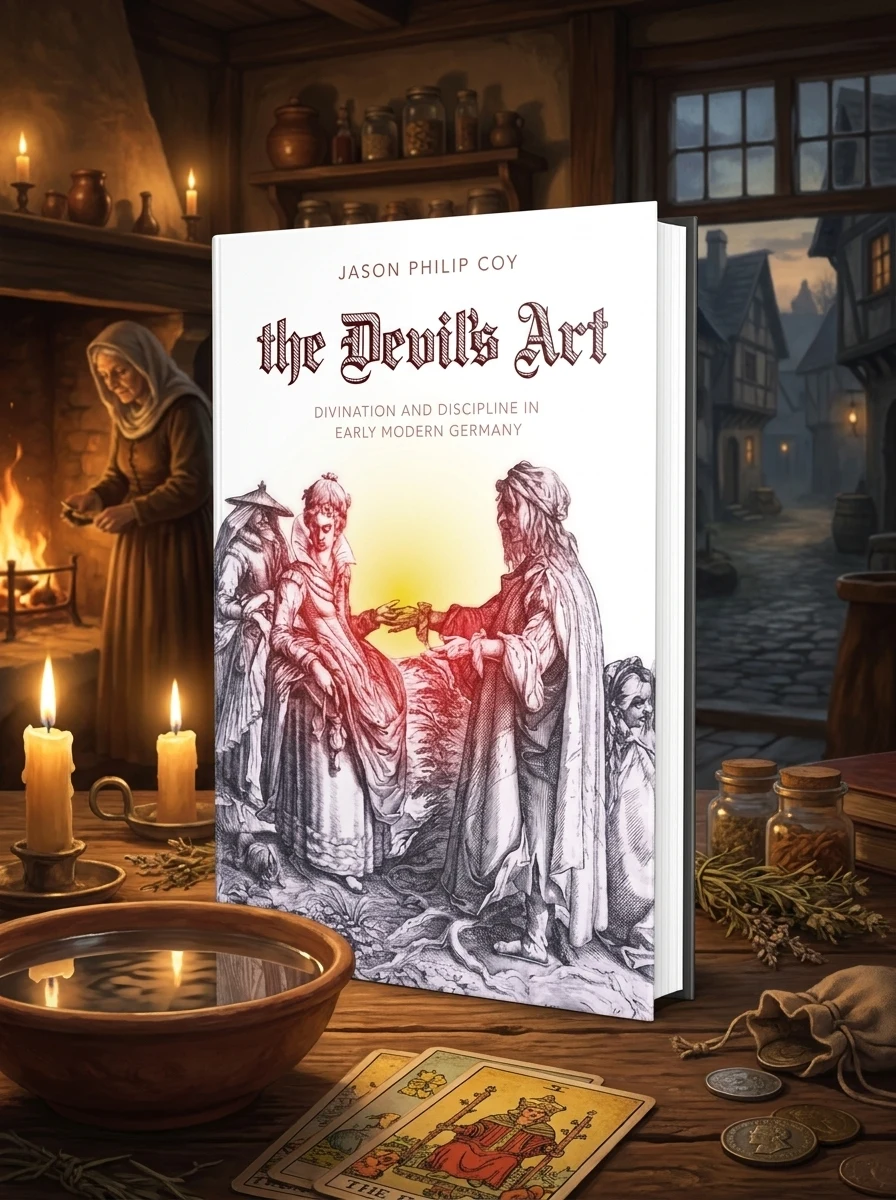
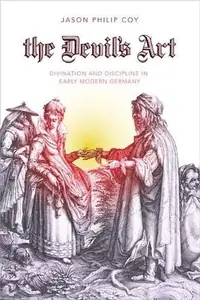
Journey into early modern Germany, where "wise folk" practiced divination despite fervent opposition. Jason P. Coy meticulously reveals how villagers in Thuringia consistently consulted palm readers, astrologers, and seers. This compelling study blends theological debates with archival evidence of prosecutions, demonstrating the surprising resilience of popular magical practices. Even as Lutheran clergy and Enlightenment thinkers attempted to eradicate these traditions, divination remained a vital, enchanted thread in the fabric of rural life, persisting well into the 19th century.
This work situates itself within the historiography of early modern German religious and social history, specifically examining the intersection of Lutheran theology, Enlightenment thought, and persistent folk magic traditions in Thuringia.


📝 Description: The Devil's Art: Divination and Discipline in Early Modern Germany Coy, Jason P
💎 Expert review
📖 Why choose it
Why this book is worth reading
Scholars and enthusiasts of esoteric history will find profound value in this meticulous archival exploration. Jason P. Coy offers a rare glimpse into the resilient lives of 'wise folk' who maintained their divinatory practices against overwhelming institutional pressure. Readers fascinated by the tension between official religious doctrine and underground spiritual survival will appreciate the detailed evidence of palm readers and astrologers in Thuringia. It is essential for those seeking to understand how popular magic persisted as a vital thread in rural life, defying centuries of suppression by Lutheran clergy and Enlightenment thinkers alike.
⭐ Reader reviews
Reader rating
Coy delivers a rigorous academic study that may feel dense to casual readers seeking narrative flair. While the archival depth is impressive, the focus on theological debates and prosecution records might alienate those looking for practical divination guides or lighthearted folklore. It is not suited for readers who prefer accessible storytelling over dense historical analysis or those interested in modern occult practices rather than their early modern predecessors. However, for specialists in German history or religious studies, it provides an indispensable, candid look at the enduring nature of folk magic amidst fierce opposition.
❓ Frequently asked questions
📖 Who should read this
For scholars of German history, students of folk magic, and anyone fascinated by enduring belief against institutional opposition. If you seek to understand the nuanced interplay between popular practice and elite doctrine, this offers profound insights.
🎯 Key themes and symbolism
Enduring Folk Divination
This work vividly illustrates how ancient divinatory arts, from horoscopes to identifying witches, stubbornly persisted in German villages. Despite relentless condemnation from religious and intellectual elites, these practices remained deeply woven into the daily lives of ordinary people, proving incredibly difficult to suppress or eradicate.
Clergy and Enlightenment
Explore the concerted efforts by powerful institutions to stamp out popular divination. From the fervent denunciations of Lutheran reformers after the Reformation to the rationalist critiques of the Enlightenment, this book details the theological and philosophical battles waged against what was considered superstitious or demonic.
Thuringia's Enchanted Villages
Focuses on the diverse region of Thuringia, painting a rich picture of its rural communities. Through local archival records, the book unearths the practical applications of divination in villagers' lives, showing how soothsayers were integral to solving everyday problems, from lost items to interpersonal conflicts.
💬 Quotes from the book
“Even as the pulpit thundered against demonic influence, the villagers continued to seek guidance from their local seers, a testament to an unyielding, everyday magic.”
“The archival dust reveals not merely accusations, but a vibrant tapestry of necessity and faith, where a stolen cow or a suspected hex found its resolution in uncanny wisdom.”
📜 Historical context
📚 Glossary
- Soothsayers
- Confessional Conflict
- Enlightenment
📔 Questions to reflect on
- Consider how contemporary "alternative" or "spiritual" practices face similar institutional or societal skepticism today. What parallels can you draw?
- If you lived in early modern Thuringia, how might your reliance on local diviners shape your worldview, compared to state-sanctioned religion?
- Reflect on the concept of "failed reform." What does this book suggest about the limits of top-down attempts to alter deeply ingrained cultural practices?
📖 From the series “Studies in Early Modern German History”
All books in the series →
🏛 Books from this publisher University of Virginia Press
All books from this publisher →
You might also like
See more →
 91
91


 91
91