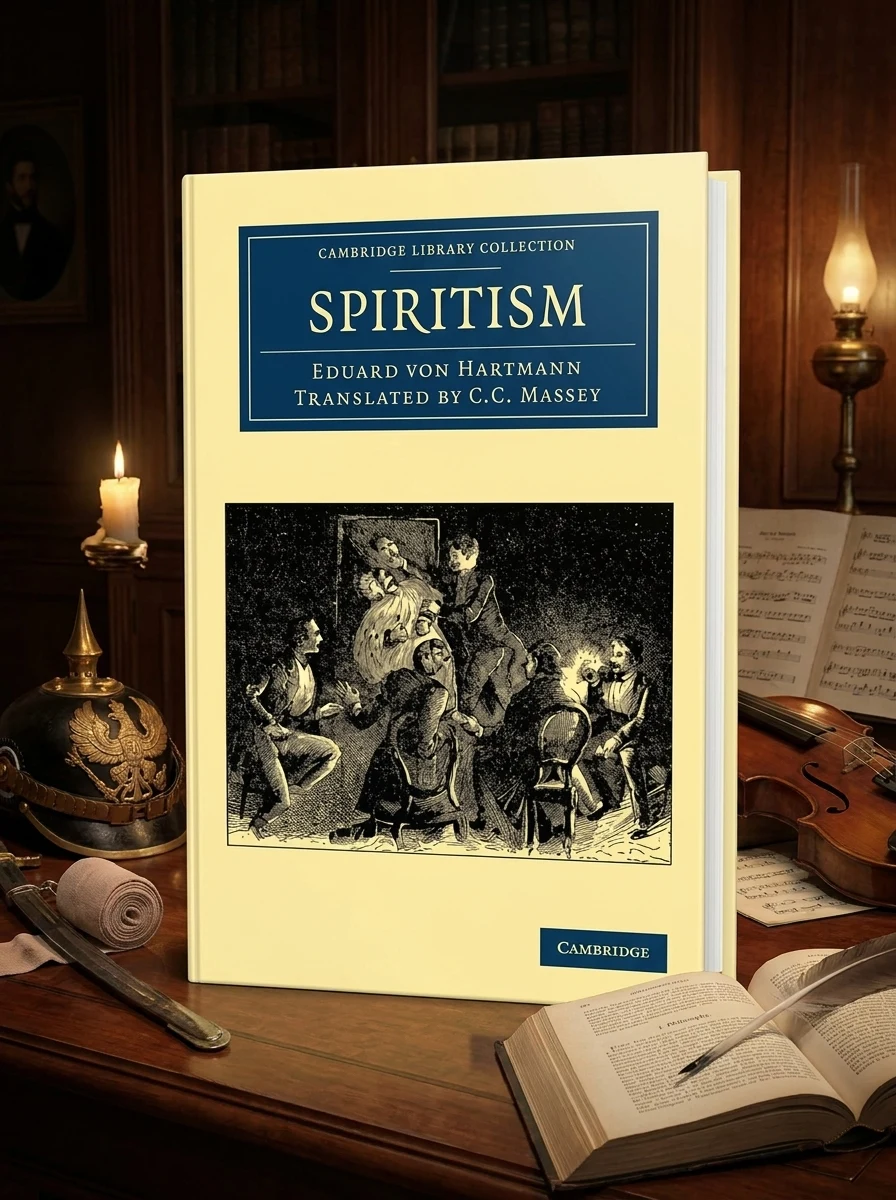
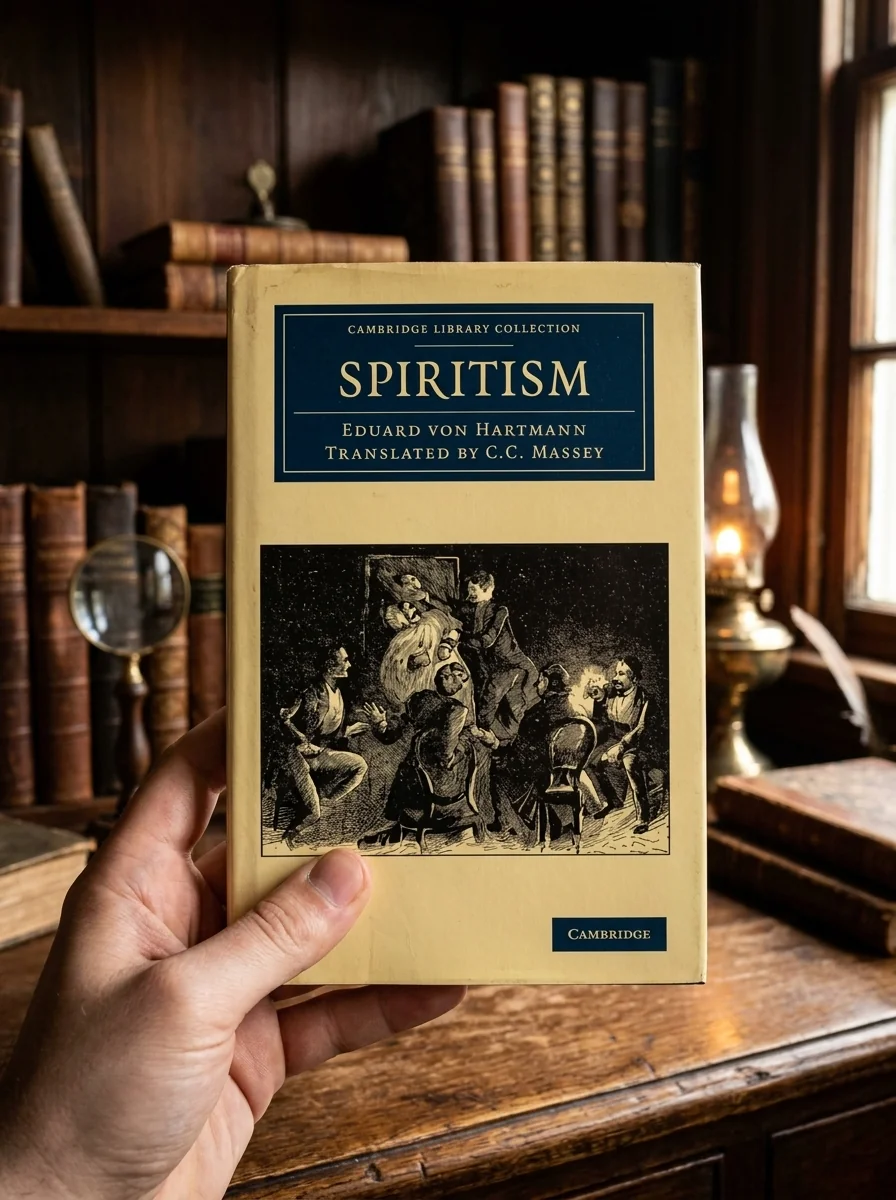
Spiritism
A 19th century philosophical study of spiritualism by Eduard von Hartmann published in 2012.
Hartmann’s work bridges the gap between late 1800s metaphysical theory and emerging spiritualist movements. He draws on his initial training in music and subsequent focus on philosophy to analyze the unconscious mind’s role in spiritual phenomena. The book situates itself within political science history and general spiritualism studies. It avoids practical magic or divination techniques, focusing instead on theoretical frameworks. This approach appeals to those interested in the intellectual history of the occult rather than its practice.
Eduard von Hartmann lived from 1842 to 1906. His work reflects the intellectual climate of late 19th century Europe. The 2012 Cambridge University Press edition makes this historical text available to modern readers interested in the evolution of spiritualist thought and philosophical inquiry during that specific period.


📝 Description: Spiritism
💎 Expert review
📖 Why choose it
Why this book is worth reading
This volume is essential for the intellectually curious occultist who refuses to abandon critical thinking at the threshold of the supernatural. Readers who appreciate the dense, analytical style of 19th-century German philosophy will find this work particularly rewarding. It appeals to those tired of superficial spiritualism, offering instead a profound examination of mind-body connections and metaphysical underpinnings. If you seek a rigorous philosophical framework for understanding spirit phenomena rather than mere anecdotes or emotional reassurance, this book provides the necessary depth. It is for the seeker who demands that their exploration of the unseen be grounded in serious intellectual inquiry and historical philosophical tradition.
⭐ Reader reviews
Reader rating
Hartmann’s 'Spiritism' is a formidable challenge for the casual reader. While it offers a unique synthesis of military discipline-turned-philosophical rigor with metaphysical speculation, its density may alienate those seeking accessible spiritual guidance. It does not suit readers looking for practical rituals, comforting afterlife narratives, or quick answers to existential dread. The text demands patience and a familiarity with philosophical discourse. However, for the scholarly occultist, it provides an invaluable perspective on how serious intellects of the era approached the spirit world. It is a significant historical document for understanding the intellectual history of spiritualism, though its academic tone ensures it remains a niche read rather than a broad appeal.
❓ Frequently asked questions
📖 Who should read this
This book is for the discerning reader who appreciates rigorous philosophical analysis applied to esoteric subjects. If you're seeking intellectual depth in understanding spiritualism rather than practical instruction, and enjoy challenging your perceptions of reality, Hartmann's work will profoundly engage your mind.
🎯 Key themes and symbolism
Consciousness and Reality
The work probes the nature of consciousness and its potential existence beyond the physical body. It explores the intricate relationship between mind, spirit, and the material world, questioning conventional boundaries and inviting readers to re-evaluate their understanding of what constitutes reality and the scope of human experience.
The Unseen World
Hartmann scrutinizes the concept of an unseen dimension or spirit realm, analyzing its implications for human understanding and scientific inquiry. He attempts to bridge the gap between empirical observation and metaphysical speculation, positing a framework for considering phenomena that often defy easy categorization.
📜 Historical context
📚 Glossary
- Spiritism
- Spiritualism
- Idealism
📔 Questions to reflect on
- How might a purely philosophical approach to spiritual phenomena differ from a religious or scientific one, and what unique insights can it offer?
- Consider the concept of consciousness existing independently of the physical body. What are the personal and societal implications if such a notion were philosophically validated?
- Hartmann shifted from a military path to philosophy. How do significant life changes or injuries sometimes redirect individuals towards profound intellectual or spiritual inquiries?
📖 Read on the blog
📖 From the series “Cambridge Library Collection - Spiritualism and Esoteric Kno”
All books in the series →



🏛 Books from this publisher Cambridge University Press
All books from this publisher →
You might also like
See more →



Have a question about this item?
Ask about the edition, condition, delivery or anything else — we reply by email or phone, usually within a day.
