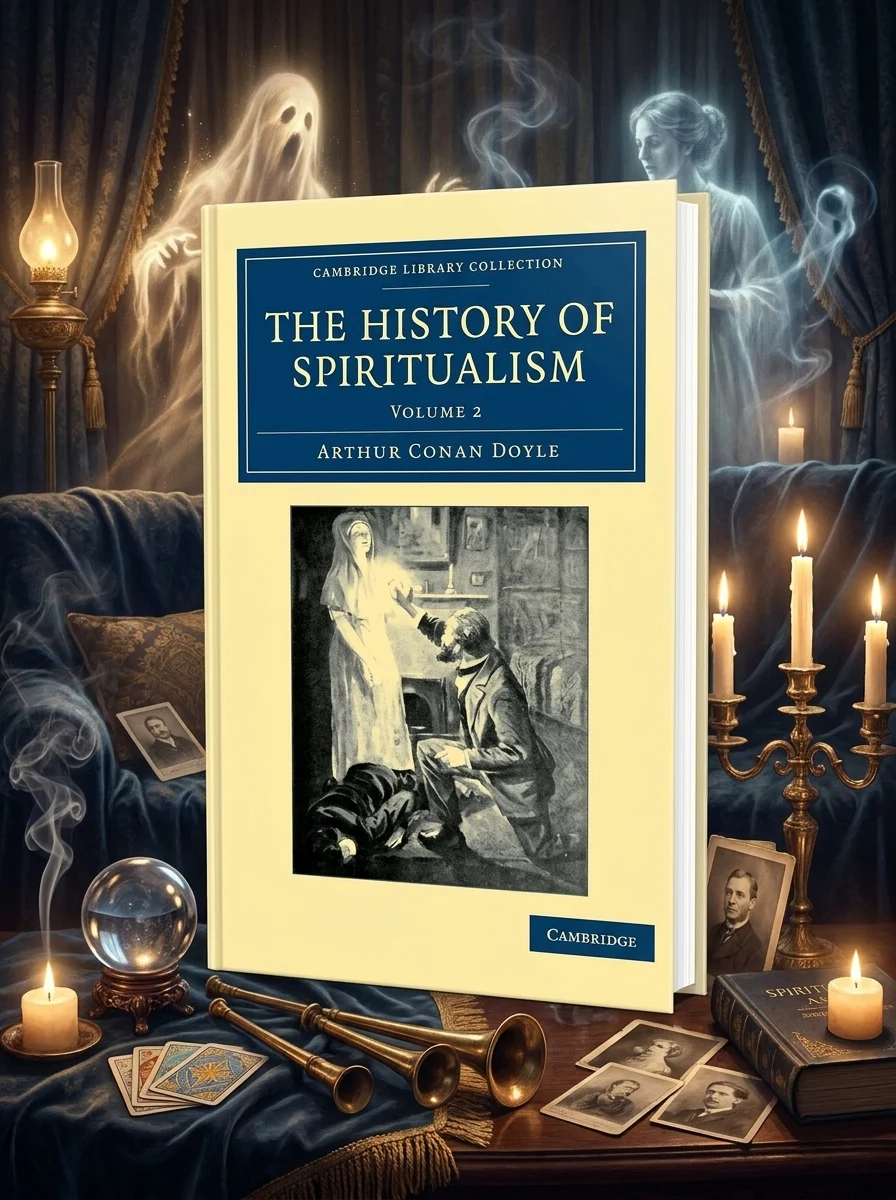
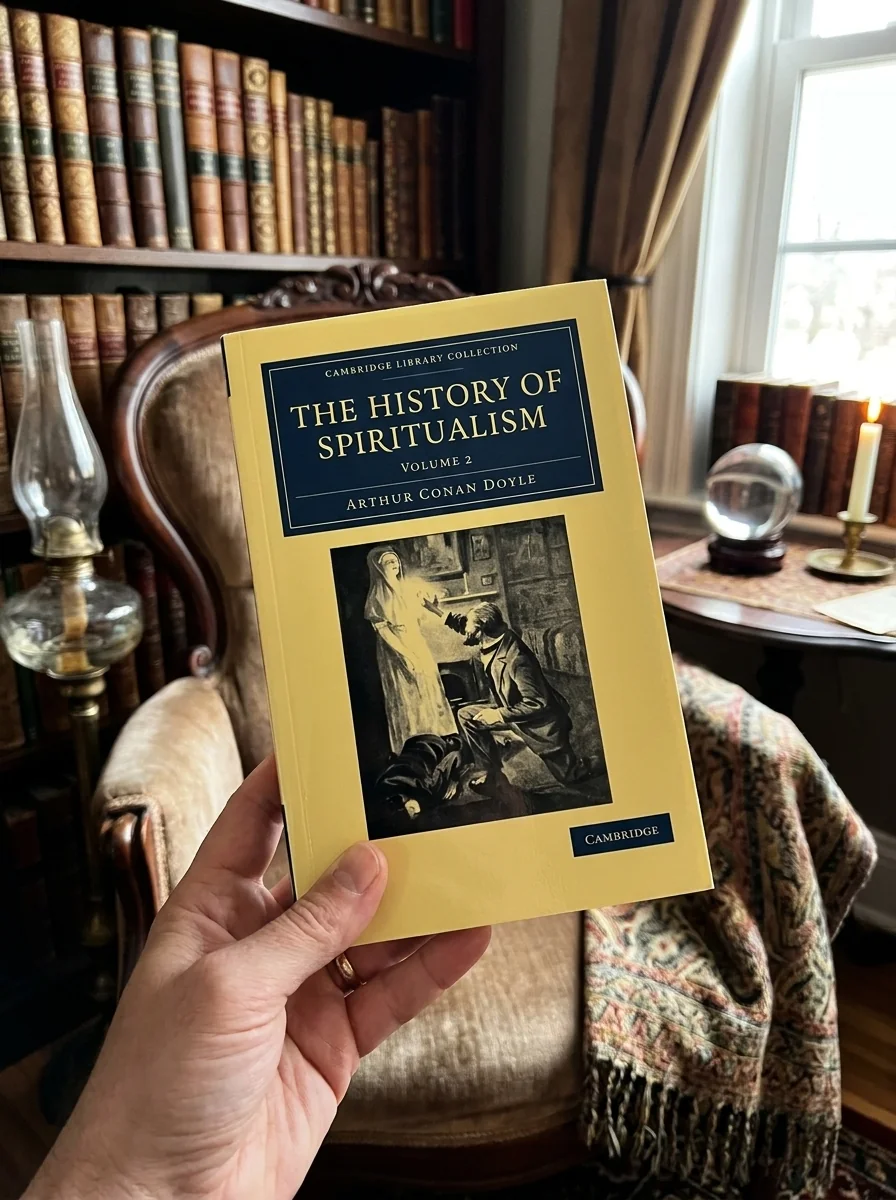
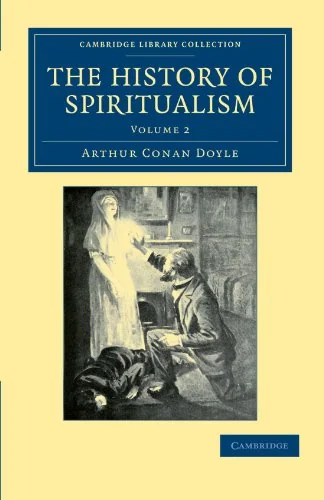
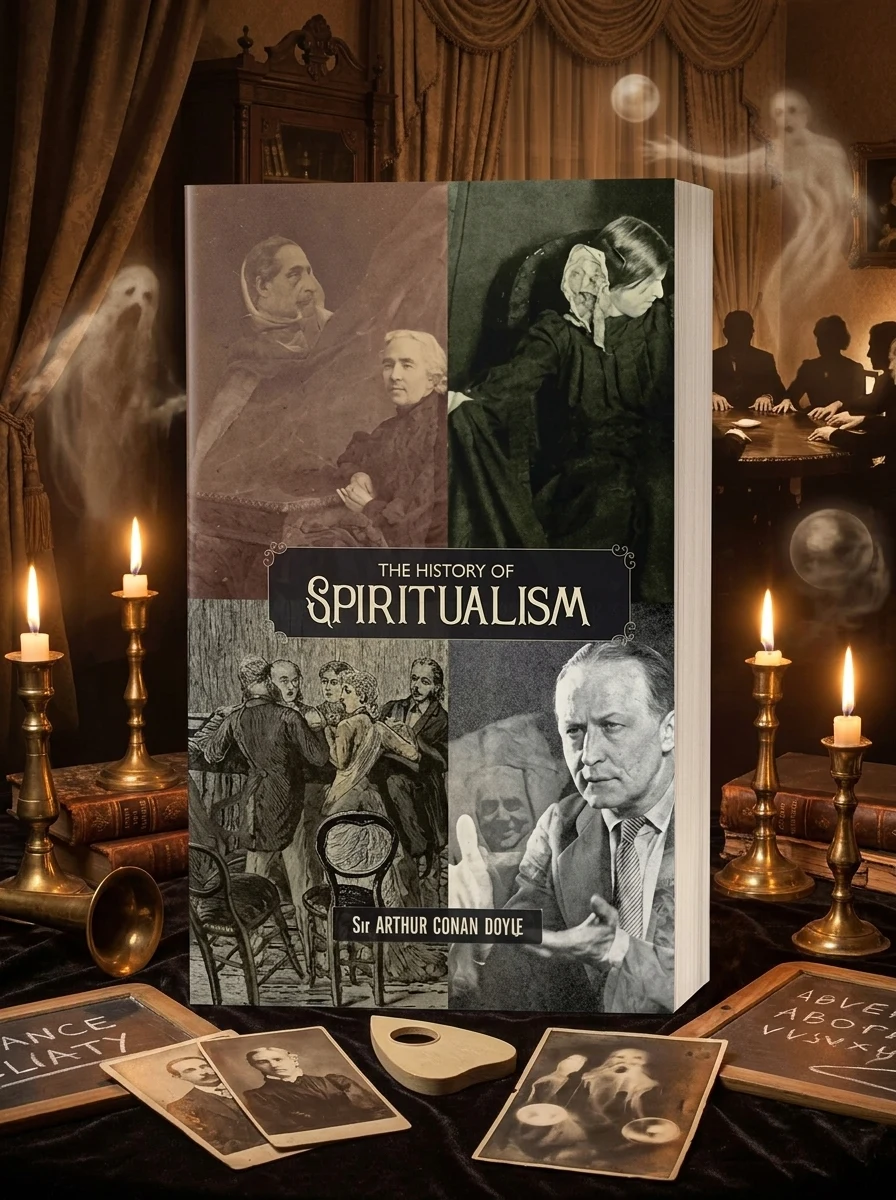
The History of Spiritualism
✍️ Doyle, Arthur ConanArthur Conan Doyle examines spiritualism through a Victorian intellectual lens.
Doyle uses his medical background to analyze spiritualism as a cultural phenomenon rather than a supernatural truth. The text focuses on the Victorian period’s intellectual engagement with the unseen world. It examines how these beliefs influenced social and political structures of the time. The work serves as a historical record of how a prominent literary figure viewed the boundary between science and spirit.
Published by Cambridge University Press in June 2011, this paperback edition revisits Doyle’s late nineteenth-century interests. It situates his work within the broader Victorian fascination with communicating with the dead.


📝 Description: The History of Spiritualism
💎 Expert review
📖 Why choose it
Why this book is worth reading
Readers fascinated by the intersection of logic and the metaphysical will find this book uniquely rewarding. It offers a rare glimpse into how a celebrated literary figure applied his analytical mind to phenomena others dismissed as fiction. Those interested in the cultural history of spirituality, particularly the Victorian era's engagement with the afterlife, will appreciate Doyle's meticulous documentation of testimonies and key figures. It is essential for understanding how serious thinkers of the time navigated the boundary between science and the supernatural, providing a partisan yet comprehensive look at a movement that defined an age.
⭐ Reader reviews
Reader rating
While compelling for its insider perspective, this work is not for skeptics seeking objective detachment or readers who prefer Doyle's fictional detective narratives. The account is explicitly partisan, reflecting Doyle's deep personal conviction rather than neutral journalism. Those expecting rigorous scientific proof may find the reliance on testimony and anecdote frustrating. However, it remains an invaluable primary source for understanding the emotional and intellectual landscape of early Spiritualism. It suits those willing to accept the author's premise to explore a transformative chapter in spiritual history, but will likely alienate those demanding unbiased historiography.
❓ Frequently asked questions
📖 Who should read this
If you're fascinated by the intersection of science, belief, and the unseen, or wish to understand a significant historical spiritual movement through the eyes of one of its most famous proponents, this book is for you. Dive into the earnest Victorian pursuit of the afterlife.
🎯 Key themes and symbolism
The Spiritualist Movement's Genesis
Doyle traces the historical development of Spiritualism from its earliest manifestations in the mid-19th century, detailing the pivotal events and individuals that propelled it into the public consciousness. He examines the social and cultural conditions that allowed this belief system to flourish, offering insights into its rapid spread across continents and its impact on contemporary thought.
Victorian Intellectual Curiosity
This book highlights how prominent Victorian minds, including Doyle himself, grappled with the implications of an afterlife and potential spirit communication. It explores the tension between scientific rationalism and the emerging evidence for psychic phenomena, showcasing how intellectuals of the era approached these challenging concepts with both skepticism and open-minded inquiry, seeking empirical validation for spiritual claims.
Bridging Worlds: Spirit Communication
At its core, the work explores the human desire and perceived ability to connect with the deceased. Doyle delves into the practices of mediumship, séances, and various purported manifestations of spirit presence. He presents numerous accounts and arguments supporting the possibility of such communication, emphasizing the comfort and philosophical shifts it offered to those who embraced its tenets.
📜 Historical context
📚 Glossary
- Spiritualism
- Mediumship
- Séance
📔 Questions to reflect on
- How does Doyle's background as a doctor and a creator of a highly logical character influence his approach to chronicling Spiritualism?
- Consider the societal impact of Spiritualism in the Victorian era. What parallels, if any, can you draw to contemporary spiritual or fringe movements?
- Doyle was deeply convinced of Spiritualism's truth. How might a personal conviction, even if seen as controversial, shape a historical account?
📖 Read on the blog
📖 From the series “The History of Spiritualism 2 Volume Set”
All books in the series →


✍️ More books by this author Doyle, Arthur Conan
All books by this author →

🏛 Books from this publisher Cambridge University Press
All books from this publisher →
You might also like
See more →

Have a question about this item?
Ask about the edition, condition, delivery or anything else — we reply by email or phone, usually within a day.
