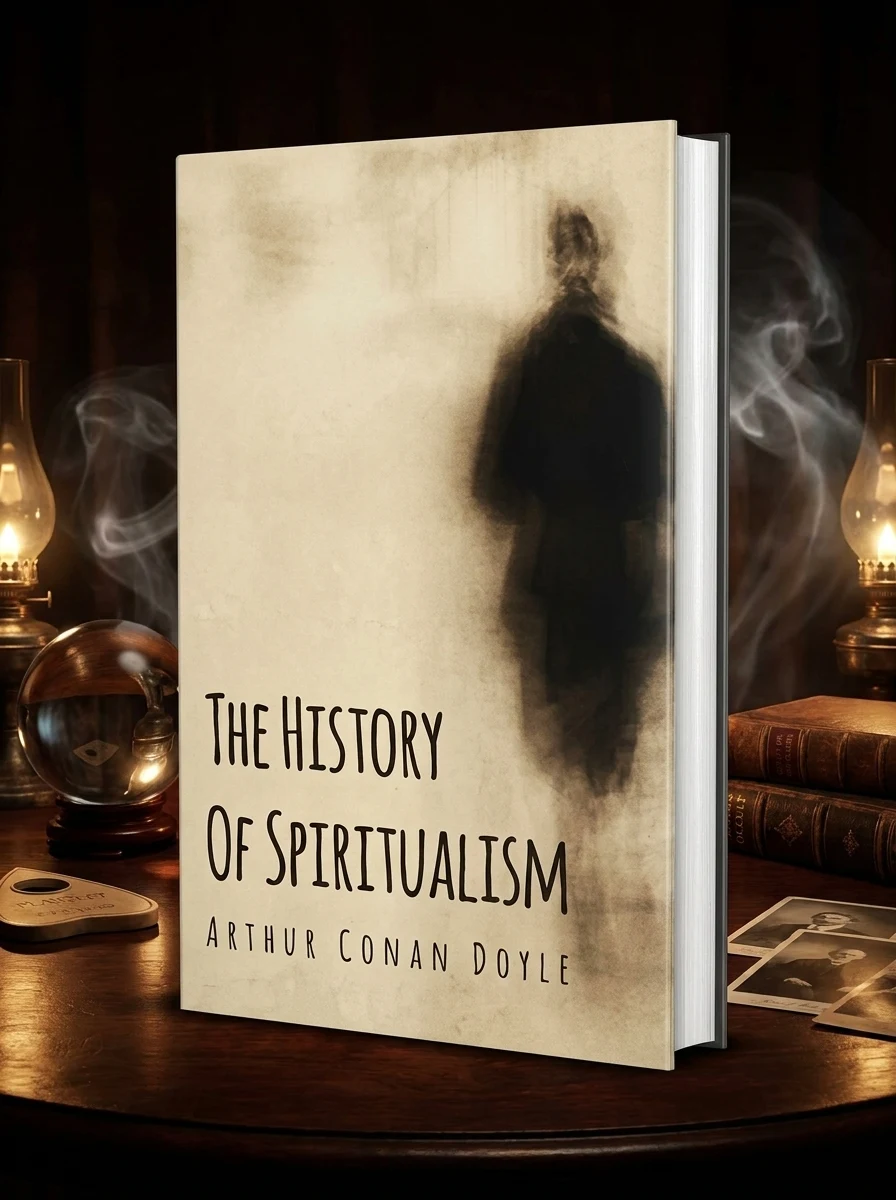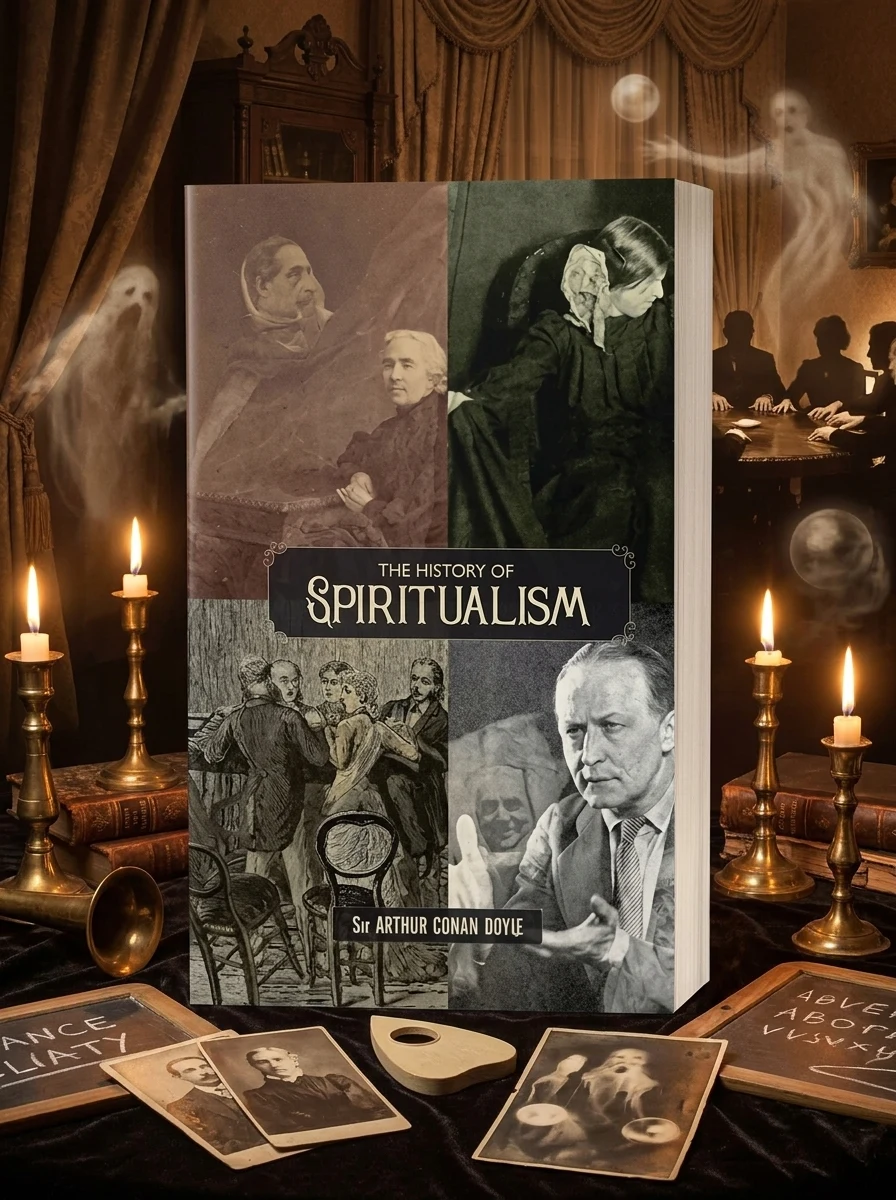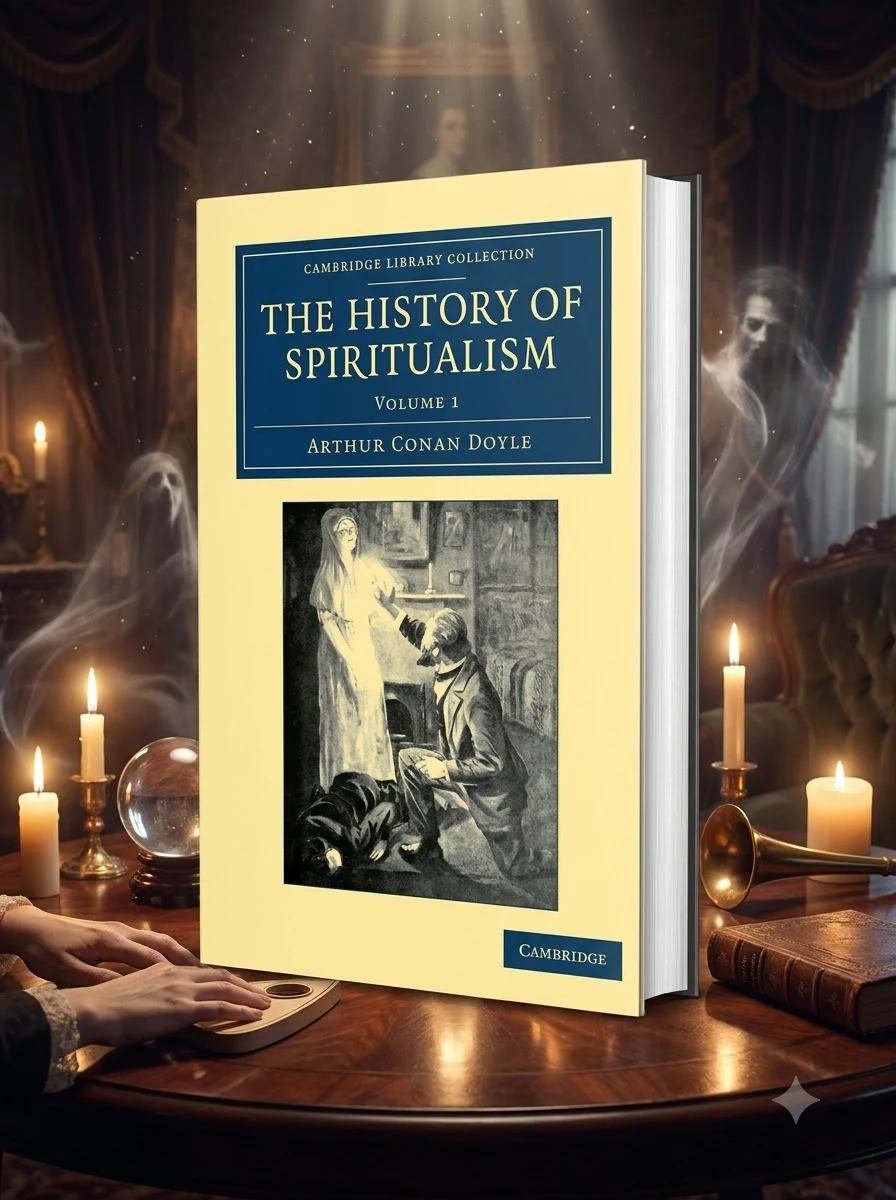
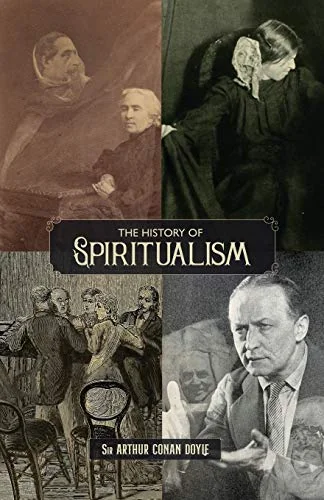
The History of Spiritualism Doyle, Arthur Conan
Doyle, Arthur ConanStock reported in the catalog; fulfillment is confirmed with your request.
Uncover Arthur Conan Doyle's passionate defense of Spiritualism, a journey beyond Holmes into the spectral unknown.
This compelling work delves into the origins and development of Spiritualism through the discerning eyes of Sir Arthur Conan Doyle, famed creator of Sherlock Holmes. Moving beyond his fictional detective, Doyle, a trained physician and keen intellectual, meticulously chronicles the movement from its nascent stages to its widespread Victorian appeal. He explores the diverse phenomena, from purported communications with the departed to spiritual healing practices, offering a comprehensive narrative that reflects his profound personal conviction and scholarly investigation into the unseen realms. It's a foundational text for understanding the era's spiritual quest.
This text anchors itself firmly within the Victorian era's widespread spiritual quest and the intellectual fascination with the unseen realms that characterized late 19th-century England. It serves as a pivotal bridge between scientific inquiry and esoteric belief during a period when Spiritualism moved from nascent stages to mainstream appeal.


📝 Description: The History of Spiritualism Doyle, Arthur Conan
💎 Expert review
📖 Why choose it
Why this book is worth reading
Readers fascinated by the intersection of science and spirituality will find this work profoundly rewarding. It offers a unique glimpse into Sir Arthur Conan Doyle’s mind, moving beyond his famous fictional detective to explore his genuine scholarly investigation into the spectral unknown. Those interested in the historical development of Spiritualism or the personal convictions of prominent intellectuals will appreciate the comprehensive narrative provided. It is essential for understanding how a trained physician navigated the divide between rationality and the paranormal, making it a valuable resource for anyone seeking to comprehend the era's complex spiritual landscape.
⭐ Reader reviews
Reader rating
This book is an intriguing historical document that showcases Doyle’s passionate defense of Spiritualism through his discerning eyes. However, it may not suit readers seeking pure fiction or those skeptical of esoteric claims, as it presents a definitive argument rather than an open-ended exploration. It is best approached by those interested in the cultural history of the Victorian era and Doyle’s personal intellectual journey. Readers expecting detailed forensic proof of phenomena might find the narrative more reflective of personal conviction than objective evidence, yet it remains a compelling record of the movement's widespread appeal.
❓ Frequently asked questions
📖 Who should read this
If you're drawn to the intellectual currents of the Victorian era, curious about the history of Spiritualism, or wish to understand the spiritual journey of a mind as sharp as Sir Arthur Conan Doyle's, this foundational text offers invaluable insights into a fascinating esoteric tradition.
🎯 Key themes and symbolism
Spiritualism's Enduring Evolution
Doyle meticulously traces the growth of the spiritualist movement, detailing its foundational figures, key events, and the societal shifts that allowed it to flourish. He presents a narrative that positions Spiritualism not as a fleeting fad, but as a significant, evolving philosophical and religious current, demonstrating its historical resilience and impact.
Victorian Intellectual Inquiry
This volume showcases how prominent Victorian thinkers, including Doyle himself, grappled with the implications of Spiritualism. It highlights the intellectual curiosity and scientific approach many brought to investigating phenomena that challenged conventional understanding of mind, body, and spirit, pushing boundaries of accepted knowledge in a rapidly changing world.
Communication Beyond the Veil
At the heart of Doyle's exploration is the profound human desire to connect with those who have passed. The book examines various methods of mediumship and purported spirit communication, offering historical accounts and personal reflections on the possibility of bridging the divide between the living and the dead, a central tenet of the movement.
💬 Quotes from the book
“The evidence, when examined without prejudice, points irrevocably to a reality beyond our present comprehension, where the veil between worlds is thin and permeable.”
“It is not a question of belief, but of observed fact, patiently accumulated through countless sittings and rigorous inquiry, testifying to life's persistence.”
📜 Historical context
📚 Glossary
- Spiritualism
- Mediumship
- Victorian Era
📔 Questions to reflect on
- How might a rational, scientifically-trained mind like Doyle's come to embrace such profound spiritual beliefs, and what does this suggest about the limits of material science?
- Consider the societal implications of widespread belief in spirit communication during the Victorian era. How might it have shaped views on death, grief, and morality?
- If you were to investigate a modern 'unexplained' phenomenon, what methods would you employ to maintain both skepticism and open-mindedness, as Doyle attempted?
📖 From the series “The History of Spiritualism 2 Volume Set”
All books in the series →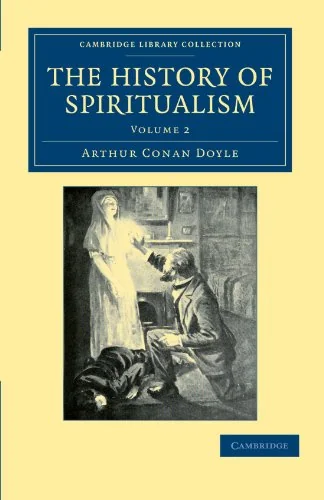
✍️ More books by this author Doyle, Arthur Conan
All books by this author →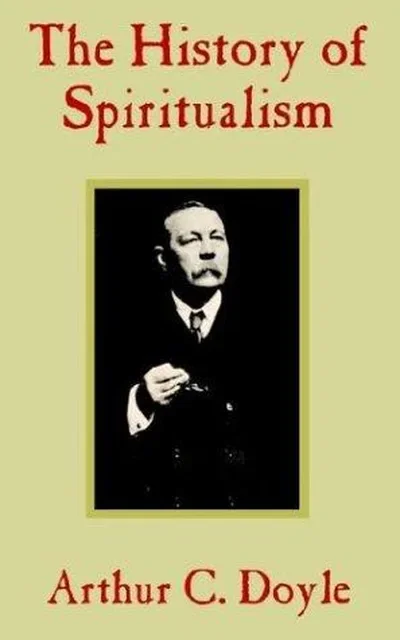
 75
75
 86
86
 81
81
🏛 Books from this publisher Cambridge University Press
All books from this publisher →
 75
75

You might also like
See more →
 88
88