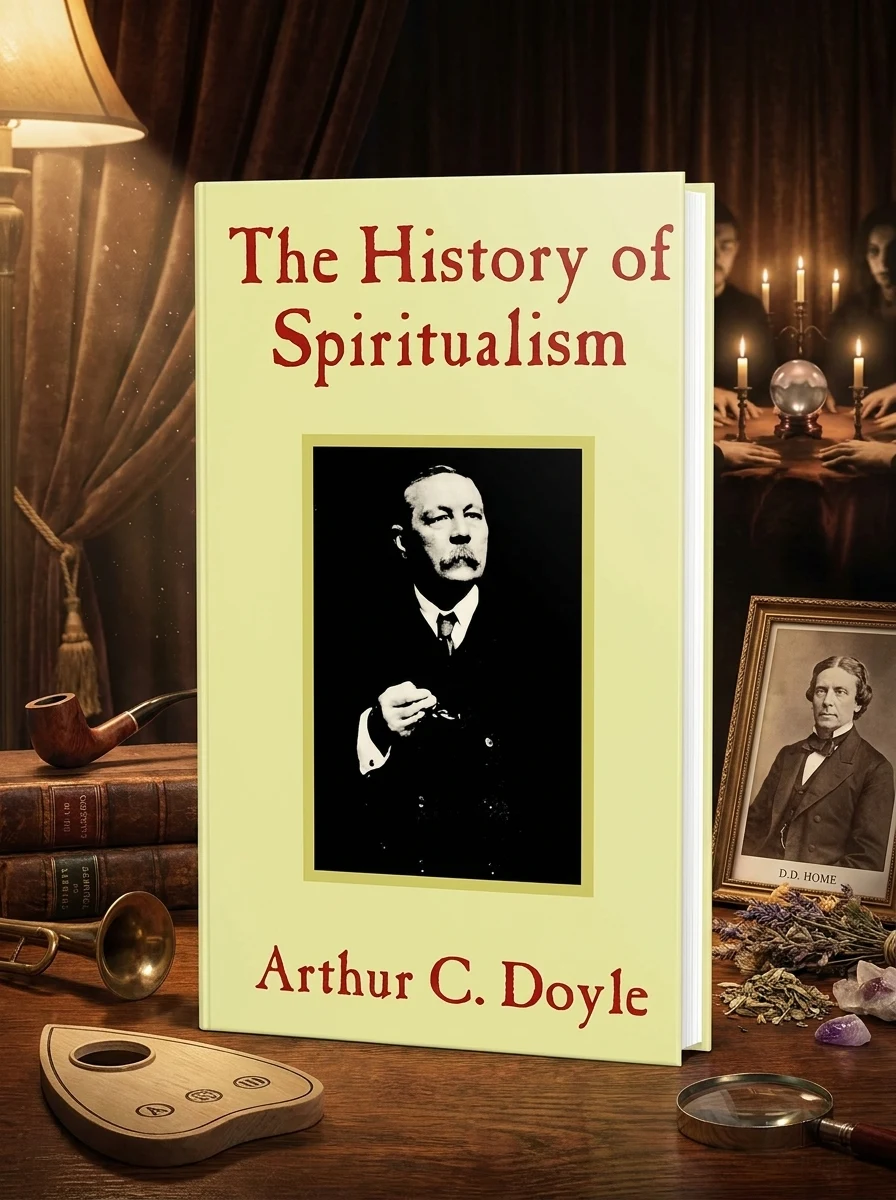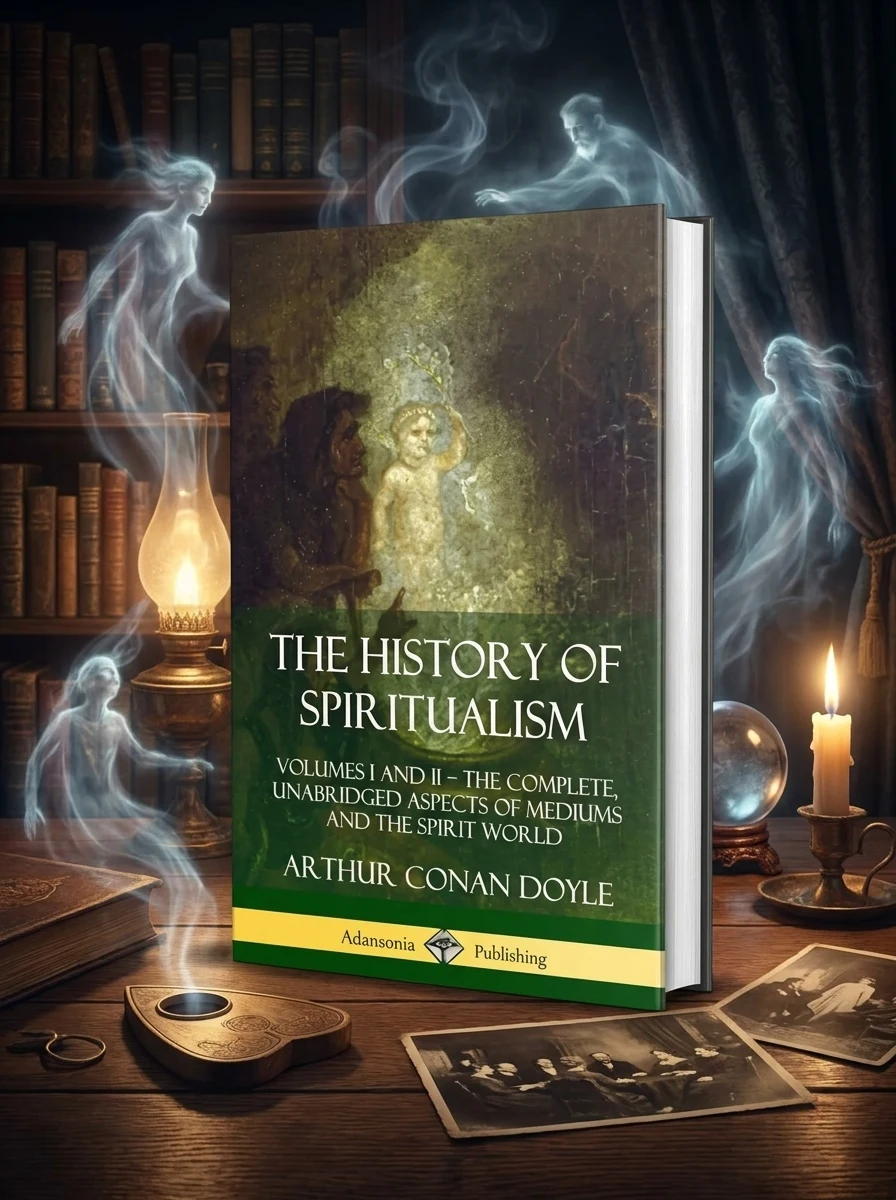
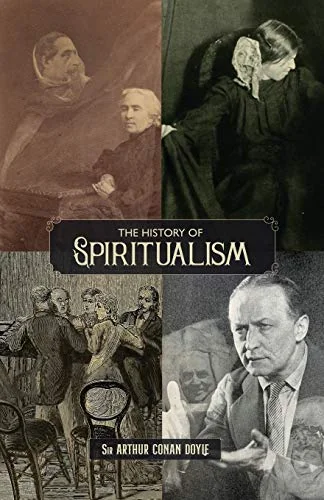
The History of Spiritualism (Vols. 1 and 2)
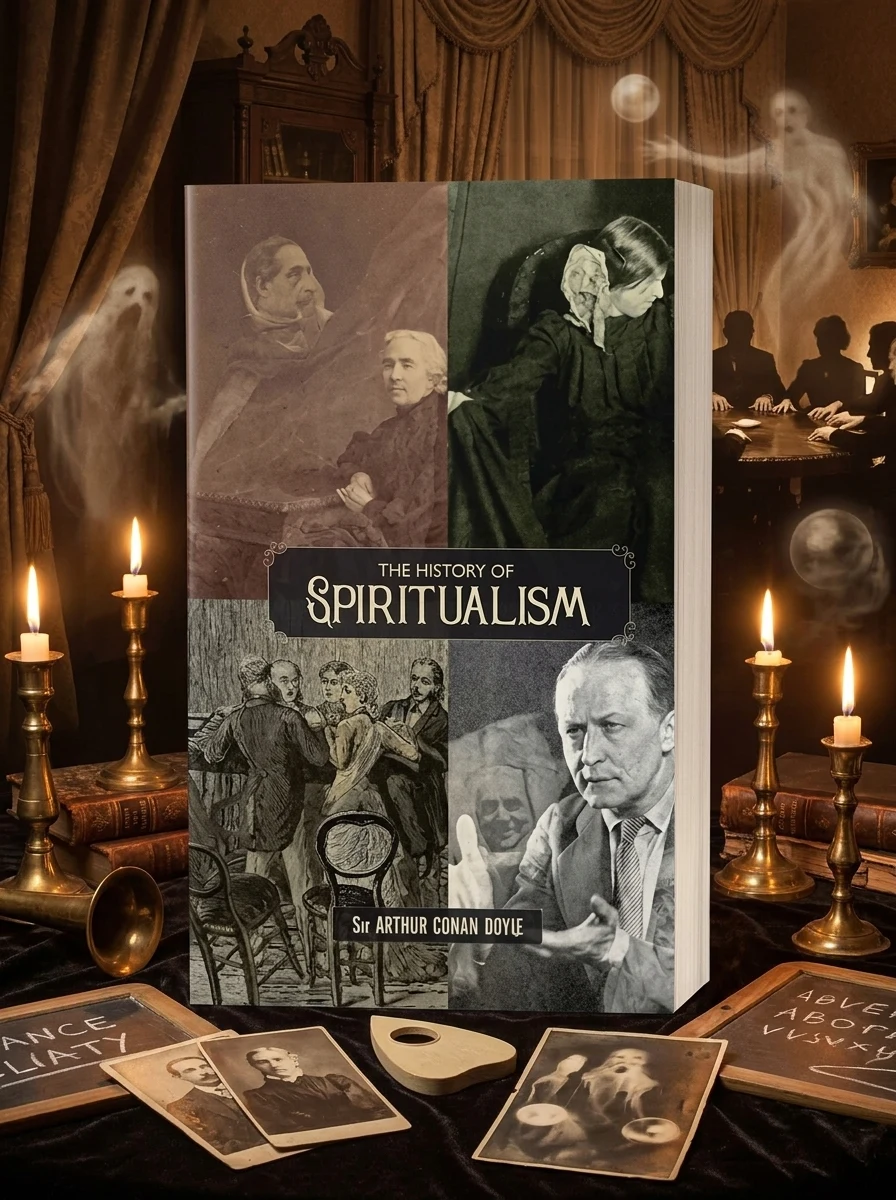
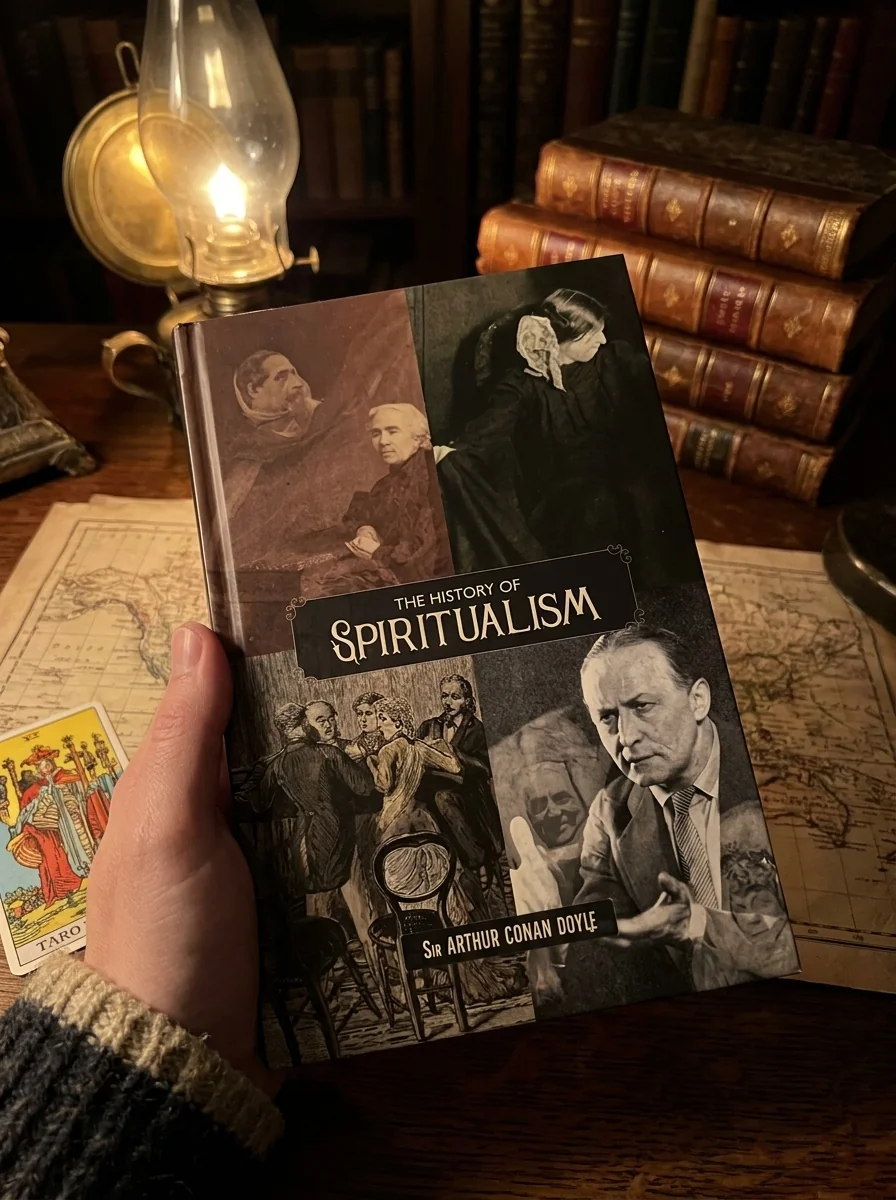
✍️ Doyle, Arthur ConanSir Arthur Conan Doyle, the famed creator of Sherlock Holmes, presents his monumental two-volume exploration of Spiritualism, a movement he passionately championed. Published in 1926, this comprehensive work chronicles the spiritualist phenomenon from its documented beginnings with the Fox Sisters in 1848, tracing its roots much further back into history. Doyle, a vocal advocate, meticulously compiles evidence and personal accounts from prominent mediums, aiming to demonstrate the continuity of consciousness beyond physical death. This unabridged edition offers an unvarnished look at a pivotal era of spiritual inquiry, revealing the convictions of millions who believed in communication with the departed.


Praise for this book
“The History of Spiritualism, by Sir Arthur Conan Doyle, is a first-class, workmanly job. Sir Conan has the courage of his convictions. He believes in spiritualism, and he is not ashamed, as many others, to say so.”
📝 Description: The History of Spiritualism (Vols. 1 and 2)
💎 Expert review
📖 Why choose it
Why this book is worth reading
Readers fascinated by the intersection of literary fame and spiritual advocacy will find this monumental work deeply rewarding. Conan Doyle, best known for his detective fiction, offers a passionate defense of Spiritualism, tracing its lineage from the Fox Sisters to contemporary practitioners. This unabridged edition is ideal for those interested in the history of consciousness studies, the sociology of belief, or the personal convictions of major cultural icons. It provides an unvarnished look at a pivotal era where millions sought comfort and proof of life after death, offering a unique window into the intellectual currents that shaped modern esoteric thought.
⭐ Reader reviews
Reader rating
This text serves as a comprehensive historical record rather than a casual introduction to the subject. While Doyle’s meticulous compilation of evidence and personal accounts offers valuable insight for scholars and devout spiritualists, it may not suit readers seeking concise summaries or those skeptical of the movement's foundational claims. The sheer volume and dense chronological tracing from 1848 onward require significant patience. It is best appreciated by those already familiar with the broader context of Victorian and Edwardian spiritual inquiry, as casual observers might find the relentless advocacy and historical detail overwhelming rather than enlightening.
❓ Frequently asked questions
📖 Who should read this
If you're drawn to the enigmatic history of spiritual communication, curious about the enduring quest for evidence of an afterlife, or wish to understand Sir Arthur Conan Doyle's profound spiritual journey, this detailed account offers an unparalleled perspective.
🎯 Key themes and symbolism
The Continuity of Life
Doyle's central argument revolves around the idea that consciousness persists beyond physical demise. He presents numerous testimonies and observations, aiming to prove that death is not an end but a transition to another dimension, challenging conventional views on mortality and offering comfort through the promise of eternal connection.
Spiritualism's Genesis & Growth
This work meticulously charts the evolution of the Spiritualist movement, from its foundational manifestations through figures like the Fox Sisters to its widespread adoption. Doyle explores the cultural and historical currents that allowed this belief system to flourish, detailing its key milestones and influential proponents across the globe.
Doyle's Personal Conviction
More than just a historian, Doyle emerges as a fervent evangelist for Spiritualism. The book serves as a powerful testament to his unwavering personal belief, showcasing his extensive efforts to legitimize and popularize the practice, presenting it not merely as a curiosity but as a profound spiritual truth he felt compelled to share.
📜 Historical context
📚 Glossary
- Spiritualism
- Medium
- Fox Sisters
📔 Questions to reflect on
- How might your understanding of consciousness and mortality shift if you genuinely believed in direct communication with the departed?
- What societal or personal needs do you think Spiritualism addressed during its peak popularity, and are those needs still present today?
- Considering Doyle's dual legacy as a rationalist detective writer and a spiritualist advocate, how do you reconcile these seemingly disparate aspects of his intellectual life?