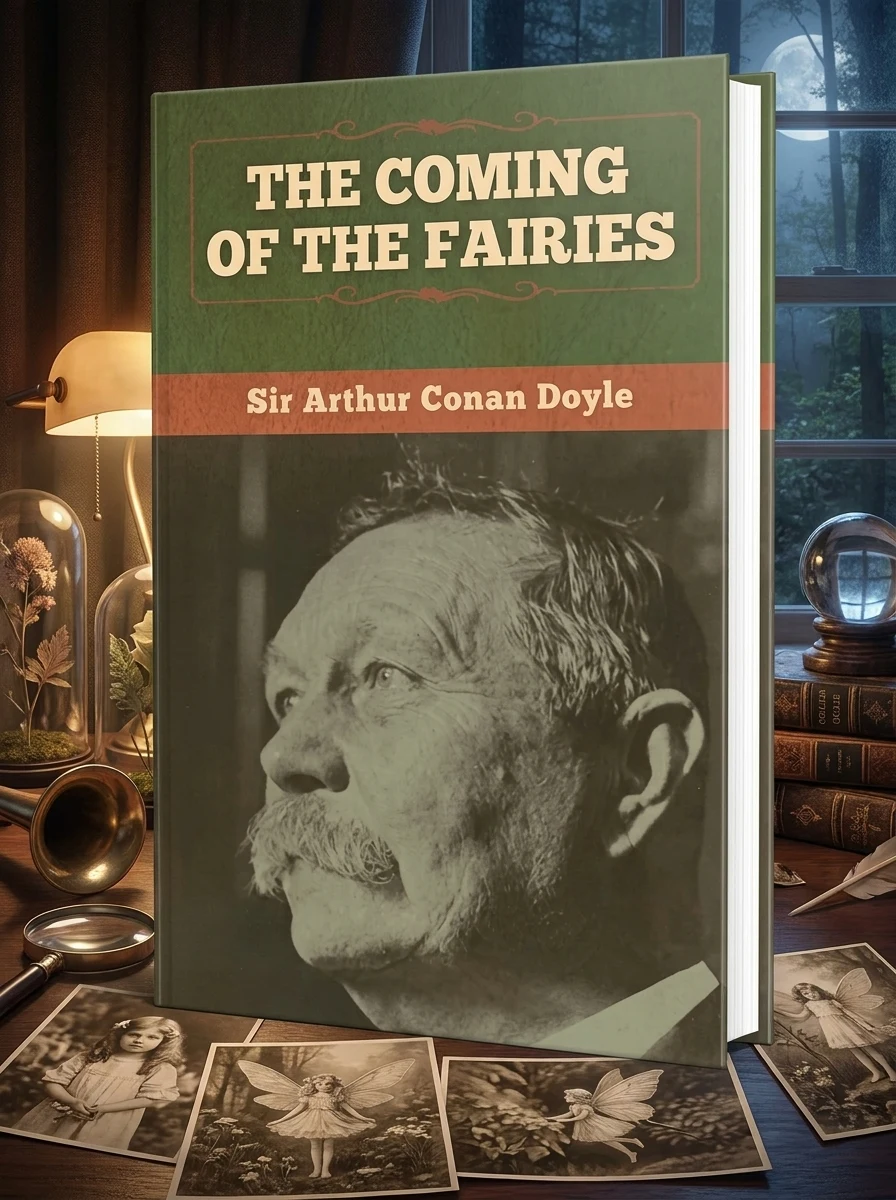
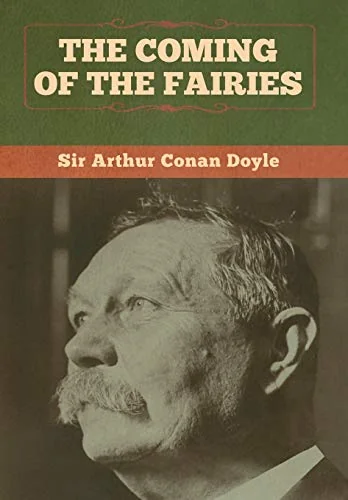
The Coming of the Fairies
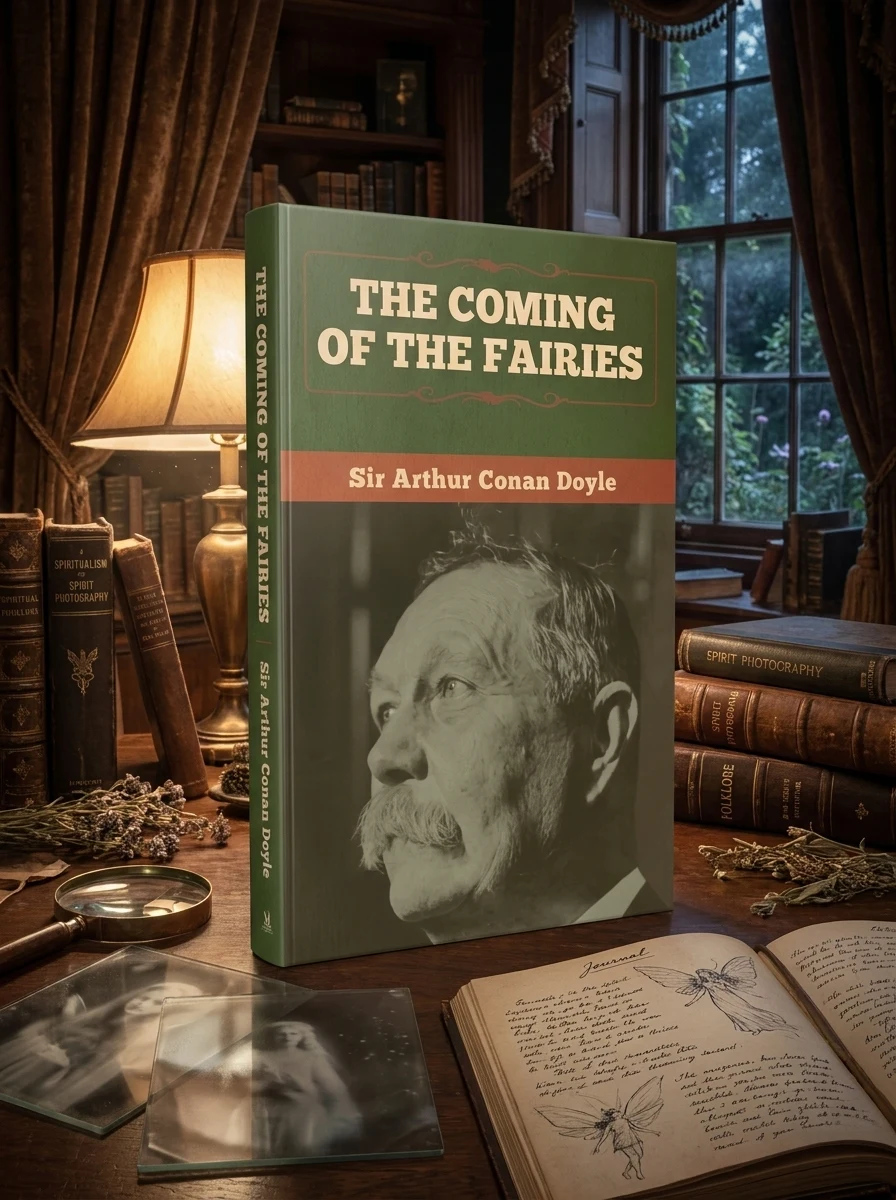
✍️ Doyle, Arthur ConanBest known for crafting the meticulously logical Sherlock Holmes, Sir Arthur Conan Doyle embarked on a fascinating detour into the metaphysical. This peculiar 1921 work reveals his profound conviction in the existence of fairies, presenting photographs and anecdotal accounts as irrefutable proof. Doyle, a dedicated spiritualist, viewed these phenomena not as mere folklore, but as tangible evidence of a broader, spiritual reality. It offers a unique window into a brilliant mind grappling with beliefs seemingly at odds with his famed rationalism, sparking widespread debate upon its release.


📝 Description: The Coming of the Fairies
💎 Expert review
📖 Why choose it
Why this book is worth reading
Readers fascinated by the duality of Arthur Conan Doyle’s intellect will find this text deeply compelling. It offers a unique window into how a mind renowned for rigorous logic grappled with phenomena it deemed undeniable. Those interested in the history of spiritualism, the Cottingley Fairies controversy, or the psychological intersection of rationality and faith will gain valuable insight. This book is not merely about fairies; it is a study in conviction, presenting anecdotal evidence and photographs as proof of a broader spiritual reality. It appeals to anyone curious about how celebrated figures navigate beliefs that seem contrary to their public personas, providing a candid look at the era's metaphysical debates.
⭐ Reader reviews
Reader rating
While Doyle’s conviction is earnest, this book may frustrate readers seeking empirical scientific validation or those who prefer his fictional detective work. It is not for skeptics demanding hard data over anecdotal accounts, nor for fans of Sherlock Holmes expecting deductive reasoning applied to supernatural claims. However, it serves as a fascinating historical document for those studying the spiritualist movement. The text reveals a brilliant mind grappling with beliefs that challenged its own rational foundations. Readers should approach it as a cultural artifact rather than a scientific treatise. It is essential for understanding the period’s metaphysical climate but may feel unconvincing to modern audiences prioritizing material evidence over spiritual interpretation.
❓ Frequently asked questions
📖 Who should read this
If you're intrigued by the intersection of renowned intellects and the esoteric, or curious about the enduring allure of folklore and spiritualism, this book is for you. Dive into Doyle's passionate defense of the unseen, and ponder the nature of belief itself.
🎯 Key themes and symbolism
Belief Beyond Reason
Doyle, a man of profound intellect, champions the existence of otherworldly beings with a fervent conviction. This book explores the personal journey of belief, how evidence is interpreted through a spiritual lens, and the courage required to publicly advocate for controversial supernatural claims, even when confronting widespread skepticism from his peers and the public.
The Occult Revival
Published during a period of intense interest in spiritualism and the unseen, this work is a product of its time. It reflects the post-WWI yearning for spiritual reassurance and the pervasive fascination with psychic phenomena and the supernatural, showcasing how even prominent figures sought validation for their spiritual experiences through what they considered scientific inquiry.
Visual 'Evidence'
Central to Doyle's argument are the now-famous photographs of the Cottingley fairies. The book delves into how these images were presented and perceived as authentic proof of elemental spirits. It raises questions about photographic authenticity, the power of visual media to shape belief, and the human desire for tangible confirmation of the magical.
📜 Historical context
📚 Glossary
- Spiritualism
- Occult
- Cottingley Fairies
📔 Questions to reflect on
- Consider your own beliefs: What "evidence" would it take for you to accept something currently considered impossible or fantastical?
- How might a belief system, like Doyle's spiritualism, influence one's interpretation of seemingly objective facts or images?
- Reflect on the tension between logic and intuition. In what areas of your life do you prioritize one over the other, and why?