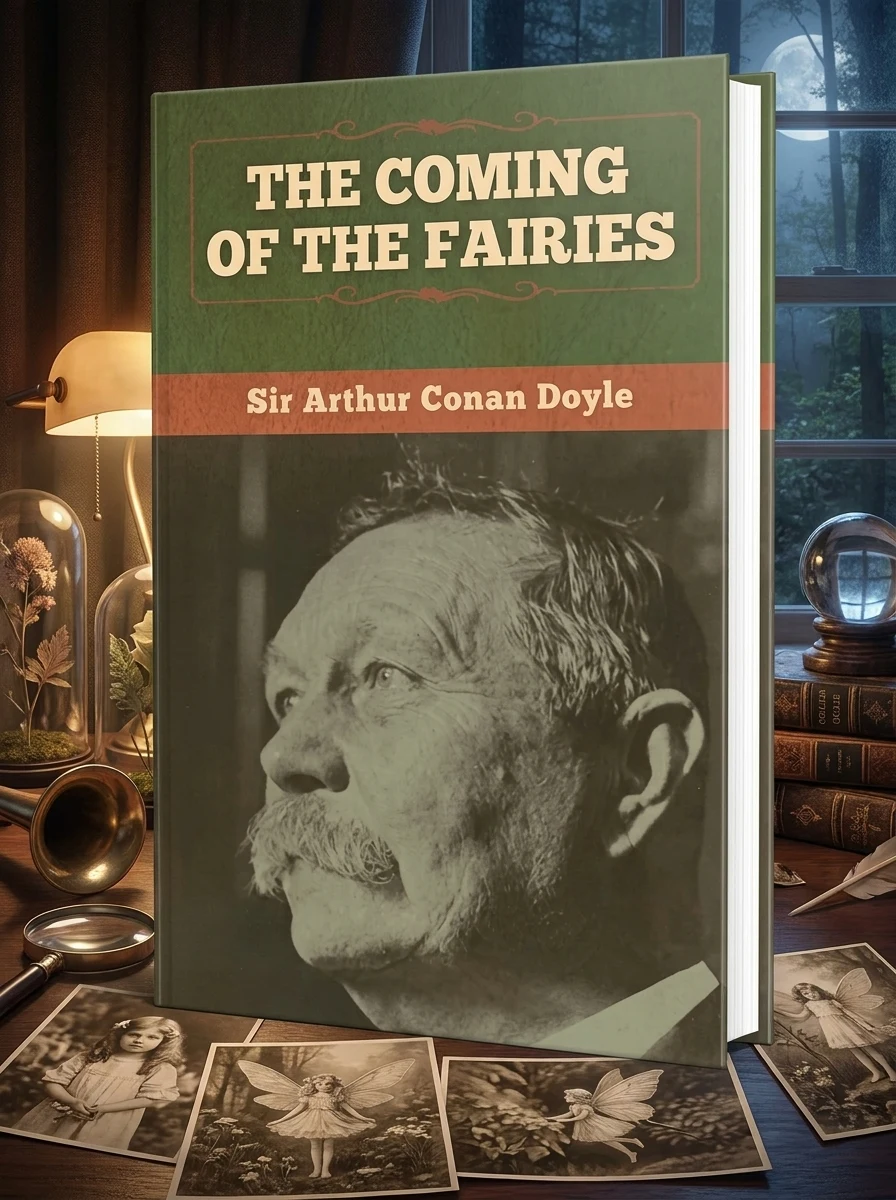
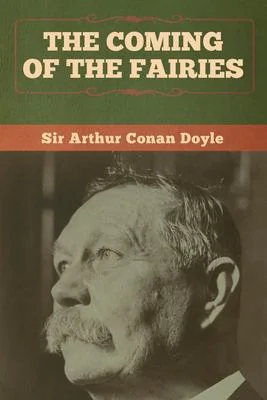
The Coming of the Fairies
✍️ Doyle, Arthur ConanA 1921 nonfiction study of spiritualism and fairy photography by Sherlock Holmes creator Arthur Conan Doyle.
Sir Arthur Conan Doyle shifted his focus from logical crime fiction to occult research in his later years. This 1921 volume presents his real-world investigation into fairy sightings, incorporating photographic evidence, personal letters, and witness accounts. Doyle uses his literary status to argue for the reality of spiritual phenomena, creating an unusual historical document from the early twentieth-century spiritualist movement.
Published in 1921, this book reflects the interest in spiritualism and the occult during Arthur Conan Doyle's later years, representing a shift away from the strict logic of his Sherlock Holmes stories.


📝 Description: The Coming of the Fairies
💎 Expert review
📖 Why choose it
Why this book is worth reading
Readers fascinated by the intersection of logic and mysticism will find this text uniquely compelling. Arthur Conan Doyle, known for his rigid deductive methods, applies them here to defend the Cottingley Fairies, offering a rare glimpse into his earnest personal conviction. This book appeals to those who enjoy examining how brilliant minds grapple with the unexplainable. It is ideal for skeptics willing to entertain genuine belief and historians interested in the cultural shift toward spiritualism. By challenging conventional skepticism through the lens of a rational architect, Doyle invites you to reconsider reality's boundaries, making it a thought-provoking addition for anyone intrigued by the ethereal world just beyond our sight.
⭐ Reader reviews
Reader rating
This volume presents a fascinating paradox: Sherlock Holmes’s creator defending fairy existence with serious academic rigor. While intellectually intriguing for its historical context and Doyle’s unwavering conviction, it may frustrate readers seeking hard empirical evidence or those deeply entrenched in materialist scientific views. It does not suit audiences expecting fictional adventures or purely factual photography analysis. However, for those interested in the psychology of belief and the specific cultural moment of 1921 spiritualism, it offers a candid, earnest exploration of how rational thought can be repurposed to support the supernatural. It is a curious, sincere document rather than a definitive proof.
❓ Frequently asked questions
📖 Who should read this
If you're intrigued by the intersection of renowned intellect and the unexplained, or curious about the spiritualist movement of the early 20th century, this book is for you. Prepare to challenge your assumptions about reality and the limits of perception.
🎯 Key themes and symbolism
Embracing the Supernatural
Doyle, known for his rational detective, here passionately champions the existence of unseen realms. He leverages the Cottingley photographs as primary evidence, arguing against scientific dismissal and for an open-minded acceptance of spiritualist phenomena, positioning belief as a valid pathway to understanding the world beyond the material.
Photographic Proof of Fairies
The core of Doyle's argument rests on the Cottingley Fairies photographs. He scrutinizes these images, alongside eyewitness accounts, as concrete, undeniable evidence of their subjects’ reality. This exploration delves into the nature of proof when confronting phenomena that defy traditional scientific explanation, asserting visual testimony as paramount.
A Rationalist's Metamorphosis
This book offers a fascinating glimpse into the celebrated author's later life. Conan Doyle, the inventor of analytical deduction, undertakes a profound intellectual shift, moving from strict empiricism to an ardent defense of spiritualism. It highlights a personal journey grappling with existence beyond conventional science, revealing his evolving worldview.
📜 Historical context
📚 Glossary
- Spiritualism
- Cottingley Fairies
- Occult
📔 Questions to reflect on
- How does an individual's background (like Doyle's as a rationalist) influence their approach to extraordinary claims?
- What constitutes "proof" when examining phenomena that defy conventional scientific explanation?
- If creatures like fairies exist, what implications would that have for our understanding of the natural world and human perception?