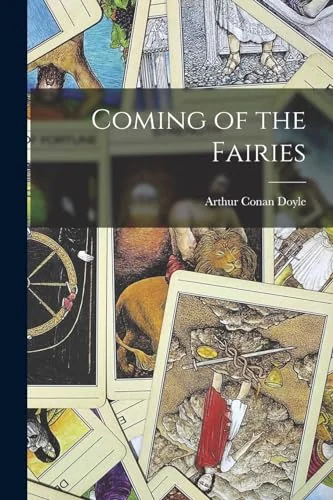
Coming of the Fairies
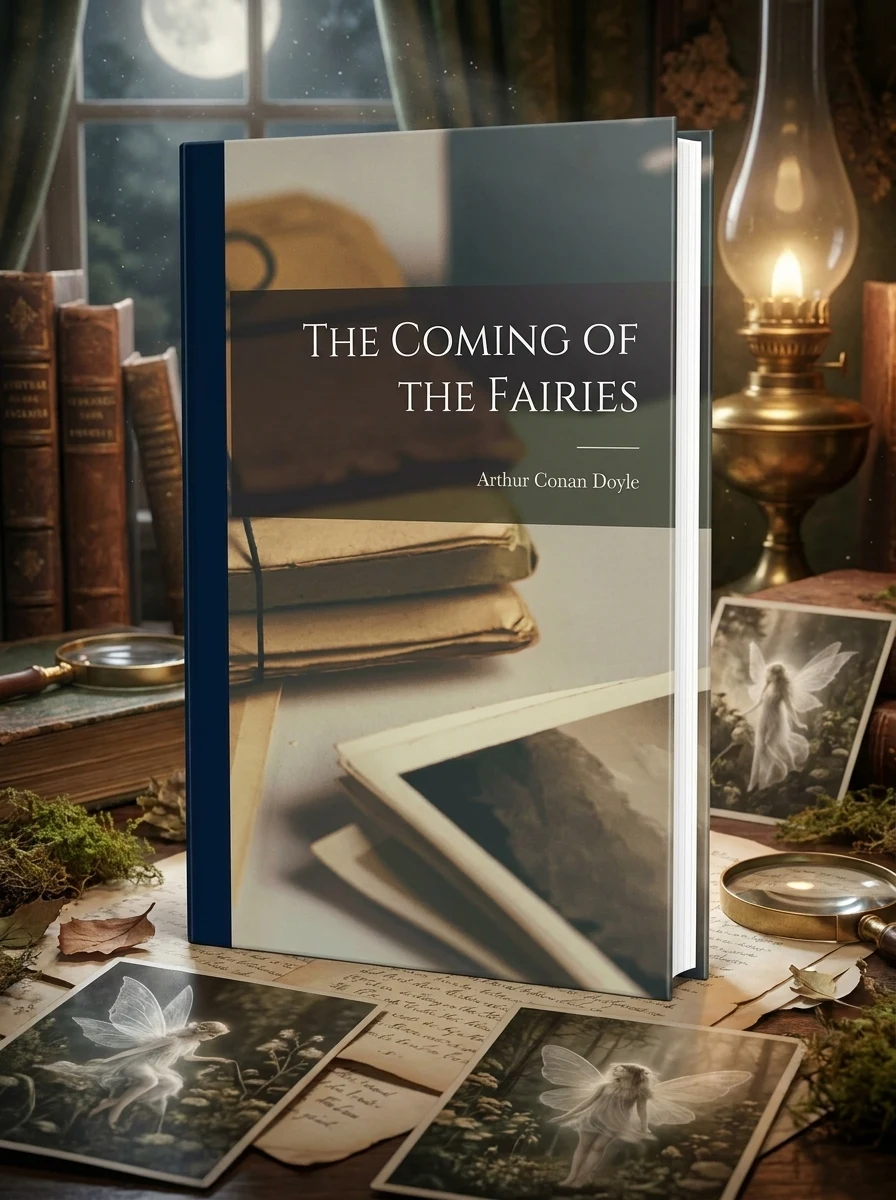
✍️ Doyle, Arthur ConanSir Arthur Conan Doyle, the master of deduction, here turns his keen intellect to a most enchanting mystery: the existence of fairies. Driven by his profound spiritualist beliefs, this work presents a compelling, albeit controversial, defense of the Cottingley fairy photographs. Doyle meticulously compiles accounts and arguments, challenging the prevailing scientific skepticism of his era. It stands as a fascinating document of a renowned author grappling with the unseen world, offering a unique blend of personal conviction and earnest inquiry into the ephemeral realms of folklore and the occult, questioning the boundaries of accepted reality.


📝 Description: Coming of the Fairies
💎 Expert review
📖 Why choose it
Why this book is worth reading
Readers fascinated by the intersection of logic and the supernatural will find this volume uniquely compelling. Sir Arthur Conan Doyle, celebrated for his rational detective fiction, applies his rigorous analytical methods to the Cottingley fairy photographs, offering a sincere defense against scientific skepticism. Those interested in the history of spiritualism or the cultural phenomenon of fairies will appreciate Doyle's earnest inquiry into the unseen world. It is an ideal choice for those who enjoy exploring how prominent figures grappled with the boundaries of accepted reality during a time of profound societal shift toward esoteric understanding.
⭐ Reader reviews
Reader rating
While Doyle’s dedication to the Cottingley fairy photographs is undeniably sincere, this book may frustrate readers seeking hard empirical evidence or literary fiction. It is not suited for strict materialists who dismiss folklore outright, nor for those expecting the crisp deductive brilliance of Sherlock Holmes; instead, it offers a passionate argument rooted in personal conviction rather than objective proof. Readers looking for a straightforward debunking or a purely academic historical analysis might find the tone overly emotional. However, for those open to understanding the psychological and cultural weight of spiritualist belief in the early 20th century, it remains an insightful, if controversial, glimpse into a mind grappling with the mystical.
❓ Frequently asked questions
📖 Who should read this
If you're captivated by the intersection of folklore, spiritualism, and literary history, this book is for you. Dive into the mind of a great author as he champions a belief many found preposterous, offering a unique window into early 20th-century occult thought.
🎯 Key themes and symbolism
The Reality of Fairies
Doyle’s primary focus is to present a serious argument for the literal existence of fairies. He meticulously examines the Cottingley photographs and related testimonies, interpreting them not as childish pranks or optical illusions, but as genuine evidence of diminutive, ethereal beings inhabiting our world, challenging materialistic views of nature.
Spiritualism's Embrace
This book is deeply rooted in Doyle’s fervent commitment to Spiritualism. He views the appearance of fairies as another manifestation of the unseen spiritual world, aligning these sightings with other phenomena like séances and psychic communication. It underscores his belief that humanity is surrounded by dimensions beyond conventional perception.
Challenging Skepticism
Doyle directly confronts the scientific and societal skepticism of his time. He argues that dismissing such phenomena out of hand demonstrates a narrow-mindedness, advocating for an open-minded, even empirical, approach to investigating the supernatural. The work itself became a flashpoint in the ongoing debate between science and esoteric belief.
📜 Historical context
📚 Glossary
- Spiritualism
- Cottingley Fairies
- Occultism
📔 Questions to reflect on
- How does the concept of 'seeing is believing' clash with the idea of faith or spiritual conviction, as explored in Doyle's work?
- Consider how societal skepticism might shape what we are willing to perceive or accept as truth, both then and now.
- Reflect on how your own worldview might be challenged or expanded by considering the possibility of hidden, non-human intelligences.