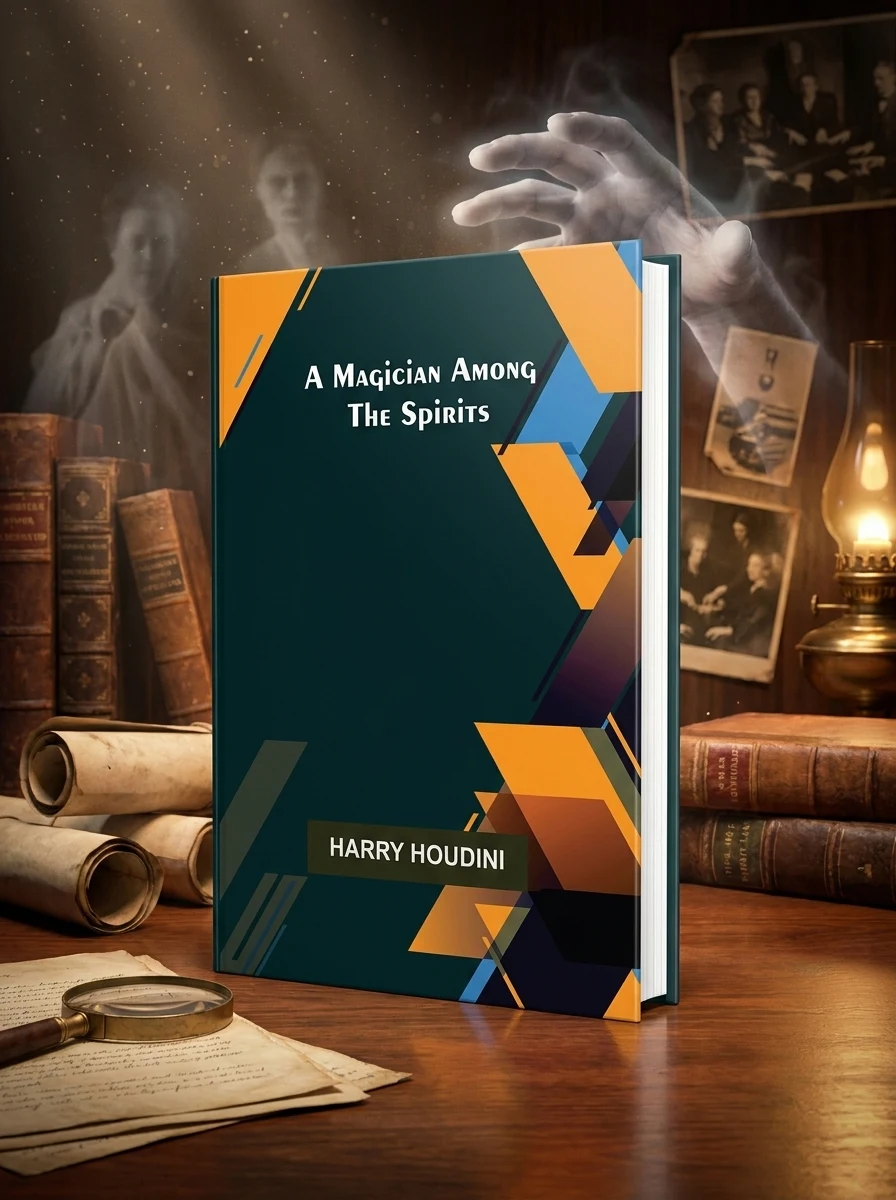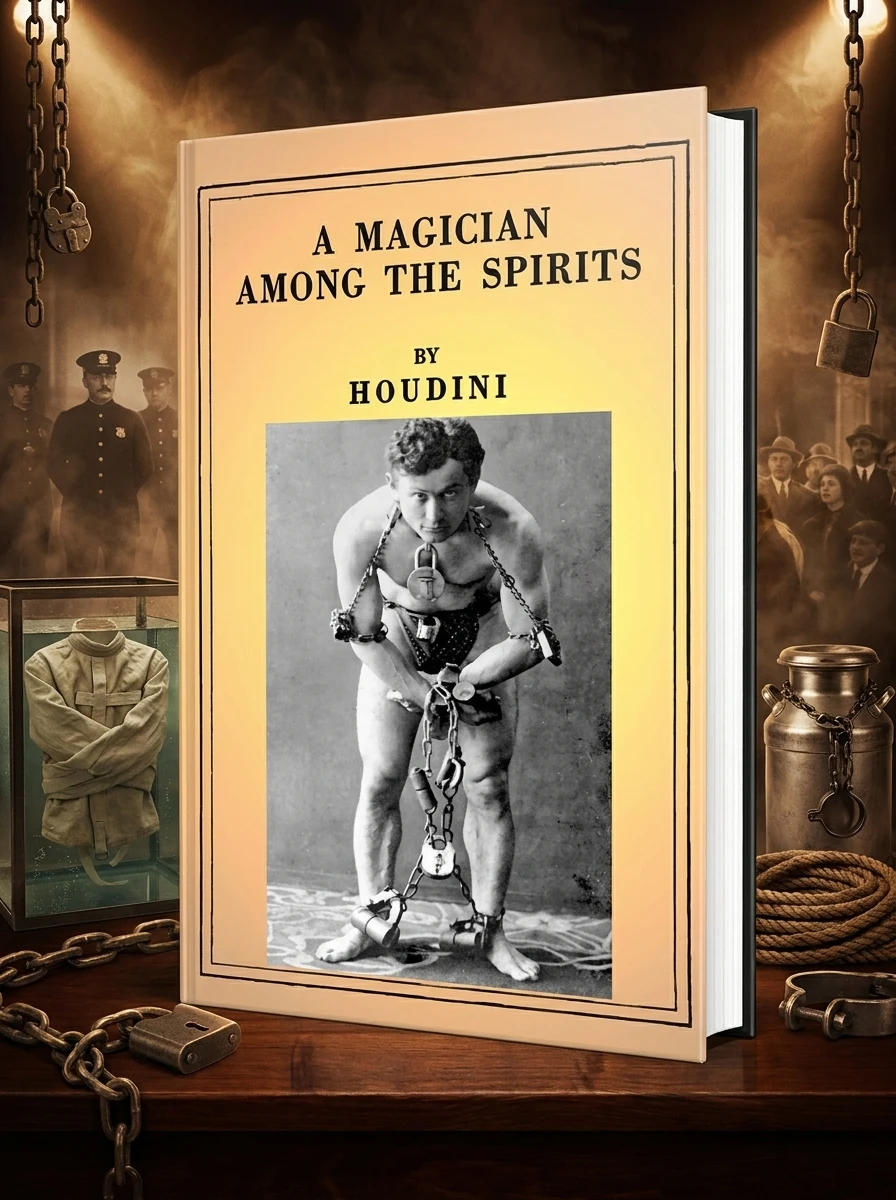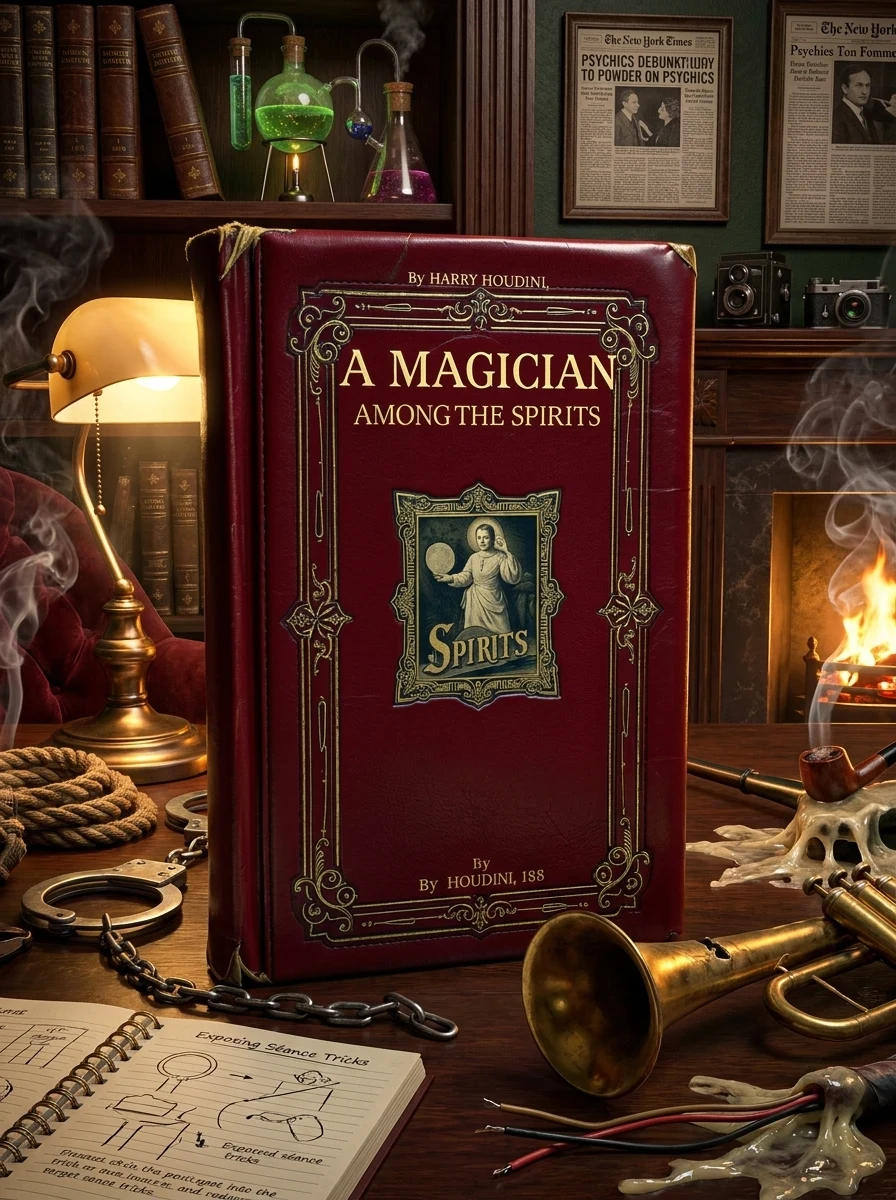
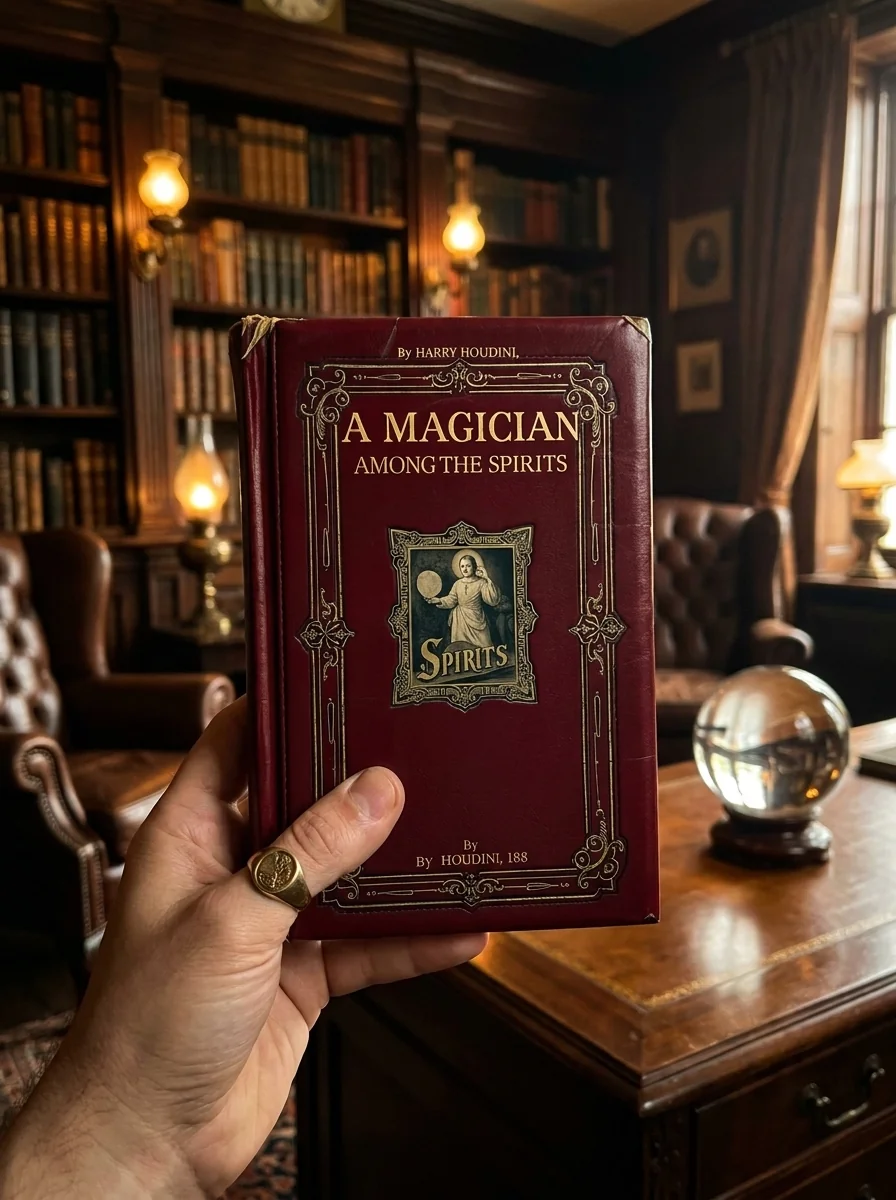
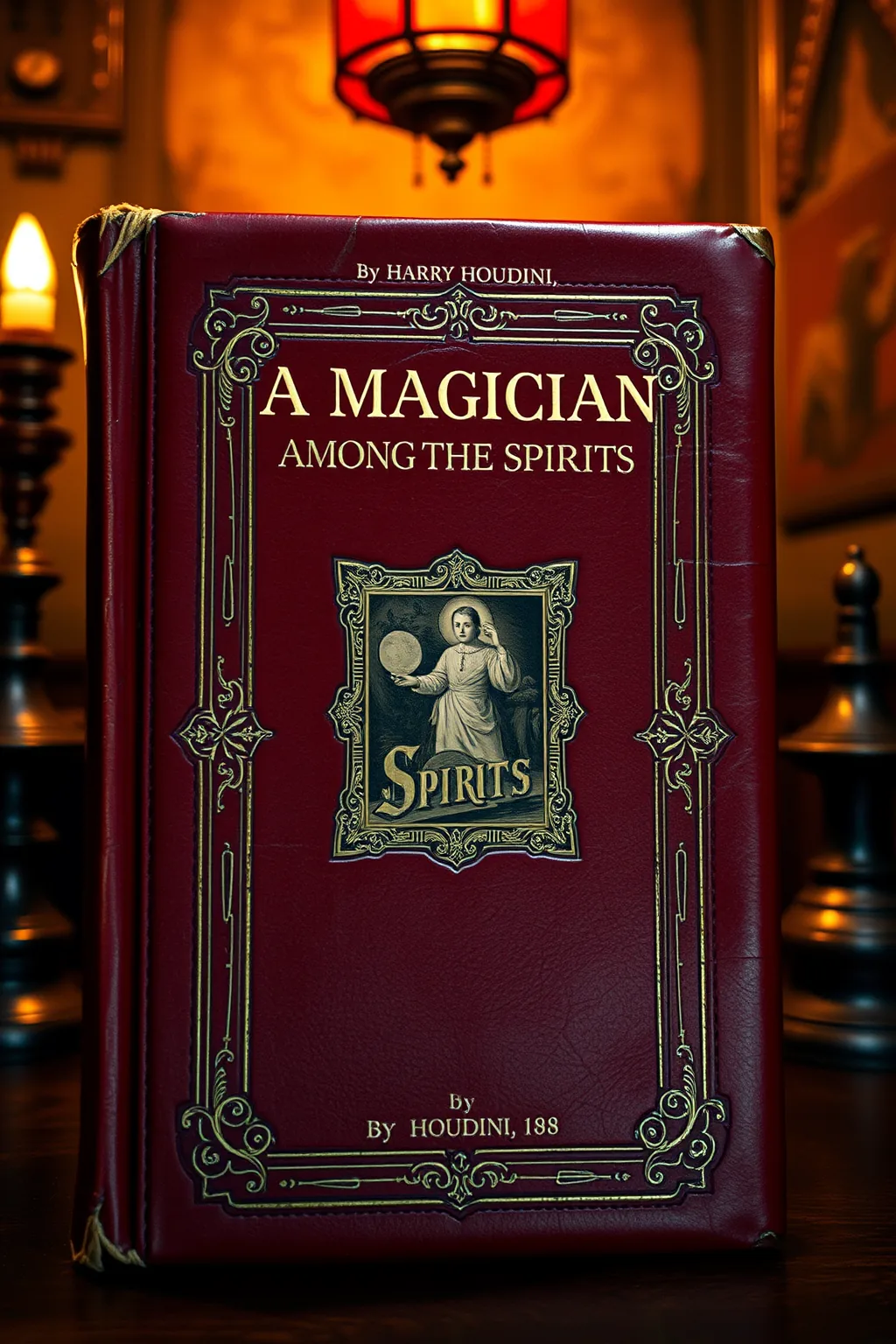
A Magician Among the Spirits Houdini, Harry
✍️ Houdini, HarryStep into the mind of Harry Houdini, the legendary escapologist, as he turns his formidable intellect and understanding of illusion towards the burgeoning spiritualist movement of his time. Born Erik Weisz, Houdini was a master of misdirection and stagecraft, making him uniquely qualified to expose the fraudulent claims of mediums and psychics. This compelling work offers a skeptical insider's look at an era captivated by supernatural communication, meticulously detailing the methods used by those who preyed on grief and credulity. It is a powerful testament to rational inquiry against widespread superstition.


📝 Description: A Magician Among the Spirits Houdini, Harry
💎 Expert review
📖 Why choose it
Why this book is worth reading
This book is essential for anyone fascinated by the intersection of performance art, psychology, and social history. Readers who admire Houdini’s escapology will appreciate how he applied his unique skills to dismantle fraud. It offers a compelling look at how grief was exploited in an era hungry for contact with the dead. Those interested in the history of science and the rise of skepticism will find value in this meticulous exposure of deceit. It is not merely about magic tricks, but about the human need for belief and the courage required to challenge it. A powerful testament to rational inquiry that remains relevant today.
⭐ Reader reviews
Reader rating
Houdini’s investigation is a rigorous dismantling of spiritualist claims by a master of misdirection. The text serves as a historical document of fraud exposure rather than a narrative adventure. It may disappoint readers seeking supernatural validation or those who prefer literary flair over analytical debunking. Skeptics will find it robust, while believers might find its stance unyielding. The value lies in its clear-eyed view of deception methods used against the vulnerable. It is a necessary counterpoint to spiritualist literature, offering clarity rather than comfort. Ideal for those who prioritize evidence over emotion in matters of the occult.
❓ Frequently asked questions
📖 Who should read this
If you're fascinated by the intersection of belief, trickery, and the human desire for the supernatural, or simply admire a master debunker, this book offers a compelling perspective. Prepare to have your perceptions challenged as Houdini dissects the mechanisms of alleged paranormal phenomena.
🎯 Key themes and symbolism
Skeptical Inquiry
Houdini, a master of honest deception, applies his acute understanding of trickery to meticulously investigate and expose the fraudulent practices prevalent in the spiritualist circles of the early 20th century. He champions a rigorous, evidence-based approach to challenging supernatural claims, urging readers to question and analyze rather than blindly believe.
Victorian Spiritualism Explored
This book immerses the reader in the societal phenomenon of spiritualism, detailing its widespread popularity and the profound impact it had on cultural beliefs. Houdini examines the allure of communicating with the deceased, providing historical context for why so many people were drawn to mediums and séances during this period of profound social change and loss.
The Art of Deception
Drawing a stark contrast between the acknowledged illusions of stage magic and the deceitful claims of spiritualist mediums, Houdini illuminates the ethical boundaries of performance. He reveals how similar techniques of misdirection and psychological manipulation could be used either for entertainment or for exploitation, underscoring the responsibility of the illusionist.
📜 Historical context
📚 Glossary
- Magician
- Spiritualism
- Escapologist
📔 Questions to reflect on
- How does the human desire for connection with the deceased influence our susceptibility to belief and potential deception?
- Where do you draw the line between honest entertainment (like stage magic) and deceptive spiritual claims, and why is that distinction important?
- If Harry Houdini were alive today, what contemporary phenomena or claims might he choose to investigate with his skeptical eye and why?