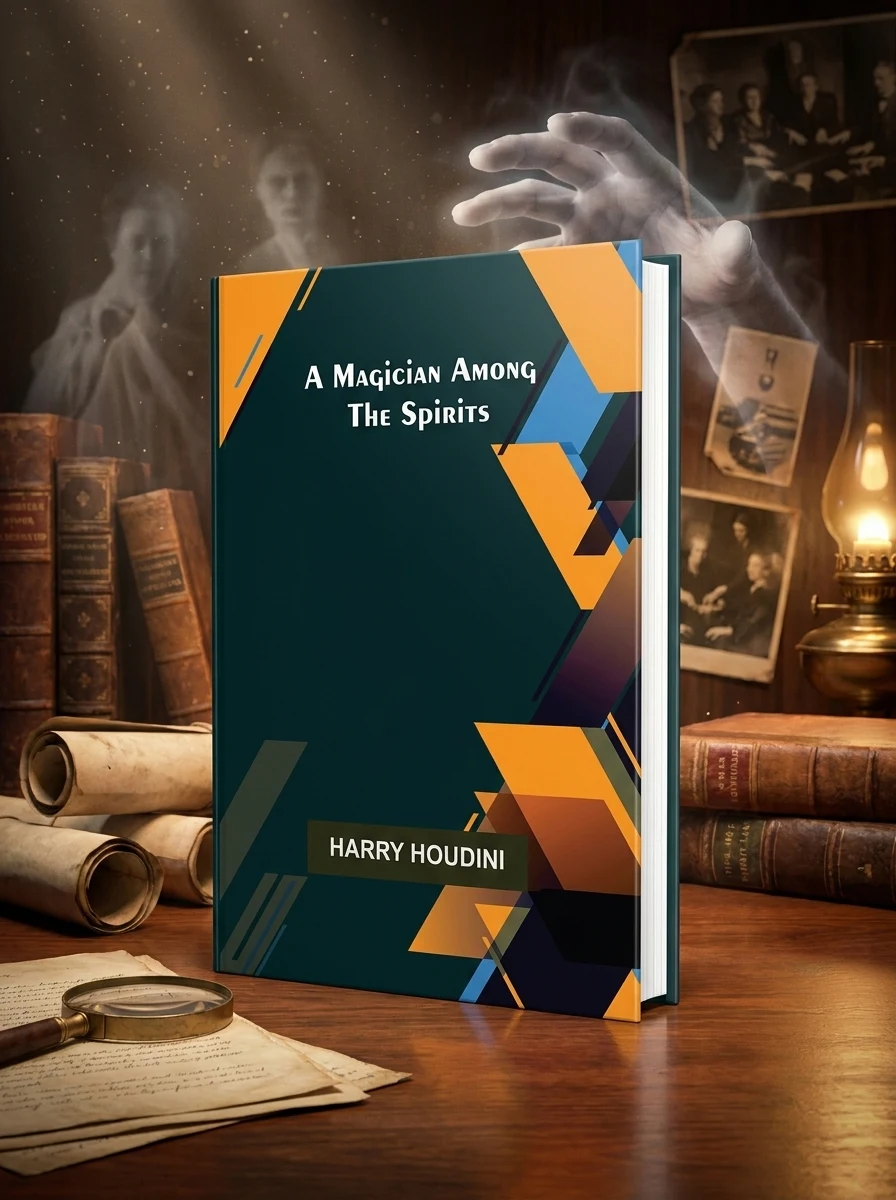
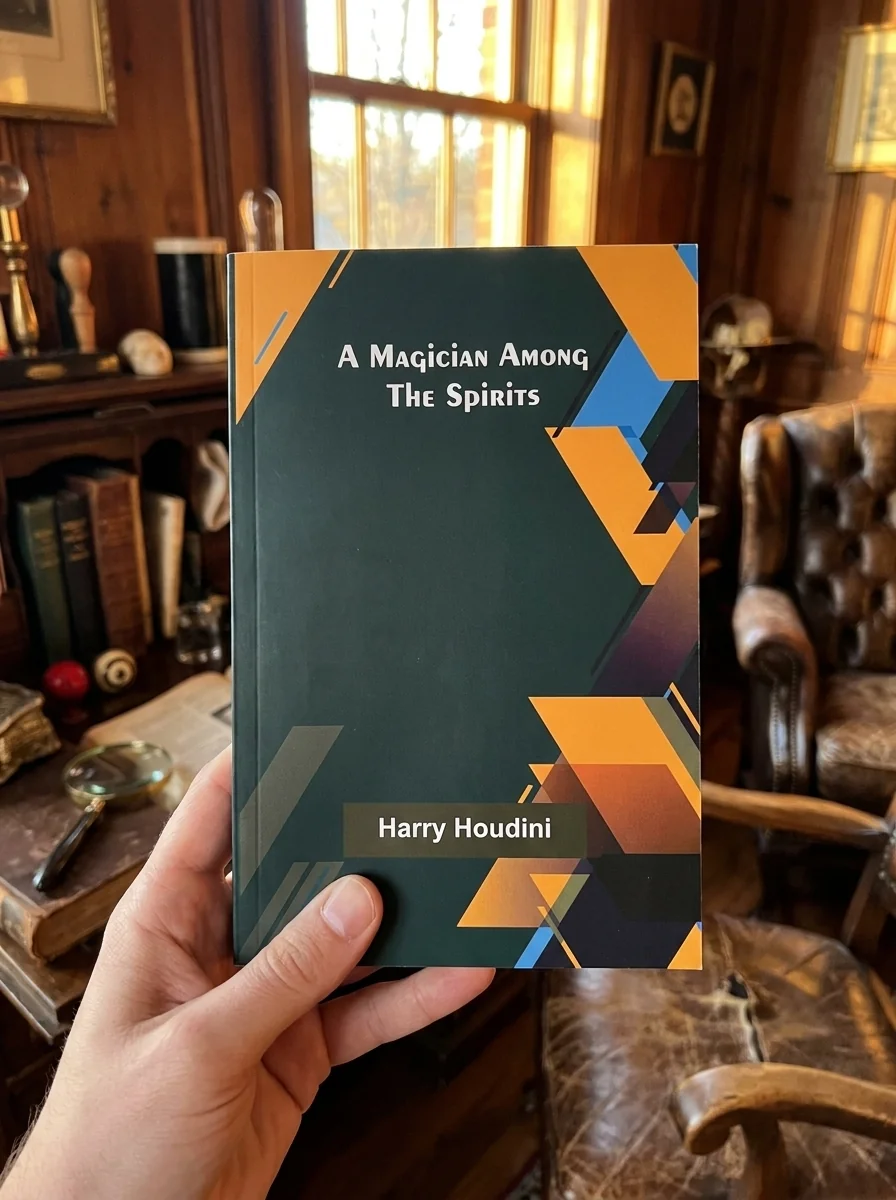
A Magician Among the Spirits
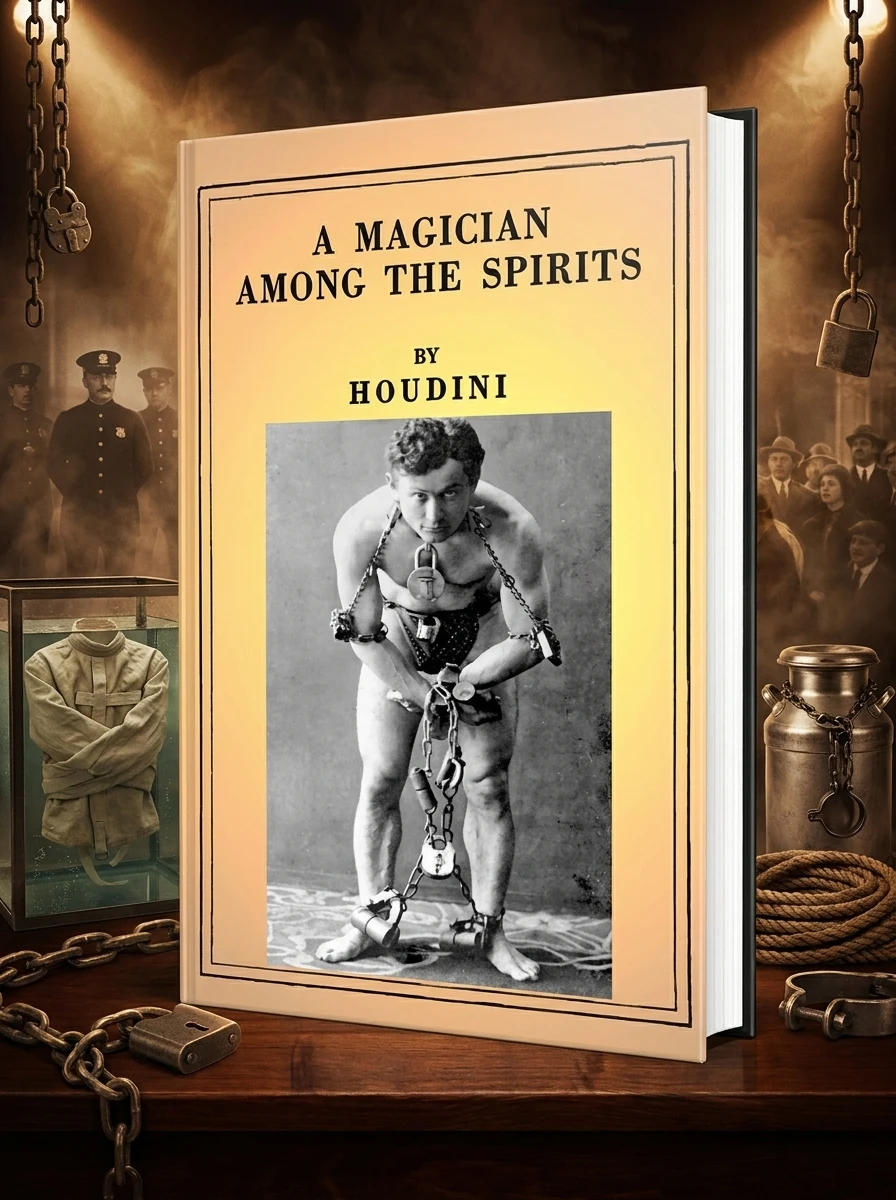
✍️ Houdini, HarryHarry Houdini, the legendary escape artist and illusionist, dedicates his unparalleled expertise to scrutinizing the spiritualist phenomena that captivated the early 20th century. This compelling work details his personal investigations into celebrated mediums and séances, systematically exposing the intricate deceptions employed by charlatans. From the perspective of a master trickster, Houdini dissects alleged communications with the dead, offering a unique blend of investigative journalism and magical insight. His ultimate aim is not merely to debunk, but to empower readers with critical thinking against the allure of the supernatural.


📝 Description: A Magician Among the Spirits
💎 Expert review
📖 Why choose it
Why this book is worth reading
Readers fascinated by the intersection of magic, skepticism, and investigative journalism will find this book indispensable. Houdini offers a rare glimpse into how a master deceiver approaches the very deceptions he exposes, providing not just debunking but empowerment through critical thinking. Those interested in the history of spiritualism or the psychology of belief will appreciate his systematic dismantling of charlatan tactics. It is ideal for anyone seeking to understand the mechanics of fraud while enjoying a narrative driven by one of history's most iconic figures turning his skills against the supernatural claims that once dominated cultural discourse.
⭐ Reader reviews
Reader rating
While Houdini’s insider perspective provides undeniable value for skeptics and magic enthusiasts, this book may frustrate readers seeking empirical proof or academic rigor. It is less a scientific treatise and more a passionate defense of rationality delivered by a performer. Readers expecting dry data or theological debate will likely find the tone too personal and theatrical. However, for those who enjoy narrative non-fiction that blends biography with critical inquiry, it remains a compelling read. The focus on exposing tricks rather than proving atheism makes it accessible but potentially polarizing for earnest believers in spiritualist phenomena.
❓ Frequently asked questions
📖 Who should read this
For those fascinated by the history of spiritualism, magic, and the art of debunking. If you appreciate a keen investigative mind and wish to understand the mechanics behind alleged supernatural events, or simply enjoy a master illusionist's perspective on human gullibility, this book is an essential read for your collection.
🎯 Key themes and symbolism
Skepticism and Rational Inquiry
Houdini champions a rigorous, evidence-based approach to supernatural claims. He meticulously applies his knowledge of illusion to dissect spiritualist practices, urging readers to question phenomena that defy natural laws rather than accept them at face value, fostering a spirit of rational discernment in the face of the unknown.
The Art of Deception
As a master illusionist, Houdini reveals the sophisticated methods behind alleged spiritual manifestations. He draws parallels between stage magic and séance trickery, illustrating how simple misdirection, clever apparatus, and psychological manipulation can simulate profound supernatural events, providing an insider's view into the mechanics of fraud.
Spiritualism's Cultural Impact
The book offers a fascinating glimpse into the early 20th-century cultural landscape, where spiritualism held significant sway, particularly in the wake of widespread loss during wartime. Houdini examines the social and psychological reasons for its appeal, highlighting the human desire for connection beyond the veil and the vulnerability it creates.
📜 Historical context
📚 Glossary
- Spiritualism
- Medium
- Debunking
📔 Questions to reflect on
- How might a modern 'Houdini' approach skepticism towards contemporary supernatural claims or internet hoaxes in our digital age?
- Reflect on a time you encountered something seemingly inexplicable. How might applying Houdini's critical lens alter your perception of that event?
- In what ways do belief and the desire for connection influence our susceptibility to deception, both in Houdini's era and in our present day?