Occult Scientific Mentalities (Revised)
Stock reported in the catalog; fulfillment is confirmed with your request.
Uncover the hidden threads weaving magic and science into the fabric of the Renaissance mind.
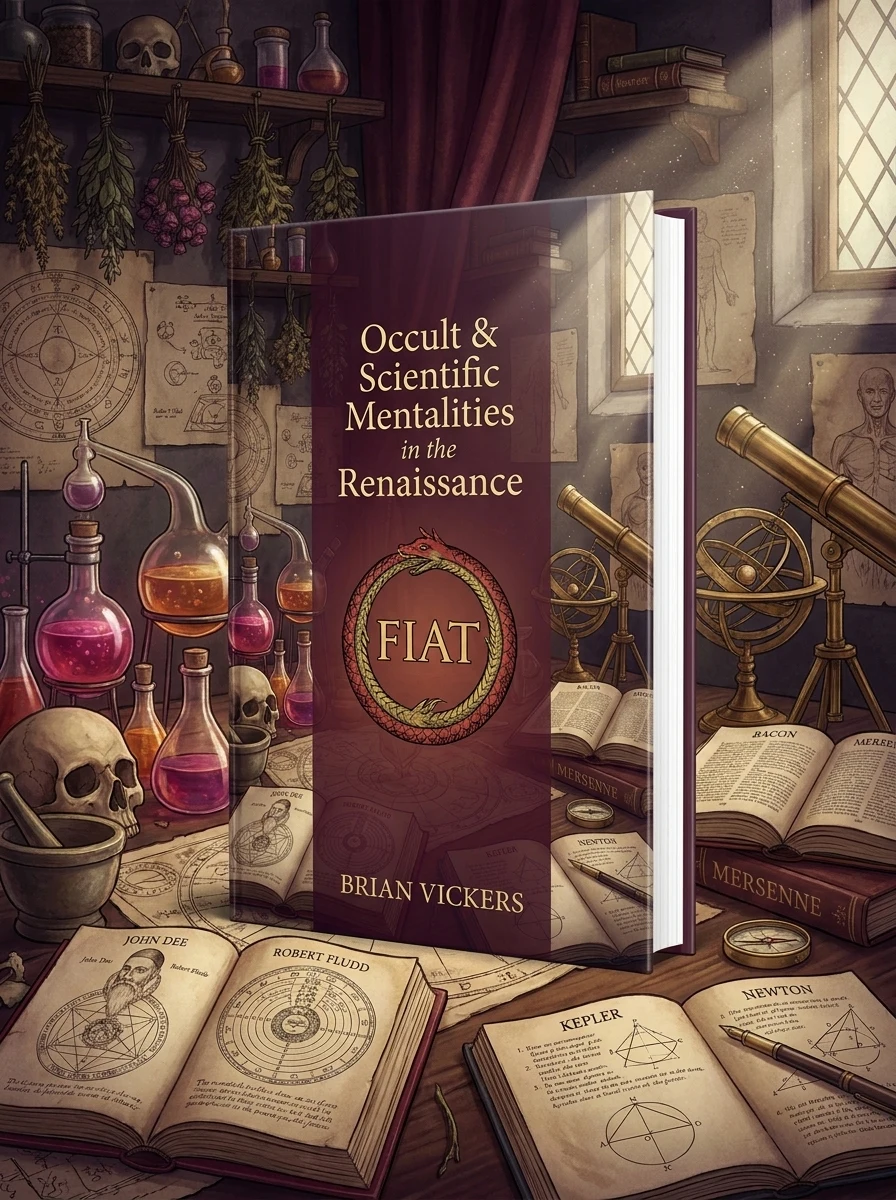
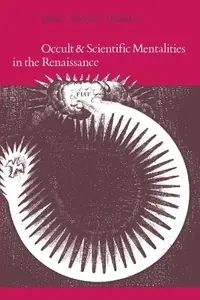
This compelling collection of essays meticulously re-examines the long-held assumption that the Scientific Revolution simply discarded occult practices. Instead, it argues for a far more intricate relationship, positing that two distinct mentalities—the occult and the scientific—coexisted and evolved in parallel until the late 17th century. Through detailed studies of figures like Kepler, Newton, Dee, and Fludd, this volume challenges traditional historical narratives, advocating for a nuanced understanding of how knowledge was pursued and categorized during a pivotal era. It forces a re-evaluation of the very foundations of modern scientific thought.
This volume sits at the intersection of history of science and esoteric studies, challenging the traditional narrative that the Renaissance mind was neatly divided between magic and emerging rationality. It explores the parallel evolution of these distinct mentalities during a pivotal era in intellectual history.


📝 Description: Occult Scientific Mentalities (Revised)
💎 Expert review
📖 Why choose it
Why this book is worth reading
Scholars and enthusiasts of the Renaissance will find this text indispensable for its rigorous dismantling of the myth that science simply replaced occultism. Brian Vickers offers a nuanced perspective, revealing how figures like Kepler and Newton operated within frameworks that blended empirical inquiry with esoteric thought. Readers seeking to understand the complex cognitive landscape of the 17th century will gain profound insights into how knowledge was categorized and pursued. It is essential for those interested in the intellectual genealogy of modern science, offering a corrective to oversimplified historical accounts and inviting a deeper appreciation of the period's intricate philosophical tapestry.
⭐ Reader reviews
Reader rating
Vickers presents a compelling argument that demands careful attention from the reader. While the essays meticulously re-examine the relationship between magic and science, the academic tone may alienate casual readers seeking a narrative-driven history. This is not a light introduction to occultism but a dense scholarly collection requiring familiarity with early modern intellectual history. It does not suit those expecting practical magical instructions or a straightforward biography of famous alchemists. However, for historians and philosophers willing to engage with complex arguments about the coexistence of distinct mentalities, it provides a vital, rigorous, and thought-provoking re-evaluation of foundational scientific thought.
❓ Frequently asked questions
📖 Who should read this
If you question conventional historical narratives and are fascinated by the intricate dance between reason and mysticism in the dawn of modern thought, this collection will illuminate new perspectives on the Renaissance intellectual landscape.
🎯 Key themes and symbolism
Redefining Science's Origins
This work deeply questions the conventional narrative of a clean break between magic and science. It reveals a complex, interwoven development where esoteric traditions were not merely dismissed, but actively shaped the intellectual landscape, prompting a re-examination of what truly constituted the genesis of modern scientific inquiry during the Renaissance.
Occult and Scientific Mentalities
The book's central thesis posits that rather than a progression, two distinct modes of thought—occult and scientific—operated concurrently. These mentalities possessed unique assumptions, goals, and methodologies for interpreting reality, demonstrating a parallel intellectual journey rather than a sequential one, which persisted for centuries.
Historical Re-evaluation
The contributors rigorously critique previous historical interpretations, highlighting how earlier analyses often oversimplified the dynamic between esoteric knowledge and nascent science. By presenting new evidence and fresh perspectives, the volume advocates for a more sophisticated, historically accurate understanding of this critical period in intellectual history, challenging long-standing misconceptions.
💬 Quotes from the book
“The enduring myth of a linear progression from 'magic to science' obscures a far more intricate, often symbiotic, intellectual landscape where disparate epistemologies contended for truth.”
“To understand the genesis of modern scientific inquiry, we must acknowledge the persistent, distinct mentalities—occult and empirical—that shaped contemporary perceptions of reality.”
📜 Historical context
📚 Glossary
- Scientific Revolution
- Natural Magic
- Occult Sciences
📔 Questions to reflect on
- How might our understanding of 'science' today be limited or biased by overlooking its historical connections to esoteric traditions?
- Consider a contemporary field of study often dismissed as 'unscientific.' What 'mentalities' might be at play, and how do they compare to the historical dynamic between occult and scientific thought outlined in this book?
- If occult and scientific mentalities coexisted for centuries, what does this suggest about the human impulse to understand reality, and how might these impulses still manifest in our modern world?
🏛 Books from this publisher Cambridge University Press
All books from this publisher →

 75
75

You might also like
See more →