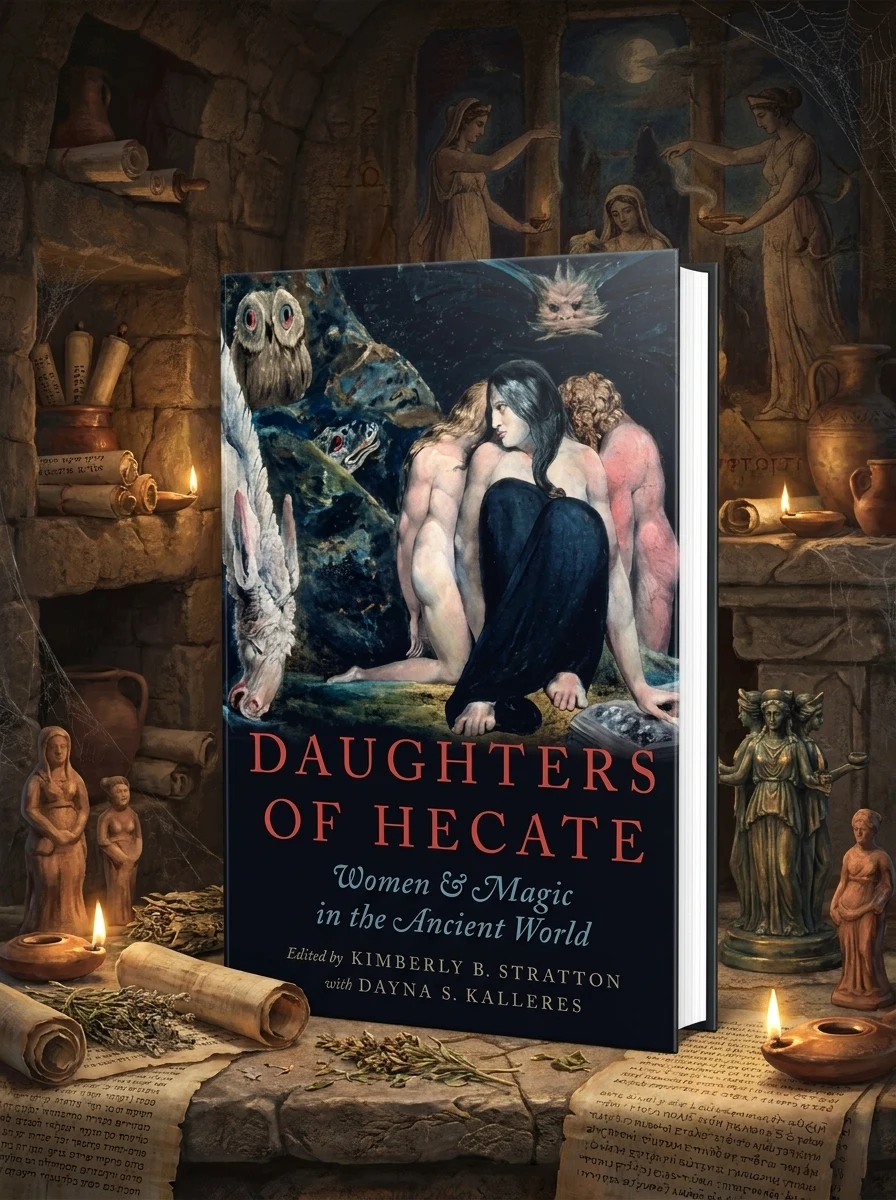
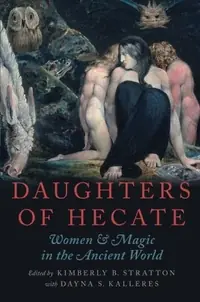
Daughters of Hecate: Women and Magic in the Ancient World
Stock reported in the catalog; fulfillment is confirmed with your request.
Unearth the forgotten power and perilous perceptions of women's magic in antiquity.
This seminal work meticulously compiles and analyzes the intricate relationship between gender and magical practices across three pivotal ancient Mediterranean civilizations: early Judaism, nascent Christianity, and the expansive Graeco-Roman world. It delves into how societal norms and religious doctrines shaped the understanding, accusation, and performance of magic, particularly as it pertained to women. The authors reveal a complex tapestry of power, prejudice, and spiritual agency, offering fresh insights into the historical construction of the 'witch' and the 'wise woman' from a comparative perspective. A vital resource for understanding magic's gendered past.
This volume sits at the intersection of historical theology and gender studies within the ancient Mediterranean world. It explores the specific cultural perceptions of magic among early Jewish, Christian, and Graeco-Roman societies.


📝 Description: Daughters of Hecate: Women and Magic in the Ancient World
💎 Expert review
📖 Why choose it
Why this book is worth reading
Scholars, historians of religion, and enthusiasts of esoteric history will find immense value in this meticulous compilation. It offers a fresh comparative perspective on how societal norms and religious doctrines constructed the identities of women as either witches or wise women. Readers interested in the intricate relationship between gender and magical practices across early Judaism, nascent Christianity, and the Graeco-Roman world will appreciate the depth of analysis regarding power, prejudice, and spiritual agency. This book serves as a vital resource for understanding the historical construction of female magic, providing essential context for those seeking to comprehend the perilous perceptions and forgotten powers that defined women's roles in antiquity's magical landscape.
⭐ Reader reviews
Reader rating
Stratton and Kalleres deliver a seminal academic work that rigorously analyzes the gendered dimensions of magic in antiquity. While its scholarly depth provides unparalleled insight into the historical construction of the 'witch' and 'wise woman,' it demands patience from casual readers. This text does not suit those seeking practical spellcasting instructions, lighthearted folklore, or simplified narratives. It is firmly rooted in comparative analysis of ancient Mediterranean civilizations, making it dense for anyone unaccustomed to academic discourse on theology and social history. However, for those willing to engage with its complex tapestry of power and spiritual agency, it remains an indispensable and intellectually stimulating examination of a marginalized historical subject.
❓ Frequently asked questions
📖 Who should read this
If you're fascinated by the history of magic, the roles of women in antiquity, or the intersection of religion and gender studies, this book is essential. It offers a scholarly yet accessible entry point into understanding how ancient societies conceptualized and controlled feminine power through the lens of magic.
🎯 Key themes and symbolism
Gendered Sorcery Unveiled
The book meticulously explores how magical practices and their practitioners were profoundly gendered in ancient societies. It examines the specific roles, accusations, and perceptions attributed to women engaging in magic, contrasting them with male counterparts and highlighting the societal anxieties and power dynamics embedded within these distinctions.
Ancient Cultural Crossroads
This study offers an unprecedented comparative analysis, bringing together research from early Judaism, nascent Christianity, and the vast Graeco-Roman world. By juxtaposing these distinct cultural and religious contexts, the authors illuminate both the unique manifestations and shared underlying themes of gendered magic across the ancient Mediterranean.
Historical Recontextualization
Beyond simply documenting magical practices, the book provides crucial historical context for understanding the socio-religious environments in which these beliefs flourished. It helps readers grasp how theological developments, legal frameworks, and popular superstitions intersected to define, empower, or condemn women associated with magic.
💬 Quotes from the book
“The figure of the female sorceress, whether feared or revered, consistently served as a potent cultural mirror reflecting societal anxieties about female power and transgression.”
“By juxtaposing rabbinic prohibitions with Roman magical papyri, we discern not merely differing rituals, but fundamentally divergent constructions of the magical feminine.”
📜 Historical context
📚 Glossary
- Hecate
- Graeco-Roman
- Esoteric
📔 Questions to reflect on
- Considering the gendering of magic in ancient cultures, how do you think contemporary society still subtly (or overtly) genders spiritual or mystical practices?
- Reflect on how the fear of female power might have manifested as accusations of witchcraft across the ancient world. Can you identify similar patterns in modern history?
- If magical practices were inherently tied to societal roles, what might that imply about the agency and rebellion available to women through magic in antiquity?
🏛 Books from this publisher Oxford University Press
All books from this publisher →
 81
81

You might also like
See more →