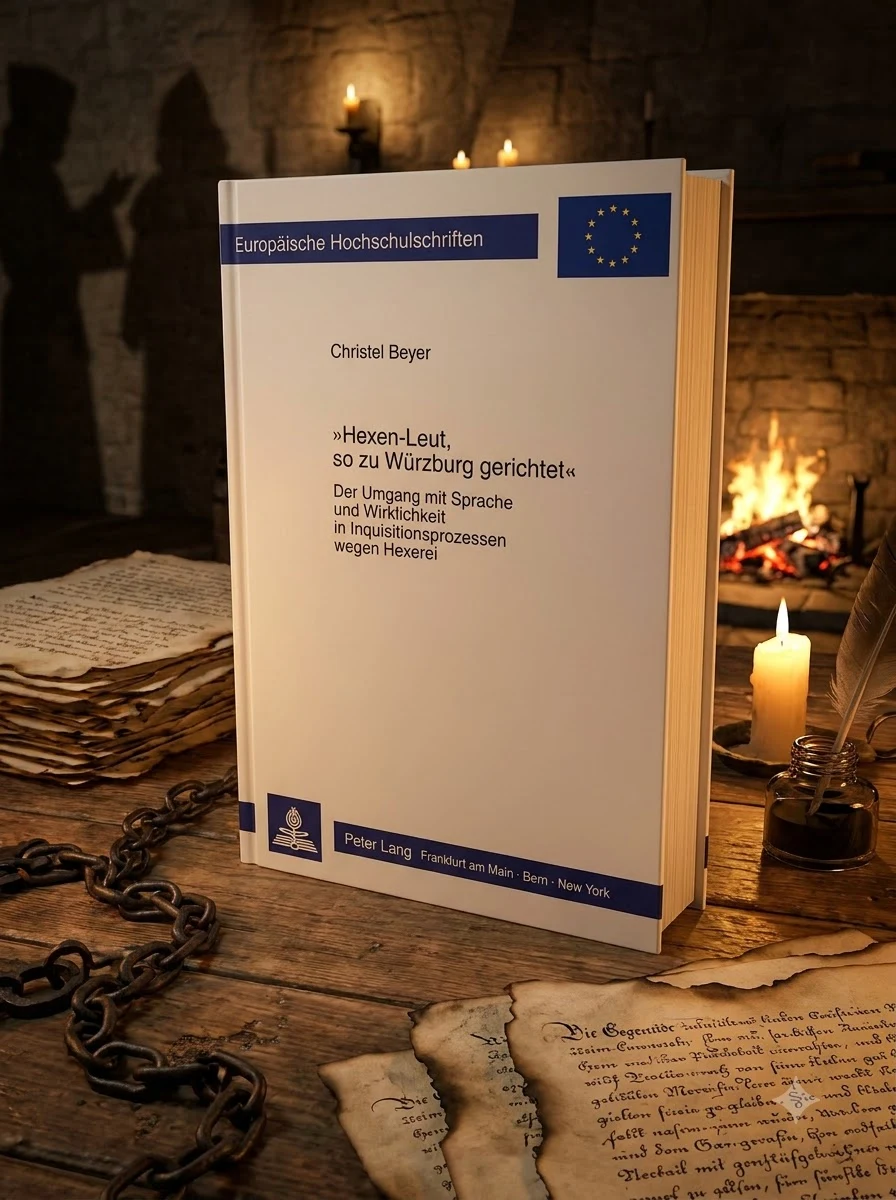
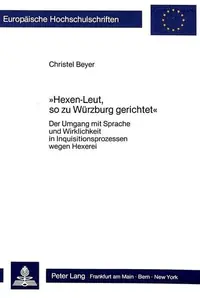
Hexen-Leut, So Zu Wuerzburg Gerichtet: Der Umgang Mit Sprache Und Wirklichkeit in Inquisitionsprozessen Wegen Hexerei Beyer, Christel
This edition can be ordered. No arrival date is confirmed.
Uncover how words forged the grim reality of witch trials in Würzburg.
Christel Beyer delves into the pivotal role of language in shaping the notorious Würzburg witch trials. This scholarly work meticulously dissects how words, accusations, and legal frameworks constructed a terrifying reality for the accused. It contrasts the contemporary view of witches as malevolent criminals with our modern understanding of them as tragic victims, exploring the chasm between these perceptions through linguistic analysis. Essential for understanding the profound power of judicial discourse and its historical consequences.
This scholarly work sits at the intersection of historical linguistics and early modern European legal history, specifically examining the judicial mechanisms of the Holy Roman Empire during the peak of witch-hunting fervor. It contributes to the broader esoteric and occult studies tradition by deconstructing the rhetorical frameworks that legitimized persecution.


📝 Description: Hexen-Leut, So Zu Wuerzburg Gerichtet: Der Umgang Mit Sprache Und Wirklichkeit in Inquisitionsprozessen Wegen Hexerei Beyer, Christel
💎 Expert review
📖 Why choose it
Why this book is worth reading
Scholars and serious enthusiasts of occult history will find immense value in this text for its rigorous linguistic dissection of the Würzburg witch trials. It offers a crucial perspective shift, moving beyond sensationalist narratives to reveal how language itself constructed the reality of guilt and malevolence. Readers interested in the sociology of fear, the mechanics of judicial discourse, and the transition from viewing witches as criminals to victims will gain profound insight. This book is essential for anyone seeking to understand the intellectual architecture behind one of history's darkest chapters, providing a nuanced analysis that transcends mere chronology to explore the power dynamics of speech and belief.
⭐ Reader reviews
Reader rating
Beyer’s work is a dense, academic examination that demands patience and a strong grasp of linguistic theory. It is not suitable for readers seeking a narrative-driven account or those interested in practical ceremonial magic techniques; it lacks plot and ritual instruction. The focus on legal frameworks and semantic analysis may alienate casual history buffs who prefer accessible storytelling over scholarly dissection. However, for those committed to understanding the structural forces behind historical persecution, this text provides an indispensable, albeit rigorous, perspective on how language shaped reality during the trials.
❓ Frequently asked questions
📖 Who should read this
If you're fascinated by the intersection of language, history, and the darker chapters of human belief, this book is for you. Scholars of German history, legal history, linguistics, and serious students of magick studies will find its insights invaluable.
🎯 Key themes and symbolism
Language as Reality-Shaper
This book examines how the specific vocabulary and narrative structures used in legal proceedings didn't merely describe events but actively *created* the reality of witchcraft. It reveals how accusations, confessions, and testimonies were shaped by prevailing linguistic norms, transforming suspicion into undeniable 'fact' within the judicial context of the Inquisition.
Historical Perception of Witchcraft
Beyer masterfully illustrates the profound disconnect between how society perceived accused witches in the 17th century versus our contemporary understanding. The text scrutinizes how those living through the trials genuinely believed they were prosecuting dangerous criminals, sharply contrasting with modern views that recognize these individuals as innocent victims of systemic cruelty and delusion.
Inquisitorial Legal Dynamics
The study offers a forensic analysis of the legal and procedural mechanisms employed during the Würzburg witch trials. It highlights how the inquisitorial system, through its reliance on specific linguistic conventions and interrogation techniques, systematically produced 'evidence' and 'confessions,' thereby solidifying the perceived reality of widespread sorcery and its supposed practitioners.
💬 Quotes from the book
“The very act of transcription, of reducing an alleged magical occurrence to written legal testimony, imposed a linguistic structure that often pre-determined guilt, irrespective of the accused's actual intent or action.”
“Understanding the semantic fields employed by inquisitors and accusers reveals a stark divergence from modern interpretive frameworks, illustrating how 'truth' itself was a malleable construct within the juridical theater.”
📜 Historical context
📚 Glossary
- Hexen-Leut
- Inquisitionsprozessen
- Würzburg
📔 Questions to reflect on
- Consider how contemporary legal language or media narratives might similarly construct 'reality' around social issues today. What parallels can you draw with historical witch trials?
- Reflect on a time when a word or phrase, intentionally or unintentionally, significantly altered your perception of an event or person. How does this personal experience resonate with the book's themes?
- If you could interview someone involved in the Würzburg trials (an inquisitor, an accuser, or an accused), knowing what you know from this book, what single question about their use of language would you ask?
📖 From the series “Europaeische Hochschulschriften / European University Studie”
All books in the series →
🏛 Books from this publisher Peter Lang Gmbh, Internationaler Verlag Der Wissenschaften
All books from this publisher →
You might also like
See more →


 91
91




 91
91