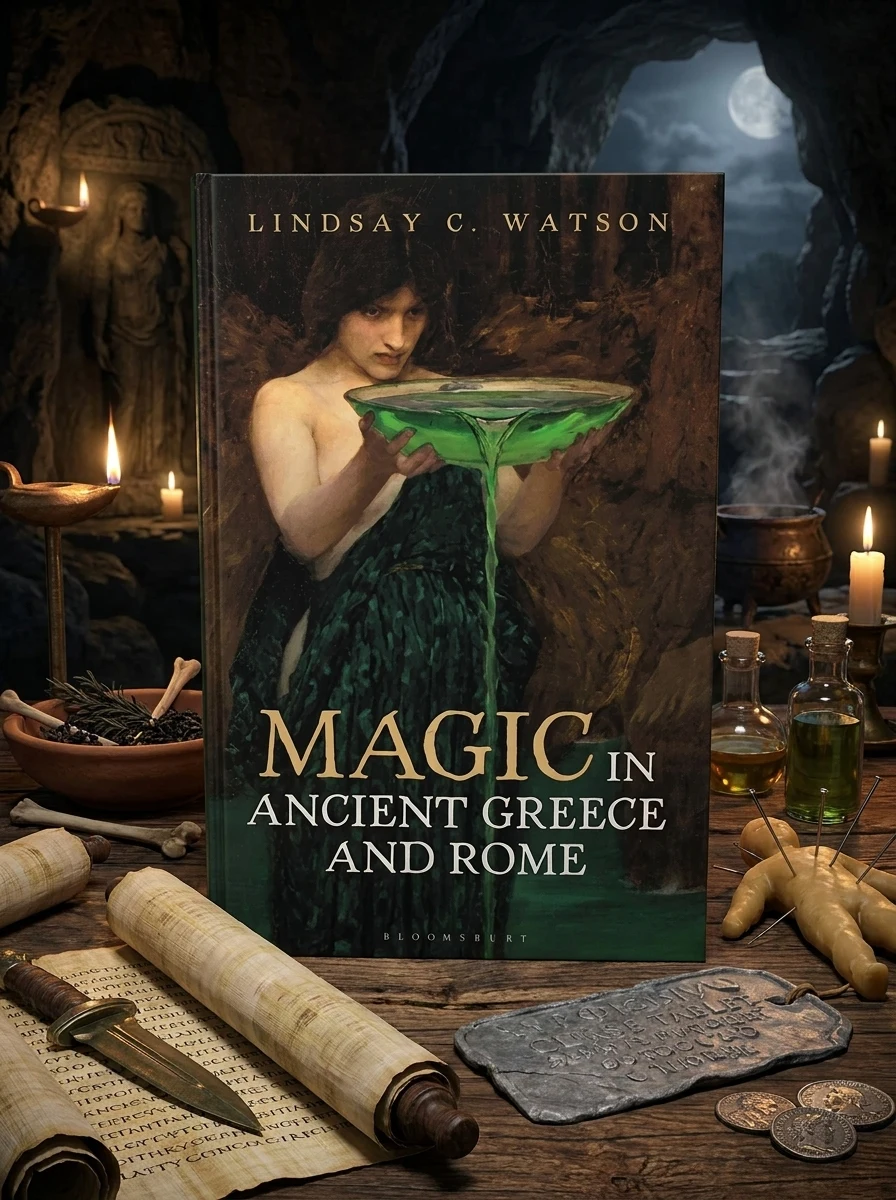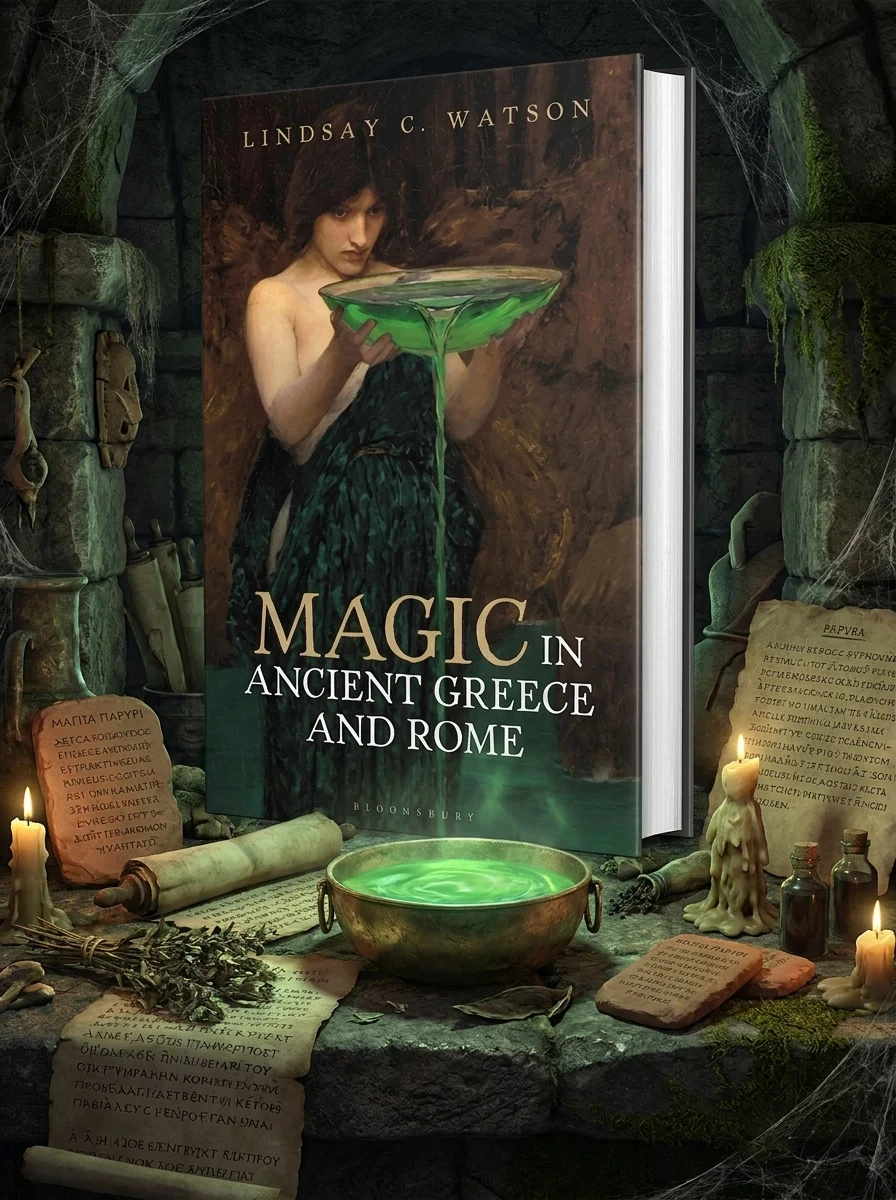
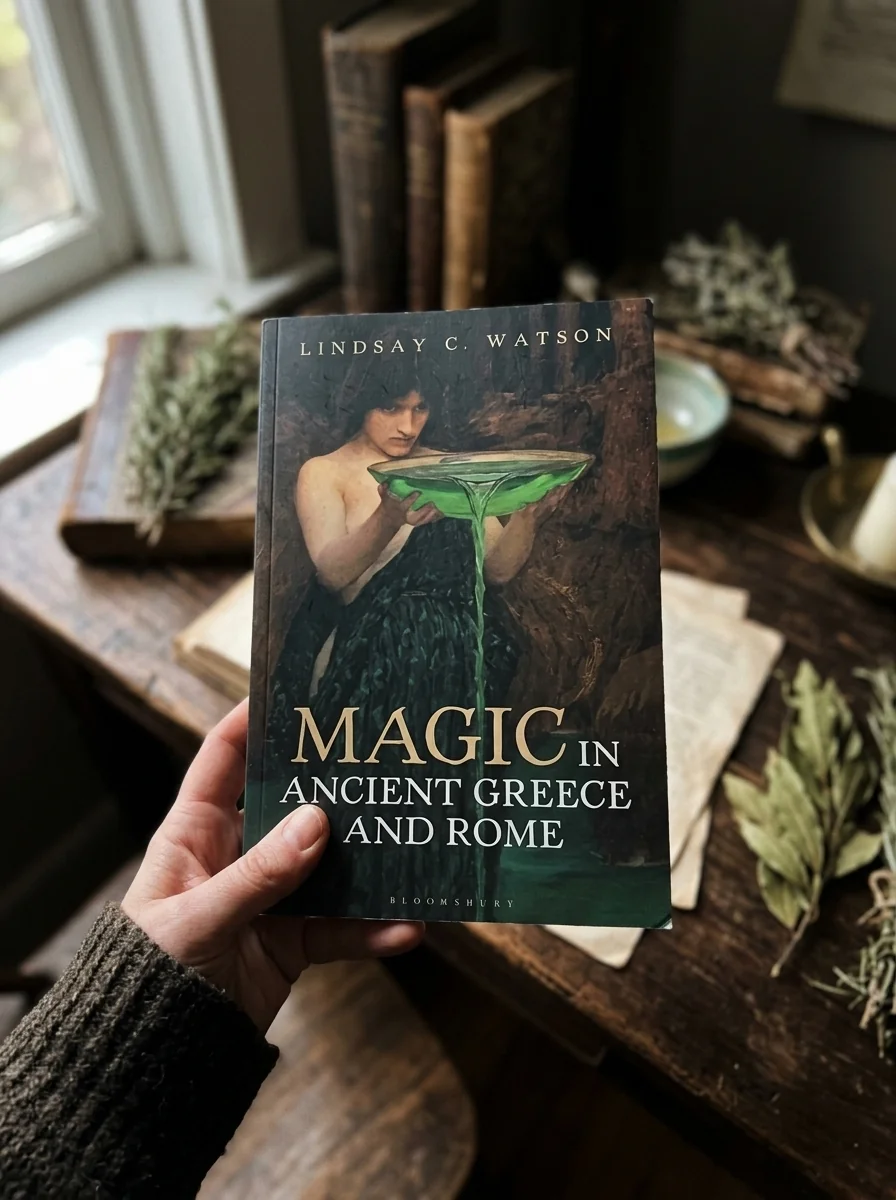
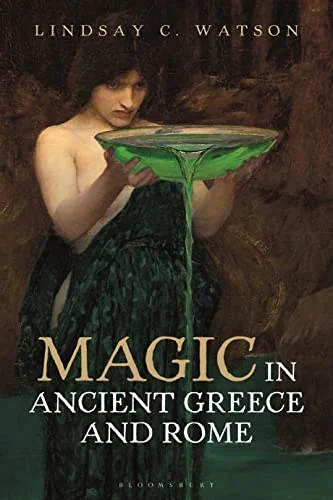
Magic in Ancient Greece and Rome
✍️ Watson, Lindsay CLindsay C. Watson's "Magic in Ancient Greece and Rome" meticulously dissects the operational reality of ancient sorcery, moving beyond theoretical discussions to reveal its pragmatic, often malevolent, objectives. This insightful volume delves into key facets of Greco-Roman magical practice, exploring the pivotal Greek Magical Papyri, the startlingly aggressive nature of erotic spells, and the undeniable lethal intent of curse tablets, or defixiones. Further chapters illuminate the ritualistic procurement and use of herbs and animals in magical workings, offering a vivid, unvarnished look at the historical practice of magic as a direct means to often dark ends.


Praise for this book
“[Watson] shows a commendable command of the sources and independence of mind. Provided that one accepts a wider definition of magic, there is a great deal to learn from this book, which will be particularly useful to expert readers who are already familiar with the topic.”
“Watson offers an insightful contribution, one that incorporates valuable introductory overviews of certain topics, while also augmenting specialist study of ancient Greco-Roman magic.”
“Watson's book is undoubtedly a valuable contribution towards our understanding of ancient magic that perfectly complements previous publications on that subject.”
📝 Description: Magic in Ancient Greece and Rome
📑 What's inside
- List of Illustrations List of Abbreviations
- Preface and Acknowledgements
- 1 Introduction
- 2 The Violence of Amatory Magic
- 3
- Defixiones: A Recent History
- Appendix: Did
- Defixiones Work?
- 4 Magic and Herbs
- 5 Animals in Magic
- Appendix: Amulets
- 6 Fictional Witches
- 7 Human Sacrifice in Ancient Magic?
- Notes
- Bibliography
- Index
💎 Expert review
📖 Why choose it
Why this book is worth reading
Readers seeking a visceral, unvarnished look at the pragmatic side of ancient sorcery will find this volume indispensable. It moves beyond dry theory to reveal the brutal reality of Greco-Roman magical pursuits, satisfying those interested in the tangible power dynamics of antiquity. The book is particularly rewarding for scholars and enthusiasts who want to understand the lethal intent behind curse tablets and the aggressive nature of erotic spells. By detailing the ritualistic procurement of herbs and animals, it offers a vivid window into how magic was actively weaponized. It is ideal for anyone tired of abstract discussions who desires a clear, factual dissection of ancient magical operations and their dark, practical objectives.
⭐ Reader reviews
Reader rating
Watson delivers a meticulous dissection of ancient sorcery’s operational reality, highlighting its pragmatic and often malevolent nature. The text excels in illuminating the aggressive intent behind erotic spells and the lethal power of defixiones, supported by detailed accounts of herbal and animal ritual use. However, this candid approach to dark ends may not suit readers seeking gentle or romanticized interpretations of ancient mysticism. It is strictly for those prepared to confront the brutal, practical pursuit of tangible power in antiquity without aesthetic softening. The academic tone ensures precision but demands a serious engagement with historical darkness.
❓ Frequently asked questions
📖 Who should read this
If you're drawn to the grittier, more hands-on aspects of historical magic, seeking to understand its real-world applications and often dark objectives, this book offers an unvarnished look at Greco-Roman practices. It's for those who prefer tangible ritual over philosophical discourse.
🎯 Key themes and symbolism
Pragmatic Ancient Sorcery
This book challenges modern academic trends by presenting ancient magic not as an abstract philosophical concept, but as a highly practical discipline. It reveals practitioners meticulously crafting spells and rituals with very specific, often earthly, goals in mind, demonstrating a clear, results-oriented approach to their craft rather than purely symbolic or theoretical engagement.
Malicious Intentions Unveiled
The author unflinchingly confronts the darker side of Greco-Roman magic, emphasizing the frequently destructive and coercive nature of ancient spells. From the violent aims embedded within erotic magic to the explicitly lethal objectives of defixiones (curse tablets), the text underscores that malevolence was a common and integral part of many ancient magical workings, not merely a sideline.
Elemental Components in Ritual
A significant focus is placed on the tangible elements employed in ancient magic. The book explores the intricate protocols surrounding the collection and use of herbs, as well as the deliberate selection and preparation of animal parts. It illuminates how these material components were not incidental, but central to the efficacy and ritualistic power attributed to ancient spells and charms.
📜 Historical context
📚 Glossary
- Greek Magical Papyri
- Defixio
- Sorcerer's Works
📔 Questions to reflect on
- How does understanding the pragmatic, often malicious, intent of ancient magic challenge modern romanticized views of historical occult practices?
- Consider the societal implications of a magical system where "clearly formulated aims" often included harm. How might this have shaped community interactions?
- If ancient sorcerers meticulously collected herbs and animal parts for specific, potent rituals, what does this suggest about their connection to the natural world and their belief in its inherent power?