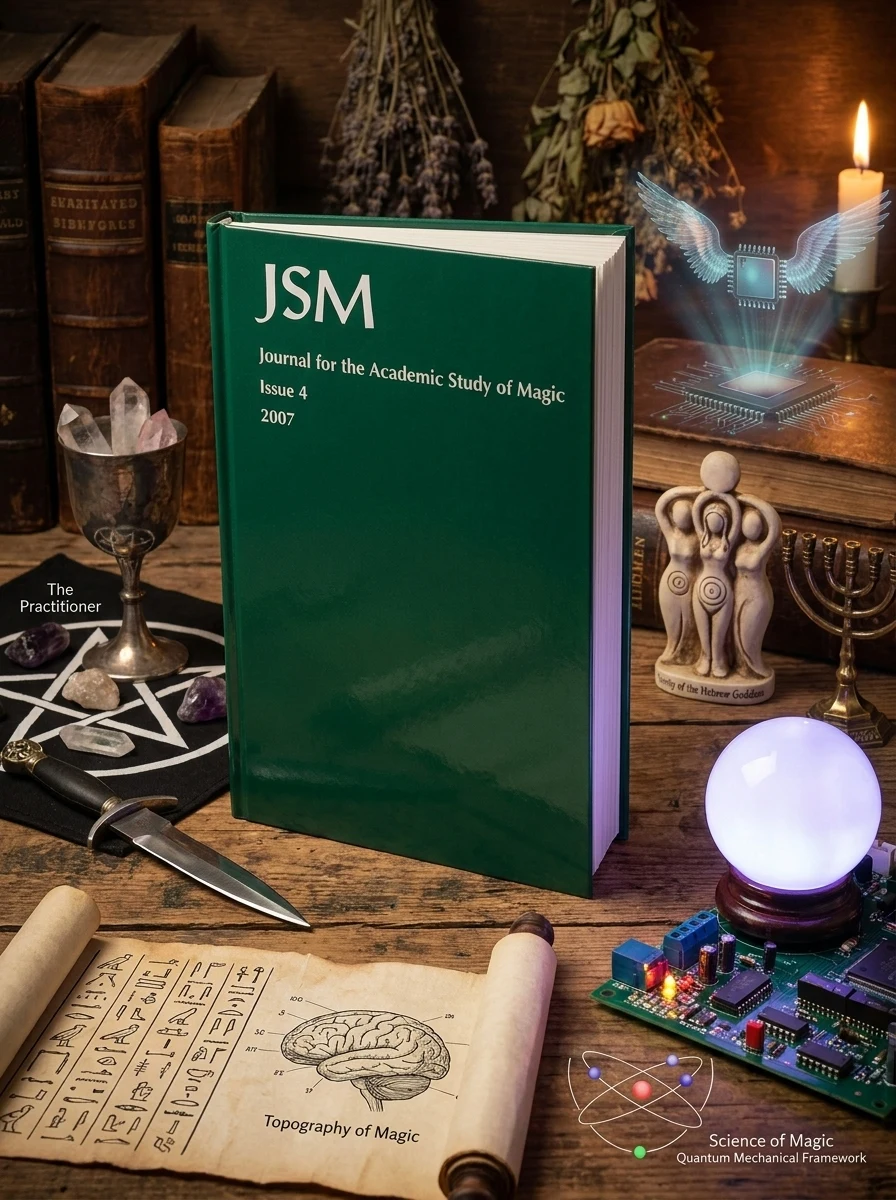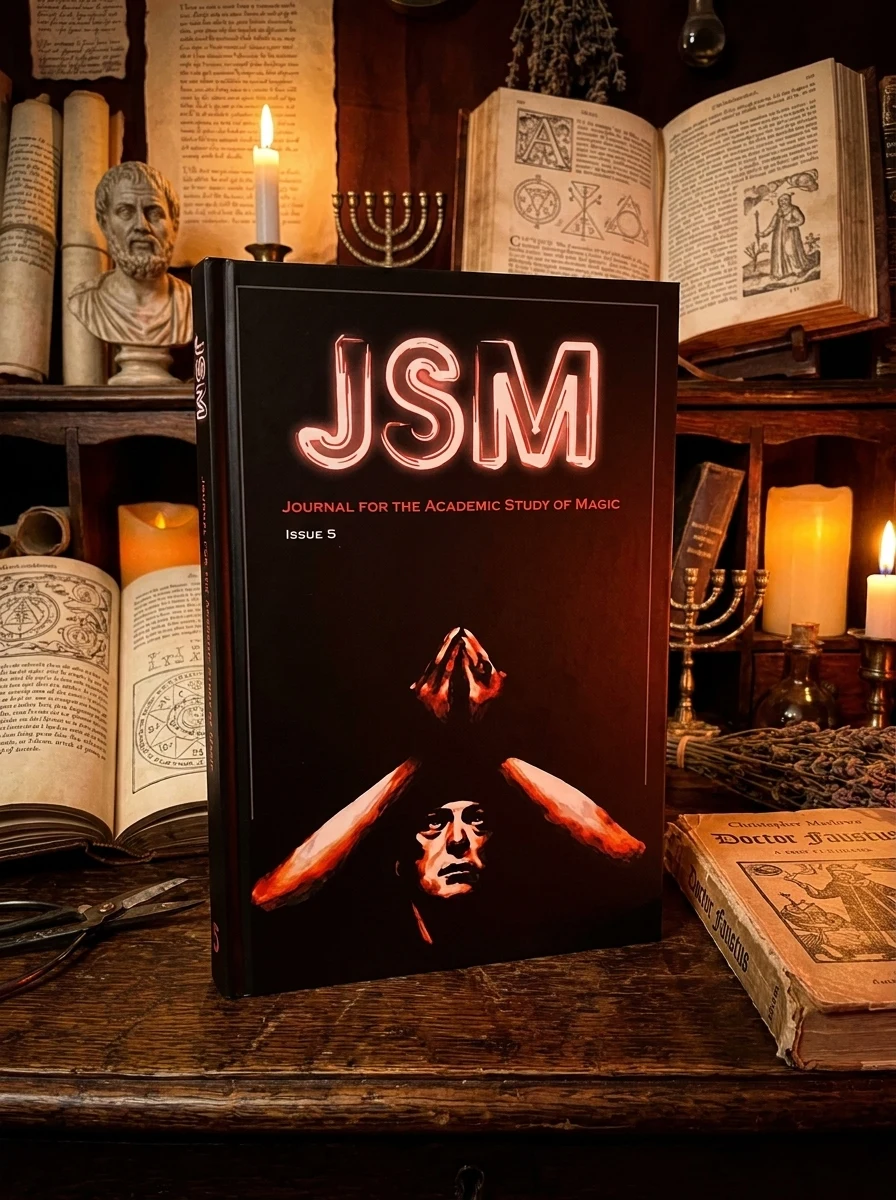
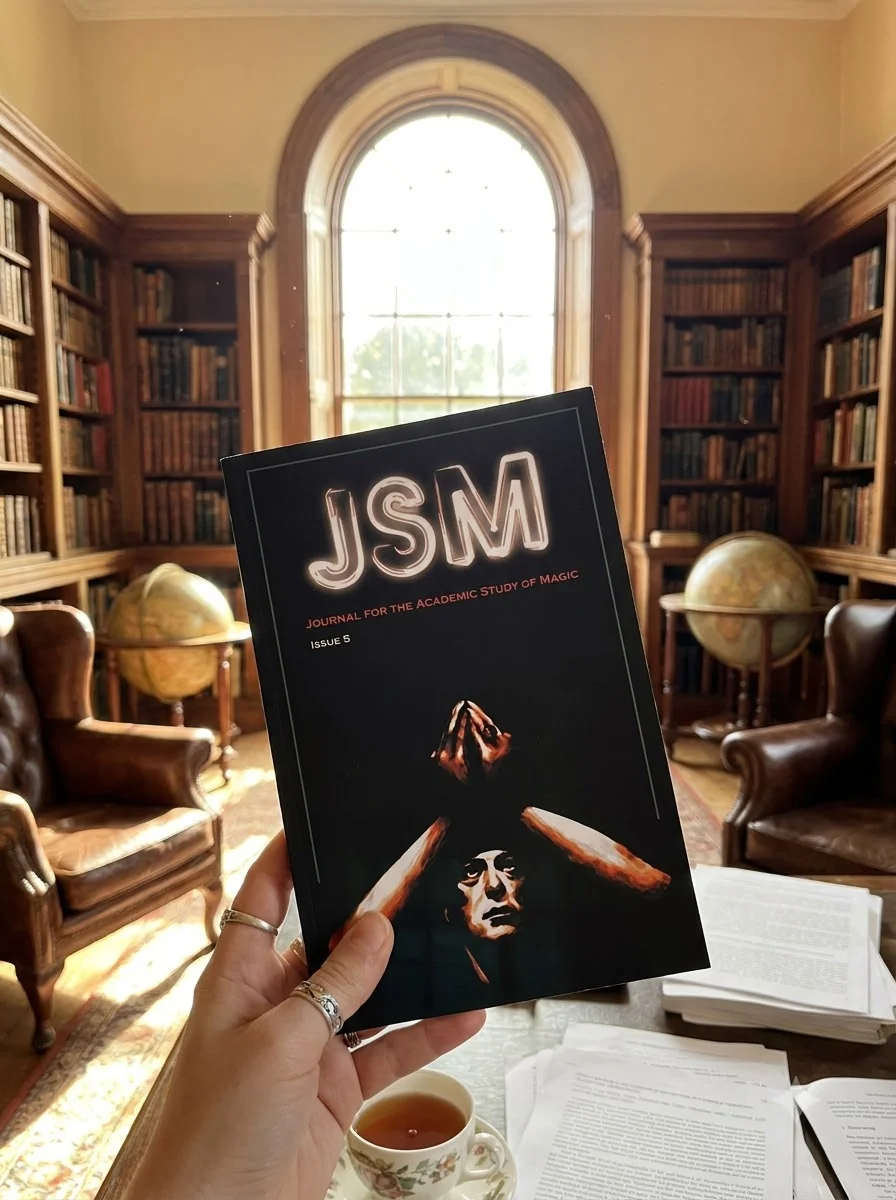
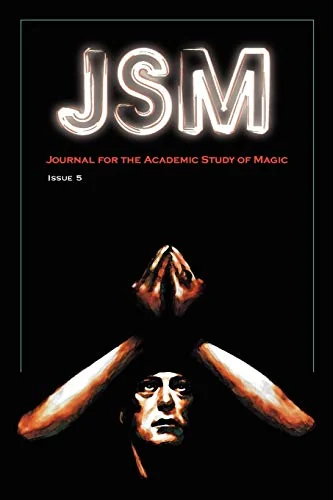
Journal for the Academic Study of Magic: Issue 5 Graf, Susan Johnston
This compelling issue delves into the multifaceted academic study of magic, offering rigorous analyses across historical, cultural, and literary contexts. It features insightful essays exploring how ancient Jewish magic was framed for Roman audiences, the enduring significance of grimoires in conjure practices, and the intricate Hermetic and Cabalistic underpinnings of Renaissance drama like *Doctor Faustus*. Contributors approach these topics with scholarly depth, bridging historical texts, folklore, and philosophical inquiry to illuminate magic's complex role in human thought and society, providing a rich, intellectual exploration of esoteric traditions.


📝 Description: Journal for the Academic Study of Magic: Issue 5 Graf, Susan Johnston
💎 Expert review
📖 Why choose it
Why this book is worth reading
This journal is an essential resource for scholars and serious practitioners who seek to understand the intellectual foundations of magic rather than its practical application. Readers will gain a profound appreciation for how ancient Jewish magic was perceived by Roman audiences and the enduring legacy of grimoires in conjure practices. It offers a rich, intellectual exploration that illuminates the complex role of magic in human thought and society. By bridging historical texts with philosophical inquiry, it provides necessary context for those interested in Hermetic underpinnings or the influence of Cabala on Renaissance drama like Doctor Faustus. This volume is ideal for anyone wishing to deepen their theoretical knowledge through rigorous academic lenses.
⭐ Reader reviews
Reader rating
This issue delivers compelling scholarly depth, offering rigorous analyses across historical and literary contexts. It successfully bridges folklore with philosophical inquiry, making it a valuable asset for those studying the cultural significance of grimoires or Hermetic traditions. However, readers seeking practical spellcasting instructions or immediate magical results will find little utility here. The dense academic tone and focus on ancient Roman framing may alienate casual hobbyists or those preferring intuitive, non-scholarly approaches to esotericism. It is strictly for the intellectually curious who value historical accuracy and theoretical frameworks over experiential practice.
❓ Frequently asked questions
📖 Who should read this
For scholars, students, and curious practitioners fascinated by the academic and historical dimensions of magic. If you seek rigorous analysis of magical practices, their cultural impact, and their representation across time and literature, this journal issue offers profound insights and expands your understanding.
🎯 Key themes and symbolism
Ancient Magical Traditions
Explores how magical practices and their interpretations evolved in antiquity, particularly focusing on the presentation of Jewish magic within the Roman world. It examines the strategic linguistic and conceptual framing used to introduce such traditions to new cultural contexts, offering insight into historical religious and magical syncretism.
Grimoires and Folk Magic
Investigates the practical application and cultural significance of grimoires within the conjure tradition. This section delves into the lineage and ongoing relevance of these magical texts, illustrating their foundational role in folk magical practices and their continued influence on contemporary magical systems and beliefs.
Magic in Literature
Analyzes the esoteric underpinnings of classic literature, specifically examining the Hermetic and Cabalistic rituals depicted in Christopher Marlowe's *Doctor Faustus*. It reveals how profound magical and philosophical traditions informed Renaissance dramatic works, offering a deeper appreciation for their symbolic and intellectual layers.
📜 Historical context
📚 Glossary
- Grimoire
- Hermeticism
- Cabalistic
📔 Questions to reflect on
- How might the framing of magical practices by ancient authors like Josephus influence our modern perceptions of historical magic and its legitimacy?
- In what ways do the enduring elements of grimoires in traditions like conjure reflect a deeper human need for structured magical engagement and ritual?
- Consider how the symbolic use of Hermetic and Cabalistic themes in literature, such as *Doctor Faustus*, enriches our understanding of both the text and the esoteric traditions themselves.